6 Common Travel Scams Targeting Boomers and How to Avoid Them

Traveling the world is a privilege that offers a wealth of experiences, but with these experiences comes the risk of falling victim to scams, especially for older travelers. Baby Boomers, often raised with an emphasis on trust and politeness, are frequently targeted by scammers who exploit their kind nature and less tech-savvy approach to modern travel.
Overpriced Luggage Helpers at Airports and Bus Stations

You’ve just arrived at your destination, tired from your flight, when a “helpful” individual approaches to assist with your luggage. Wearing vests and acting official, they offer to carry your bags, only to later demand an exorbitant tip. In some cases, they might even disappear with your belongings if you hesitate.
- Politely decline assistance unless an official, accredited staff member clearly offers it.
- Keep your luggage close and avoid letting it out of your sight, especially in crowded areas.
- Stick to designated luggage assistance services if available.
Fake Hotel Desk Calls After Check-in
You’ve just settled into your hotel room after a long day of travel when the phone rings. The caller claims to be from the front desk and says there’s an issue with your credit card or room reservation. Without thinking, you provide your details, only to realize later that it was a scammer pretending to be hotel staff.
- If you receive such a call, hang up immediately and call the front desk directly using the number listed on your key card or hotel confirmation.
- Never provide personal information over the phone, especially in unfamiliar situations.
- Confirm any charges or issues with your booking directly at the hotel reception.
The Helpful Stranger at the Train Station
It’s a familiar scenario: you arrive at a foreign train station, trying to figure out the ticket machine, when a seemingly friendly person offers to help. Fluent in English and eager to assist, they walk you through the process. But after a few taps on the machine, you realize that the ticket is either overpriced or entirely fake. The scammer might even direct you to a bogus tour or an incorrect platform.
- Always be cautious when someone offers unsolicited help.
- Stick to official staff or fellow travelers who seem genuinely knowledgeable.
- Double-check the machine’s instructions or, if in doubt, approach the nearest help desk or official kiosk.
“Free” Souvenirs from Smiling Locals
In popular tourist destinations, a local may approach you with a smile and offer a “free” souvenir, like a handmade bracelet or charm. The gesture seems generous until they begin demanding money in exchange for the gift. The scam often works by creating an emotional sense of obligation, particularly for those raised to be polite and gracious.
How to Avoid This Scam:
- If someone offers you something “for free,” politely refuse and keep walking.
- Never accept unsolicited gifts from strangers, especially in busy tourist areas.
- If you do accept something, understand that it may come with a hidden cost.
Taxi Drivers Who Insist the Meter’s Broken

In many destinations, taxi drivers may claim that their meter is malfunctioning or non-existent. They’ll then charge you an inflated fare, sometimes five times the normal rate. This scam targets travelers who are unfamiliar with local prices and assume that taxis work the same way as at home.
- Always ensure the meter is running before you start your journey. If the driver claims it’s broken, either negotiate a fixed fare upfront or choose another taxi.
- Use trusted ride-hailing apps that offer transparency in pricing.
- If you are unsure about typical rates, ask your hotel or fellow travelers about approximate costs before you hop into a cab.
Photo Scammers at Major Landmarks
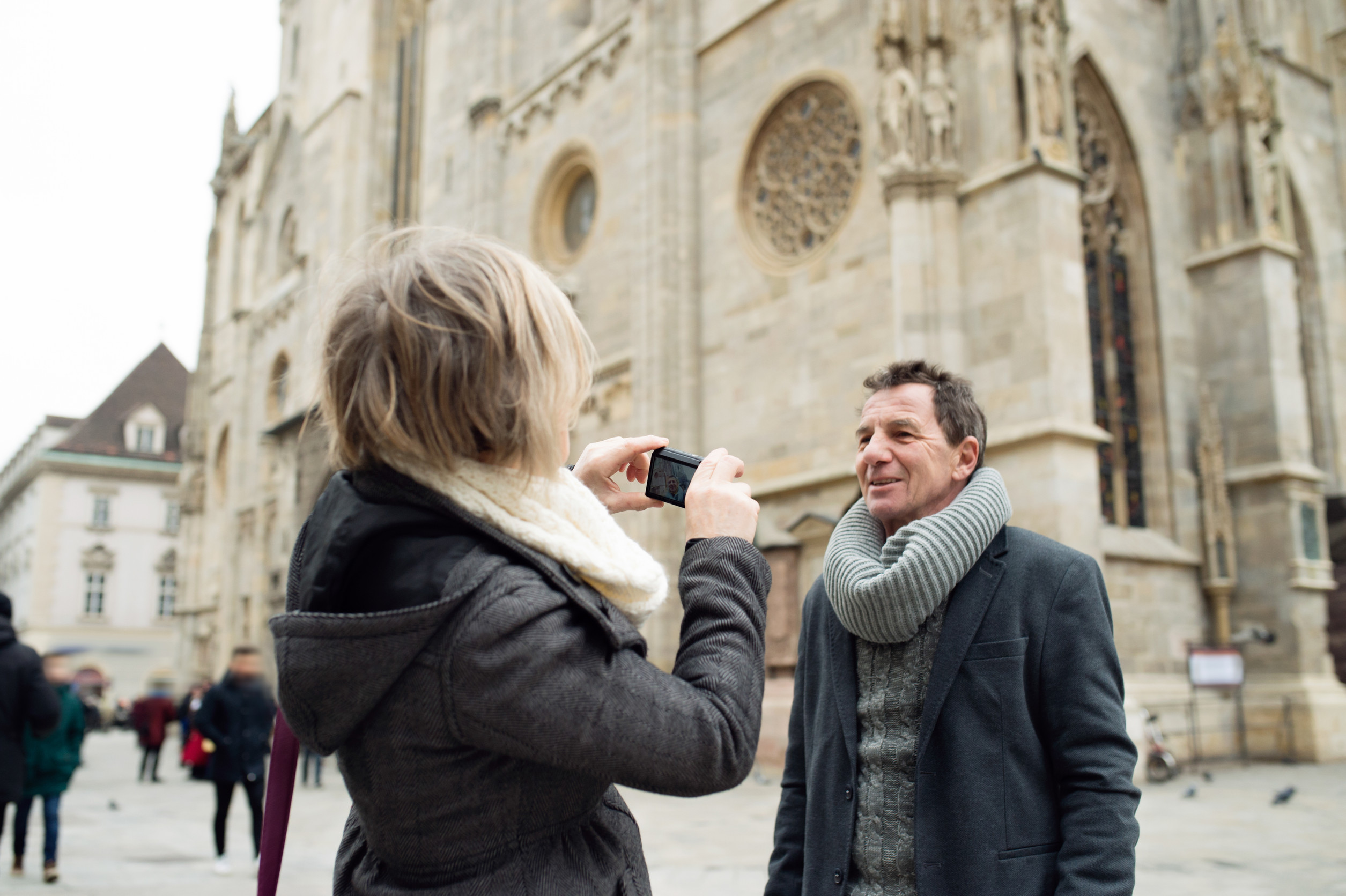
A friendly local offers to take a photo of you in front of an iconic landmark, but once the picture is taken, they demand money to return your camera or phone. In some cases, they may even threaten to walk off with your device if you refuse to pay.
- If you want a photo, ask another tourist to take it for you. It’s safer and more reliable than asking a stranger.
- Alternatively, use a selfie stick or set up a camera timer for that perfect shot.
- If someone offers to take your photo, be cautious and aware of your surroundings.
Concusion
Scammers rely on deception and pressure tactics to exploit vulnerable travelers. However, by staying alert and applying the precautions outlined above, you can protect yourself from falling victim to these common travel scams.
Traveling should be a rewarding experience filled with discovery and excitement, not fear of being scammed. Always trust your instincts, do your research, and never hesitate to ask trusted sources for help. Safe travels!