6 Accidental Inventions That Changed the World Forever

Image Credit: 123rf photos

Innovation often springs from the unlikeliest of places, and sometimes, history’s most significant breakthroughs happen by pure accident. Whether it’s a happy mistake, a moment of frustration, or a simple oversight, these six accidental inventions have not only transformed industries but have become integral to our everyday lives.

Here are the stories of six accidental inventions that changed the world.

Coca-Cola

6 Accidental Inventions That Changed the World Forever

Image Credit: 123rf photos

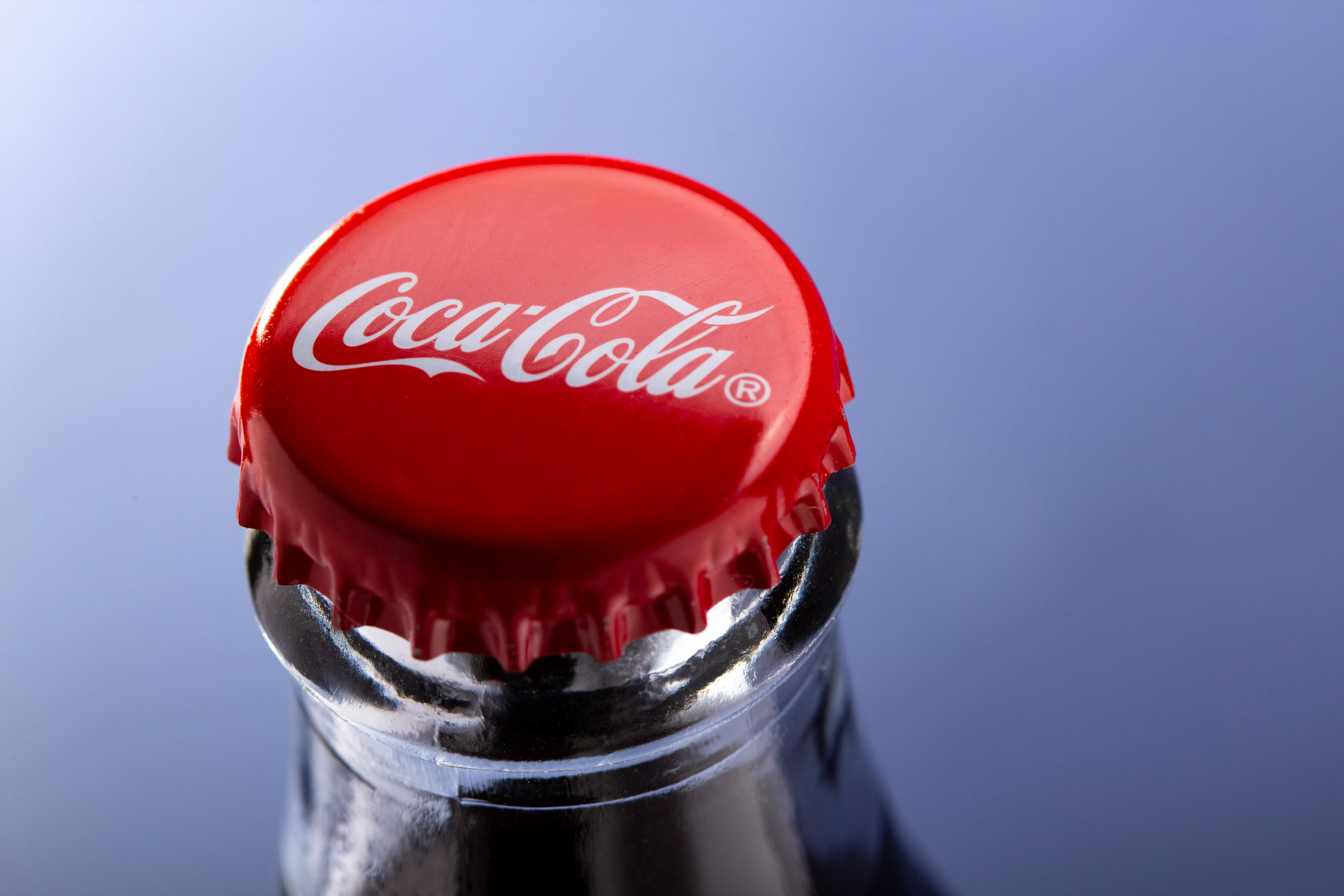
In 1886, John Pemberton, a pharmacist in Atlanta, was working on a remedy to relieve headaches when he unintentionally created something much more potent—Coca-Cola. Originally formulated as a medicinal tonic, the drink contained coca leaf extract (including cocaine), which gave users a temporary high.

As the drug was removed from the formula, Coca-Cola evolved into a global beverage giant, with its appeal growing far beyond its medicinal roots. Today, Coca-Cola is one of the most recognized brands worldwide, all because of a pharmacist’s unintentional creation.A seemingly failed experiment can turn into a cultural and commercial phenomenon.

Penicillin

In 1928, Scottish bacteriologist Alexander Fleming made one of the most significant medical discoveries in history, not through deliberate research but rather by an unfortunate mistake. After returning from a holiday, Fleming noticed that one of his petri dishes had been contaminated with mold, and that bacteria around the mold were being destroyed.

What could have been dismissed as a messy mistake became penicillin—the world’s first antibiotic. This accidental discovery marked the beginning of the antibiotic era and has since saved millions of lives. Sometimes, stepping away and allowing for an “accident” can lead to life-saving discoveries.

Post-It Notes

6 Accidental Inventions That Changed the World Forever
Image Credit: 123rf photos

In the late 1960s, 3M chemist Spencer Silver was trying to create a super-strong adhesive, but instead ended up with a weak, reusable adhesive that barely stuck. While this could have easily been deemed a failure, it was not until his colleague Art Fry used it to create bookmarks that didn’t damage pages when removed that the idea truly took off.

Post-it Notes, now a staple in offices worldwide, were born from this accidental discovery. It wasn’t a strong adhesive, just the right kind of weak. What might initially seem like a failure can become an everyday essential, especially when you see its unexpected potential.

Super Glue

During World War II, Dr. Harry Coover was attempting to create a clear plastic for gun sights when he accidentally invented something far stickier than he had anticipated. His creation, cyanoacrylate, adhered to everything it touched, making it a massive failure for clear plastic gun sights.

However, the powerful bonding properties of Super Glue were recognized years later, and the product went on to become one of the most popular adhesives worldwide, used in everything from household repairs to life-saving surgeries. Sometimes, what seems like a failure in one context can turn into an indispensable solution in another.

Teflon

In 1938, chemist Roy Plunkett was working on refrigerants when he accidentally discovered Teflon. A gas he was working with turned into a white, waxy solid, which, upon further investigation, revealed its remarkable non-stick properties. This discovery revolutionized cooking, giving rise to non-stick cookware that made our lives easier and allowed our eggs to slide out of the pan.

Teflon’s use didn’t stop in the kitchen, either; it’s now used in a wide range of industries, including aerospace and electronics. A moment of pure serendipity, like the accidental creation of Teflon, can lead to a revolutionary material with countless applications.

Microwave Oven

6 Accidental Inventions That Changed the World Forever
Image Credit: 123rf photos

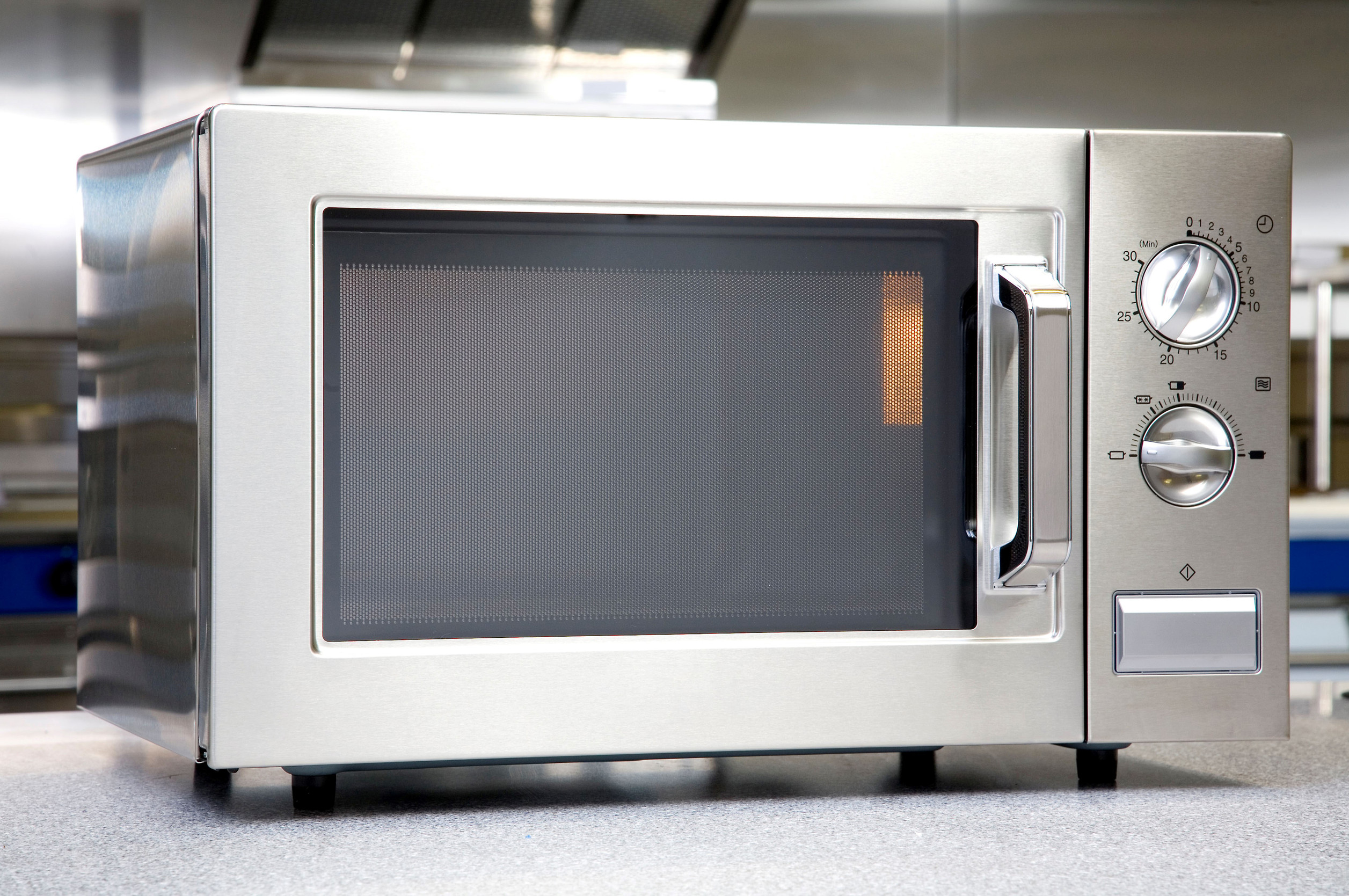
In 1945, engineer Percy Spencer was experimenting with radar technology when an unlikely occurrence turned into a technological breakthrough. While working with radar equipment, he noticed that a candy bar in his pocket had melted. Intrigued, Spencer began experimenting with other food items, including popcorn, which promptly popped, and an egg, which exploded.

This chain of events led to the invention of the microwave oven, a household appliance that would change cooking forever, making it quicker and more convenient than ever before.
Innovation can often come from the simplest, most everyday experiences, like a candy bar melting in your pocket.

Conclusion

These six accidental inventions have profoundly impacted our lives in ways we might take for granted. From life-saving medicines to everyday kitchen conveniences, sometimes the most significant breakthroughs come not from hours of research but from the unpredictable moments that shape the future.

So the next time something goes wrong, remember: a mistake might just be the beginning of the next big idea.


Author

  • Emmah Flavia

    Emma Flavia is a lifestyle writer who blends storytelling, psychology, and digital creativity to explore how people live, think, and connect in the modern world. Her work captures the rhythm of human behavior, from mental wellness and intentional living to social trends and digital culture.

    Emma also designs infographics and visual stories that simplify complex ideas into engaging, shareable content. Her background in communication and digital media allows her to combine research, narrative, and design in a way that resonates with today’s visual-first audience.

    When she’s not writing, Emma enjoys nature walks, creating minimalist digital art, experimenting with color palettes, and watching documentaries about human behavior and design.

    View all posts

Similar Posts

Leave a Reply

Your email address will not be published. Required fields are marked *