


The post 5 Things Considered Normal in Europe but Totally Weird in America first appeared on Crafting Your Home.
What feels strange when traveling abroad is often not a dramatic cultural divide. Sometimes it is a tiny moment: standing outside a train-station restroom wondering why there is a small fee, waiting for a restaurant check that never arrives, or realizing that a greeting can be part of a business transaction.
These moments can feel surprising because they reveal something easy to forget: many everyday habits are cultural choices. The routines that feel automatic at home are not universal rules. Across different European countries, local systems and social expectations can make ordinary activities work in ways that feel unfamiliar to American visitors.
Small everyday costs can work differently.
One of the first surprises for some American travelers is the public restroom. In many European travel settings, free public bathrooms aren’t guaranteed. Train stations, motorway stops, and major attractions may have pay toilets so that visitors may need a few coins for a quick stop. Travel writer Rick Steves advises travelers to expect this at stations, rest stops, and tourist sites.
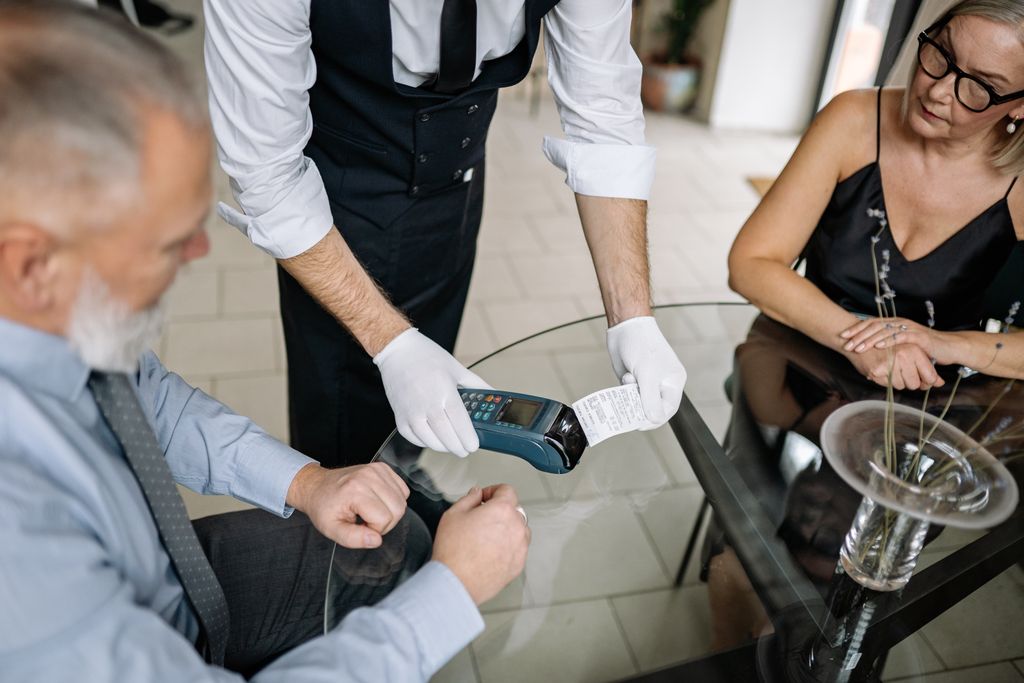
Dining customs can create another moment of confusion. In many European restaurants, the table is considered yours until you decide the meal is finished. Instead of a server automatically bringing the bill after clearing plates, diners often need to ask for it. The difference is less about better or worse service and more about different expectations for how long a meal lasts.
The same goes for tipping. The high-percentage tipping culture familiar to many Americans does not automatically apply across Europe. In many places, service is included, and diners may round up rather than leave a large percentage. Tipping customs vary by country, so travelers often need to learn the local norm rather than assume one universal practice.
Even water at a restaurant can highlight a cultural difference. An American diner might expect a large glass of iced tap water with refills. At the same time, some European dining settings may involve ordering water separately, receiving bottled water, or simply encountering less emphasis on ice. Practices vary by country, city, and restaurant.
Meals and daily rhythms may follow another clock.
In Italy, the early evening is not just a time between work and dinner it can be a social ritual. Aperitivo is a familiar part of Italian life, involving a drink, a snack, and a pause before the evening meal. For visitors who think of happy hour as an occasional event, the tradition can feel like a completely different daily rhythm.
Dinner schedules can also surprise American travelers. In Italy and Portugal, a 5:30 or 6 p.m. dinner may seem unusually early. Italian tourism information notes that dinner service commonly runs from around 7:30 p.m. to 11 p.m., while Portugal’s tourism guidance lists dinner roughly from 7:30 p.m. to 10:30 p.m.
Some parts of Italy also preserve a midday pause in the working day. A visitor used to running errands continuously may arrive at a small shop and find it closed for lunch. Italy’s tourism guidance notes that some shops close from about 1 p.m. to 3 p.m., particularly in certain towns and independent businesses, rather than every store everywhere.
Systems that shape everyday life
Germany can offer some especially noticeable contrasts for American visitors. In many parts of Germany, Sunday remains a protected rest day, and supermarkets and many stores are closed. For someone accustomed to seven-day shopping, the quiet streets and limited retail hours can feel unexpected.
Payment habits can also differ. While electronic payments are expanding, cash remains useful in Germany, especially because smaller businesses may still prefer or sometimes require cash payments.
Another distinctive German system is the Pfand deposit program. Instead of treating certain bottles and cans as ordinary waste, shoppers can return eligible containers and receive a refund. Some single-use beverage containers carry a €0.25 deposit. In some German cities, leaving deposit bottles beside public bins is considered considerate because it makes them easier for collectors to retrieve. This is an urban etiquette convention, not a universal rule.
Travel Reveals the Invisible Rules of Everyday Life

Travel can make familiar routines look completely different. In many parts of the EU, trains are woven into everyday regional and international travel rather than reserved only for special occasions. For visitors from places where driving is often the default for daily travel, rail can feel like a major shift in how people move between cities and regions.
The difference is not only about convenience but also about the systems built around transportation. EU rail rules give passengers rights to information, refunds, rerouting, and assistance in qualifying situations when journeys are disrupted. However, rail experiences vary significantly by country and region, so a traveler’s experience can look very different from one destination to another.
The Small Differences That Make a Place Memorable
The most surprising travel moments often come from ordinary routines rather than famous landmarks. A visitor may notice that a restaurant meal lasts longer because the check is requested rather than automatically delivered, that a shop follows a midday closing tradition, or that a simple greeting matters before a conversation begins. These small interactions reveal the unwritten expectations that shape daily life in different places.
The real culture shock isn’t that one side has everything figured out and the other doesn’t. It is realizing that habits Americans may barely notice free refills, automatic card payments, quick dinner checks, all-day shopping, or casual greetings are not universal defaults. They are simply routines shaped by local customs, systems, and expectations. Traveling makes those invisible rules easier to see, turning small moments of confusion into some of the most memorable parts of discovering another culture.
Other Posts You Might Like:
If you like what you just read, then subscribe to our newsletter and follow us on social media.


