5 Terrifying Exotic Pets That Killed Their Owners

The Deadly Cassowary

When most people think of dangerous animals, they might immediately think of lions, tigers, or sharks. However, one of the deadliest animals in the world is the cassowary, a flightless bird native to northern Australia. Towering over 6 feet in height, the cassowary is often called “the world’s most dangerous bird” for a reason. Its claws, sharp and capable of reaching 5 inches in length, can easily slice through flesh and bone.
In 2019, a tragic incident occurred in Florida, where a 75-year-old man was killed by one of the cassowaries he kept on his property. The bird attacked after the man fell to the ground, using its powerful legs to kick him with lethal force. The cassowary’s ability to run at speeds of 31 mph and leap over 7 feet into the air makes it a formidable adversary, and once it decides to strike, escape is nearly impossible.
The Hippopotamus
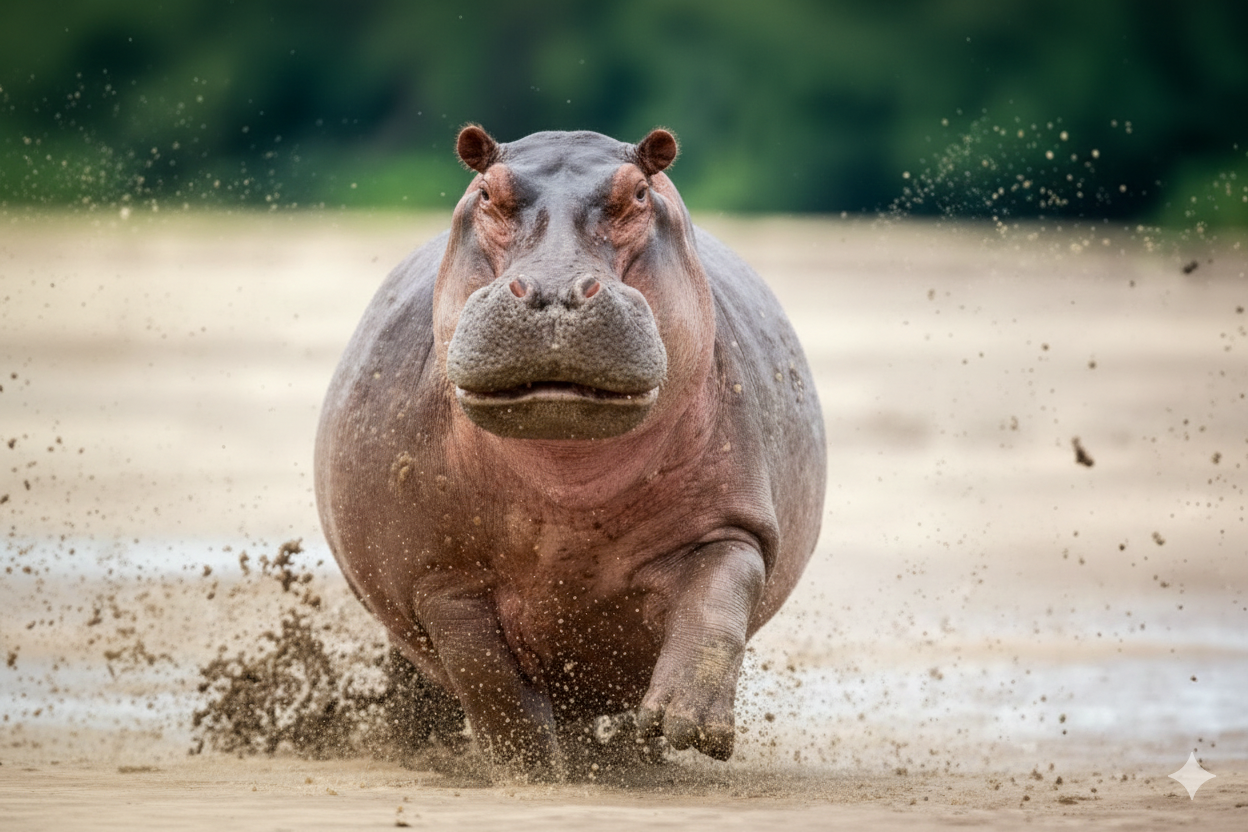
Though they may seem like the kind of pet you’d see in a children’s book, hippos are not the docile creatures they appear to be. Hippopotamuses are among the most lethal animals on the planet, responsible for more human deaths in Africa than even lions or crocodiles. The story of Marius Els, who kept a pet hippo named Humphrey, is a tragic reminder of just how dangerous these massive animals can be.
Marius Els, a man from South Africa, had raised Humphrey from a young age, and the two seemed inseparable. However, in 2011, their relationship took a deadly turn. Despite the bond they shared, Humphrey attacked Els in an unprovoked outburst, biting him repeatedly. The hippo’s massive size (weighing over 2,600 pounds) and incredible strength made it nearly impossible for Els to escape.
The Monkey
Monkeys are often seen as funny, intelligent creatures that can entertain and amuse. However, for certain species, especially those raised in captivity, the risks can be significant. In 2019, a southern pig-tailed macaque in Malaysia attacked its owner, a 72-year-old man, killing him in a brutal and unexpected incident.
The monkey had been raised to gather coconuts for the local economy, a practice that has persisted for centuries. However, despite its training, the macaque’s aggression led to tragedy. The elderly man was bitten through a major artery in his neck, and though his son tried to help, it was too late. The man succumbed to his injuries shortly after the attack.
The Black Bear
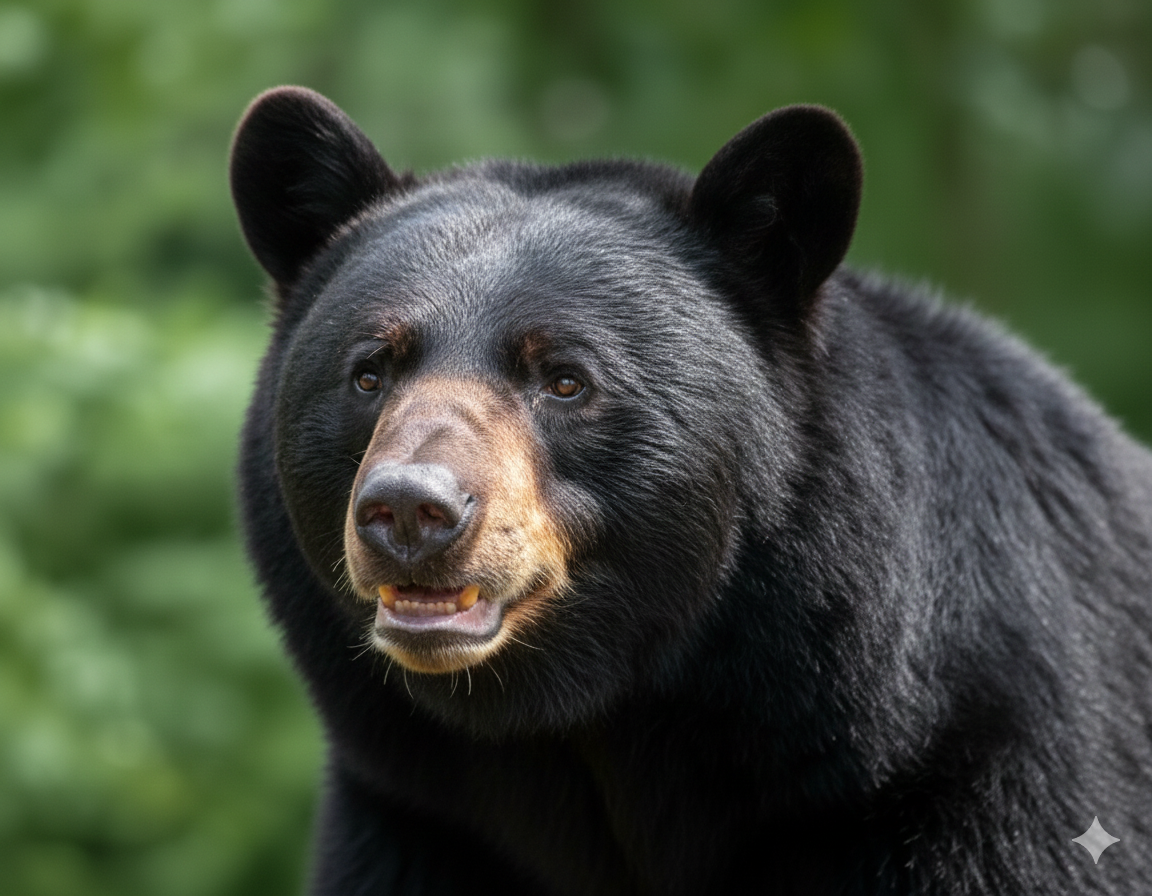
Bears are known for their strength and unpredictability, but many people fail to recognize these qualities when they raise them as pets. In 2009, a black bear named Teddy, raised by Kelly Ann Walz and her husband Michael in Pennsylvania, tragically killed Kelly Ann. Despite being raised from a cub, the bear’s inherent wild instincts eventually overtook any domesticated behavior.
The Walzes had kept a variety of exotic animals, including a lion and a tiger, but it was Teddy, the black bear, who turned deadly. On one fateful evening, Kelly Ann was cleaning the bear’s cage when Teddy attacked. Despite years of seemingly peaceful cohabitation, the bear’s behavior shifted as it matured.
At four years old, black bears often exhibit unpredictable and aggressive tendencies, and Teddy was no exception. Kelly Ann’s death was a harsh reminder that even animals raised with the best intentions can revert to dangerous, wild behaviors.
The Camel
In 2007, Pam Weaver’s husband gave her a baby camel as a unique birthday gift. While it may have seemed like an unusual but sweet gesture, the camel, just 10 months old at the time, soon displayed aggressive behavior that led to Pam’s death. Pam, an animal lover, had raised the camel from a young age, but despite her familiarity with the animal, it attacked her in a horrific fashion.
Experts believe that the camel’s behavior was linked to sexual frustration. As the camel matured, it began exhibiting erratic behaviors typical of young animals reaching sexual maturity. The animal knocked Pam to the ground and straddled her body, ultimately causing her death.
While camels may seem docile at a young age, their size, strength, and unpredictable nature make them dangerous once they reach adulthood. This tragedy serves as a cautionary tale for anyone considering raising a camel or a similar large exotic animal.
Conclusion
The tragic stories of the cassowary, hippo, monkey, black bear, and camel serve as stark reminders of the dangers of owning exotic pets. While these animals may appear appealing due to their beauty or unique nature, they are still wild creatures with instincts that can make them highly unpredictable and dangerous.
Raising exotic pets requires not only a deep understanding of the animal’s natural behavior but also a respect for the risks involved. Wild animals, even those raised in captivity, retain instincts that can suddenly emerge in moments of stress, territoriality, or hormonal changes. As these stories show, the consequences can be fatal.
Read the original article on crafting your home