


Many people believe the brain matures by age 18 and then stays the same. However, a new study from the University of Cambridge shows that our brains are much more active, changing through five stages over the course of our lives. Our minds keep rewiring and adapting, not just in childhood but throughout adulthood too.
Let’s look at the five stages of brain development and see why our mental growth continues past age 18—and what that means for everyone.
Childhood (Laying the Foundation – Birth to 9 Years)

At birth, our brains have immense potential. In childhood, this potential is used to build a strong foundation. Instead of just getting stronger, the brain creates a wide network of connections. During these years, your brain actually has more connections than it needs.
Around age 9, the brain starts to trim away extra connections, making the important ones work better. This process, called network consolidation, is key to thinking and learning. However, it’s also a time when kids may be more sensitive to mental health challenges as the brain decides what’s essential.
Adolescence (The Rewiring Phase – 9 to 32 Years)
Many people think the teenage years mark the peak of brain development, but the study shows that our brains continue to reorganize in similar ways until our early 30s. In fact, your brain is still in a kind of teenage phase until about age 32.
During this period, the brain becomes more efficient and reorganizes its connections, much as the body grows rapidly in adolescence. The main difference is that the brain is now refining the pathways needed for adulthood. This stage is when cognitive development peaks and the brain’s structure changes the most.
This is when you start to feel more connected to your surroundings, make important decisions, and take on new mental responsibilities, all while still adapting to changes around you.
Adulthood ( Finding Stability – 32 to 66 Years)

After this time of change, the brain enters its adult phase around age 32. At this stage, the brain becomes more stable. It still changes, but now it gets more specialized, with different areas focusing on certain tasks. You can picture it as a well-tuned machine working smoothly.
During this time, the brain’s connections become more focused and specialized. As you get older, different brain regions handle different tasks instead of trying to do everything at once. This helps you manage daily life more calmly and effectively.
The study also found that the brain can still adapt and reorganize, but this stable phase usually lasts through most of adulthood.
Early Aging (The Subtle Shift – 66 to 83 Years)
Around age 66, the brain enters its early aging phase. This change is more gradual than earlier ones. The brain’s regions become less interconnected and rely more on specialized areas.
The brain begins to rely more on its specialized areas and less on broad communication between regions. The most efficient pathways keep working, while others slow down. Changes in thinking during this time often feel like a normal part of aging, as the brain adjusts without major issues.
Late Aging (The Brain’s Final Reorganization – 83 and Beyond)

The final stage of brain development begins around age 83. At this time, the brain undergoes significant changes. Connections further decrease, and some regions become more important, so the brain relies on fewer key areas.
Although the brain loses many connections in this stage, it still adapts, but with fewer resources and more focused efforts. There isn’t much research on this phase because it’s hard to study people in their 80s and 90s, but it’s clear that this late-stage change is part of the brain’s life cycle.
What Does This Mean for You?
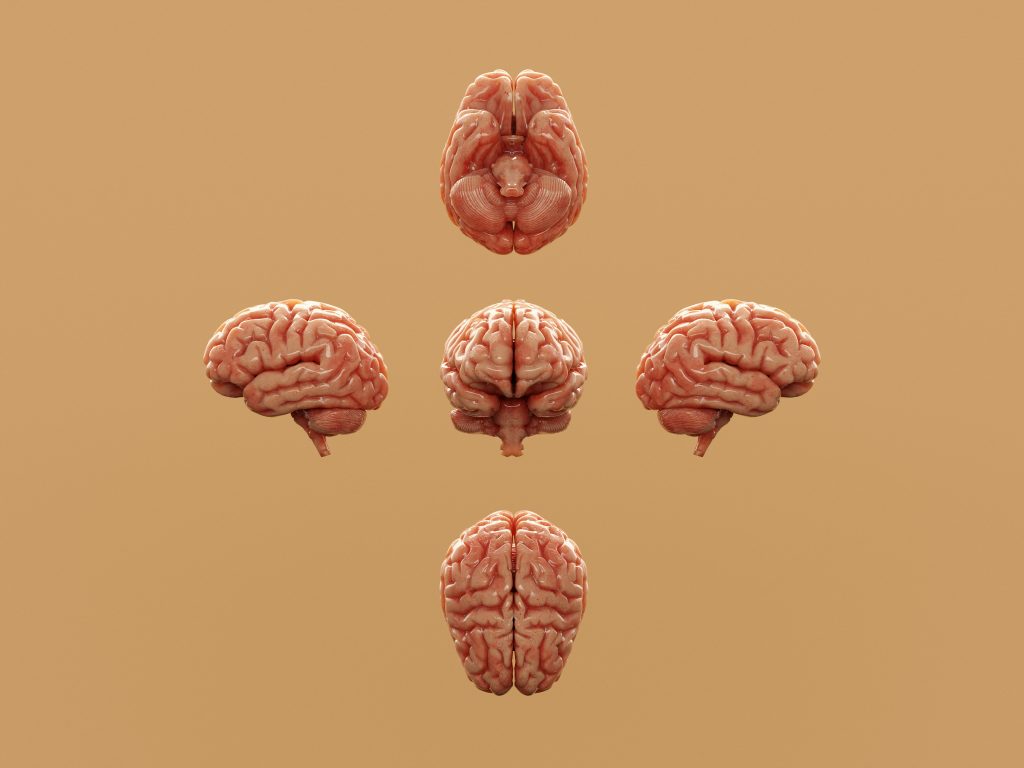
The main point of this study is that the brain continues to change and adapt throughout our lives, not just in childhood or early adulthood.
This finding runs counter to the common belief that mental growth ends in our twenties. In reality, the brain keeps evolving, and there is no final stage where it stops changing.
Everyone’s brain develops differently, but the idea that the brain is always changing is interesting. Whether you’re young, an adult, or older, this study shows that our mental growth continues throughout life.
Key Takeaway
The five stages of brain development show that our brains continue to change after adolescence. From childhood to old age, your brain adapts, learns, and grows. Knowing this can help us be kinder to ourselves and others, especially when it comes to mental abilities and health.
If you ever feel mentally stuck, remember it’s just part of your brain’s ongoing changes. You might be starting a new phase in your brain’s journey.
Read the Original Article on Crafting Your Home


