5 Superfoods to Enhance Brain Health and Combat Cognitive Decline After 55

As we age, the mind deserves as much care and attention as the body. While cognitive decline may seem like an inevitable part of aging, research reveals that we have more control over our brain health than we often realize. By integrating specific foods into your diet, you can support cognitive function, sharpen memory, and potentially delay age-related cognitive challenges.
Blueberries
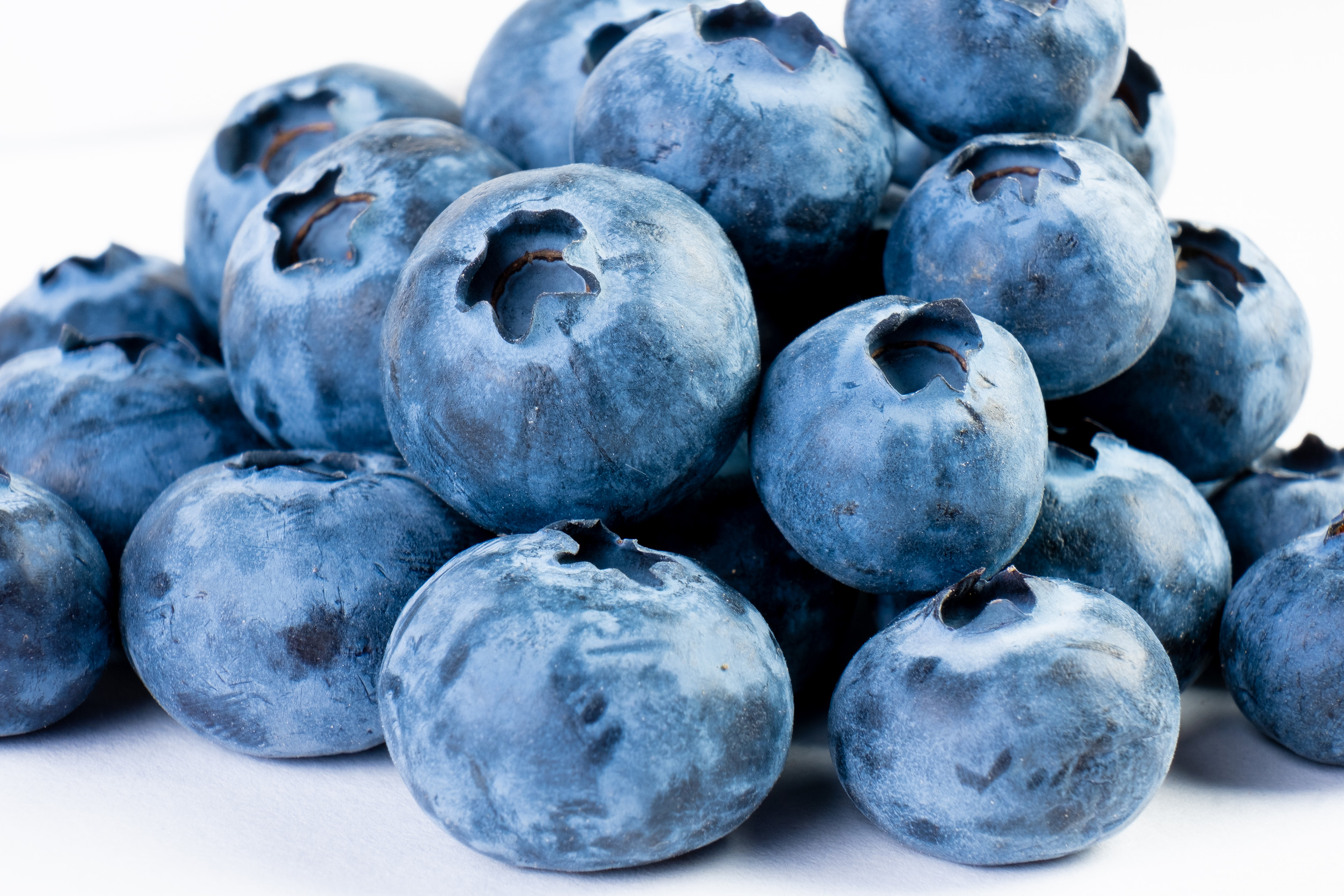
Blueberries, often dubbed the “brainberry,” are packed with antioxidants and flavonoids, particularly anthocyanins, which give the fruit its vibrant color. These compounds are more than just decorative; they offer powerful protection for the brain.
Antioxidants, such as those found in blueberries, help neutralize free radicals that cause oxidative stress, an imbalance that can damage brain cells and accelerate cognitive decline. Anthocyanins, in particular, have been shown to cross the blood-brain barrier, reducing inflammation and enhancing brain-derived neurotrophic factor (BDNF), a protein essential for memory, learning, and overall cognitive function.
For an extra boost, consider incorporating wild blueberries into your diet. Wild blueberries have been found to contain up to 33% more anthocyanins and twice the antioxidant levels compared to their cultivated counterparts. Research suggests that regular consumption of wild blueberries may even improve cognitive performance in older adults, particularly in tasks involving memory and processing speed.
Fatty Fish
Fatty fish, such as salmon, mackerel, sardines, and trout, are celebrated for their brain-boosting properties. Rich in omega-3 fatty acids, particularly DHA (docosahexaenoic acid), these fish offer essential nutrients that support cognitive health.
Omega-3s are vital for brain function. DHA, in particular, is crucial for maintaining the integrity of brain cell membranes, ensuring efficient communication between neurons. This fatty acid also reduces inflammation, a key contributor to cognitive decline, and enhances blood flow to the brain, which is essential for memory retention and learning.
Numerous studies have shown that regular consumption of omega-3-rich fish can improve cognitive performance, protect against memory loss, and even support neuroplasticity—the brain’s ability to reorganize and form new neural connections.
Walnuts
Walnuts are unique among nuts due to their high concentration of alpha-linolenic acid (ALA), a plant-based omega-3 fatty acid. These nuts are also rich in antioxidants, which help combat oxidative stress and inflammation, two major contributors to age-related cognitive decline.
ALA plays a crucial role in reducing inflammation in the brain and promoting the growth of new brain cells. It also helps protect against neurodegeneration, a process that leads to the breakdown of brain cells and is associated with cognitive disorders like Alzheimer’s.
Research shows that walnut consumption is linked to better cognitive outcomes, particularly in older adults. One study found that individuals who regularly ate walnuts scored higher on cognitive tests and showed better memory and cognitive function than those who did not.
Leafy Greens

Leafy green vegetables, such as spinach, kale, collard greens, and broccoli, are packed with essential nutrients that support cognitive health. These vegetables are particularly rich in vitamin K, lutein, and folate, nutrients that play a key role in brain function and cognitive preservation.
Vitamin K is involved in the formation of sphingolipids, which are essential fats that help maintain the structure and function of brain cells. Lutein, a carotenoid found in green leafy vegetables, has been shown to protect brain cells from oxidative damage, improving cognitive performance and supporting overall brain health.
Studies have shown that individuals who consume more dark green vegetables experience slower cognitive decline. In one study, older adults who ate more spinach and kale performed significantly better on memory tests compared to those who did not eat these vegetables.
Eggs

Eggs are not just a versatile and affordable source of protein; they also play a significant role in supporting cognitive function. Rich in choline, a nutrient essential for brain health, eggs help to maintain memory, mood, and overall mental performance.
Choline is a precursor to acetylcholine, a neurotransmitter involved in memory and learning. Despite its importance, many individuals fail to meet the recommended daily intake of choline, which is crucial for maintaining cognitive function. Eggs are one of the best sources of this nutrient, with just two eggs providing up to 80% of the daily choline requirement.
Emerging research indicates that eggs may also help reduce the risk of Alzheimer’s disease. Studies suggest that individuals who consume eggs regularly may experience a reduced risk of developing cognitive disorders, thanks to the high levels of choline and other essential nutrients.
Conclusion
Supporting brain health after age 55 is not only possible but also achievable with the right foods and lifestyle choices. By incorporating brain-boosting foods such as fatty fish, blueberries, eggs, walnuts, and leafy greens into your diet, you can nourish your mind, reduce inflammation, and promote long-term cognitive function.
Remember, a healthy diet combined with regular physical activity, mental challenges, and strong social connections provides the best defense against cognitive decline, helping your brain stay sharp for years to come.