5 Strange Facts About the Quran That You Didn’t Know
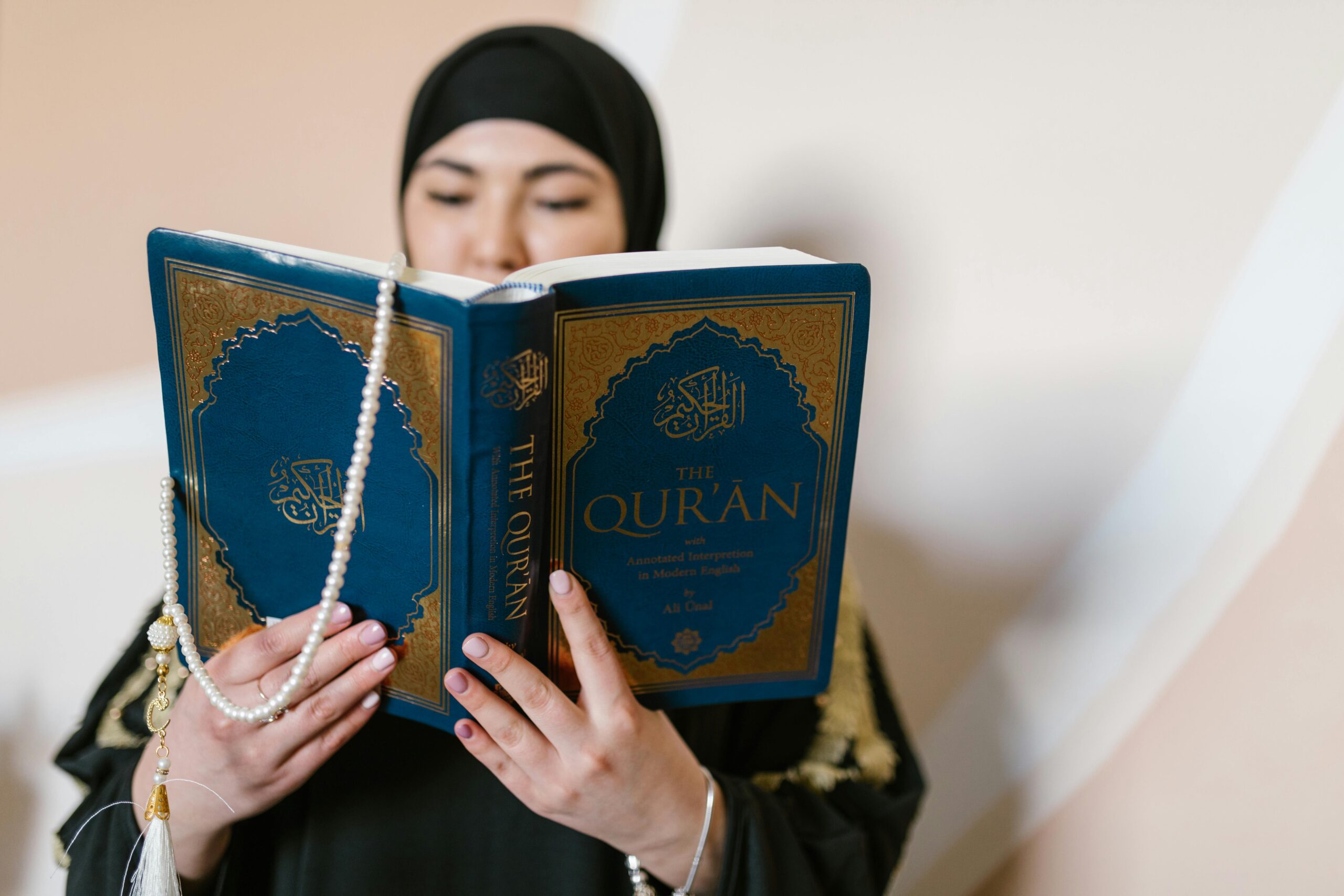
The Quran, the holy book of Islam, has been a cornerstone of faith and knowledge for over 1.5 billion Muslims worldwide. For centuries, it has guided the moral, spiritual, and social aspects of life for its followers.
While most people are aware of its centrality in Islamic teachings, there are some surprising, lesser-known facts about the Quran that make it even more fascinating. In this article, we’ll dive into five intriguing aspects of the Quran that you may not have known.
The Quran Is the Most Memorized Book in the World
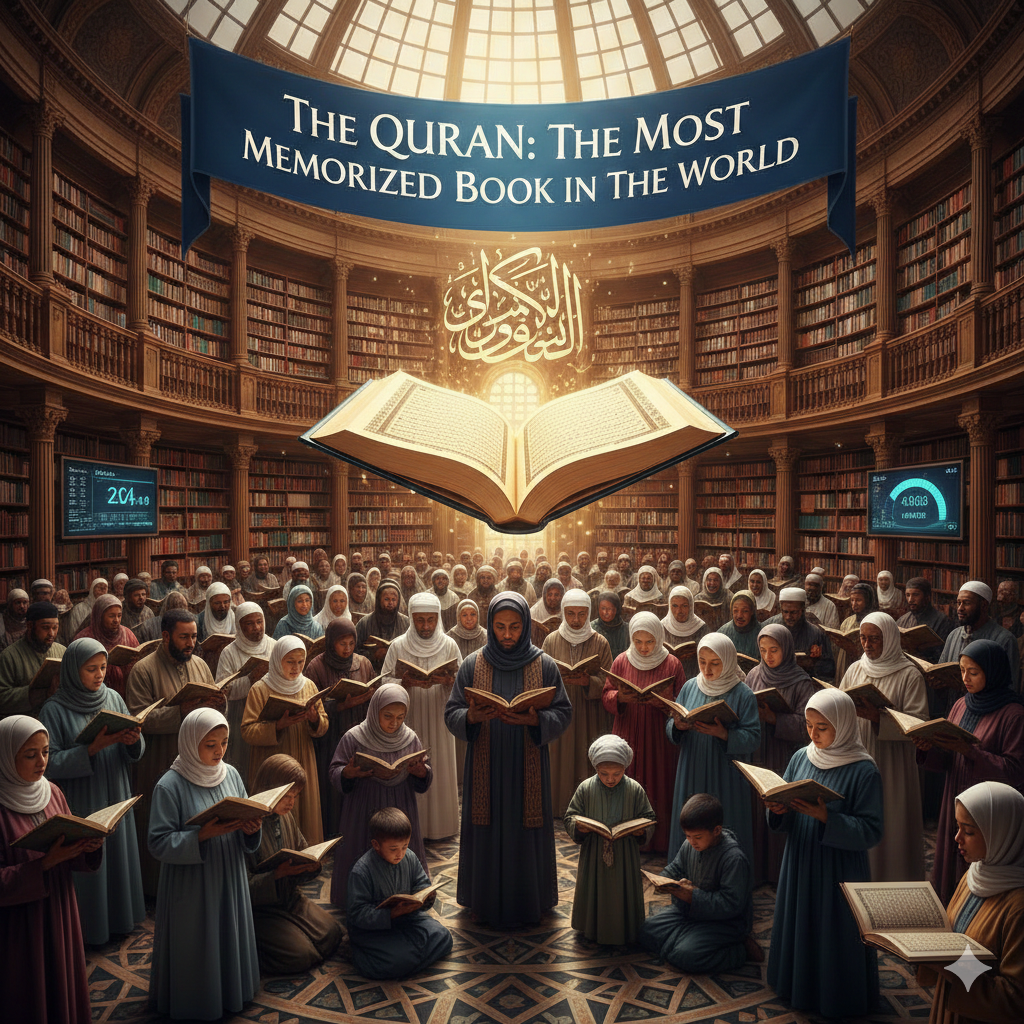
Did you know that the Quran is the most memorized book in the world? Across the globe, millions of Muslims dedicate years of their lives to memorizing every verse of this sacred text. Those who memorize the entire Quran are awarded the prestigious title of “Hafiz,” which is highly respected in Muslim communities.
The act of memorization is not just a physical task but a deeply spiritual journey. Muslims believe that reciting the Quran from memory during daily prayers allows them to connect with Allah and seek guidance.
The widespread practice of memorizing the Quran has played a significant role in preserving it throughout history. In fact, many of the earliest manuscripts of the Quran were recorded through oral recitation before they were written down.
The Quran Has Been Translated into Over 100 Languages
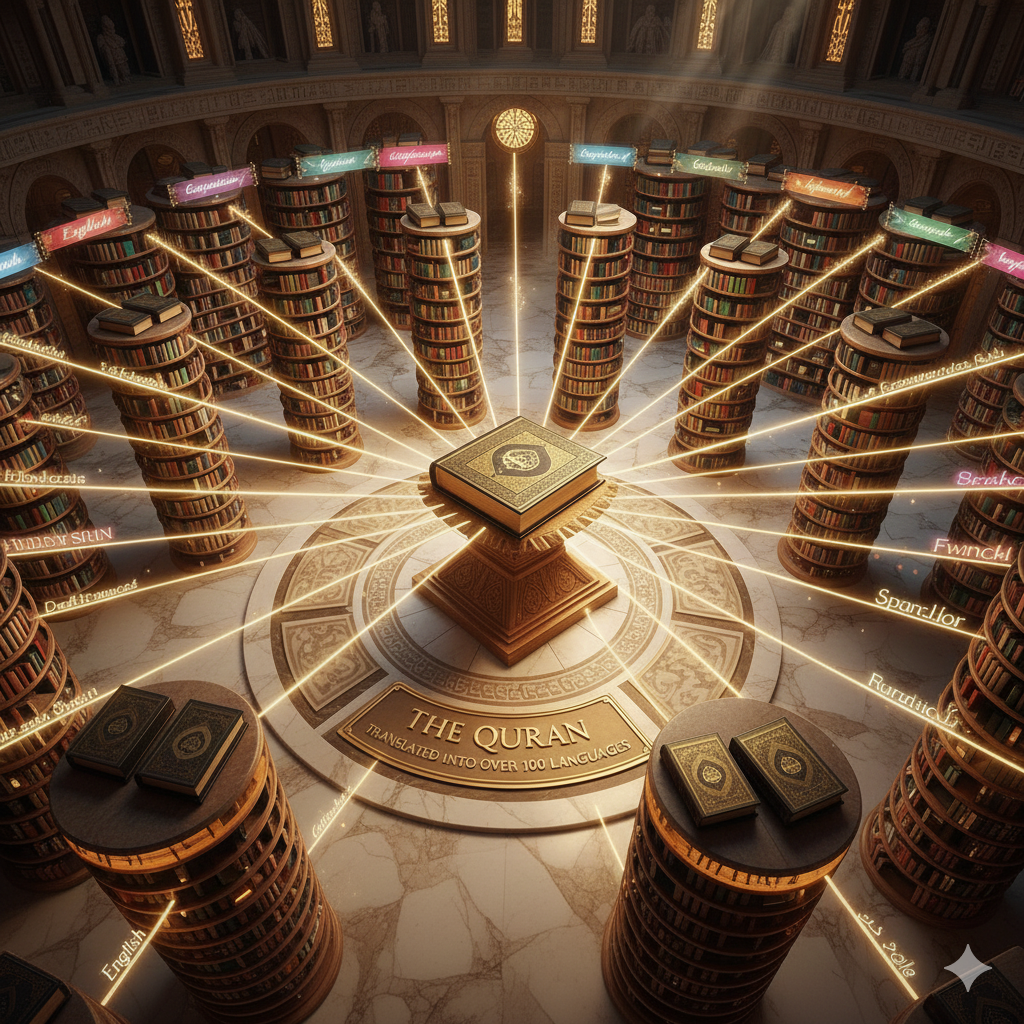
One of the Quran’s most remarkable features is its accessibility to people around the world. Although the Quran was revealed in Arabic, it has been translated into over 100 languages, enabling non-Arabic speakers to engage with its teachings. Whether you’re in the United States, Indonesia, or Sub-Saharan Africa, the Quran’s message is available in your native tongue.
However, while translations make the Quran more accessible, many Muslims believe that its true essence can only be captured in its original Arabic form.
They view translations as interpretations of the meaning, as certain nuances of the language may be lost in the process. Despite this, translations have allowed millions of people from diverse cultural backgrounds to study and appreciate the teachings of the Quran.
The Quran’s Preservation Is Miraculous
The Quran is often regarded as one of the most preserved books in human history. Unlike other religious texts, which have undergone changes and revisions over time, Muslims believe that the Quran has been preserved exactly as it was revealed to the Prophet Muhammad more than 1,400 years ago. This belief is rooted in the conviction that Allah has promised to protect the Quran from any alterations.
The preservation of the Quran can be attributed to two key factors: oral transmission and written documentation of its revelations. During the Prophet Muhammad’s lifetime, his companions memorized the verses and recited them during prayers. In addition, many companions wrote down the revelations, ensuring that the Quran was recorded in both oral and written forms.
The Quran Was Revealed Over 23 Years

Unlike many religious texts, the Quran was not revealed all at once. Instead, the Prophet Muhammad gradually received it over a span of 23 years. The first revelation came in 610 CE when Muhammad was meditating in the cave of Hira, near Mecca. The final revelation occurred shortly before his death in 632 CE.
The gradual nature of the Quran’s revelation was intended to address the challenges and circumstances faced by the early Muslim community. For instance, many Quranic verses were revealed in response to specific events, questions, or issues that arose during the Prophet’s lifetime. This ensured that the Quran remained relevant to the community’s evolving needs, providing guidance on everything from personal conduct to social justice.
The Quran Contains Prophecies
The Quran is not only a book of spiritual and moral guidance but also a book of prophecies. Muslims believe that many of the events and occurrences predicted in the Quran have already come to pass, while others remain to be fulfilled. Some of the Quran’s prophecies concern historical events, such as the rise and fall of empires, while others are more esoteric, addressing the future of humanity.
One of the most famous prophecies in the Quran is the prediction of the Romans’ victory over the Persians, which occurred shortly after the revelation. There are also prophecies regarding the spread of Islam, the victory of truth over falsehood, and the final Day of Judgment.
Conclusion
The Quran is much more than just a religious text; it is a miraculous and timeless guide that has shaped the lives of millions of people for over a millennium.
From its status as the most memorized book in the world to its unaltered preservation, the Quran remains a beacon of spiritual and moral guidance. Its influence on culture, art, and even the daily lives of Muslims is immeasurable, and its prophecies and gradual revelation only add to its mystique.
In exploring these fascinating facts about the Quran, we gain a deeper appreciation for its significance in both religious and historical contexts. Whether through memorization, preservation, or the prophecies it contains, the Quran stands as a testament to divine wisdom and guidance that continues to resonate with people across the globe.