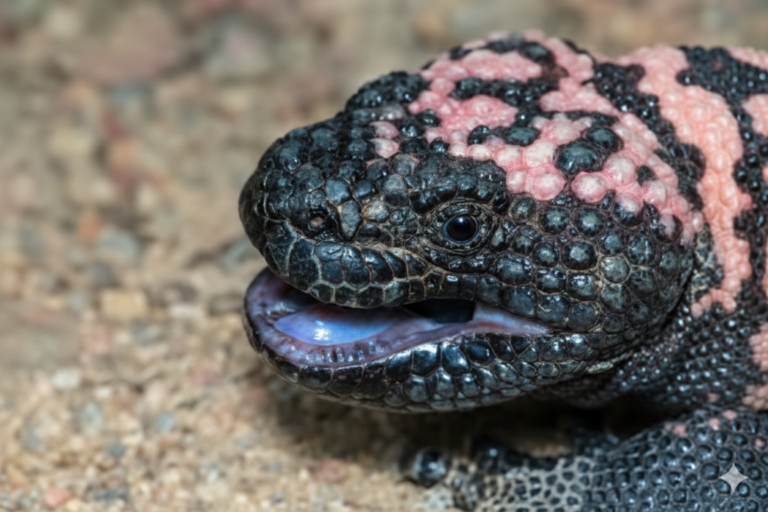
5 Strange Allergies You Won’t Believe Are Real
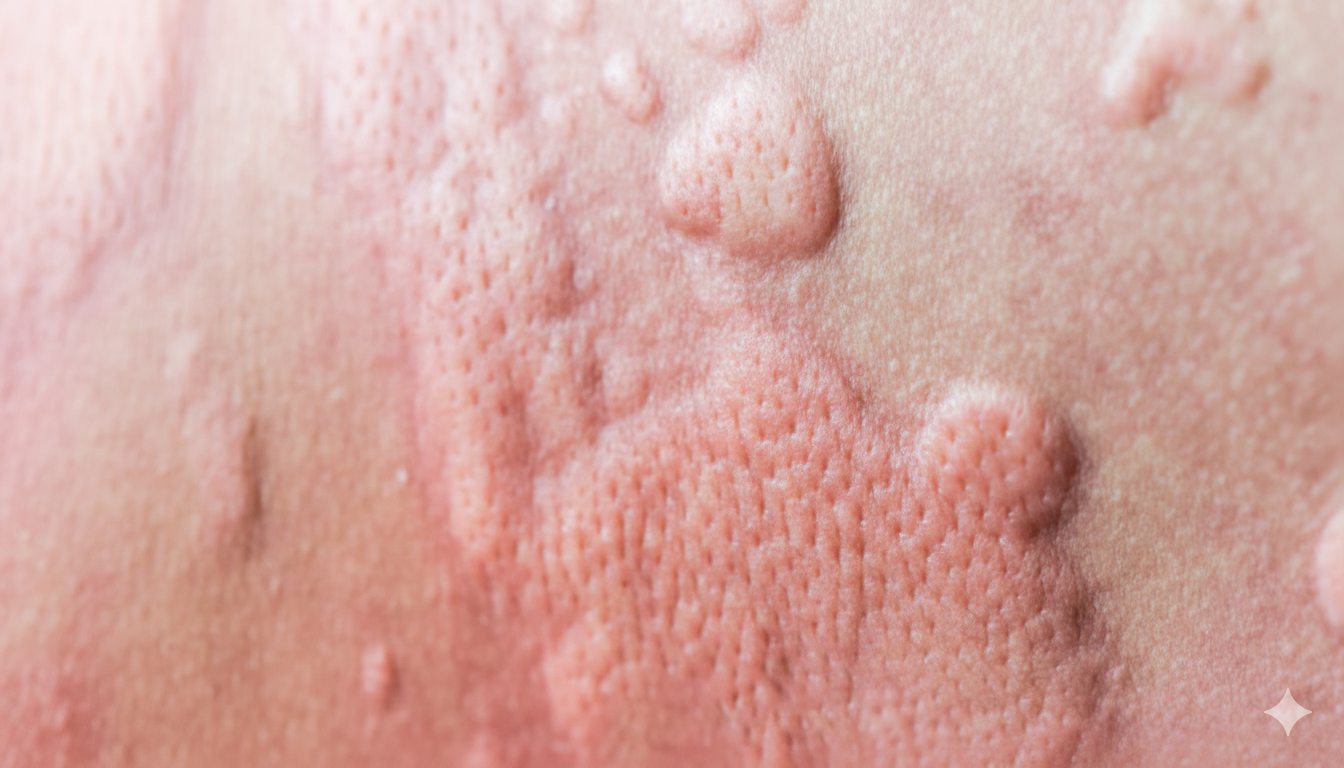
Allergies are a known nuisance, but some of them are so bizarre that they’ll leave you questioning everything you know about the human immune system. While the usual suspects, pollen, peanuts, and pet dander, are common, there are some truly odd allergies that affect people in ways most of us could never imagine. From reactions to sunlight to being allergic to water, these rare conditions can make everyday life unexpectedly challenging.
Cold Urticaria
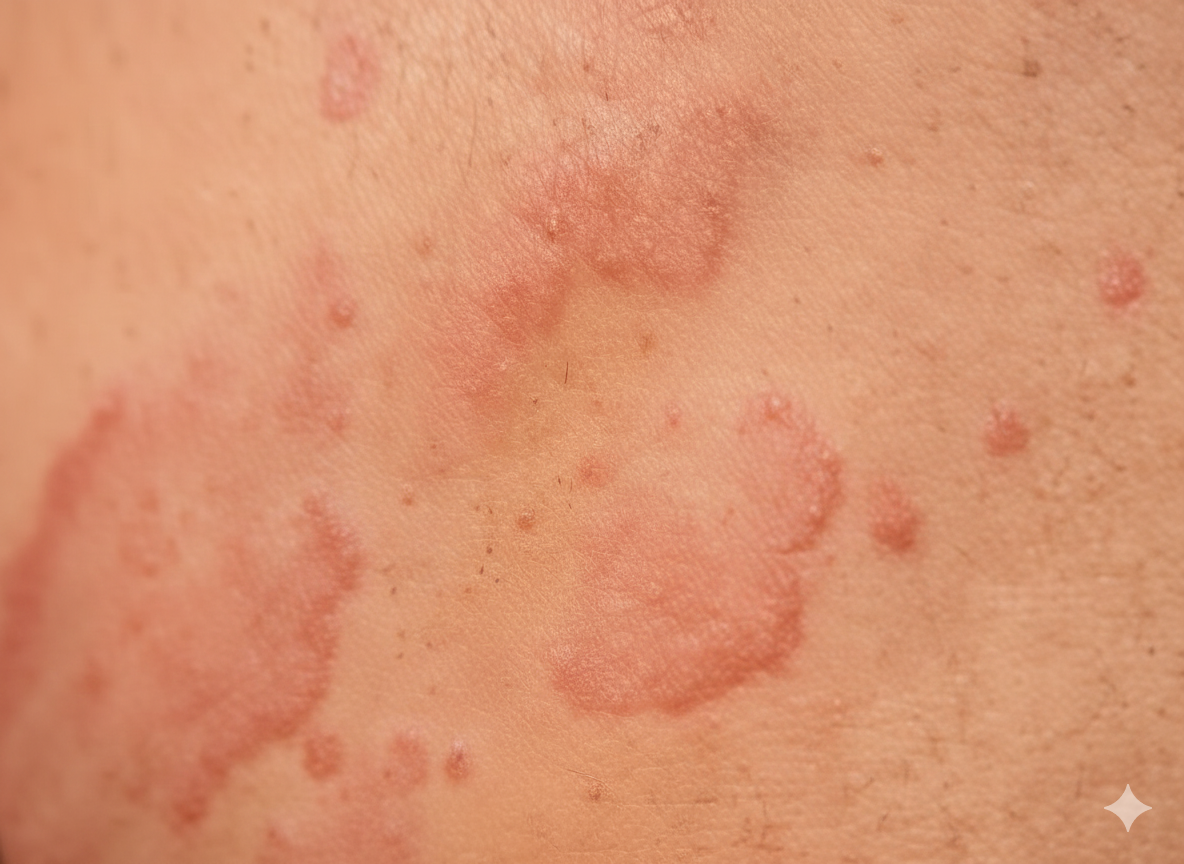
Imagine stepping out into the winter chill and suddenly breaking out in hives. This is the reality for people with cold urticaria, a rare condition in which the body reacts to cold by developing itchy rashes or even severe swelling. This allergy can range from mild skin reactions to life-threatening symptoms, such as fainting or difficulty breathing, especially in extreme cases.
Solar Urticaria
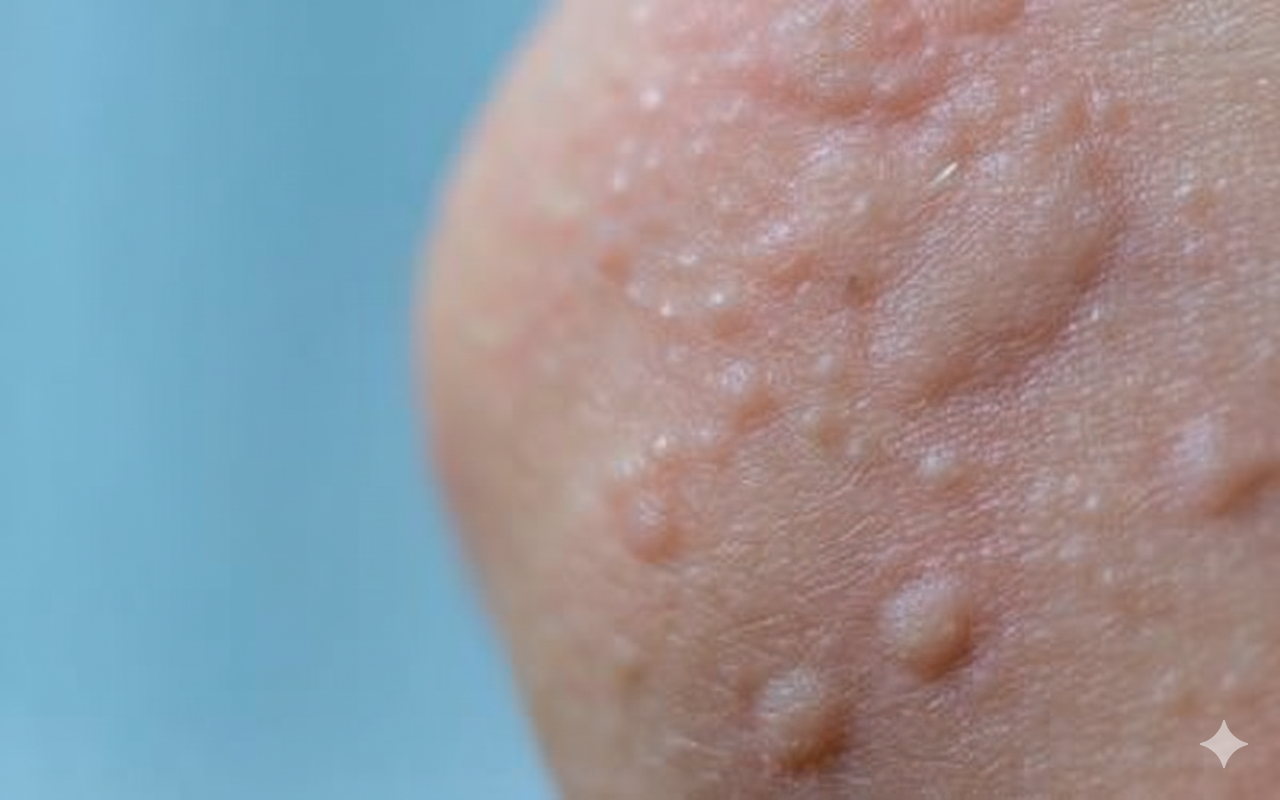
Yes, some people are allergic to sunlight. Solar urticaria is a rare condition in which the skin breaks out in hives upon exposure to natural sunlight or artificial UV light. While most of us enjoy basking in the sun, those with solar urticaria must take extreme precautions to avoid UV exposure.
Aquagenic Urticaria
Water is essential for life, yet some people are allergic to it. Aquagenic urticaria is an extremely rare condition that causes individuals to break out in painful hives whenever their skin comes into contact with water. Yes, even though water makes up a significant portion of our bodies, it can trigger an allergic reaction in some people.
Exercise-Induced Anaphylaxis

Exercise is supposed to be good for your health, but for some people, it can trigger a life-threatening allergic reaction. Exercise-induced anaphylaxis is a rare condition in which physical activity, whether it’s walking, running, or even light exercise, can cause severe allergic reactions, including anaphylaxis. This condition may be triggered by several factors, such as food, medications, or even the weather.
Nickel Allergy
Nickel allergy is one of the most common metal allergies, affecting many people worldwide. The problem arises when individuals come into contact with objects containing nickel, such as jewelry, coins, and some clothing fasteners. Nickel allergy triggers reactions such as red, itchy rashes, blisters, or swelling, which can become uncomfortable and unsightly.
Conclusion
Allergies are often unpredictable, and some can be downright bizarre. From being allergic to something as universal as water to having a reaction to sunlight, these strange conditions remind us of just how unique our bodies can be. While these rare allergies are perplexing, they also serve as a testament to the complexity of the immune system.
If you or someone you know is affected by any of these unusual allergies, it’s crucial to seek proper medical advice and treatment. With the right management strategies and precautions, it is possible to live a fulfilling life even with such rare conditions.
As medical science continues to advance, the hope is that more treatments will become available, offering relief to those suffering from these strange and surprising allergies. Until then, staying informed and cautious is the best way to manage these perplexing conditions.
Read the original article on Crafting Your Home