5 Rare Diseases That Dramatically Alter Your Appearance
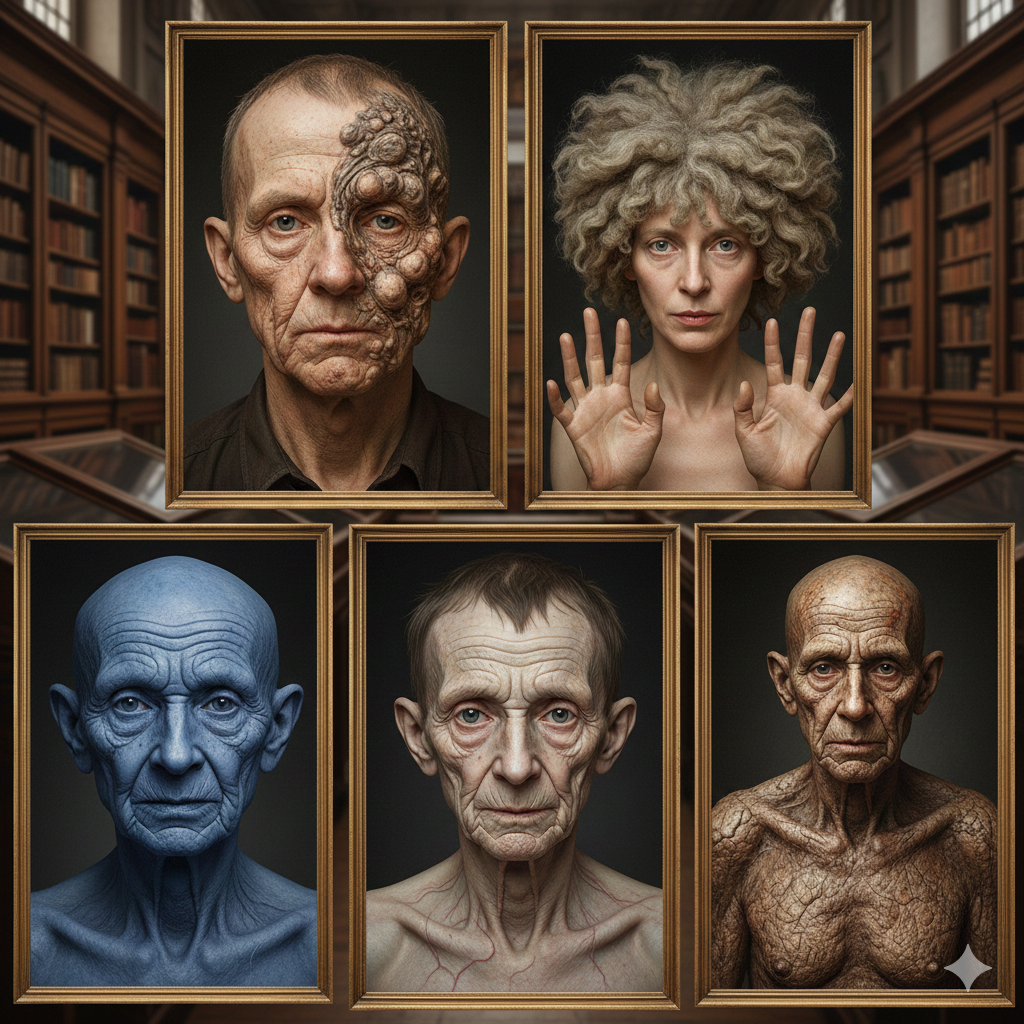
Human beings are wonderfully diverse, with each person showcasing unique physical characteristics. However, some rare diseases cause extreme transformations that can make individuals appear vastly different from the typical norms. These conditions, though rare, have intrigued medical professionals and laypeople alike for centuries, often leading to social stigma but also fostering a better understanding of human genetics and medical science.
Argyria
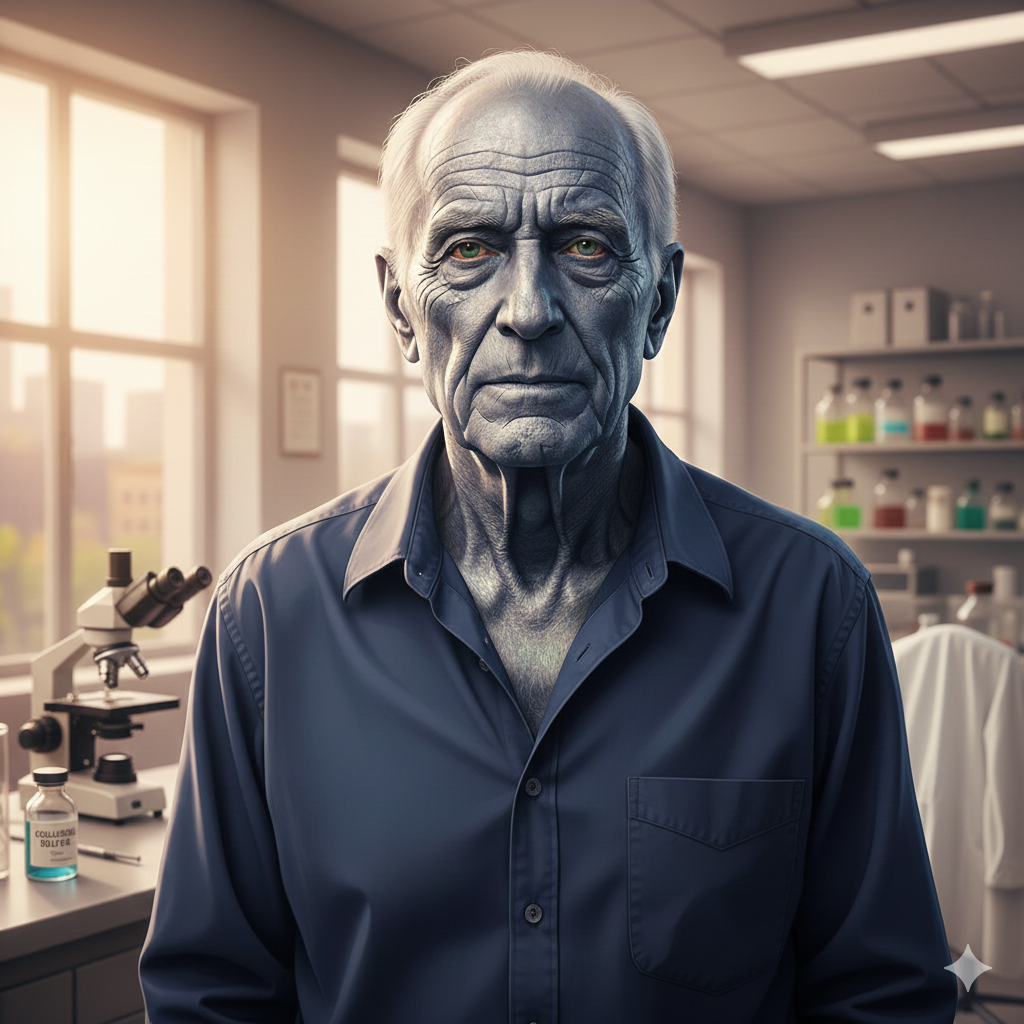
Argyria is a rare condition that causes the skin to turn blue or gray. This happens when a person is exposed to excessive amounts of silver or silver compounds, either through topical treatments or oral ingestion. The condition is most commonly caused by silver-based medications, cosmetics, or other products containing silver.
The accumulation of silver in the body causes it to deposit in the skin, turning it bluish-gray. The pigment produced by this buildup is permanent and irreversible, even if the silver exposure ceases. Although it’s not harmful to a person’s overall health, the appearance of blue skin can lead to significant social and psychological challenges for those affected.
Ichthyosis
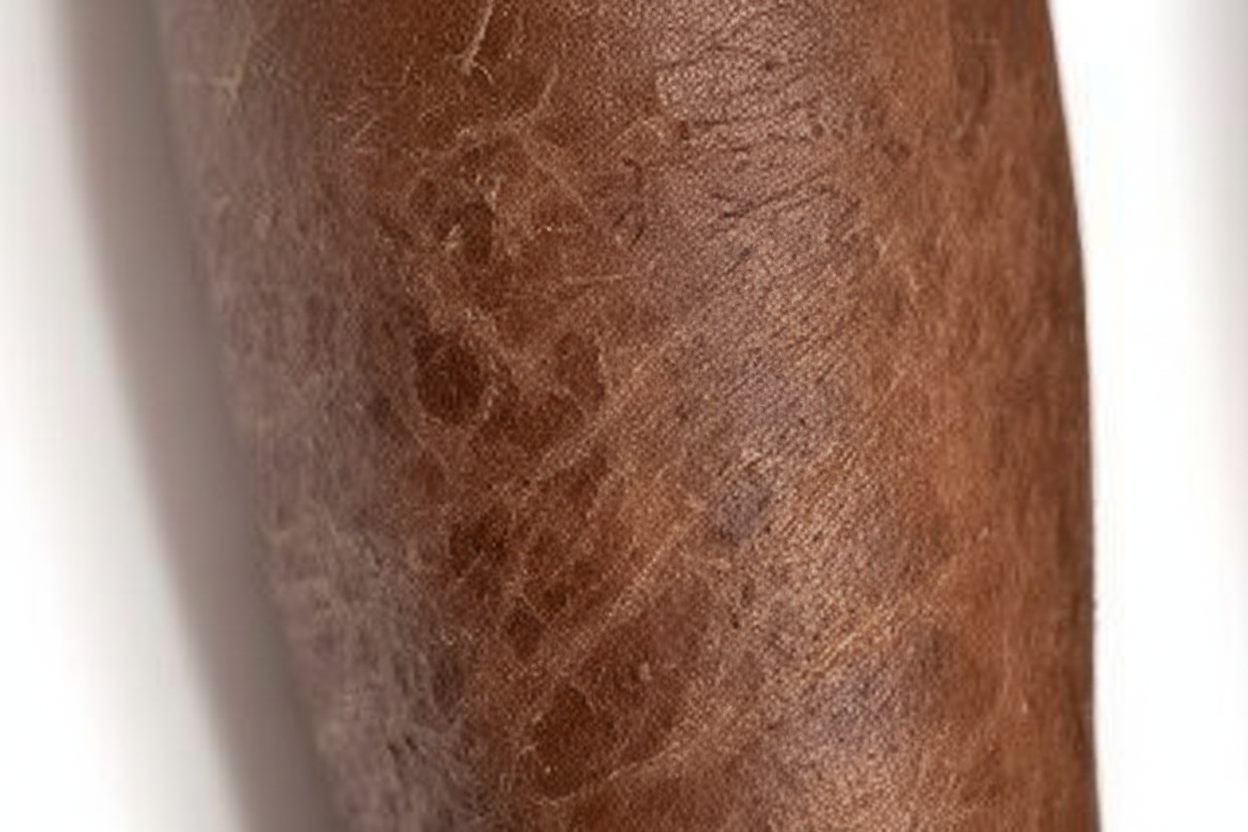
Ichthyosis is a family of skin disorders that cause the skin to thicken and form dry, scaly patches that can resemble fish scales. The most common type, Ichthyosis Vulgaris, is typically mild and causes the skin to become dry and rough, particularly on the arms, legs, and torso. This form of ichthyosis can be managed with moisturizing treatments, but it can still lead to embarrassment and social difficulties.
However, some forms of ichthyosis, like Harlequin-type Ichthyosis, are much more severe and can even be life-threatening. Individuals born with this rare and severe type of ichthyosis may have thick, rigid skin that can impair movement and breathing. Babies with this condition often face severe health challenges in the early stages of life, though improvements in medical care have allowed for longer lifespans.
Hypertrichosis
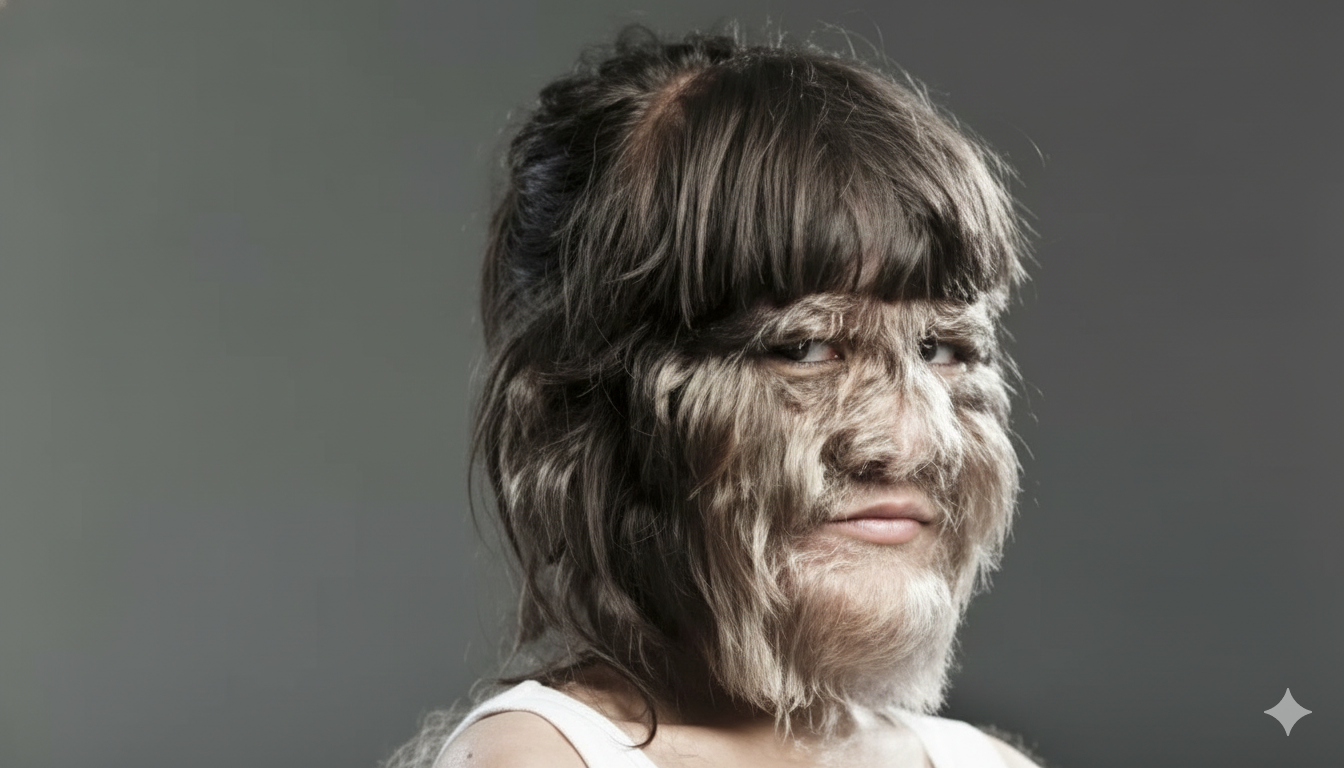
Hypertrichosis is an extremely rare condition that causes excessive hair growth on the face and body. This condition can occur at birth or develop later in life, and it often results in a thick layer of hair covering the face, arms, or even the entire body. It is sometimes referred to as “Werewolf Syndrome” because of the resemblance to the legendary creatures of folklore.
Though hypertrichosis can be localized to certain areas, in its most severe form, it can affect the entire body, giving individuals an appearance similar to that of a human wolf. Unlike most people, individuals with hypertrichosis can grow hair where others cannot, such as on the palms of the hands or soles of the feet.
Acromegaly
Acromegaly is a condition that results from an overproduction of growth hormone, often due to a benign tumor in the pituitary gland. The excess growth hormone causes abnormal enlargement of bones and tissues, particularly in the hands, feet, and face. This condition leads to dramatic changes in appearance, most notably in the jaw, brow, and hands.
One of the most famous people with acromegaly was the professional wrestler André the Giant. His immense size, caused by acromegaly, made him a beloved figure in the world of wrestling and beyond. Though acromegaly can cause significant physical changes, not all individuals with the condition experience the same degree of transformation. Some people may notice only mild symptoms, such as enlarged hands or feet, while others may experience more severe changes to their face and overall body size.
Xeroderma Pigmentosum
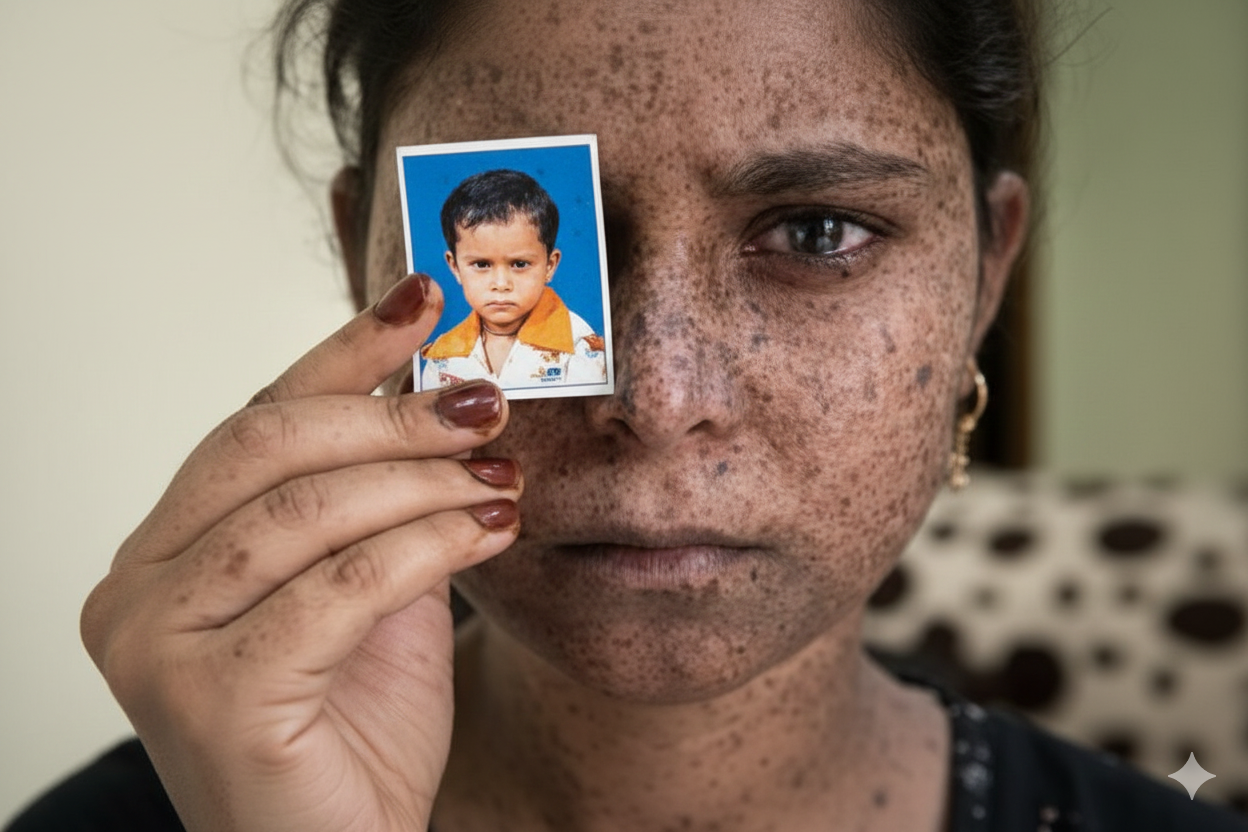
Xeroderma Pigmentosum (XP) is an extremely rare genetic disorder that impairs the body’s ability to repair DNA damage caused by ultraviolet (UV) light. As a result, individuals with XP are highly sensitive to sunlight and must avoid UV exposure at all costs. XP is often called the “Vampire Disease” due to its severe sun sensitivity.
People with XP experience skin damage upon exposure to sunlight, including painful sunburns, premature aging, and an increased risk of skin cancer. In fact, individuals with XP can develop skin cancer at a much earlier age than the general population. To prevent the damaging effects of UV radiation, those with XP often wear full-body suits, hats, and gloves, and may remain indoors during daylight hours.
Conclusion
Rare diseases that alter a person’s appearance often present significant challenges for those affected, both physically and socially. However, they also provide us with a deeper understanding of the human body’s complexities and the incredible diversity that exists within it. Although conditions like Argyria, Ichthyosis, and Acromegaly may be rare, they serve as reminders of the resilience of those living with them.
Advancements in medical research continue to improve the lives of individuals with rare diseases, offering them better treatments and support systems. These rare conditions often break conventional beauty standards, but they also demonstrate that the human body is capable of much more than we can comprehend. People with these conditions are just as unique as their physical characteristics, and society is slowly learning to embrace these differences rather than stigmatize them.
As we continue to explore these rare diseases and their effects on appearance, it is crucial to approach them with empathy and understanding. The ability to appreciate diversity in all its forms allows us to create a more inclusive society, one where everyone is celebrated for their uniqueness.
Read the original article on Crafting Your Home