5 Plants to Effectively Repel Ticks and Keep Your Yard Safe
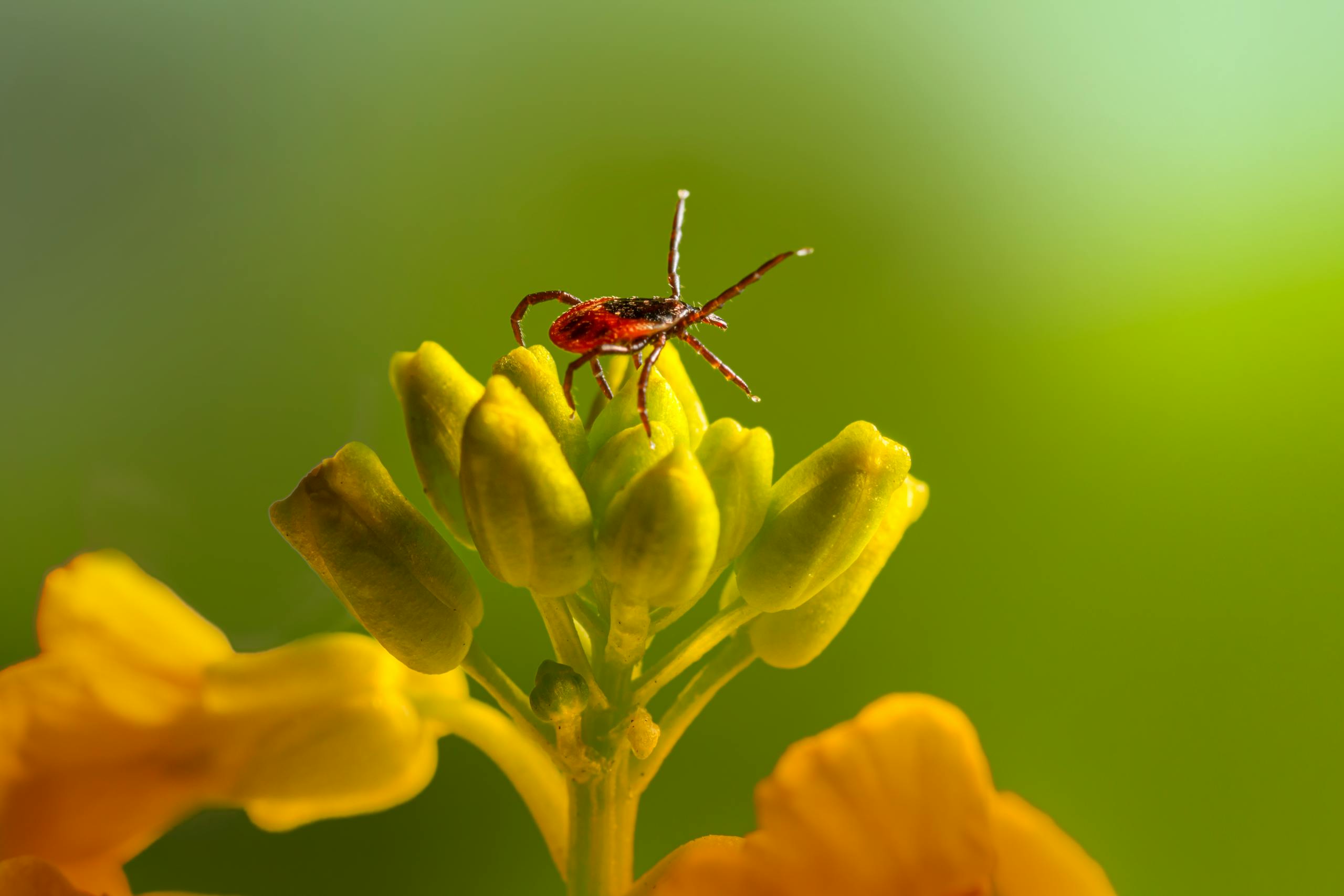
As the temperatures rise and outdoor activities increase, ticks become a significant concern. These tiny pests are not only an annoyance but can also transmit serious diseases like Lyme disease, babesiosis, and Rocky Mountain spotted fever.
The good news? You don’t need to rely on harsh chemicals to keep them at bay. Instead, you can turn your garden into a tick-repellent haven by strategically planting certain plants known to repel these dangerous pests.
By adding these five plants to your yard, you can reduce the risk of ticks while enhancing the beauty of your outdoor space.
Rosemary (Salvia rosmarinus)

Rosemary is not only a culinary favorite but also a powerful tick repellent. The strong, aromatic oils in rosemary interfere with the sensory mechanisms of ticks, preventing them from finding hosts like deer or rodents. This natural barrier makes rosemary an excellent addition to any yard concerned about tick activity.
How to Grow Rosemary
Rosemary thrives in well-draining, sandy, loamy soil and needs full sunlight to grow. It can reach up to 6 feet tall, making it perfect for adding height and structure to your garden. Be sure to prune regularly to maintain the plant’s shape and encourage fresh growth.
Best for: Well-draining sandy soil, full sun
Hardiness Zones: 8 to 10
Mint (Mentha)
Mint is more than just a fragrant herb for your kitchen—it’s also a formidable natural repellent against ticks. With its refreshing aroma, mint not only deters ticks but also adds a vibrant touch to your garden.
The only downside? Mint is known for its rapid growth, so it’s best planted in containers to keep it contained.
How to Grow Mint
Mint grows best in partial shade to full sun and moist, loamy, well-draining soil. Be careful not to overwater, as mint prefers slightly dry soil. Regular harvesting will keep the plant from becoming leggy and help you enjoy fresh mint for your recipes.
Best for: Partial shade to full sun, moist, loamy soil, containers
Hardiness Zones: 3 to 11
Lemongrass (Cymbopogon citratus)
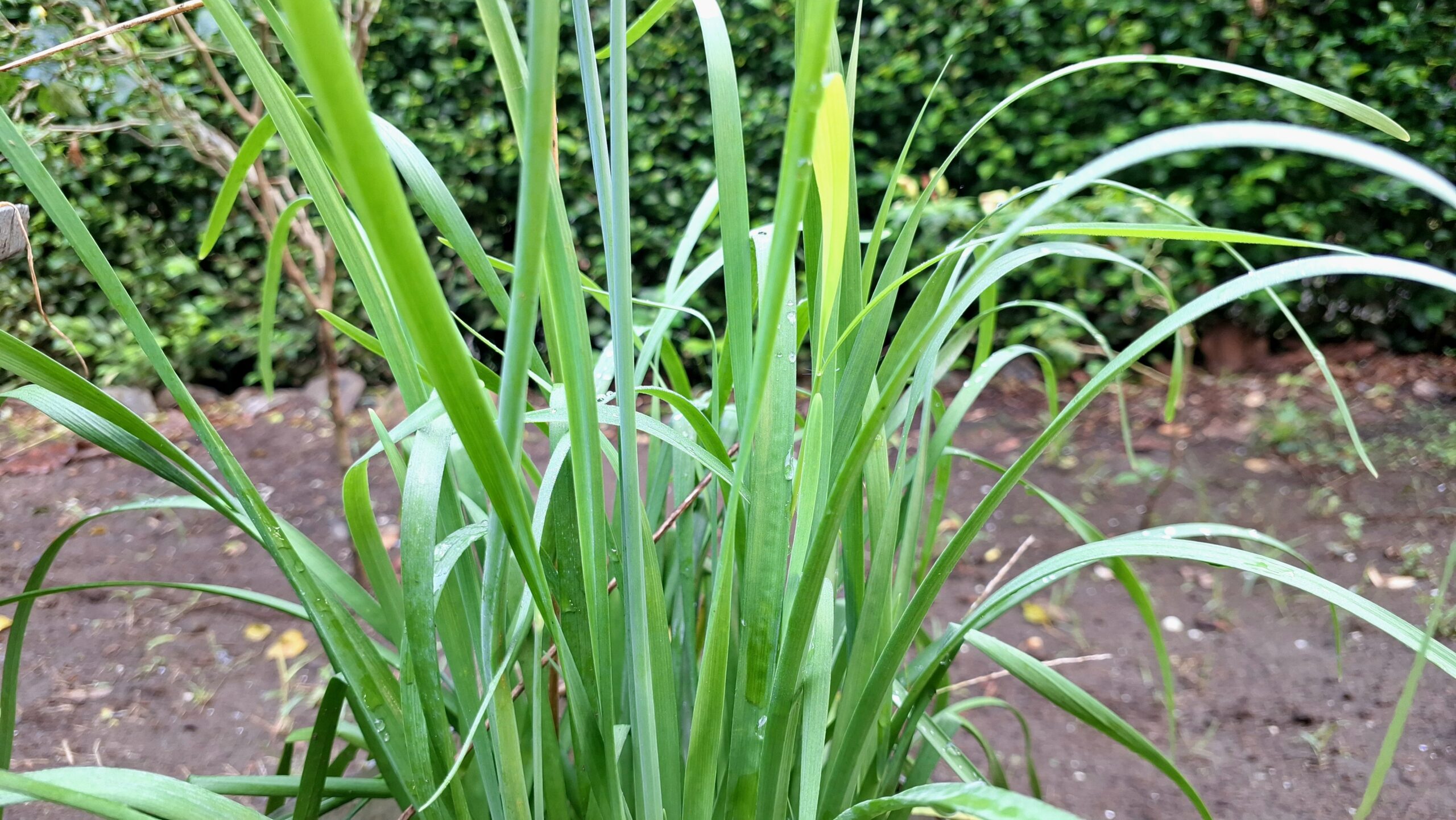
Lemongrass is well known for its citronella content, which repels not just ticks but mosquitoes as well.
This ornamental grass can reach up to 4 feet tall and provides a lovely addition to your garden while keeping ticks away with its strong citrusy scent.
How to Grow Lemongrass
Lemongrass prefers full sun and rich, loamy, well-drained soil. It’s important to water regularly, especially during dry spells, and to divide the plant every 2 to 3 years to maintain its health. With the right care, lemongrass can thrive and create a natural barrier against ticks.
Best for: Full sun, rich, loamy soil
Hardiness Zones: 8 to 11
Lavender (Lavandula)
Lavender is famous for its fragrant, purple flowers, and it’s not just humans who enjoy the scent—ticks avoid it entirely. The aromatic oils in lavender repel ticks, while its scent also keeps deer, which often host ticks, at a distance.
How to Grow Lavender
Lavender prefers full to partial sun and well-drained, sandy, loamy soil. Avoid overwatering, as lavender is susceptible to root rot in soggy conditions. To promote healthy growth, prune lavender in early spring and remove any dead stems.
Best for: Full to partial sun, well-draining soil
Hardiness Zones: 5 to 10
Marigold (Tagetes)
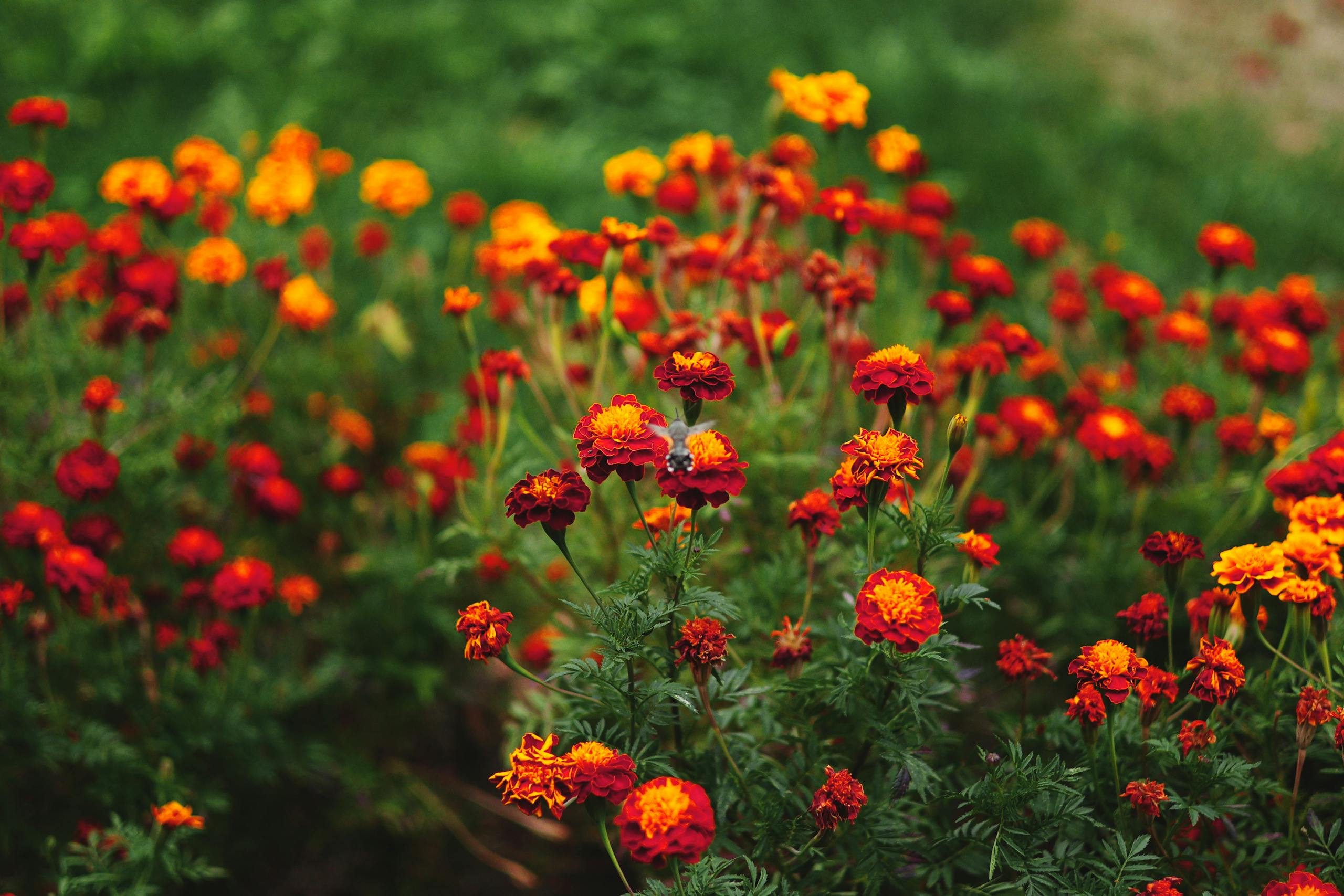
Marigolds are known for their bright, colorful blooms and their ability to repel insects. The pyrethrum in marigold flowers acts as a powerful deterrent for ticks and other pests, making them an ideal choice for keeping your yard tick-free.
How to Grow Marigolds
Marigolds thrive in full sun and well-drained soil. These plants are easy to grow from seed and can be planted directly in the ground after the last frost. Regular watering ensures healthy blooms, which will last all season.
Best for: Full sun, well-draining soil
Hardiness Zones: 2 to 11 (annuals), 8 to 11 (perennials)
Conclusion
By choosing the right plants for your yard, you can protect your family and pets from ticks without relying on harsh chemicals. Plants like rosemary, mint, lemongrass, lavender, and marigolds offer a natural and beautiful way to keep ticks at bay.
Start planting these tick-repellent plants today to enjoy a safer, more enjoyable outdoor space.
Read the original article in Crafting Your Home.