


Ants are a common nuisance in many gardens, and while they may not always cause direct harm to plants, their presence can lead to a host of issues.
These tiny creatures are attracted to plants that produce sweet nectar, particularly those that attract aphids or other pests, which ants then protect in exchange for the sugary secretion they produce.
Understanding which plants tend to attract ants can help you take preventive measures to keep your garden ant-free. Below are five common plants that ants love, along with strategies to deter them from invading your space.
Peonies (Paeonia spp.)

Peonies are stunning perennial flowers that are famous for attracting ants. These plants produce a sugary nectar that is irresistible to sugar-loving ants like Argentine ants and odorous house ants. Peonies release nectar from specialized glands located on their buds, which draws ants to their blooms.
How to Keep Ants Away:
- Diatomaceous Earth: Sprinkle this around the base of peonies to create a barrier that ants cannot cross. It’s safe for both plants and humans.
- Essential Oils: Use peppermint or rosemary oil as a natural repellent. Mix it with water and spray the affected area.
- Cinnamon & Coffee Grounds: These aromatic substances are great for disrupting ant trails, discouraging them from settling near your plants.
Roses (Rosa spp.)
Roses are another plant that frequently attracts ants, especially because they secrete nectar from glands on their buds and sepals. This sweet liquid is a food source for ants, which are often seen crawling over rose petals.
Furthermore, roses are prone to aphid infestations, which only amplify the problem. Aphids excrete a sticky sap, or honeydew, which ants find irresistible.
How to Keep Ants Away:
- Prune Regularly: Ensure that your rose bushes are regularly pruned and free from aphids.
- Sticky Traps: For fruit trees and other susceptible plants, use sticky tape around the base to keep ants from climbing.
- Herbal Deterrents: Plant strong-smelling herbs like lavender and basil nearby to mask the scent of nectar.
Hibiscus (Hibiscus spp.)
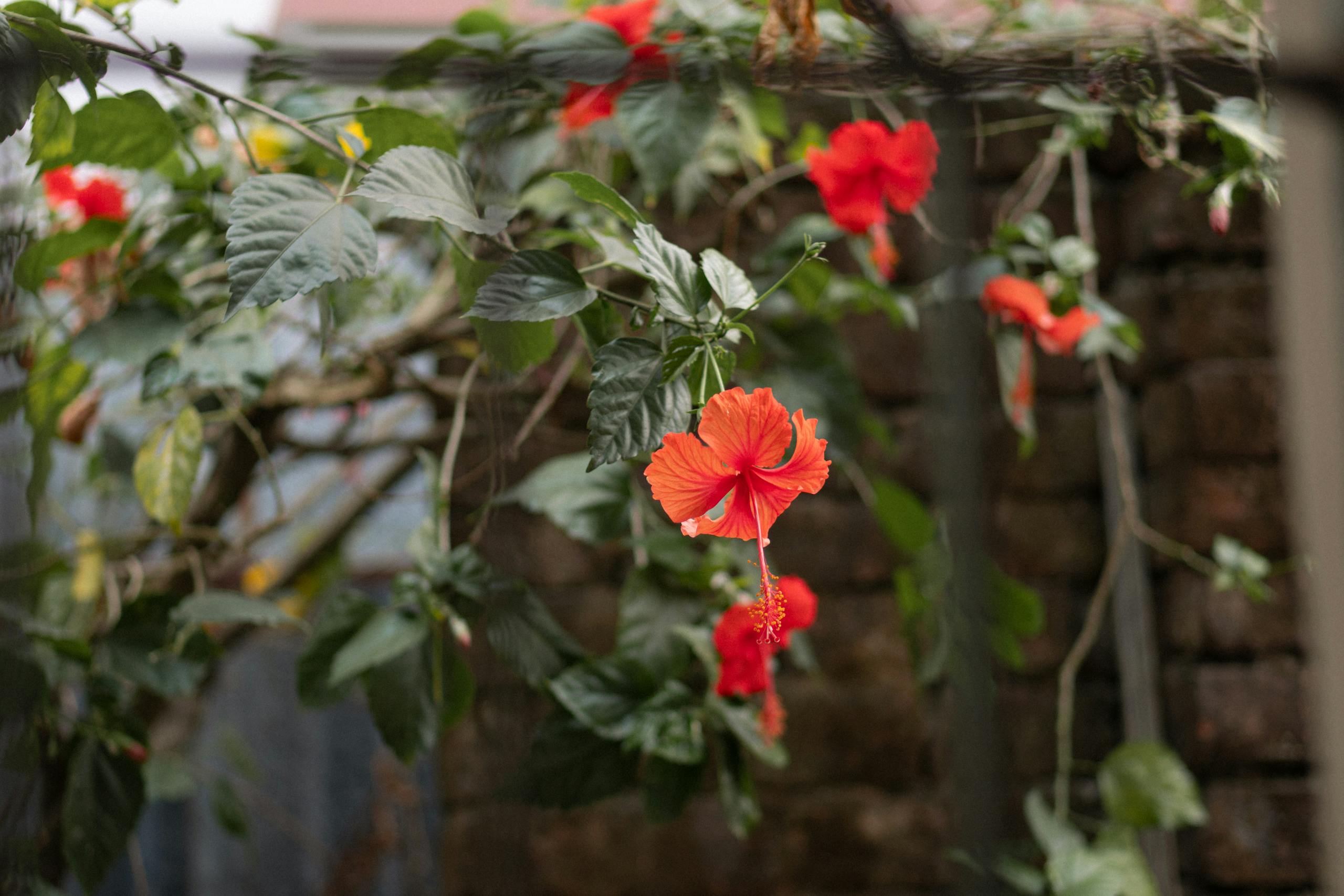
Hibiscus plants are another favorite for ants, primarily due to their tendency to host aphid populations. Ants are attracted to the sugary honeydew produced by aphids and often protect them from predators, creating a mutually beneficial relationship.
This can lead to a heavy ant infestation around the hibiscus plant, damaging the aesthetic appeal of your garden.
How to Keep Ants Away:
- Watering: Spray water directly on hibiscus leaves to remove aphids naturally.
- Vinegar Solution: A diluted vinegar solution can be sprayed around the base of the hibiscus plant to deter ants from approaching.
- Mulch Carefully: Keep mulch away from the stems to prevent ants from nesting in the damp environment.
Sunflowers (Helianthus spp.)
Sunflowers are beloved by ants due to their extrafloral nectaries—small spots on the stem or leaves that secrete sugary nectar.
This substance is particularly attractive to ants like pavement ants and acrobat ants. In addition to the nectar, aphids and treehoppers that drink from the plant’s sap further encourage ant activity.
How to Keep Ants Away:
- Sticky Tape on Stems: Place strips of sticky tape around the stems of sunflowers to prevent ants from climbing up.
- Essential Oils: Rosemary or thyme oils sprayed around the base of sunflowers will create a strong scent barrier.
- Regular Pruning: Prune the sunflower to keep any aphid population in check, reducing the amount of honeydew available for ants.
Fruit Trees (Citrus, Apple, Mango, and More)

Fruit trees, including citrus, apple, and mango trees, can be magnets for ants. The sweet nectar from aphids and mealybugs, along with overripe fruit that falls from the trees, invites ants into your garden. Ghost ants, Argentine ants, and big-headed ants are commonly drawn to these trees, especially during the fruiting season.
How to Keep Ants Away:
- Pick Up Fallen Fruit: Regularly remove fallen fruit to eliminate a food source for ants.
- Sticky Traps: Use sticky strips on tree trunks to catch ants as they climb.
- Spray Diluted Citrus Solution: Citrus-based solutions work well as a natural repellent for ants.
General Tips to Prevent Ant Infestations
Aside from dealing with specific plants, here are a few general strategies to reduce ant populations in your garden:
- Cinnamon or Crushed Mint: Sprinkle cinnamon or crushed mint around plant bases to disrupt ant trails and keep them at bay.
- Diatomaceous Earth: This naturally occurring substance is excellent for creating a barrier around plants that ants will avoid.
- Natural Predators: Encourage the presence of natural predators, such as ladybugs, to keep aphid populations under control.
- Prune Regularly: Keep plants well-maintained and free of aphids, mealybugs, and other pests that attract ants.
Preventing Ants in the Long Term
By being proactive and using a combination of physical barriers, natural repellents, and plant management, you can significantly reduce the likelihood of ants taking over your garden.
With these preventive measures, you can maintain a healthy, ant-free landscape that allows you to enjoy your plants without the inconvenience of ant infestations.
Conclusion
Ants, while often a natural part of any garden ecosystem, can quickly become a nuisance when they start invading your plants. Understanding which plants are most attractive to ants is essential in managing and preventing infestations.
Peonies, roses, hibiscus, sunflowers, and fruit trees are among the most common plants that ants are drawn to, primarily due to their sugary nectar or the presence of aphid populations that ants depend on for their food source.
By using natural deterrents like diatomaceous earth, essential oils, and cinnamon, as well as regularly pruning plants and removing fallen fruit, you can keep ants from ruining the aesthetic of your garden or home.


