5 Frozen Meals Seniors Should Avoid
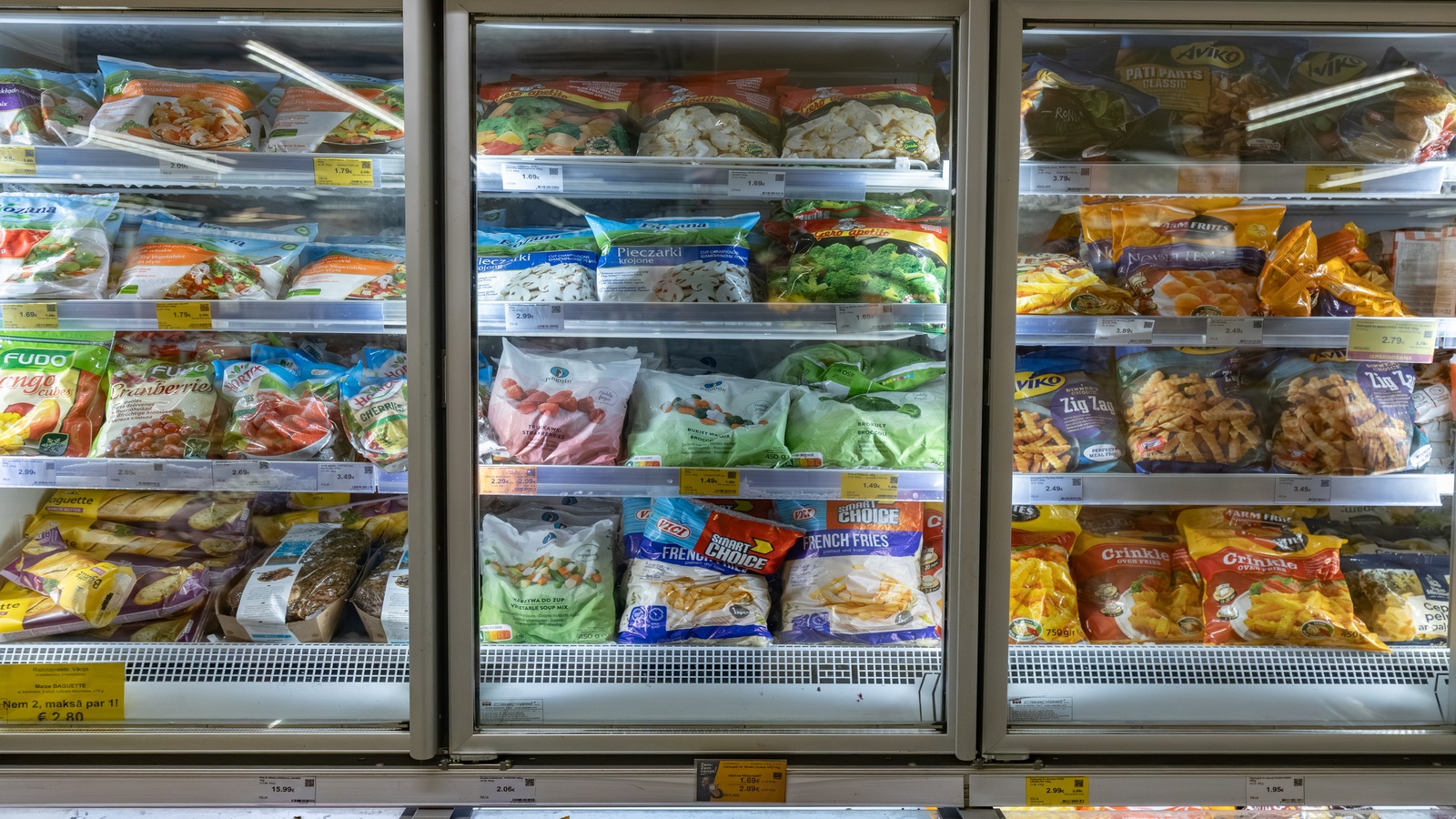
Frozen “TV dinners” can quietly pack a day’s worth of salt into a single tray. One review found some frozen meals topping 2,000 milligrams of sodium per serving, nearly the American Heart Association’s recommended daily max for adults, which is especially risky for seniors with high blood pressure.
Frozen meals are a convenient, quick option for many seniors, but not all are created equal. Some of them contain high levels of sodium, unhealthy fats, and preservatives that can harm health, especially in older adults.
While frozen meals offer convenience, it’s essential to be mindful of their nutritional content, as they may not always align with seniors’ dietary needs. Here are five frozen meals seniors should avoid to maintain their health and well-being.
Frozen Dinners with High Sodium Content
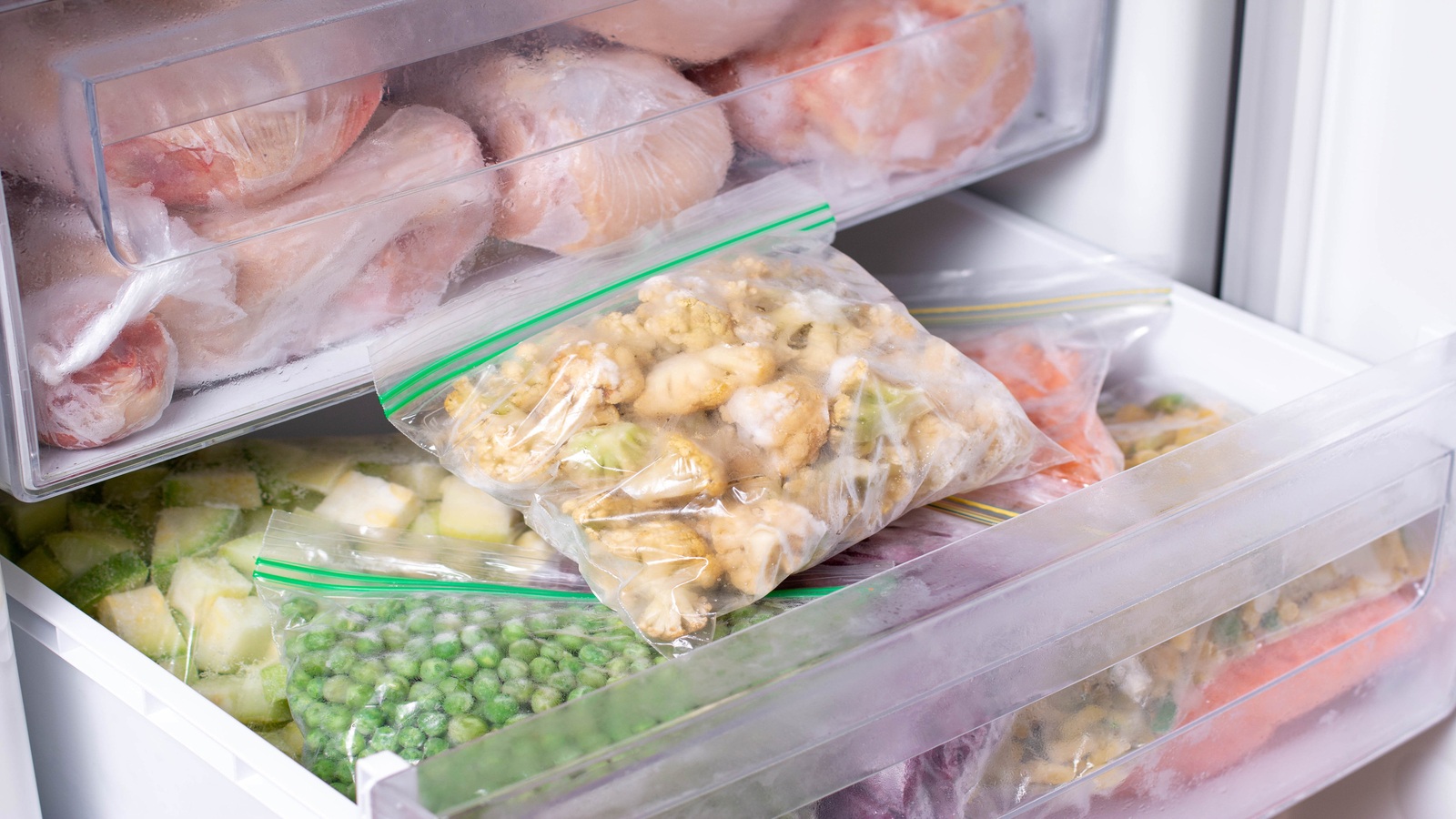
Data from a 2022 analysis of supermarket frozen meals found that individual entrées can contain up to 1,630 milligrams of sodium per serving, which already exceeds the American Heart Association’s ideal daily sodium limit of 1,500 milligrams for many older adults.
Consuming excessive sodium can lead to high blood pressure, heart disease, and kidney problems, all of which can have severe consequences for older adults. It’s essential to check the nutrition label and avoid meals with more than 600-700 mg of sodium per serving.
Frozen Pizza with Processed Meat
Frozen pizzas might be the most leisurely dinner in the freezer case, but they can quietly deliver a serious cardiovascular hit. A single 12‑inch frozen pepperoni pizza can pack more than 3,000 milligrams of sodium plus hefty saturated fat from processed meats like pepperoni and sausage, far exceeding what heart specialists recommend older adults eat in an entire day.
Consuming processed meats regularly can increase the risk of heart disease and stroke, especially when combined with other high-fat ingredients in pizza. Opting for vegetarian pizza options or homemade versions with fresh ingredients can be a healthier choice.
Frozen Breakfast Sandwiches
Frozen breakfast sandwiches with sausage, bacon, and cheese can pack 700–900 milligrams of sodium and more than half a day’s worth of saturated fat in a single serving, while typically offering only a gram or two of fiber and very few essential vitamins for seniors.
Though convenient, these sandwiches are not the best option for promoting heart health or maintaining a balanced diet. A better option would be to prepare homemade sandwiches using whole grains, lean protein, and vegetables for a more nutritious meal.
Frozen Casseroles with Cream Sauces
Many frozen casseroles feature cream-based sauces that are high in saturated fats and calories. While these dishes may seem comforting, they can contribute to weight gain and increase the risk of diabetes, heart disease, and other health problems.
These high-fat meals also often contain minimal vegetables or other nutrient-rich ingredients, leaving seniors with fewer essential nutrients. Instead, opt for casseroles made with lean proteins, whole grains, and vegetables for a healthier, balanced option.
Frozen Fish Fillets with Breading
Data from analyses of cooking methods shows that deep‑frying fish can reduce omega‑3 fats and heat‑sensitive vitamins by as much as 50–80%, leaving breaded frozen fillets with far fewer of the heart‑ and brain‑healthy nutrients seniors expect from fish.
Regular consumption of fried foods can lead to obesity and increase the risk of high cholesterol and heart disease. A better option is to look for grilled or baked fish or prepare fish at home to control the ingredients.
Key Takeaway

While frozen meals can offer convenience, seniors should be cautious about the ingredients in these products. High levels of sodium, unhealthy fats, and artificial additives can negatively impact health, especially for older adults. By choosing meals that include whole foods, lean proteins, and vegetables, seniors can maintain a more balanced, nutritious diet.