5 Foods That Reduce Inflammation Naturally

Inflammation is the body’s natural response to injury or infection, but when it becomes chronic, it can contribute to a range of health issues, from arthritis to heart disease. While medications can help manage inflammation, a more natural approach through diet can also play a vital role in reducing inflammation and promoting overall well-being.
Here are five foods known for their powerful anti-inflammatory properties that can help your body fight inflammation naturally.
Turmeric
Turmeric is a golden spice that has been used for centuries in traditional medicine, and for good reason. Its active compound, curcumin, has potent anti-inflammatory properties. Curcumin helps block inflammatory molecules in the body, which can alleviate symptoms of conditions like arthritis, digestive issues, and even heart disease.
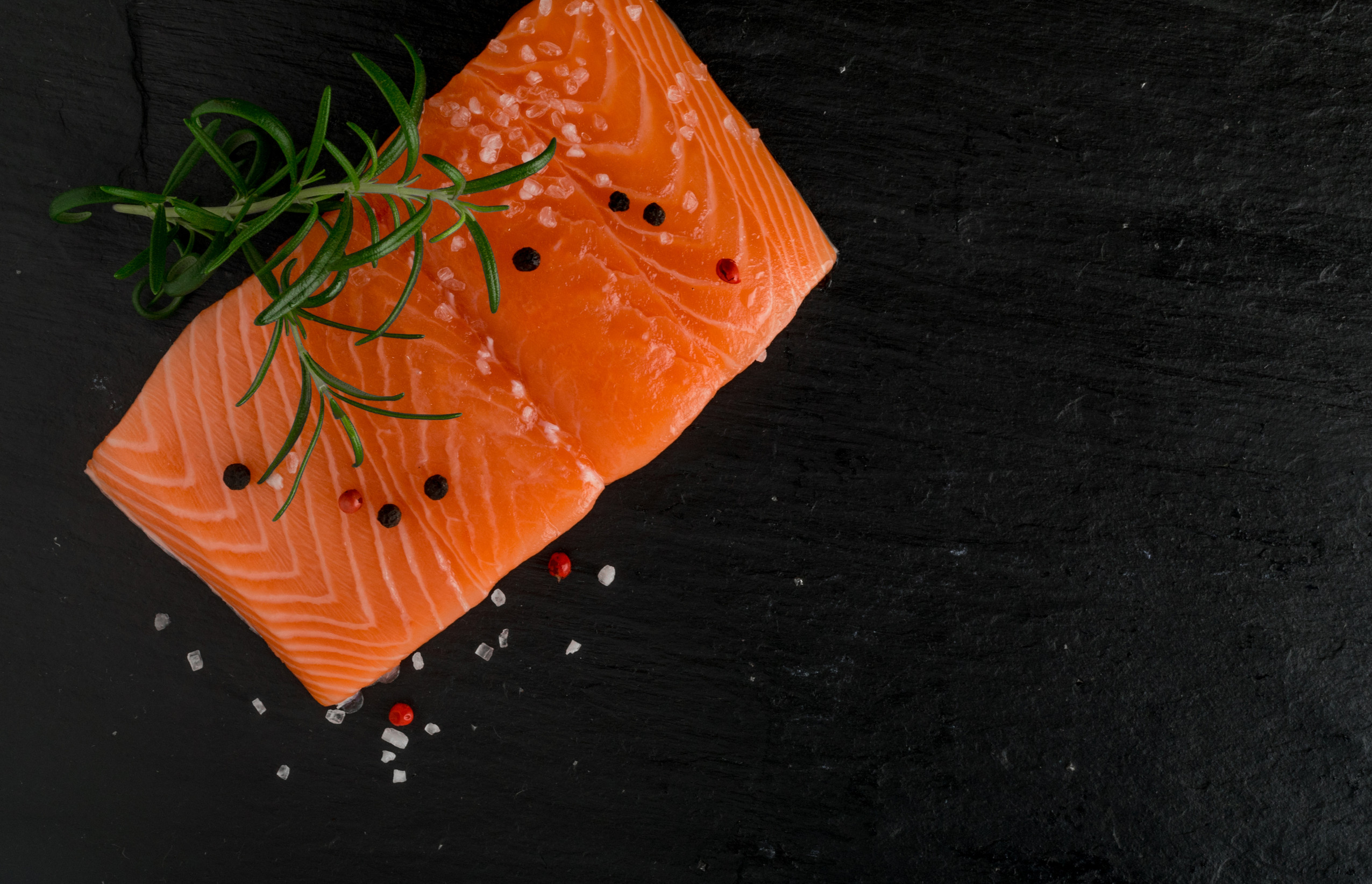
Fatty Fish
Berries

Berries like blueberries, strawberries, and raspberries are packed with antioxidants, particularly flavonoids, which have been shown to have anti-inflammatory effects. These compounds neutralize free radicals, which are harmful molecules that can increase inflammation in the body.
Ginger
Ginger, a root often used in cooking and herbal medicine, has been shown to have significant anti-inflammatory effects. It contains bioactive compounds, such as gingerol, which help reduce inflammation by inhibiting specific inflammatory pathways. Ginger has also been linked to pain relief, particularly in conditions like osteoarthritis and rheumatoid arthritis.
Leafy Greens

Leafy greens like spinach, kale, and Swiss chard are some of the most nutrient-dense foods you can eat. They are high in vitamins, minerals, and antioxidants, all of which help reduce inflammation. These vegetables are rich in flavonoids and other anti-inflammatory compounds, particularly when consumed raw or lightly cooked.
Final Thoughts
Reducing inflammation naturally doesn’t require drastic changes to your diet. By adding these five anti-inflammatory foods to your meals, you can support your body’s ability to fight inflammation and promote long-term health. Whether through the antioxidant power of berries, the omega-3s in fatty fish, or the healing properties of turmeric and ginger, these foods work in harmony to reduce inflammation and improve your overall well-being.