5 Common Foods That Become Toxic When Reheated

Reheating leftovers is often a convenient and cost-effective way to enjoy your favorite meals the next day. However, while it may seem harmless, reheating certain foods can actually turn them into health hazards. Some foods undergo chemical changes that make them toxic when reheated, posing risks like food poisoning, liver damage, and even heart problems.
In this article, we’ll explore five commonly consumed foods that should be reheated with caution or avoided altogether
Chicken
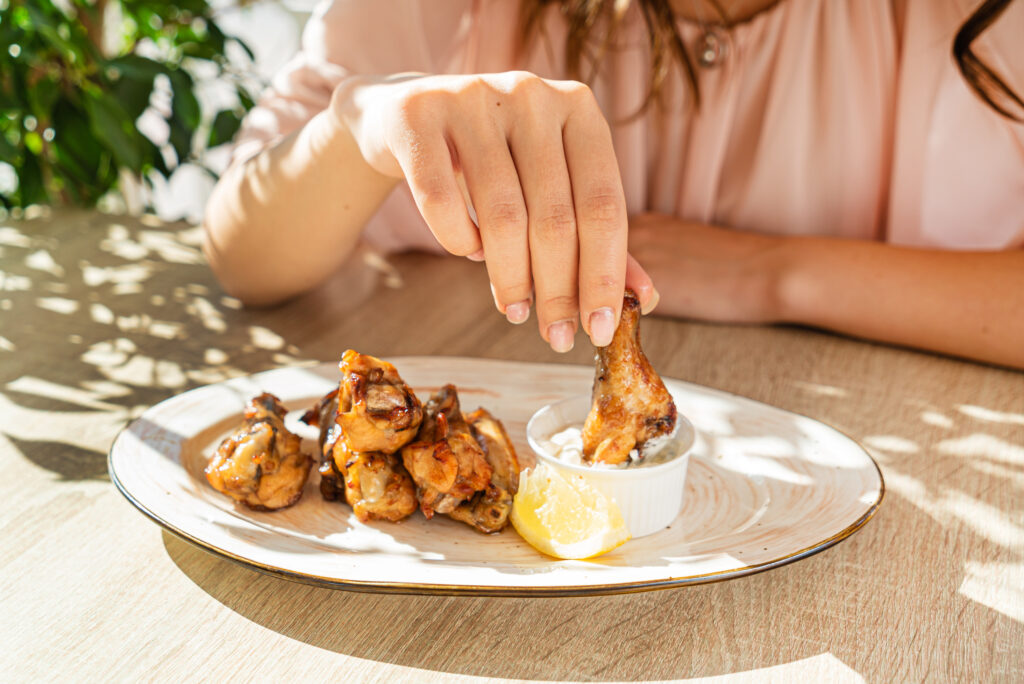
Chicken is a staple in many households, but it poses a significant risk when reheated improperly. As chicken cools down, the proteins break down, which can lead to digestive issues and make it harder for the body to digest. Furthermore, reheating chicken in the microwave can cause uneven cooking, leaving hot spots where salmonella and Campylobacter, two common bacteria in poultry may survive.
To minimize risk, always ensure that reheated chicken reaches an internal temperature of 165°F (74°C). Use a food thermometer to ensure it is thoroughly heated and avoid reheating chicken more than once to prevent bacterial growth.
Spinach
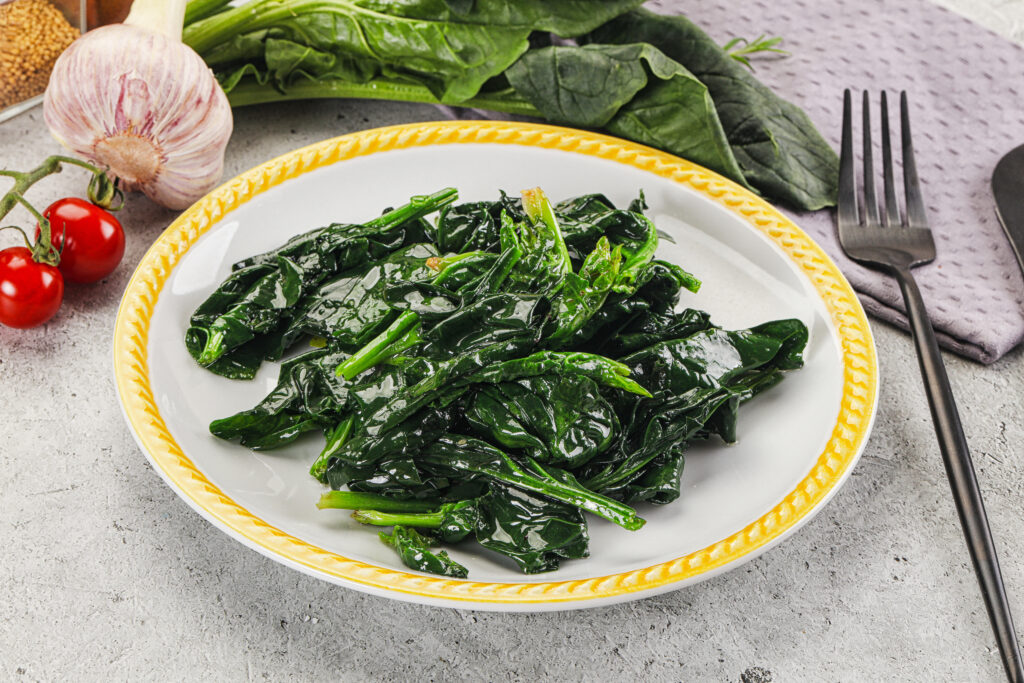
Spinach and other leafy greens like lettuce and kale are rich in nitrates, which, when exposed to high heat, can convert into nitrites. Nitrites can then further transform into nitrosamines, a group of compounds that are potential carcinogens. These compounds have been linked to increased risks of certain cancers when consumed in high quantities over time.
If you must reheat spinach, ensure the temperature is kept low to minimize the conversion of nitrates to nitrites. However, the safest option is to enjoy spinach fresh or as a cold addition to salads
Rice
Reheated rice is notorious for causing foodborne illnesses, particularly due to a spore-forming bacterium called Bacillus cereus. This bacterium can survive the cooking process in its spore form, and even if you reheat the rice, the toxins it produces remain heat-resistant. The CDC estimates that Bacillus cereus causes around 63,000 cases of food poisoning annually.
To avoid food poisoning, refrigerate leftover rice within one hour of cooking and consume it within 24 hours. Never leave rice sitting out at room temperature, and always reheat it thoroughly before eating.
Mushrooms
Mushrooms are packed with protein, but when they are reheated, their proteins break down and may lead to stomach upset and other digestive issues. Mushrooms are particularly vulnerable to enzymatic degradation, which continues even after they are cooked. This breakdown can produce undesirable compounds, causing a loss in nutritional value and an increase in digestive problems.
Mushrooms are best enjoyed fresh, as their flavor and texture are at their peak. If you must store cooked mushrooms, refrigerate them promptly and consume them within 24 hours to reduce the risk of bacterial growth and the breakdown of proteins.
Potatoes
Potatoes are often seen as a harmless food, but when stored improperly, they can harbor Clostridium botulinum, the bacterium responsible for botulism. This rare but potentially deadly condition occurs when potatoes are left in aluminum foil at room temperature. The foil creates an oxygen-free environment, perfect for the growth of botulinum spores. Symptoms of botulism include difficulty breathing, paralysis, and even death in severe cases.
Always store cooked potatoes in the fridge in an open container, and never leave them wrapped in aluminum foil at room temperature. Reheat potatoes thoroughly and only once to minimize the risk of bacterial contamination.
Conclusion
While reheating food may seem like a harmless task, but it can have serious consequences if not done properly. By understanding the risks associated with reheating certain foods, like spinach, rice, chicken, mushrooms, and potatoes, you can avoid health complications and enjoy your leftovers without concern.
Always remember to store food properly, reheat it to the correct temperature, and limit how often you reheat to keep yourself and your family safe from foodborne illnesses and other risks. Stay informed, and make sure that your reheating practices are as safe as they are convenient.
Read the original article on crafting your home