5 Calcium-Rich Foods for Strong Bones in Old Age

Strong bones don’t come from luck; they’re built, bite by bite, over a lifetime. And in old age, calcium becomes less of a “nice-to-have” and more of a daily ally. The goal isn’t to obsess over numbers; it’s to choose foods that quietly do the heavy lifting, supporting bone density, muscle function, balance, and overall resilience.
Milk
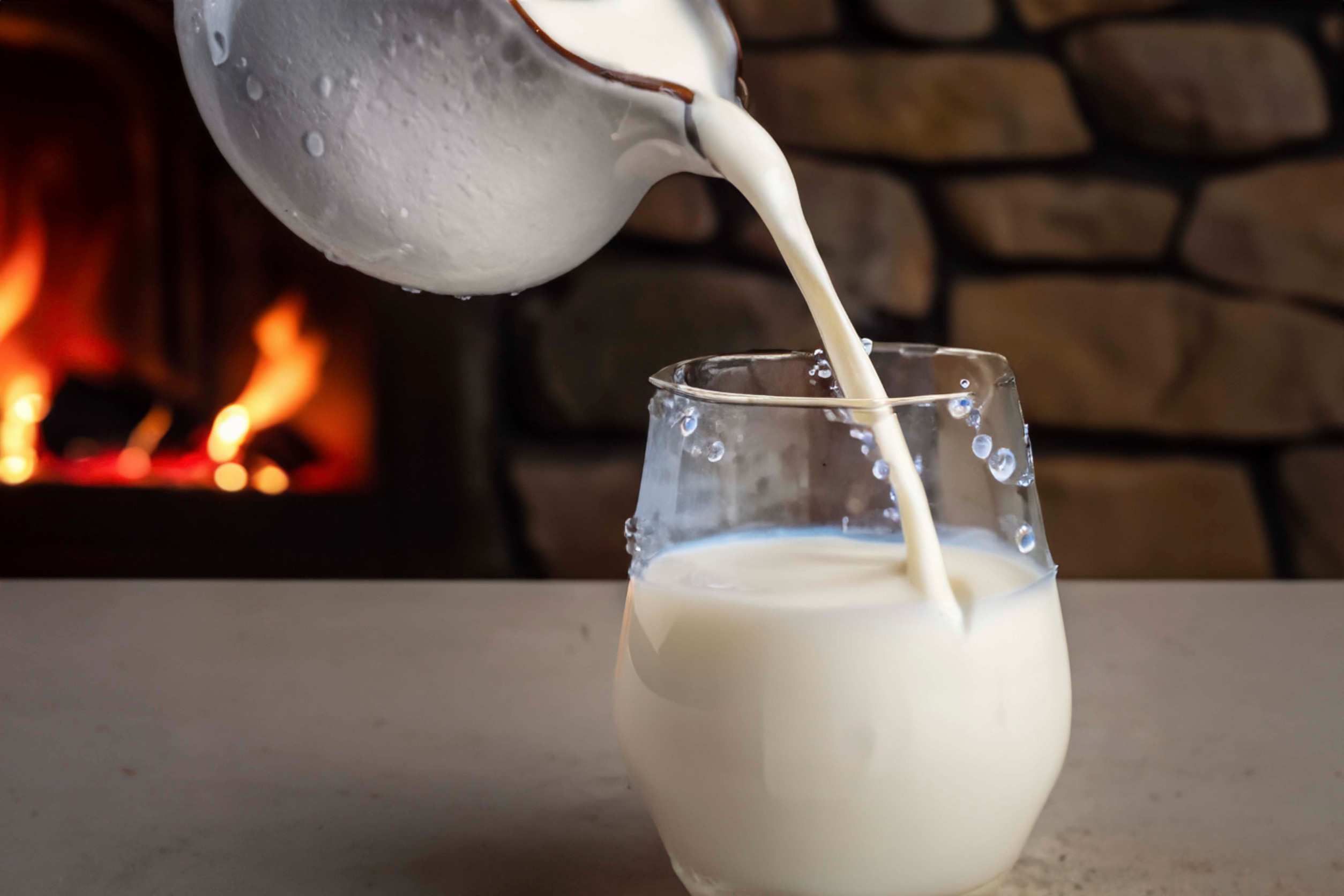
- Warm milk with cinnamon as an evening drink
- Add to oats, porridge, or tea (where culturally common)
- Use in soups to create creamy, comforting meals.
Yogurt
- Plain yogurt with fruit and crushed nuts
- Mix with garlic and herbs for a creamy dip.
- Stir into stews at the end for a rich finish.
Sardines

Sardines are small but mighty. When you eat sardines with their soft, edible bones, you’re getting a direct calcium boost plus omega-3 fats and vitamin D, both supportive for healthy aging.
- Mash onto toast with lemon and black pepper.
- Toss into a tomato sauce for a quick meal.
- Add to a salad with onions and avocado.
Leafy Greens
Leafy greens provide calcium, with added benefits of fiber, antioxidants, and vitamin K (which supports bone health). They’re also friendly for everyday cooking and stretch beautifully into many meals.
- Sauté with onions, tomatoes, and a little oil
- Mix into eggs, beans, or lentils.
- Add to soups for a nourishing boost.
Calcium-Set Tofu
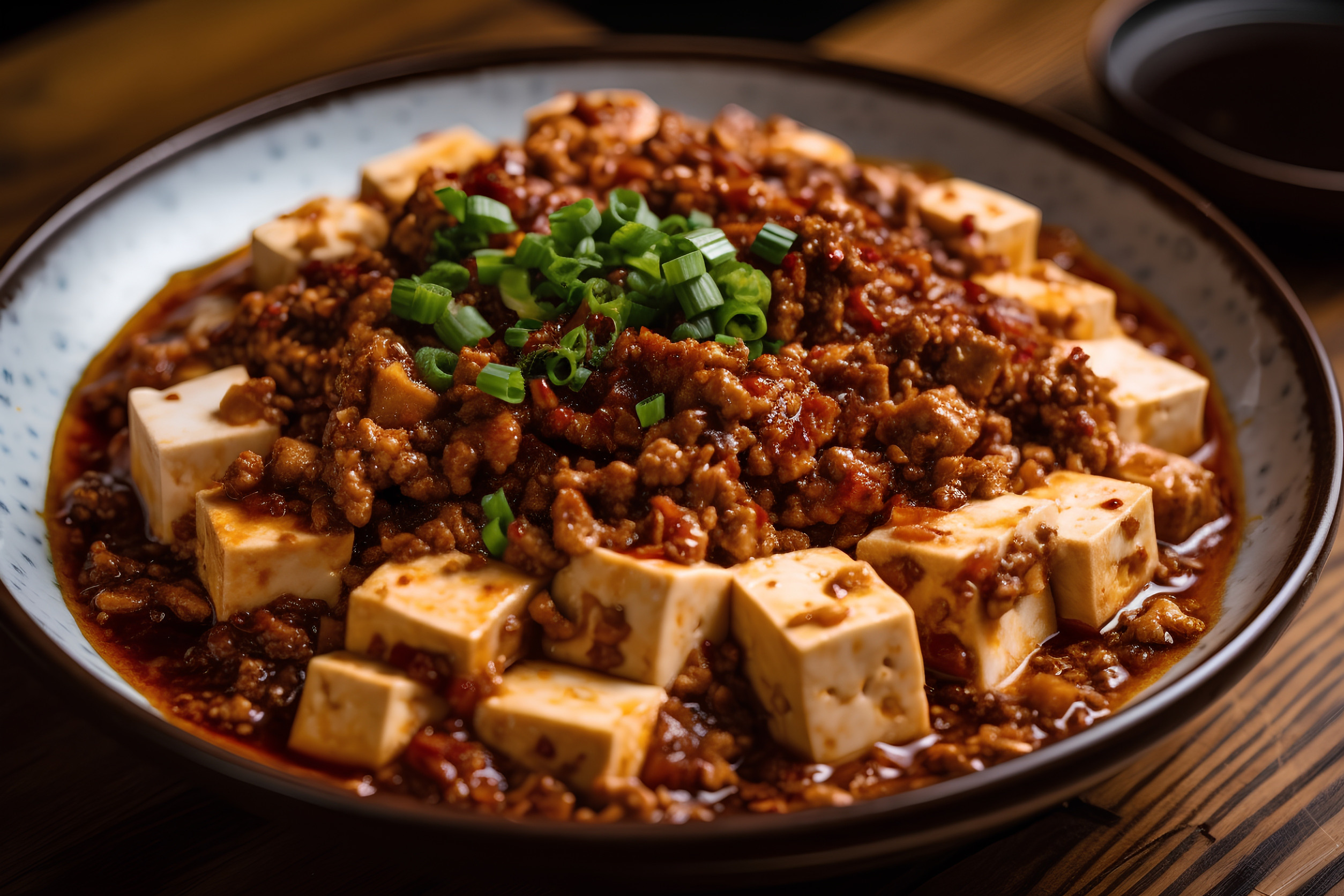
Tofu can be a fantastic source of calcium when it’s set with calcium sulfate (often listed on the label). It’s also soft, easy to chew, versatile, and a great option for people who limit dairy.
- Add cubed tofu to stews and soups.
- Pan-sear lightly and serve with vegetables.
- Blend soft tofu into smoothies for a creamy texture.
Conclusion
- Pair with vitamin D (sunlight exposure, eggs, fortified foods, or supplements if prescribed)
- Include protein daily (it helps maintain muscle, which protects bones by preventing falls)
- Do gentle weight-bearing movements like walking, stair-climbing, or light resistance work
- Spread calcium across the day rather than trying to “catch up” in one meal.
Read the original Crafting Your Home