5 Best Vegetables to Combat Constipation and Promote Digestive Health
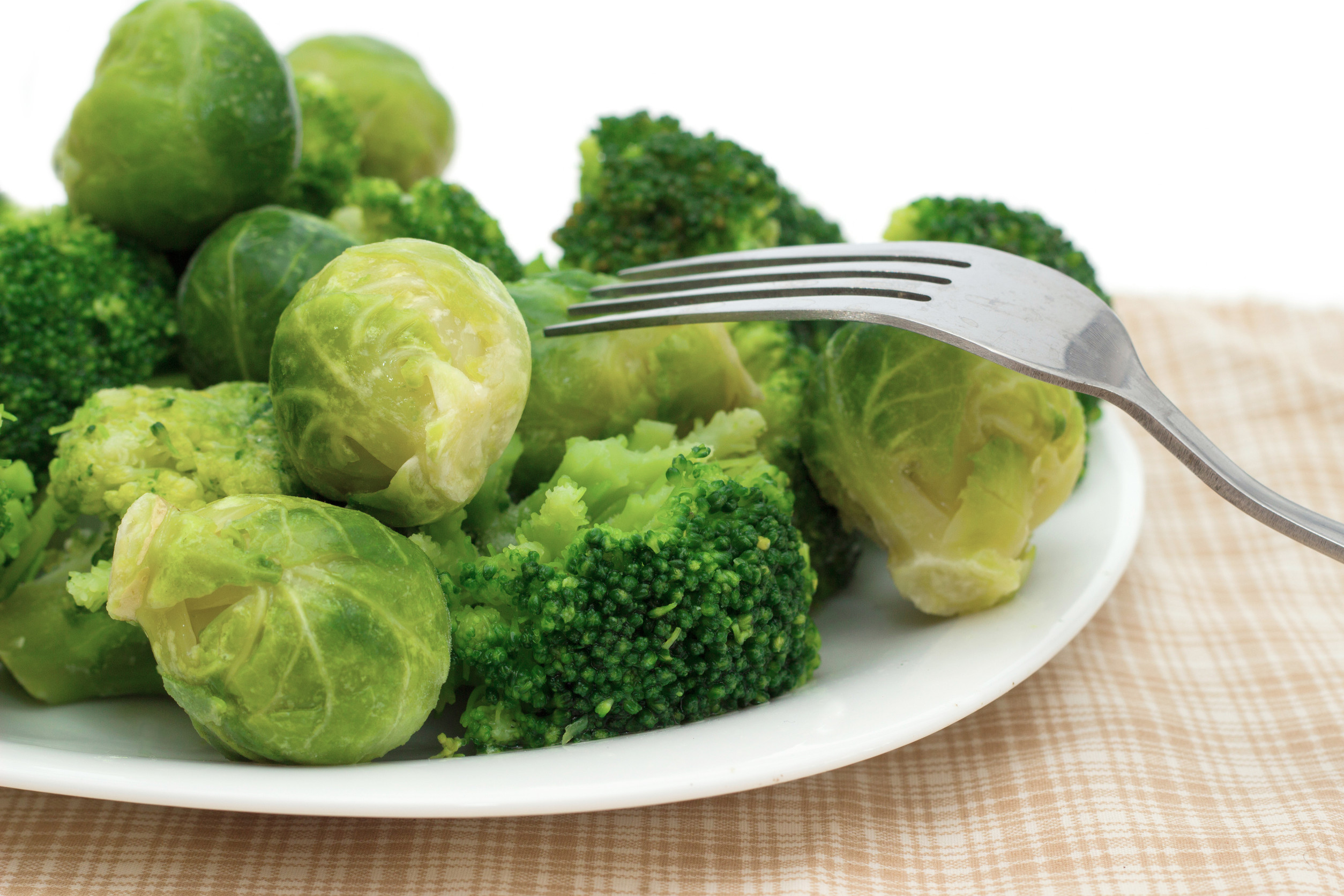
Constipation can be an uncomfortable and frustrating condition that affects many people. With its symptoms of infrequent bowel movements, straining, and discomfort, it’s clear why finding effective relief is crucial. A fiber-rich diet plays a fundamental role in alleviating constipation, and certain vegetables are particularly effective in this regard.
By incorporating these veggies into your daily meals, you can enhance digestive health, promote regularity, and enjoy smoother, more effortless bowel movements.
Broccoli
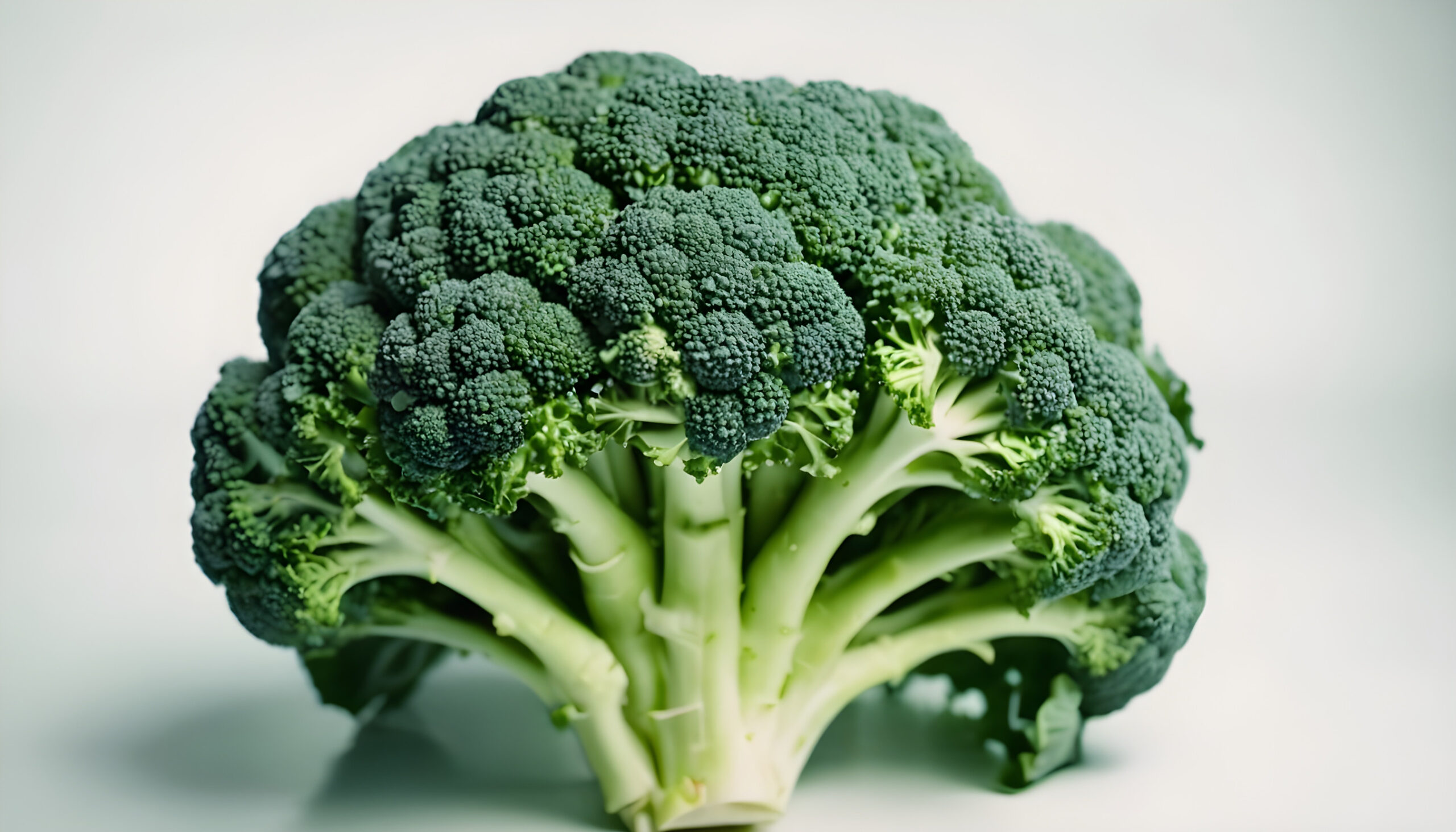
Broccoli is well-known for its health benefits, particularly its ability to support digestion. This cruciferous vegetable is packed with fiber, vitamins, and minerals, making it an excellent choice for promoting gut health.
A single cup of cooked broccoli provides 5 grams of fiber, accounting for about 18% of your daily fiber intake. Broccoli is also rich in compounds like sulforaphane, which have been shown to help prevent the overgrowth of harmful gut bacteria.
Green Peas
Green peas are not only a nutrient-dense, versatile vegetable but also a powerhouse for alleviating constipation. Belonging to the legume family, green peas are rich in both soluble and insoluble fiber.
A single cup of cooked green peas provides an impressive 9 grams of fiber, which accounts for about 32% of your daily fiber needs. The fiber content in green peas is balanced between soluble fiber (which helps nourish beneficial gut bacteria) and insoluble fiber (which adds bulk to stool and promotes regular bowel movements).
Brussels Sprouts
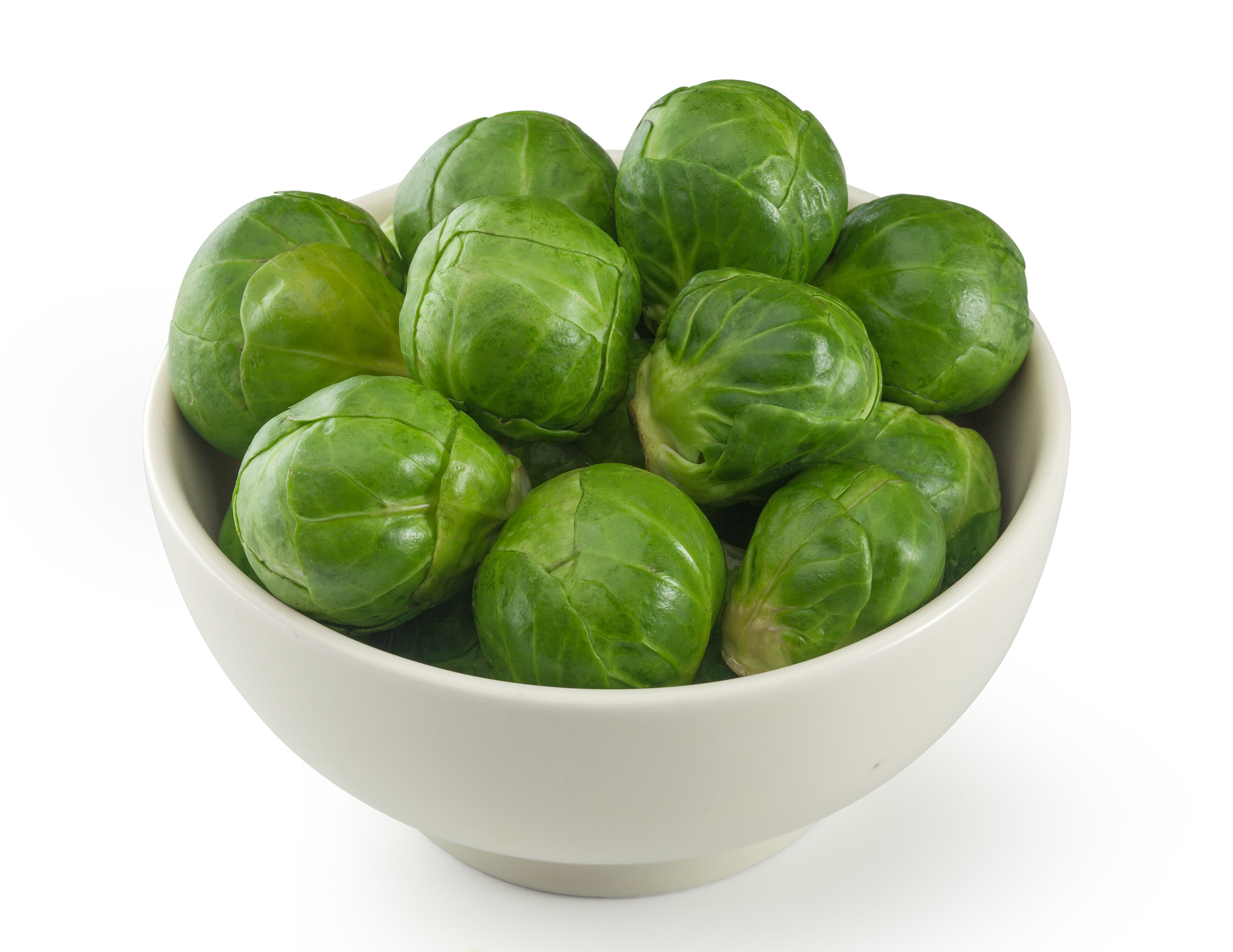
Brussels sprouts are another fiber-rich cruciferous vegetable that can help alleviate constipation. Despite their small size, Brussels sprouts pack a big punch in promoting regular bowel movements and supporting digestive health.
A cup of cooked Brussels sprouts contains 4 grams of fiber, or 14% of your daily fiber needs. These miniature cabbage-like vegetables are rich in both soluble and insoluble fiber, which work together to keep your digestive system running smoothly.
Artichokes
Artichokes are an excellent source of prebiotic fiber, making them among the best vegetables for fighting constipation. These thistle-like vegetables are not only tasty but also offer an array of health benefits, especially for digestive health.
One medium-sized artichoke contains about 7 grams of fiber, which is 25% of the daily recommended intake. What makes artichokes stand out is their high inulin content. Inulin is a type of prebiotic fiber that nourishes the beneficial bacteria in your gut, aiding in digestion and promoting gut health.
Collard Greens

Collard greens, another member of the cruciferous family, are a fantastic source of fiber that supports both digestive health and regular bowel movements. Their rich, dark leaves are packed with nutrients, making them a top choice for constipation relief.
One cup of cooked collard greens delivers 8 grams of fiber, or 29% of your daily fiber requirements. In addition to being fiber-rich, collard greens also contain sulforaphane, just like broccoli, providing additional digestive benefits.
Conclusion
Incorporating fiber-rich vegetables into your diet is a highly effective and natural way to relieve constipation and improve digestive health. Green peas, artichokes, broccoli, collard greens, and Brussels sprouts are some of the best vegetables for promoting regular bowel movements and maintaining gut health.
By combining these vegetables with proper hydration, regular exercise, and other digestive-friendly foods, you can naturally support your digestive system and achieve better overall well-being.