5 Ancient Foods You Never Knew Still Exist

Food has always been an essential part of human culture, and ancient diets reflect the creativity, necessity, and resourcefulness of our ancestors. Many ancient foods continue to captivate modern-day culinary enthusiasts, while others have faded into obscurity over the centuries.
Whether they’ve made a comeback in recent years or remain buried in the annals of history, these five ancient foods offer a fascinating glimpse into the flavors and eating habits of past civilizations. From indulgent feasts to humble sustenance, let’s explore these ancient foods that are just as intriguing today as they were centuries ago.
Peacock

Peacock, with its stunning tail feathers and luxurious presentation, was a coveted dish in ancient Roman banquets. A symbol of wealth and extravagance, this exotic bird was often roasted and served with great ceremony at the tables of the elite. While it may seem like a rare delicacy, how does this ancient food measure up to modern tastes?
In the past, peacock meat was appreciated not just for its rich flavor but also for its symbolic significance. Ancient Romans and Greeks considered peacocks a symbol of grandeur, which is why they were often displayed at lavish feasts. While eating peacock may seem impractical today, its legacy continues in certain regions where peafowl remains a part of the culinary tradition.
Roasting and preparation techniques haven’t changed much over time, making it an ideal dish for those looking to taste history. While peacock may never regain its status as a mainstream meat, its ties to ancient feasts and its exotic flavor still make it a fascinating relic of the past.
Garum
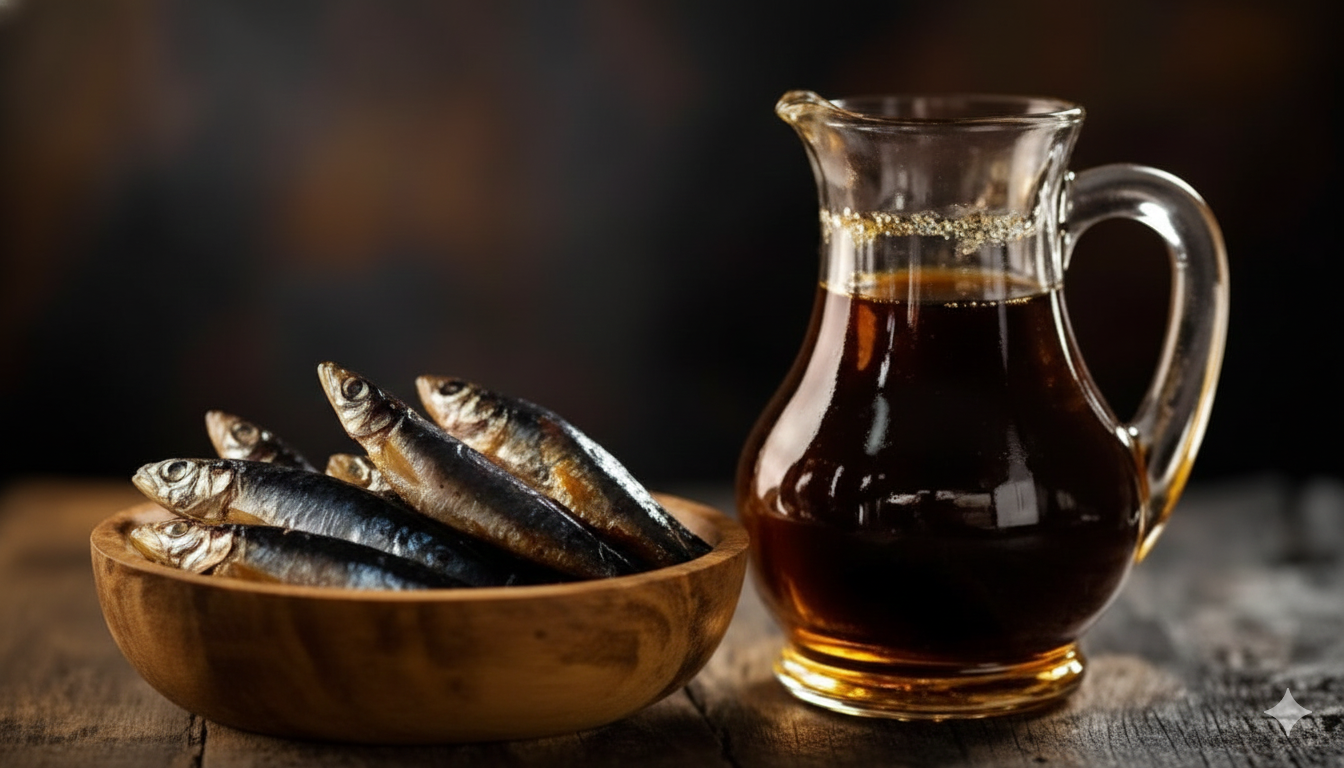
Garum, a fermented fish sauce that originated in the ancient Mediterranean, was one of the most popular condiments of its time. It was especially favored by the Romans, who used it to enhance everything from meats to vegetables. Made by fermenting fish intestines in brine, garum was an essential part of Roman cuisine. But what made it so irresistible to ancient palates, and can we still appreciate it today?
Garum’s distinct, savory flavor made it an indispensable addition to nearly every dish. Though the ingredients may sound unappealing by modern standards, their complexity and depth of flavor were highly prized. Ancient Romans valued garum so much that it was produced in large quantities and exported throughout the empire.
While garum isn’t as widely used today, its influence remains in the fish sauces of Southeast Asian cuisine. Garum’s essence can still be experienced through its modern counterparts, proving that some ancient culinary practices continue to shape our modern taste preferences.
Chian Wine
Wine has long been a part of human history, but no wine was as esteemed in ancient Greece as Chian wine. Known for its deep red color and distinctive flavor, Chian wine was a symbol of prestige and sophistication in ancient Greek society. But what made this wine so revered, and why did it become the drink of choice for the elite?
Silphium

Silphium, an herb once treasured by the ancient Greeks and Romans, was considered a culinary wonder and a medicinal marvel. It grew in the coastal regions of modern-day Libya and was prized for its unique flavor, which was used to season food, as well as for its alleged medicinal properties. But why did this plant, so highly valued in ancient times, disappear from history?
Silphium was said to have a flavor reminiscent of celery, and it was used in various dishes, especially in Roman cuisine. Its culinary importance was matched by its medicinal uses, with some even considering it a potent aphrodisiac and contraceptive. Unfortunately, silphium was overharvested to the point of extinction, and its exact characteristics remain a mystery.
Despite its disappearance, silphium’s legacy lives on in the cultural and culinary history of the ancient Mediterranean. Its loss serves as a reminder of how fragile natural resources can be, especially when they are in high demand.
Moretum

Moretum, a cheese spread that originated in ancient Rome, may remind us of modern-day pesto. Made from goat cheese, herbs, garlic, and nuts, moretum was prepared by grinding the ingredients together using a mortar and pestle. This spread was commonly eaten on flatbreads or as a snack and was enjoyed by both the wealthy and the common folk. How does this ancient spread compare to today’s popular dips and spreads?
Conclusion
The ancient world was full of fascinating foods that reflect the ingenuity and resourcefulness of our ancestors. Whether it was the luxurious peacock at Roman feasts or the humble moretum spread enjoyed by all, these ancient foods provide a glimpse into the tastes and traditions that shaped entire civilizations. While some of these dishes may never regain their former glory, others are still enjoyed today, proving that the flavors of the past can stand the test of time.
As we continue to explore and rediscover ancient culinary practices, we find that many of these forgotten foods remain relevant today. From garum’s umami punch to the medicinal benefits of Chian wine, these foods remind us that history has much to offer in terms of taste and tradition. So the next time you’re in the kitchen, why not take inspiration from the past and try one of these ancient dishes? You might just find that the flavors of the ancient world are more relevant than you think.