4 Foods Everyone Hated Until They Tried Them the Right Way
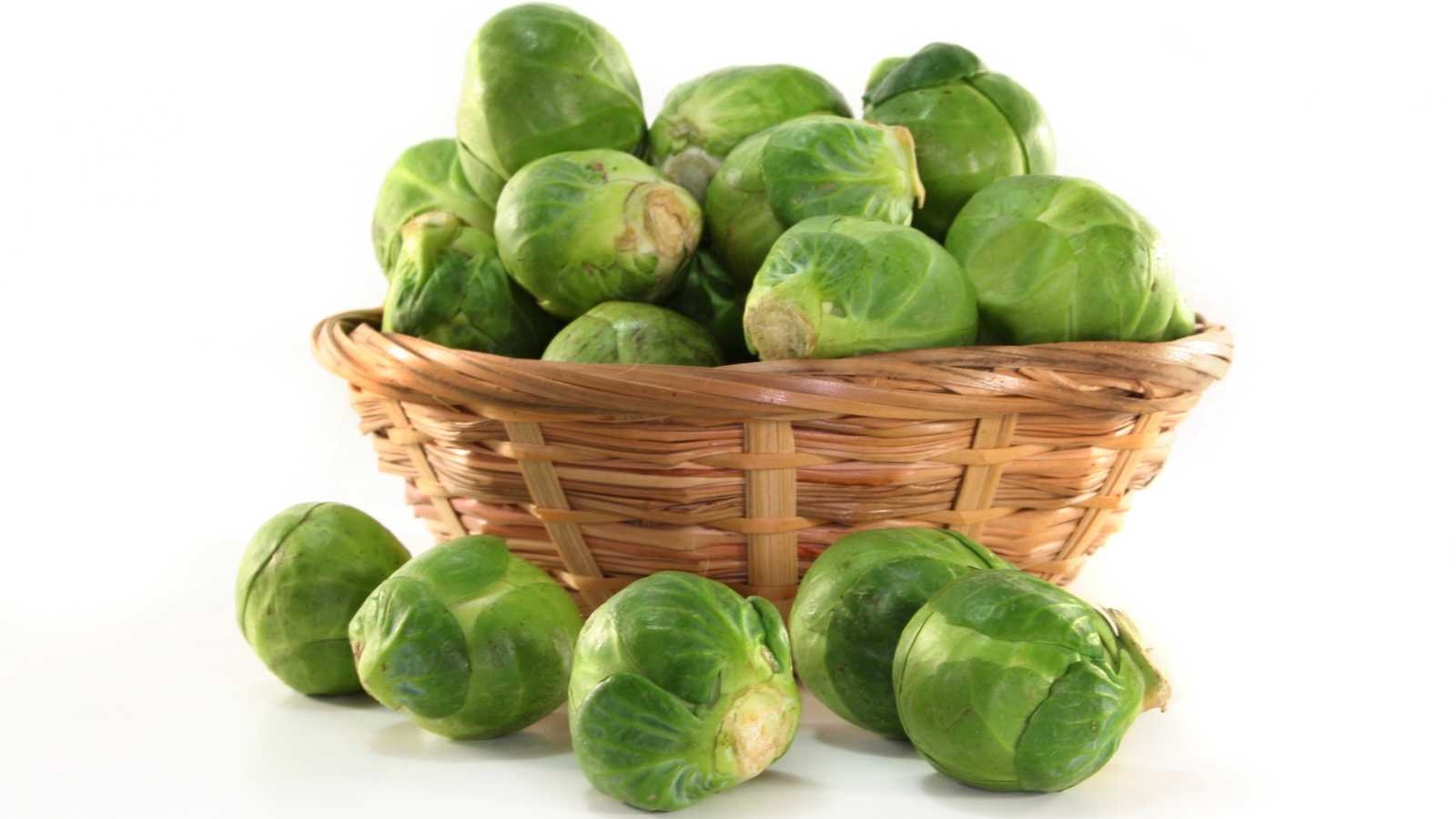
Image Credit: silencefoto/123rf
We’ve all been there. The dreaded food on the plate that you’ve avoided your whole life, but now, with health trends pushing us to try new things, you wonder: Is this the time to give it a second chance? Foods like Brussels sprouts, kale, tofu, and anchovies have been long-time offenders in many households, hated for their bitter, slimy, or overly fishy qualities.
But yet, in 2024, these same foods are finding a new audience. Why? It’s not because the foods changed. It’s because the way we’re preparing them has.
And it turns out, we’ve been doing it all wrong.
Brussels Sprouts
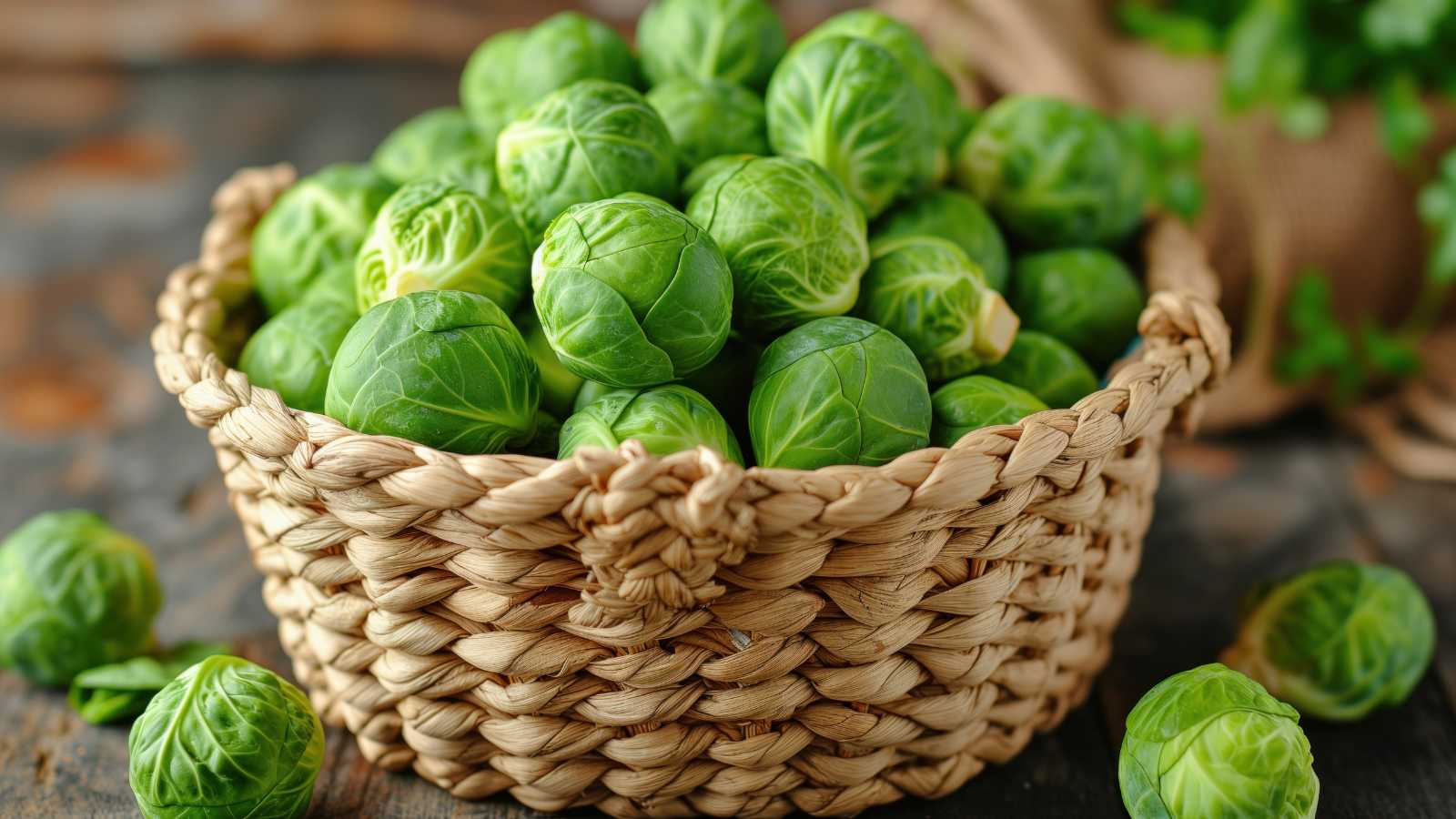
Brussels sprouts are one of those foods that seem to haunt your childhood. Overcooked and soggy, they usually came with a bitter punch and that pungent smell no one could escape. According to a 2025 survey, nearly 28% of Americans still rank Brussels sprouts among their most disliked foods. But the real issue is that we weren’t cooking them correctly.
Instead of boiling Brussels sprouts until they’re mushy, the trend today is to roast them at high heat. This simple change unlocks a whole new level of flavor. Toss them with a bit of olive oil, salt, and maybe a splash of balsamic vinegar, and you’ve got a crispy, nutty treat.
Chef Marcus Thorne from the Culinary Institute of America puts it perfectly: “Roasting Brussels sprouts isn’t just cooking them; it’s about caramelizing their natural sugars, turning them into a crispy, nutty flavor bomb.”
Now, roasted Brussels sprouts are on menus everywhere, and for good reason; they taste great, especially with extras like crispy bacon or tangy mustard. If you’ve been skipping them, try roasting them in the oven instead of boiling them.
Kale
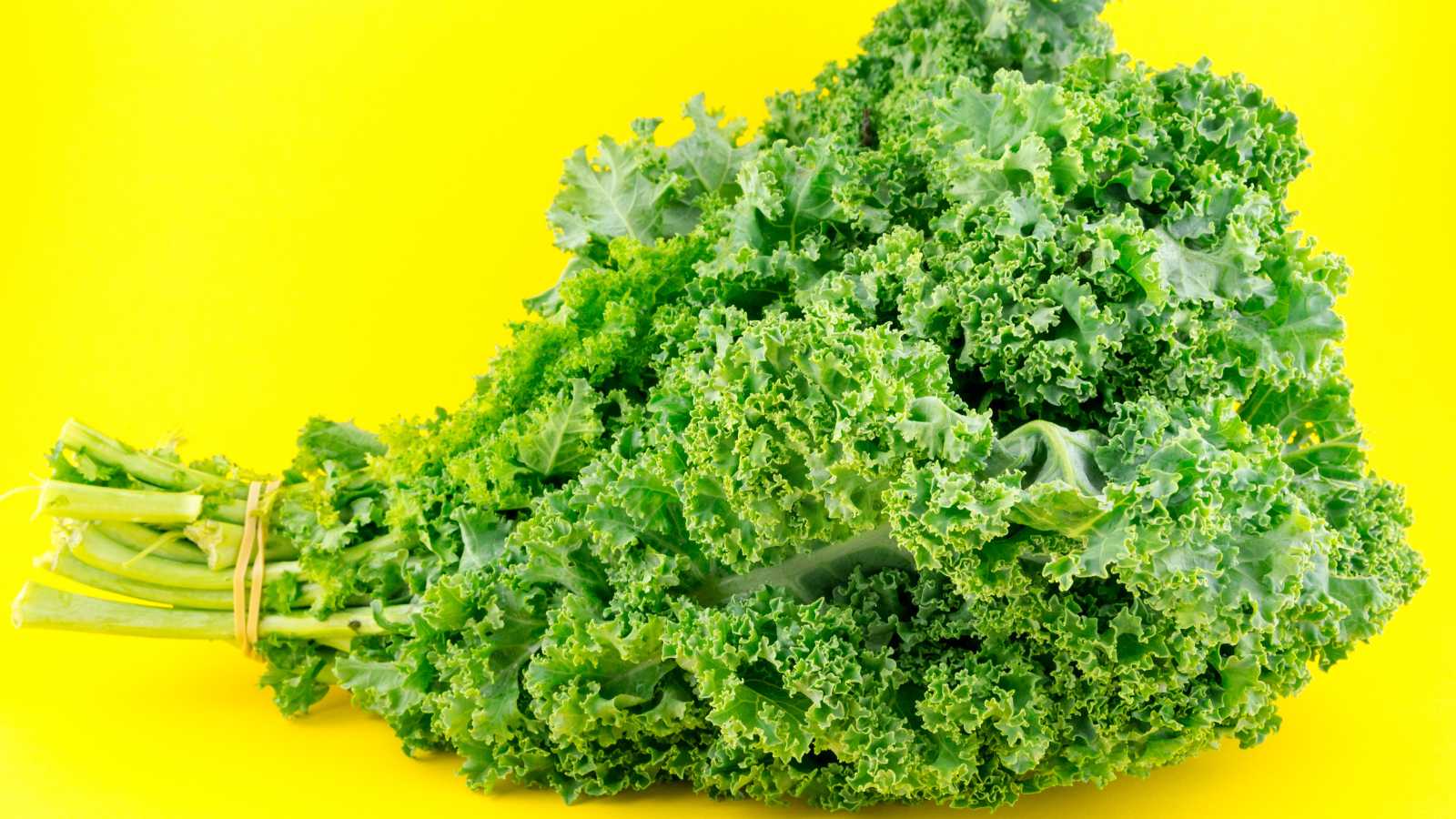
Once relegated to the role of a garnish, kale was just one of those vegetables that left you wondering why anyone would willingly eat it. Its tough texture and bitter flavor made it a frequent villain on the dinner plate. But kale’s comeback has been nothing short of superfood stardom.
Massaging kale with olive oil or vinegar before serving can break down its tough fibers and tame the bitterness. The result is a tender, flavorful green that’s far from the sharp, unyielding leaves many grew up with. Dr. Vivian Lee, a public health nutritionist at Harvard, explains, “When massaged with olive oil or vinegar, kale becomes tender and less bitter, making it not only more enjoyable but also easier to digest.”
Kale is now a staple in smoothies, salads, and even baked into crispy kale chips. For people who once dreaded this green, the trick is to give it a little TLC before serving it. Massage it. Roast it. The possibilities are endless, and the payoff is big — both in flavor and in nutrition.
Tofu

Tofu has often been seen as a bland, rubbery substitute for meat, leading people to question why anyone would eat it. But maybe tofu’s bad reputation comes from how it’s been cooked.
Tofu was often boiled or served without much seasoning, which only reinforced its reputation as a tasteless substitute. But here’s the secret: pressing and marinating tofu dramatically changes its texture and flavor. Tofu is a blank canvas, capable of mimicking meat-like textures when pressed, marinated, and then pan-fried, grilled, or even baked.
After pressing the Tofu, you’ll notice it becomes firm and ready to absorb marinades. When you pair it with flavors like soy sauce, garlic, and ginger, it becomes delicious.
Anchovies
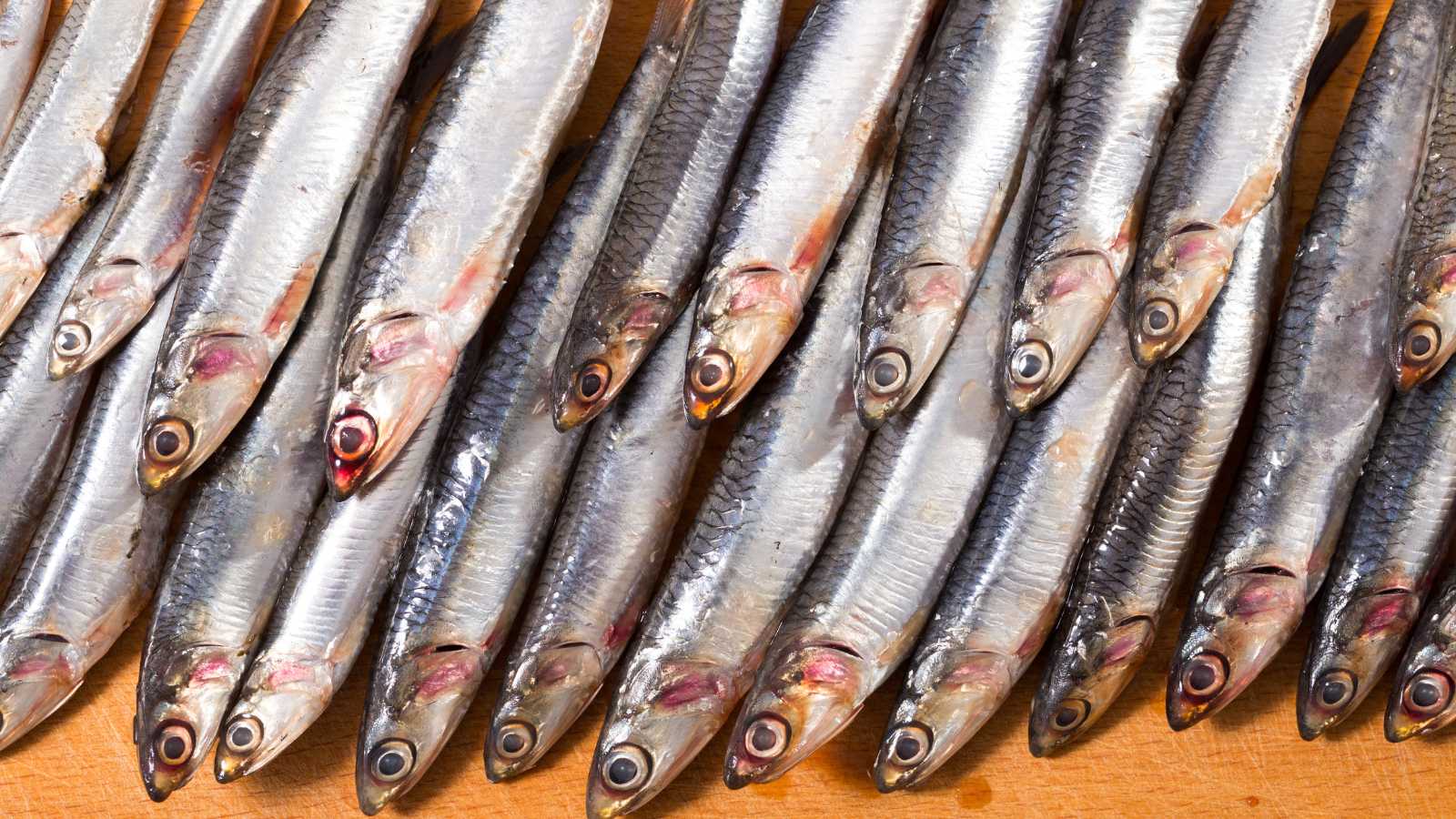
Anchovies are one of those foods that people either love or hate. The salty, fishy flavor is enough to turn some off for good. According to a recent survey, 56% of Americans dislike anchovies, and who can blame them? Often, they’re served in big, whole fillets or added to pizza in overwhelming amounts. But anchovies aren’t the problem; it’s how we use them.
Here’s the twist: anchovies, when used in moderation, are an umami powerhouse. When chopped finely and added to sauces or dressings, they provide a deep, savory flavor without being overwhelming. In fact, the famous Caesar salad dressing wouldn’t be the same without anchovies.
If you’re still avoiding anchovies, maybe it’s time to try them as a secret ingredient in your next pasta sauce or salad dressing. You won’t even notice them, but you’ll undoubtedly taste the difference.
Proper Preparation
The truth is, many foods we dislike have been cooked the wrong way. Whether it’s Brussels sprouts overly boiled, kale served raw and brutal, tofu left bland, or anchovies overused and overwhelming, the proper cooking techniques can make a world of difference.
As nutritionist Dr. Vivian Lee points out, “When prepared correctly, even the most hated foods can offer a wide range of nutrients, without the bitterness or unpleasant textures we associate with them.”
Key Takeaways
So, why should you care about giving these foods a second chance? Because taste is a matter of preparation. What you once hated might just become your new favorite once you figure out how to cook it right. It’s a chance to explore new textures and flavors, not to mention boost your health with foods that are often packed with nutrients.
Next time you’re faced with a food you’ve always turned your nose up at, think twice. It might not be the food; it might just be how it’s been prepared.
Food trends are changing, and the foods we once rejected are now coming into their own. With a little effort and the proper technique, these once-hated ingredients are making their way into homes and restaurants across the country.