4 ‘Disruptive’ Foods That Cause Glucose Spikes & Weight Gain

A single bottle of sugary soda can send blood sugar soaring by 30–40 points within an hour, and people who drink one or two servings a day have about a 25–30% higher risk of weight gain and type 2 diabetes over time.
Some foods look harmless on the surface but hit the body harder than most people realize. These “disruptive” choices trigger sharp glucose spikes that can leave you tired, hungrier sooner, and more likely to store excess fat.
Small daily habits add up fast, and these foods quietly push blood sugar higher than your body can comfortably manage. Knowing which ones cause the biggest swings can help you avoid hidden weight gain and feel more in control of your energy.
Sugary Breakfast Cereals
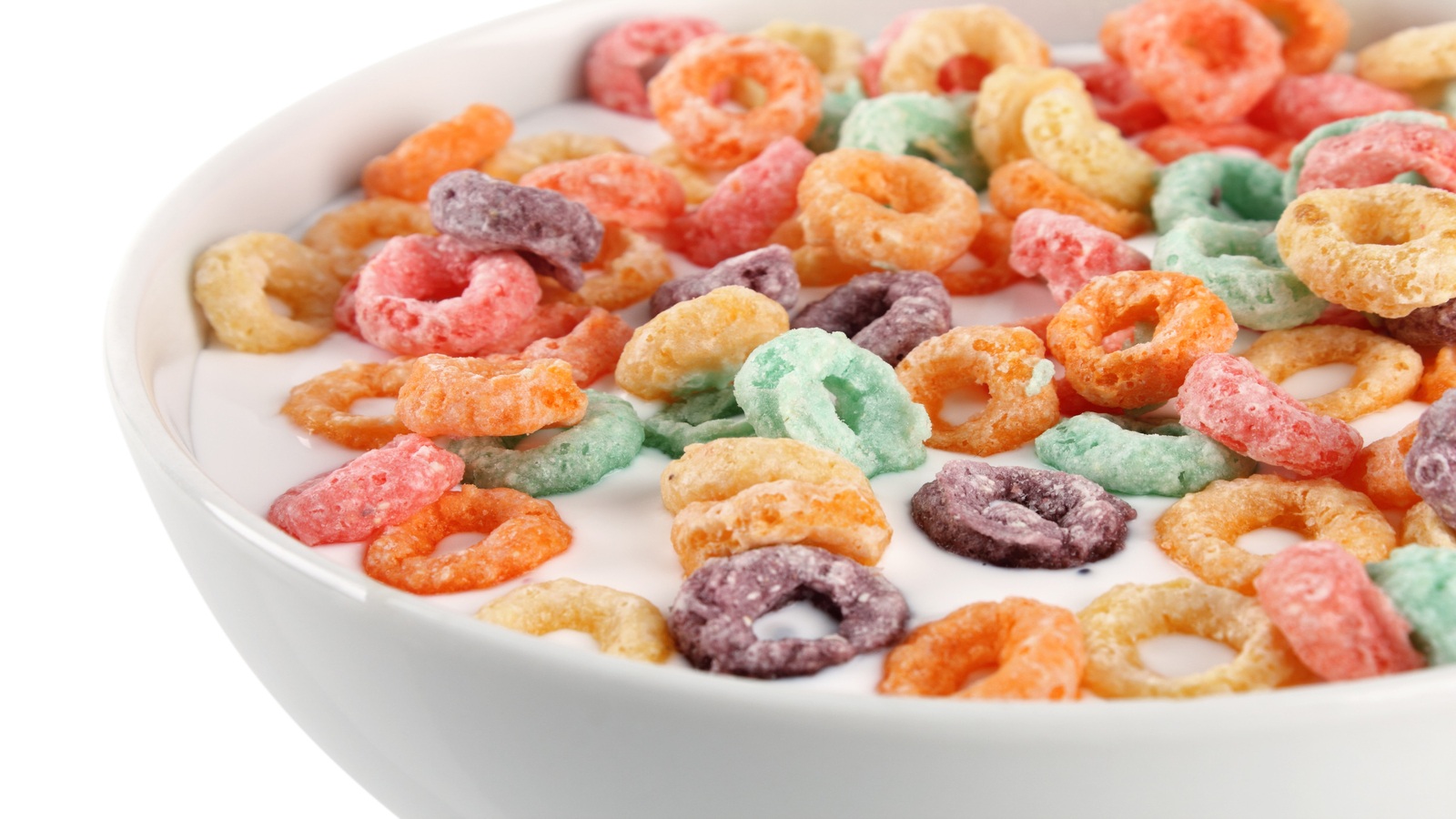
Data from analyses of children’s breakfast cereals shows that many popular “healthy”‑positioned cereals in the U.S. contain around 10–18 grams of sugar per serving, and continuous glucose monitor research finds that high‑carb breakfasts like cornflake cereal trigger sharp post‑meal spikes followed by faster return of hunger and cravings later in the day.
Even cereals labeled “whole grain” often rely on refined grains that digest quickly, pushing blood sugar even higher. The combination of added sugars and low fiber content leaves the body without the slow, steady release it needs. Choosing options with 5 grams of sugar or less and higher fiber can make a noticeable difference.
White Bread and Refined Flour Foods
White bread has a glycemic index close to 100, which means it raises blood sugar almost as quickly as pure glucose, thanks to its finely milled, fiber‑stripped flour. Over time, repeated high‑GI spikes and big insulin surges are linked to a higher risk of insulin resistance and weight gain.
Refined flour foods like bagels, tortillas, and pastries create similar patterns that keep blood sugar unstable throughout the day. These foods also tend to leave you hungry sooner, even after a big serving. Switching to whole-grain options helps slow absorption and keeps glucose levels steadier.
Sweetened Coffee Drinks

Sweet coffee drinks can quietly rival soda for sugar. A single medium flavored latte or iced coffee from popular chains often contains roughly 35 grams of sugar, enough to trigger a rapid glucose spike followed by a slump in energy and hunger.
On top of that, the combination of liquid sugar and dairy fat makes it easier for the body to store excess calories. Many people drink these beverages daily without realizing how much they affect glucose levels. Opting for unsweetened or lightly sweetened versions makes a huge difference over time.
Granola and “Energy” Bars
Many granola bars marketed as healthy snacks pack 10–20 grams of sugar per bar, with some popular brands matching or exceeding the sugar in a cookie or candy bar. The refined grains and syrups they contain can drive rapid blood sugar spikes that undermine appetite control and weight management.
Bars claiming to be “high protein” or “natural” often rely on sweeteners like honey, brown rice syrup, or agave, which still cause spikes. Because these bars don’t offer much fiber, the body absorbs them quickly, creating a short burst of energy followed by fatigue. Look for bars with 5 grams of sugar or less and whole-food ingredients to avoid those hidden spikes.
Key Takeaway

The foods that cause the biggest glucose spikes are often the ones marketed as quick, easy, or healthy. Once you recognize which choices trigger those sharp rises, it becomes much easier to steady your energy, reduce cravings, and support long-term weight goals.