


Growing up for Boomers often meant rolling up sleeves and tackling chores that demanded time, patience, and physical effort. These tasks weren’t optional or paid, they were a responsibility embedded in family life. From hauling buckets of water to scrubbing floors on hands and knees, the everyday duties that shaped their childhood would baffle kids today.
Many of these chores taught discipline, care, and a sense of contribution, yet the modern generation experiences a childhood almost entirely free of these intense domestic responsibilities. Today’s children might glance at a dirty sink or an untidy room and be completely unprepared for the hands-on work their parents endured.
Ironing Everything, Even Handkerchiefs

Ironing went beyond shirts; kids learned to press handkerchiefs, socks, pillowcases, and school uniforms.
Managing the heavy board, handling steam, and avoiding burns made it a precise skill. Today’s wrinkle-release sprays would have seemed absurdly lazy to their parents.
Washing Dishes by Hand After Every Meal
Dishwashing was a group effort after every meal, involving scraping, soaking, washing, rinsing, and drying.
Dishwashers were rare, so the task fostered collaboration and accountability. The chore could be frustrating, but it also built a sense of shared family duty.
Washing the Family Car by Hand
Car care was intensive: scrubbing, rinsing, drying, and sometimes waxing. It was an opportunity to learn thoroughness, teamwork, and pride in family possessions.
Weeding the Garden by Hand
Defrosting the Freezer Manually
Pre-frost-free appliances required chipping away ice with utensils, catching water in pans, and taking hours to complete.
It was messy, tedious, but necessary to preserve food.
Helping Fix Things Instead of Replacing Them

Children assisted in household repairs by holding tools, handing over parts, and observing solutions, cultivating practical skills, resourcefulness, and hands-on learning.
Mowing the Lawn With a Push Mower
Push mowers, not motorized ones, required significant physical exertion.
Wet grass, full bags, and repetitive motions made weekend mowing a grueling but rewarding exercise, instilling a tangible sense of accomplishment in kids.
Shoveling Snow Without Help
Snowy days meant early mornings clearing driveways by hand. Bundled in layers, children lifted and cleared snow without machinery.
Skipping was not an option; the work demanded stamina, cold endurance, and a sense of responsibility.
Rinsing and Returning Glass Bottles
Returning glass bottles for deposits involved thorough rinsing and careful sorting.
Children learned responsibility and the value of even small contributions to family resources.
Beating the Rugs Outside
Rugs had to be beaten to remove dust, a vigorous activity using carpet beaters or sticks. Outdoors, the dust flew like smoke, making it messy and exhausting.
Modern vacuum cleaners have largely replaced this tactile, energetic experience.
Hanging Laundry on the Clothesline
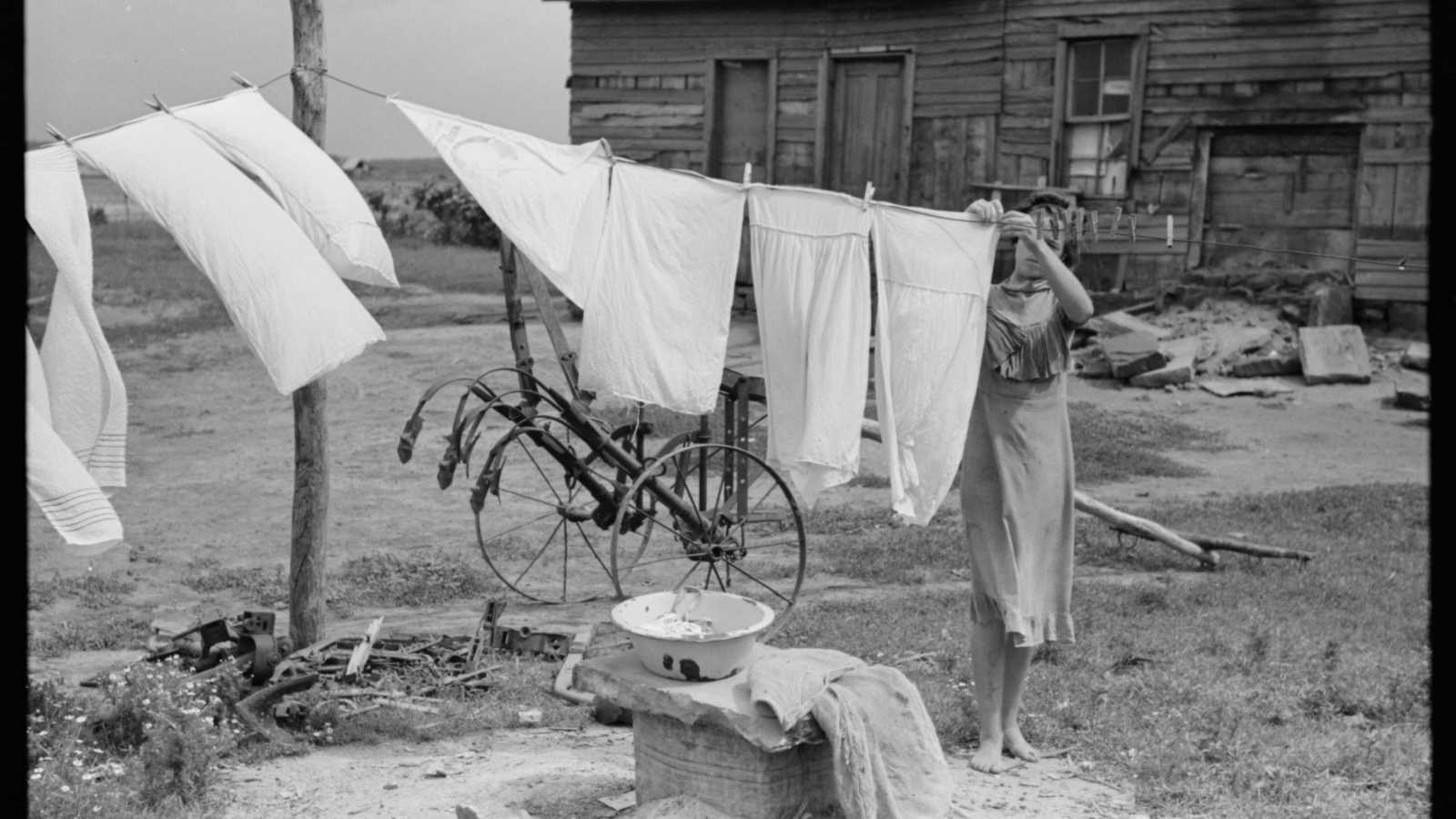
Before electric dryers became common, laundry meant hauling wet clothes outside and pinning them by hand. Timing with the weather, avoiding bugs, and sometimes re-hanging after a rainstorm added layers of challenge.
While the sun-dried scent of linens was delightful, the chore itself required focus and physical effort, creating a routine that taught patience.
Defrosting the Freezer Manually
Pre-frost-free appliances required chipping away ice with utensils, catching water in pans, and taking hours to complete. It was messy, tedious, but necessary to preserve food.
Rinsing and Returning Glass Bottles
Returning glass bottles for deposits involved thorough rinsing and careful sorting.
Children learned responsibility and the value of even small contributions to family resources.
Cleaning Windows With Vinegar and Newspaper
Windows were washed with vinegar and newspaper, producing streak-free results but leaving hands blackened.
This task often required ladders and a full-day effort, creating a sense of thoroughness rarely expected of children today.
Conclusion
Looking back at these chores, it’s clear that growing up for Boomers involved lessons in resilience, patience, and responsibility that went far beyond simple tasks. Every bucket hauled, floor scrubbed, and errand run taught practical skills, teamwork, and a work ethic rarely demanded of kids today.
While modern conveniences have simplified daily life, they’ve also removed opportunities for hands-on learning and self-reliance. These chores weren’t just work; they were the building blocks of independence, problem-solving, and family cohesion, offering a glimpse into a childhood defined by diligence, contribution, and a strong sense of personal accountability.


