Cruises are sold as the easiest vacation on earth. One fare, one ship, endless food, ocean views, nightly entertainment, and a new destination almost every morning.
Then the bill starts growing, and the extras begin to stack up.
For many first-time cruisers, the shock does not come from the ticket price. It comes from the little extras that quietly pile up after booking, boarding, drinking, dining, texting, tipping, shopping, and stepping off the ship.
A cruise can still be a great trip, but only if travelers understand what is not included.
Port Fees Can Inflate the Real Price
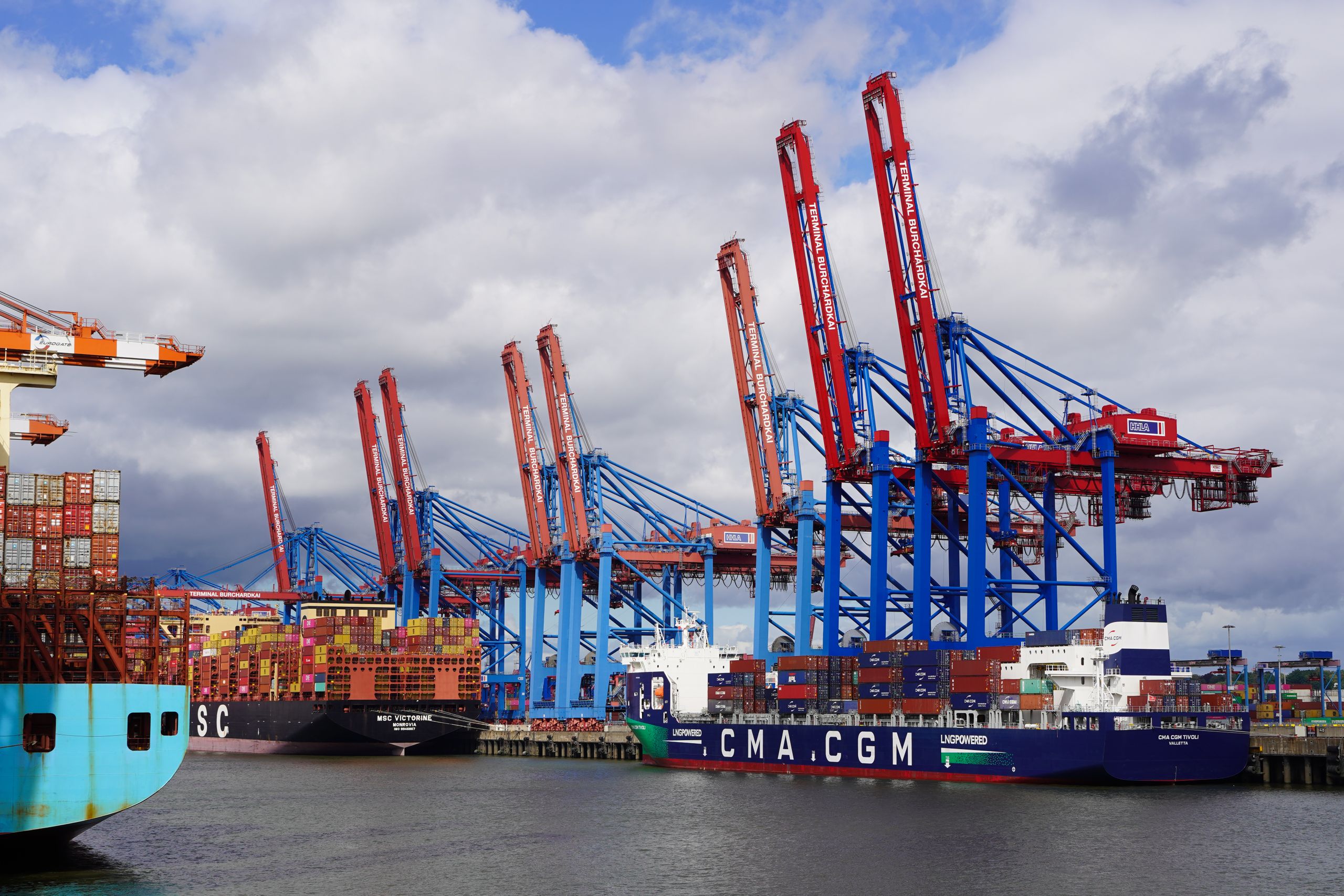
That tempting cruise fare may not show the whole cost at first glance. Port fees and taxes can add a noticeable amount before checkout, especially on routes with expensive or heavily visited ports.
This is why one “cheap” sailing can suddenly look less cheap once the final booking page appears. The base fare gets attention, but the fees help tell the real story.
Daily Gratuity Adds Up Fast
Many cruise lines add daily gratuities or service charges to each passenger’s onboard account. It may look small per day, but for two people on a seven-night sailing, it can become a serious extra line item.
This catches families even harder. A group of four may board, thinking the vacation is paid for, only to realize the daily service charge keeps multiplying by the number of people and nights.
Drinks Are Often a Budget Killer
Food may be included, but alcohol usually is not. Cocktails, wine, beer, and even some nonalcoholic drinks can quickly turn a relaxed evening into an expensive habit.
Drink packages can help some travelers, but they are not always a bargain. If you only drink lightly, the package may cost more than paying as you go.
Fancy Coffee Is Not Always Free

Basic coffee may be available at no extra charge, but specialty coffee is often charged for separately. Lattes, cappuccinos, iced coffees, and branded café drinks can cost extra.
That morning coffee routine can quietly become a daily chore. One drink may not hurt, but seven days of premium coffee for two people can make the final bill sting.
Specialty Restaurants Charge More
Cruises are famous for endless food, but not every restaurant on board is included. Many ships now feature steakhouses, sushi spots, Italian restaurants, seafood venues, and chef-driven dining rooms that come with an extra fee.
The problem is not that these restaurants exist. The problem is that passengers may assume “all food is included” and then discover that some of the most appealing meals are charged separately.
Premium Menu Items Can Surprise You

Even inside the main dining room, some menu items may cost more. Lobster, premium steak, seafood towers, and certain upgraded entrees may carry an additional charge.
That can feel sneaky because the main dining room already feels like part of the fare. But once premium items appear on the menu, the included meal suddenly has a luxury lane.
Wi-Fi Can Be Shockingly Expensive
At sea, internet access is not like using Wi-Fi at a hotel or coffee shop. Cruise ships often rely on satellite systems, and passengers usually pay for access through daily or voyage-long packages.
For travelers who need to work, post, message family, or keep kids entertained, Wi-Fi can become hard to avoid. The cost can feel especially frustrating when the connection is slower than expected.
Shore Excursions Are Rarely Included
The ship may take you to beautiful ports, but the activities on land usually cost extra. Snorkeling, city tours, cooking classes, beach transfers, zip-lining, museum visits, and guided hikes can all add to the total.
Cruise-booked excursions may offer convenience, but they are not always cheap. Independent tours can sometimes cost less, though they may require more planning and responsibility.

Getting sick or injured on a cruise is not just inconvenient. It can also be expensive. Ship medical centers are useful, but they are not the same as going to your local clinic with standard insurance coverage.
Travelers should check what their health insurance covers before sailing. A medical emergency outside the United States can become financially painful without proper travel insurance.
Spa Access Is Not Always Included
A cruise ship spa can look like a peaceful escape from crowds, noise, and buffet lines. But massages, facials, salon services, thermal suites, saunas, and special pools often incur additional fees.
Even when basic fitness areas are free, the relaxing extras may not be. The spa can become one of the easiest places to overspend because the environment is designed to make splurging feel harmless.
Fitness Classes May Cost Extra
The gym may be included, but group classes are often another story. Yoga, spinning, Pilates, boot camps, and specialty wellness sessions can carry separate charges.
For passengers who want to stay active without simply walking on a treadmill, these costs can be annoying. It is another reminder that “included amenities” can have limits when you look more closely.
Laundry Can Drain a Small Budget

Packing light sounds smart until you realize laundry on board may cost more than expected. Some ships offer self-service laundry, while others rely on paid laundry and dry-cleaning services.
For families, longer cruises, or travelers doing back-to-back trips, this cost can creep up. A few shirts, pants, or kids’ outfits can add up to a surprisingly large bill.
Forgotten Toiletries Can Cost Too Much
A forgotten toothbrush, toothpaste, sunscreen, pain reliever, or deodorant can become more expensive once you are trapped on a ship. Convenience stores at sea know passengers do not have many choices.
This is one of the simplest cruise costs to avoid. Pack a small emergency kit before leaving home, because buying basics onboard can feel like paying tourist prices in the middle of the ocean.
Babysitting Is Not Always Free
Cruises may offer kids’ clubs, family activities, and supervised programming, but late-night babysitting or nursery care often costs extra. Parents who want dinner alone or a quiet show may need to pay by the hour.
That does not make cruises bad for families. It just means parents should read the childcare details carefully before assuming every kid-friendly perk is included.
Corkage Fees Can Ruin the “I Brought My Own” Plan
Some cruise lines allow passengers to bring a limited amount of wine or champagne on board. But opening it in a dining room can trigger a corkage fee.
That small rule can surprise travelers who thought bringing a bottle would save money. On a cruise, even saving money sometimes comes with a price tag.
The Real Trap Is Thinking the Fare Is the Final Cost

The biggest cruise mistake is treating the advertised fare like the full vacation budget. The real cost often includes taxes, port fees, gratuities, drinks, Wi-Fi, excursions, specialty meals, and onboard extras.
A cruise can still be worth it. But the smartest passengers board with a second budget, not just a suitcase. The ocean may look endless, but your spending limit should not be.
