13 Safety Rules Everyone Follows but Should Ignore
Safety rules are like comfort blankets; they make us feel secure, even when we’re not really in danger. That doesn’t mean that just because something has been done the same way for decades that it’s the right way. Some of these practices are just based on misconceptions, some are outdated, and some are quite simply impractical for modern living. Sometimes blindly following these can be more harmful than helpful.
Looking at these so called safety rules with new eyes can help us better protect ourselves and those that we care for. Safety isn’t one size fits all, after all—what works in one situation might be the opposite of what works in another.
Standing Under a Doorframe During an Earthquake

It’s been passed down like folklore: “Stand under a doorframe if an earthquake hits!” However, the way modern homes are built differs from those old adobe structures this advice came from. Today’s doorframes aren’t necessarily any stronger than the rest of the house, and they don’t necessarily provide the protection you’d expect. Instead, the CDC advises drop, cover, and hold on under a sturdy piece of furniture.
All Strangers Are Dangerous

We teach kids to stay away from strangers as if everyone unknown is a guarantee for doom. Yes, it’s important to be careful, but the reality is that most of the damage is done by people we know, not strangers. A more practical approach is teaching kids to know the difference between good and bad behavior, who it is coming from doesn’t matter.
No Cell Phone Use at Gas Station

For years, gas stations carried signs warning against using cell phones because of the risk of explosions. That rule is a rule that you remember because it sounds dramatic. Still, there’s no documented case of a cell phone igniting a gas station fire. The real danger comes from static electricity, experts say, so touch something metal before pumping gas to discharge any built-up.
Reporting a Missing Person After 24 Hours
Hollywood loves the trope that you can’t report someone as missing until they’re gone for 24 hours. In real life, those first few hours are key. The FBI, like other law enforcement agencies, urges people to report missing persons quickly, especially when the missing person is a child or someone else who is vulnerable. When swift action can make all the difference, delaying can waste precious time.
Run in a Zigzag to Avoid an Animal Attack

If a wild animal is chasing you, you have probably heard that running in a zigzag will throw them off. While this may work for crocodiles (in a super-specific scenario), most predators are faster, more agile, and don’t use a straight line to capture you. Your best bet? Be big, be loud, be intimidating, or walk away, depending on the animal. Unless you are auditioning for a comedy skit, forget the zigzag dance.
Not Swimming After Eating

One thing parents always say is, ‘Wait 30 minutes after eating before you swim!’ The idea is that it will cramp your stomach, and you’ll sink like a rock. Science, however, doesn’t back this up. While a big meal may make you a bit sluggish, Mayo Clinic says, there’s no evidence you’ll cramp or drown. So if you are comfortable, dive in.
Throwing Water on a Grease Fire

You know you’re supposed to put water on a fire, but you also know that it makes things worse with grease fires. It spreads the flames, possibly turning a small kitchen disaster into a big one. Instead, smother the fire with a metal lid, baking soda, or a fire extinguisher designed for grease fires. Stay calm and don’t play firefighter with a cup of water.
Breaking Windows to Escape a Sinking Car
Movies make it look so simple to escape a sinking car: smash a window, swim to freedom. In truth, you need special tools to break car windows underwater, and trying to do it with your elbow or a shoe will probably waste precious time. Experts suggest having a window-breaking tool in your car and concentrating on rolling down the windows as soon as the car hits the water. That’s your safest bet to get out of here.
Everything Can Be Fixed With Duct Tape
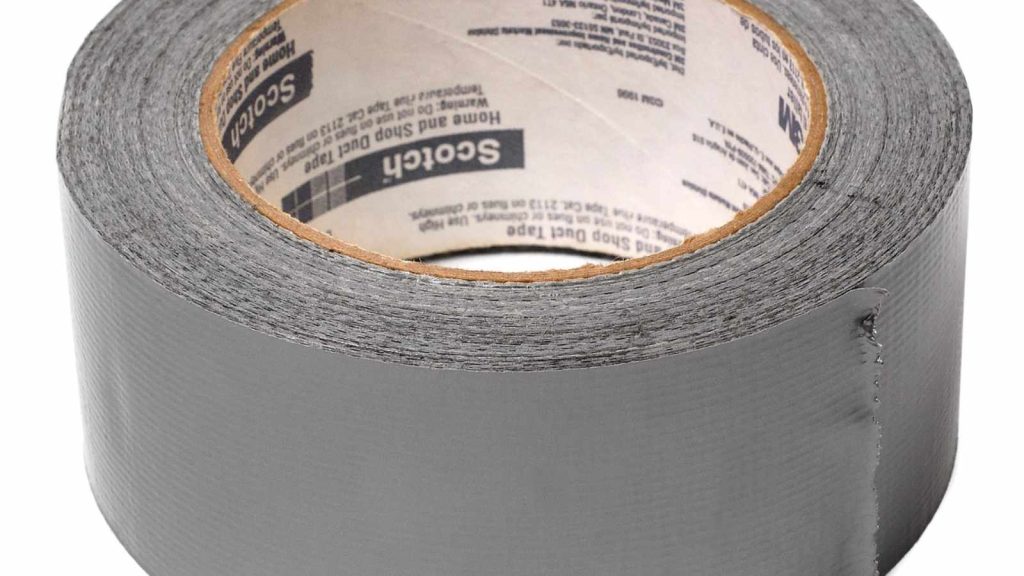
Duct tape has become something of a mythical problem solver, but when it comes to safety, it often leaves something to be desired. For example, if you use it to secure a wire that is damaged or a broken piece of equipment, you are just creating more problems. There’s a reason electrical tape exists, and there’s no shame in calling a professional when you can’t DIY it.
Relying Only on GPS While Driving

GPS certainly makes life easier, but don’t count on it being infallible. Signals can drop, maps aren’t always updated, and systems can fail. It may be overkill to keep an old-fashioned paper map in your car, but if your GPS takes you to the middle of nowhere—or worse: down a dangerous road—then it will be the source of much less stress than the GPS.
Avoiding All Germs
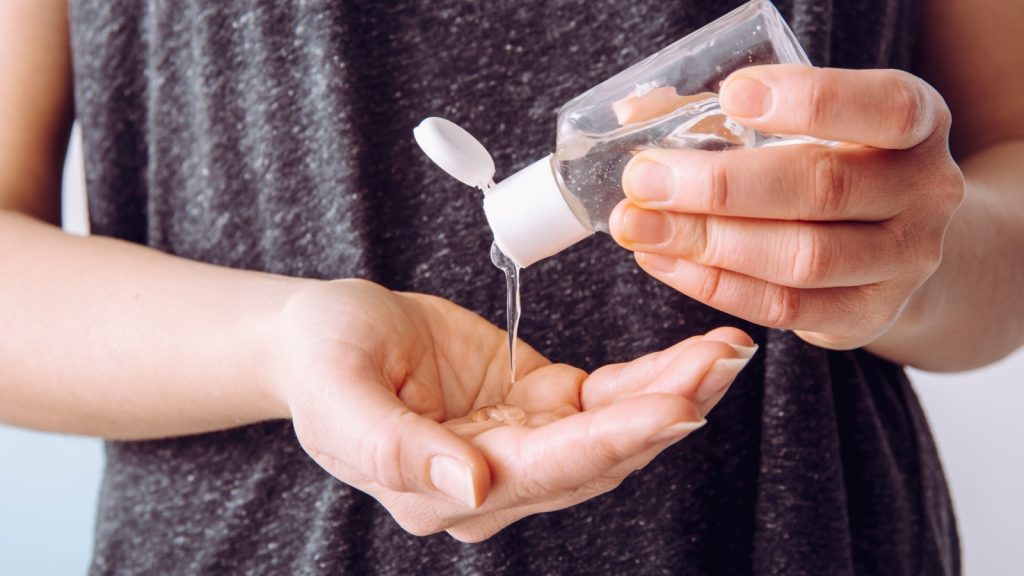
We’ve become germaphobes thanks to hand sanitizers and antibacterial everything. Not all germs are bad, and even some exposure to germs helps build a stronger immune system. Too much sanitizing can actually make kids more susceptible to allergies and asthma. So let your kids play in the dirt — it’s good for them.
Thawing Frozen Pipes by Using Boiling Water
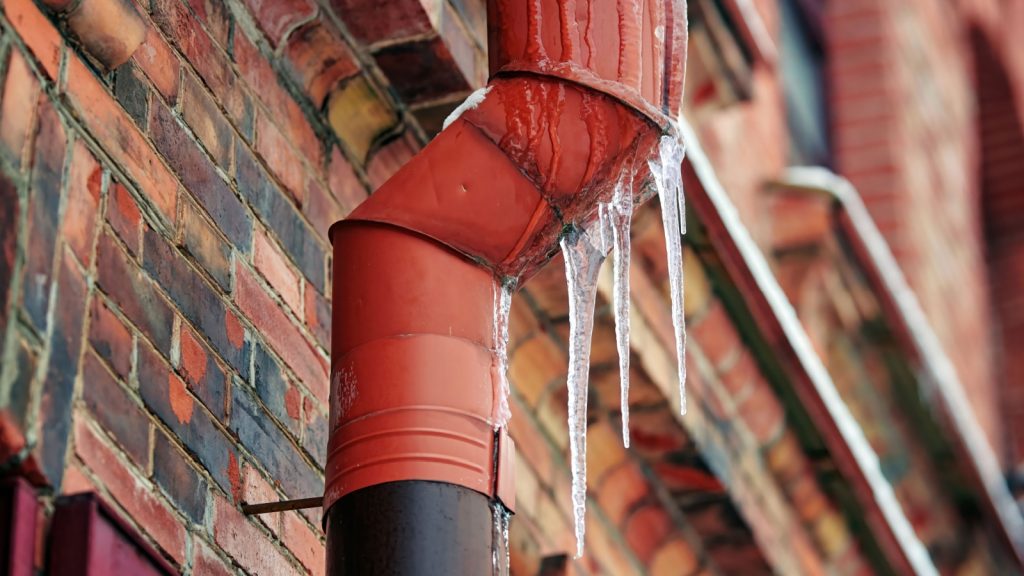
Frozen pipes are a winter nightmare, and boiling water appears to be the quickest fix. Yet, extreme temperature change can lead to cracked pipes. Instead, use a hair dryer or wrap pipes in warm towels. Just like slow and steady wins the race, it saves your plumbing bill.
Always Walking in Well-Lit Areas at Night

It’s counterintuitive, but sometimes it isn’t the safest thing to stick to well-lit areas at night. Deserted areas make you more vulnerable, and brightly lit spots can make shadows that hide attackers. It is better to walk with a friend, be observant, and know your route than to chase the light.
Disclaimer: This list is solely the author’s opinion based on research and publicly available information.