


Eating at your desk looks harmless until the crumbs, stress, sore neck, and half-finished emails start piling up together. It feels efficient because you are technically working and eating at the same time, but your body and brain usually get the short end of the stick.
Lunch becomes another task rather than a real pause, and that small daily habit can slowly turn your workday into a long blur.
The problem is not the sandwich, the salad, or the leftovers sitting beside your keyboard.
The problem is what happens when your lunch break disappears without you noticing. Eating at your desk can hurt your focus, mood, digestion, relationships at work, and even how others see your professionalism.
Your Brain Never Gets a Real Reset
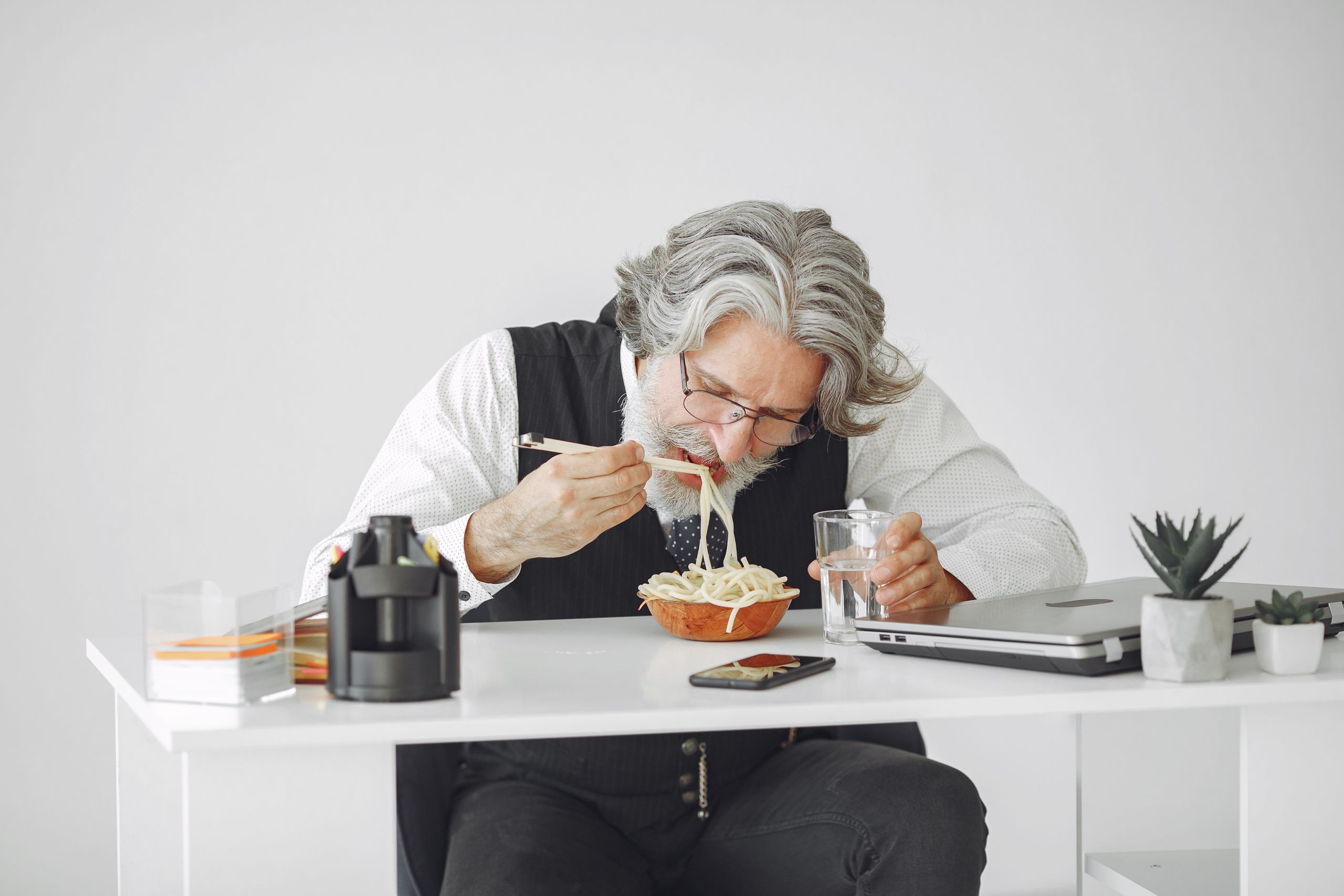
A lunch break should give your mind a clean pause from deadlines, tabs, calls, and messages. When you eat at your desk, your brain keeps processing work instead of switching gears.
You may finish the food, but you do not get the mental recovery that makes the afternoon feel manageable.
That lack of reset can make small tasks feel heavier later in the day. Emails take longer, simple decisions feel like a hassle, and your patience wears thin.
A real break does not waste time because it helps your brain come back sharper.
You Train Yourself to Ignore Your Own Hunger
Desk eating often turns lunch into background noise. You answer one message, scroll through one document, check one notification, and suddenly the meal is gone before you actually taste it.
That pattern can make it harder to notice when you are full, satisfied, or still hungry.
This is how mindless eating sneaks into the workday. You may reach for more snacks later because your lunch never felt like a real meal.
Your body got calories, but your mind did not register comfort, pleasure, or a proper pause.
Your Workspace Gets Dirtier Than You Think
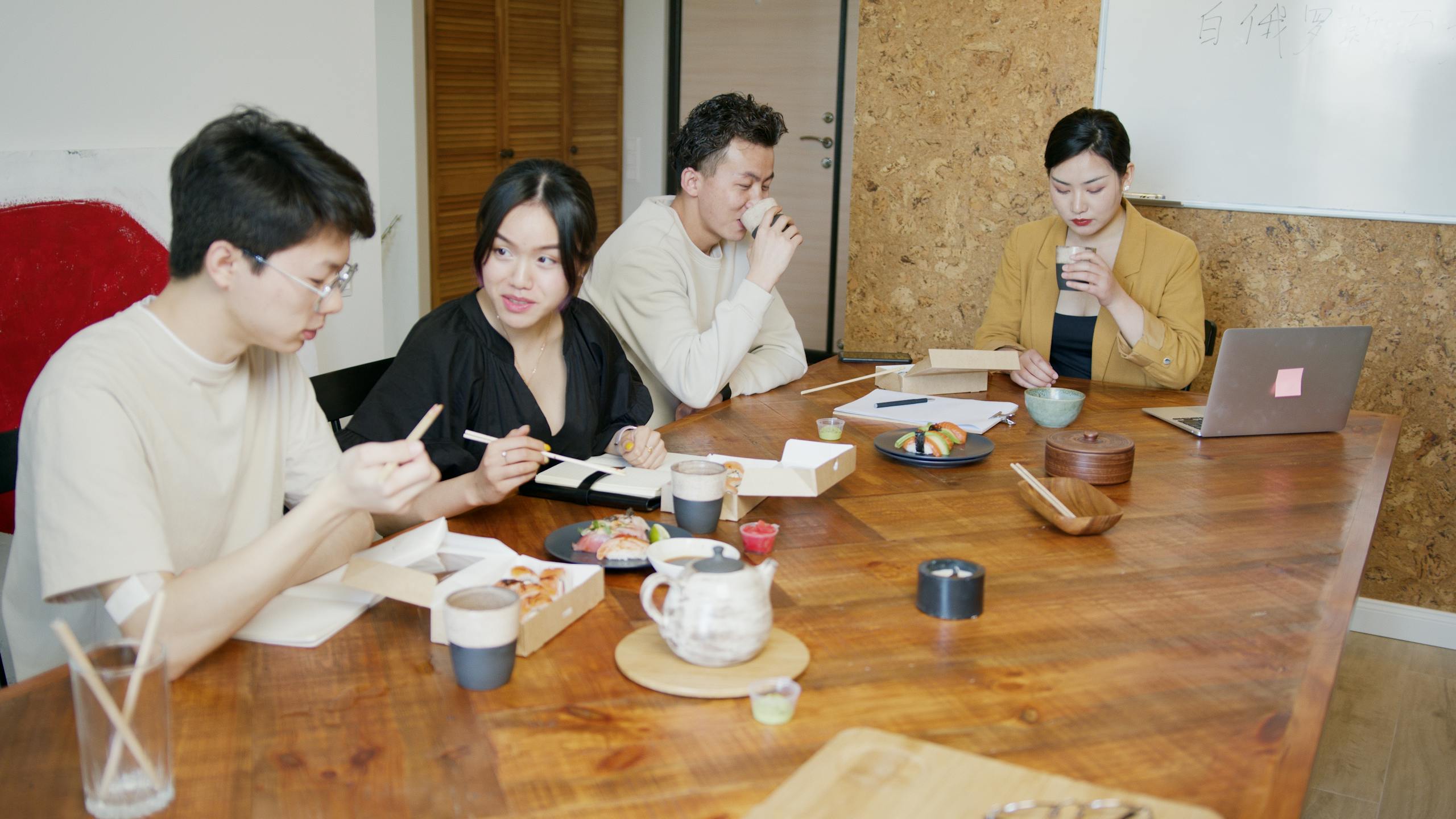
A desk is not a dining table, even when people treat it like one. Keyboards, phones, mouse pads, pens, notebooks, and coffee mugs collect more mess than most workers want to admit.
Add crumbs, sauces, wrappers, and spills, and your workspace can become a quiet little buffet for bacteria and bad smells.
It also creates clutter, making work feel more chaotic. A sticky desk or greasy keyboard can make your space feel careless, even if your work is strong.