


Finding out our cat has worms can make the home feel risky. Floors, sofas, and even litter boxes suddenly seem like hazards. We tackle this calmly by cleaning strategically, treating the cat, and stopping reinfection before it spreads.
Parasites like roundworms, hookworms, and tapeworms behave differently, so the cleaning plan must cover litter, bedding, soft fabrics, floors, and the cat’s favorite spots. A coordinated approach between home cleaning and veterinary care ensures lasting results.
Our goal is simple: remove contaminated waste, wash washable items, vacuum surfaces that trap debris, disinfect safe areas, and follow the vet’s treatment plan. Together, these steps prevent a recurring infestation.
Confirm the Worm Type and Start Treatment

The first step is veterinary diagnosis. Roundworms, hookworms, and tapeworms require different medications, and guessing can leave parasites alive. Tapeworms often indicate fleas, so addressing parasites without flea control may prolong the problem.
We follow the vet’s prescription carefully. Repeat doses may be necessary, and monitoring the cat’s health ensures both effective treatment and a cleaner environment. Even during treatment, cleaning must continue to prevent eggs from settling.
Isolate the Cat During Early Treatment
Providing a small, easy-to-clean area helps control contamination. Bathrooms, laundry rooms, or hard-floored spare rooms work best. The cat still needs food, water, toys, and a clean litter box to stay comfortable.
We remove blankets, rugs, and soft toys that trap debris. Limiting surfaces reduces the areas contaminated by feces, hair, and parasite eggs. This isolation keeps the cleanup manageable while treatment works.
Litter Box Cleaning Is Critical
The litter box is the primary source of eggs and larvae. Scooping daily, changing litter frequently, and discarding waste in sealed bags minimizes environmental contamination. Gloves and handwashing protect us from exposure to parasites.
For deep cleaning, we empty the box, scrub it with hot soapy water, rinse thoroughly, and dry completely before refilling. Scratched or old boxes should be replaced to remove hidden debris.
Wash Bedding and Soft Items
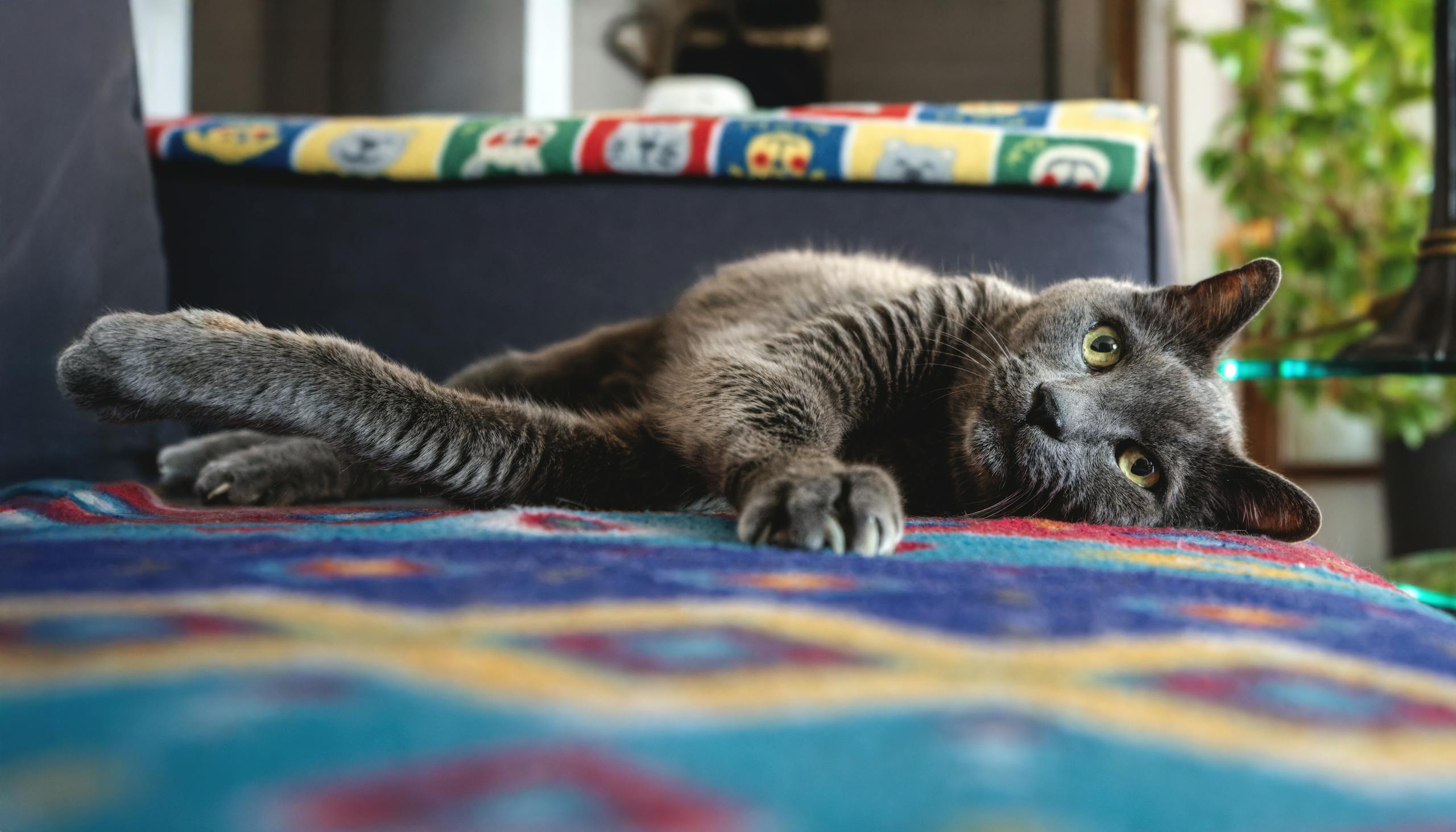
Soft fabrics like cat beds, blankets, and washable toys trap hair, dirt, and possible eggs. Hot water and thorough drying reduce contamination. Shaking dirty items is avoided to prevent the spread of particles.
Unwashable items may need replacement. Simplifying the cat’s area with a washable bed and a few clean toys keeps hygiene manageable.
Vacuum Carpets, Rugs, and Furniture
Parasite debris can settle in carpets, rugs, sofas, and cat trees. We vacuum slowly along seams, corners, and posts to remove hair, litter dust, and potential eggs. Safely emptying the vacuum prevents accidental contamination.
Upholstered furniture and cat trees require repeated cleaning. If heavily soiled, replacement may be safer than keeping contaminated surfaces in the home.
Disinfect Floors and High-Touch Areas
After removing visible dirt, we clean hard floors with hot soapy water and a pet-safe disinfectant. Focus on areas near litter boxes, feeding stations, and resting spots. Food bowls and high-touch surfaces are washed separately to prevent chemical exposure.
Pet-safe practices matter. Ventilation, following product directions, and rinsing surfaces protect both pets and humans.
Address Flea Control for Tapeworms
Tapeworms often spread via fleas. Treating only the infected cat leaves fleas to continue the cycle. We follow a veterinarian-approved flea plan and thoroughly clean the environment.
Vacuuming, washing bedding, and cleaning surfaces reduce flea eggs and debris. In heavy infestations, professional pest control may be needed.
Protect Children and High-Risk Family Members

Children, pregnant people, and immunocompromised adults are especially vulnerable. These family members should avoid litter duties or wear gloves with proper handwashing.
We prevent the cat from sleeping in children’s beds during treatment. Floors, low shelves, and toys are cleaned frequently to minimize contact with potential contaminants.
Handle Accidents Immediately
Vomiting, diarrhea, or passing worms outside the litter box requires prompt cleanup. Solid matter is removed first, followed by hot-water cleaning and a pet-safe disinfectant. Blotting avoids spreading contamination further.
Bedding or clothing is washed immediately, and if accidents continue, the veterinarian is consulted. Symptoms such as weakness or refusal to eat may indicate a more serious infection.
Outdoor Cleaning and Entry Points
Outdoor areas, especially if the cat goes outside, should be cleaned daily. Feces are removed from patios, gardens, and litter stations. Entry mats and barriers help prevent debris from reaching the house.
Frequent outdoor cleaning reduces the risk of reinfection, while living indoors only during treatment makes control easier. Routine preventive care afterward maintains safety.
Daily Routine Until Treatment Ends
Cleaning is not a one-time effort. Daily litter scooping, vacuuming, bedding washing, and floor wiping continue until the full deworming schedule is complete. Consistency breaks the parasite lifecycle.
Follow-up fecal tests confirm success. A clean house paired with effective treatment ensures the cat and home are parasite-free.
Prevention After Recovery

Routine veterinary checks and parasite prevention keep worms from returning. Indoor cats still face risk from fleas, rodents, or outdoor exposure. Keeping litter boxes clean, monitoring hunting behavior, and treating all pets in multi-pet households reduces future infections.
A simple, washable setup with regular cleaning, flea control, and veterinary guidance provides long-term protection. Consistent habits make future infestations less likely.
Conclusion
Cleaning after a worm infection is a combination of organized hygiene and veterinary care. Promptly removing feces, washing fabrics, vacuuming, disinfecting surfaces, and treating for fleas prevent reinfection.
Following the vet’s deworming plan and maintaining daily cleaning ensures a safe environment. With consistent effort, the cat recovers, and the home returns to a healthy state.


