


Recycling is vital to reduce waste, conserve resources, and protect the environment. However, not everything that seems recyclable actually belongs in your curbside bin.
Misplacing non-recyclable items into your recycling can lead to contamination, malfunctioning machines, and a wasteful recycling process.
Here’s a streamlined list of 12 household items that should never be recycled, along with an explanation for each.
Grease- or Oil-Soaked Cardboard

While cardboard pizza boxes are often seen as recyclable, greasy cardboard can’t be processed. The oils and food particles present can contaminate the rest of the recyclable materials, making it impossible for the recycling center to separate the valuable materials. If the cardboard is too greasy, dispose of it in the compost or trash instead.
Lids and Caps
Plastic lids and caps, especially those made from polypropylene (plastic #5), typically don’t make the cut for curbside recycling. These small items can fall through the sorting machinery or cause operational issues in recycling plants.
While some local programs accept them, many recycling centers do not. Check with your local recycling guidelines before discarding.
Packing Peanuts
Expanded polystyrene (EPS), also known as packing peanuts, is not recyclable in most areas. These small foam pieces can clog up recycling machines and cannot break down easily.
If you receive packing peanuts, consider reusing them or donating them to shipping centers that accept foam packing materials. Some stores even have collection bins for clean packing peanuts.
Ceramic Dishes and Bakeware
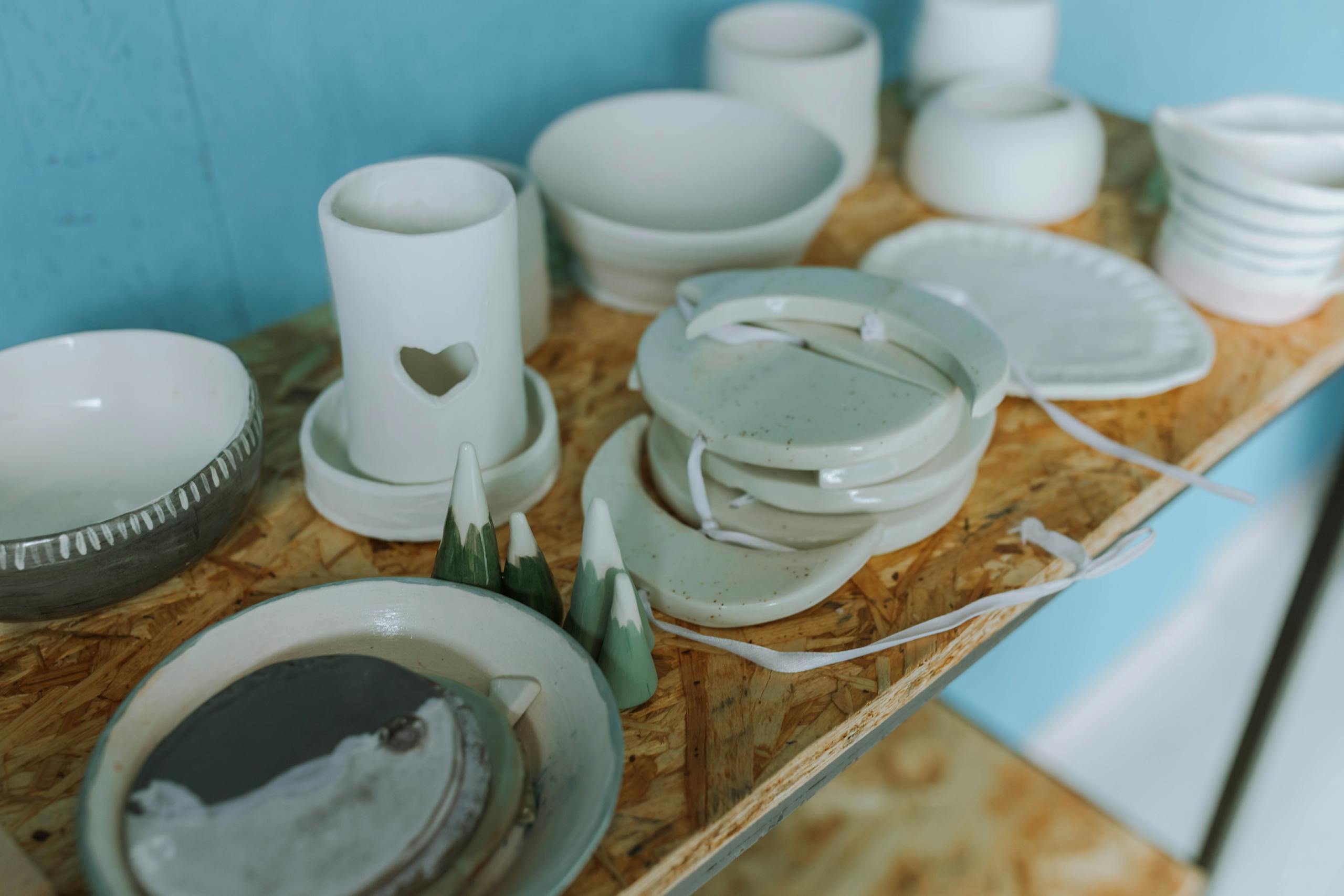
Ceramic items like dishes, pots, and oven-safe bakeware are built to withstand extreme heat and therefore cannot be recycled.
Unlike regular glass, ceramic materials cannot be processed in standard recycling facilities. If broken, dispose of them in the trash, or consider donating them if still in usable condition.
Styrofoam and Polystyrene Containers
Styrofoam, commonly used for takeout containers, cups, and packaging materials, is not recyclable and contributes to environmental pollution. It doesn’t biodegrade and can remain in landfills for hundreds of years.
Consider avoiding styrofoam products and opt for more sustainable alternatives, such as biodegradable packaging or reusable containers.
Plastic Straws and Utensils
Plastic straws and utensils are usually made from polystyrene (#6 plastic), which is difficult and expensive to recycle. These items often end up in landfills or as marine debris if improperly disposed of. Opt for reusable alternatives like metal or bamboo straws, and invest in eco-friendly utensils to reduce waste.
Aerosol Cans
Although aerosol cans are made of metal, they are pressurized, which makes them hazardous for recycling. If not disposed of properly, the contents of aerosol cans can damage recycling machinery or pose a safety risk to workers. To dispose of aerosol cans, consult local hazardous waste facilities for safe disposal guidelines.
Plastic Bags and Wraps
Plastic shopping bags, wraps, and bubble wrap are not accepted in curbside recycling bins because they can tangle around sorting equipment, leading to operational delays and breakdowns.
Many grocery stores offer designated bins to recycle plastic bags, and you can also reuse them for various household purposes.
Broken Glass

Although most glass containers like jars and bottles can be recycled, broken glass presents a safety risk at recycling facilities.
It can injure workers and damage equipment. For this reason, broken glass should be disposed of in a safe manner, such as in a sealed box or bag, and placed in the trash.
Hardcover Books
Hardcover books contain a combination of paper, glue, and other materials, which makes them difficult to recycle. The non-paper components, like the cover and binding, must be removed before you recycle the pages. Instead, donate hardcover books in good condition to libraries or second-hand stores.
Medical Waste
Used medical products, such as needles, syringes, and certain plastic prescription containers, are classified as biohazardous materials and cannot be recycled.
These items should be disposed of according to your local guidelines for hazardous or medical waste. Many pharmacies provide disposal bins for used medications and syringes.
Mattresses
Mattresses are bulky and can be difficult to recycle due to the materials they are made from, such as foam, fabric, and metal. While curbside pickup won’t collect old mattresses, some cities offer special recycling programs for them.
Contact your local waste management company for details on mattress recycling or consider donating usable mattresses to shelters or charitable organizations.
Key Takeaway
Recycling helps preserve the environment, but it’s important to dispose of materials correctly. Improper disposal of non-recyclable items can cause contamination, harm recycling equipment, and lead to unnecessary waste.
By adhering to proper guidelines and disposing of non-recyclable items in the appropriate manner, we can ensure that the recycling process is efficient and effective. Remember, if you’re ever in doubt, consult your local recycling program for the most accurate disposal instructions.


