


A dog that sheds lightly keeps couches, car seats and dark trousers looking a lot better. Many curly, wiry and silky coats hold onto hair instead of dropping it everywhere. Here are twelve breeds that shed so little that owners rarely notice, along with the brushing and trimming those coats need in return.
1. Poodle: The curly coat that keeps growing

The Poodle is a water dog with a thick, distinctive curly coat, and Wikipedia describes four sizes: Standard, Medium, Miniature and Toy. Poodles are active and intelligent, and they are especially able to learn from humans.
Poodle hair keeps growing rather than falling out like most dog fur, which is why furniture stays tidy but trips to the groomer do not stop. A pet owner can expect to groom a Poodle every four to eight weeks. Most pets wear a simple all-over clip.
2. Portuguese Water Dog: A fisherman’s helper with tight, low-shedding curls

The American Kennel Club describes the Portuguese Water Dog as a bright, biddable fisherman’s helper whose robust body is covered in tight, low-shedding curls. Along Portugal’s coast, these dogs herded fish into nets, retrieved lost tackle and carried messages between ships and shore.
The breed is eager and athletic, built for water work and still used for water rescue. The dense coat needs regular grooming, either in the retriever clip, which is one inch all over, or the lion clip, where the hindquarters and muzzle are clipped to the skin.
3. Miniature Schnauzer: A bearded ratter with a wiry coat that sheds very little

The AKC calls the Miniature Schnauzer a generally healthy, long-lived and low-shedding companion. At twelve to fourteen inches, the stocky little dog has a bushy beard and eyebrows that give it a human-like expression. German farmers bred the Standard Schnauzer down to miniature size to work as fearless barnyard ratters.
The Mini is the only terrier in the AKC group with no British blood. Its wiry topcoat and soft undercoat need frequent brushing and combing, and the breed sheds very little. Most pet owners have the coat clipped by a professional groomer every five to eight weeks, while show dogs are stripped by hand.
4. Soft Coated Wheaten Terrier: Silky wheat-colored hair that behaves like human hair

The Soft Coated Wheaten Terrier is named for its silky, wheat-colored coat. According to Wikipedia, the hair does not shed like that of most dogs; like human hair and Poodle hair, it keeps growing. Wheatens are generally friendly and playful, and they tend to get along well with children and other dogs.
The Irish name, An Brocaire Bui, simply means yellow terrier. Bred in Ireland for over two hundred years as all-purpose farm dogs, Wheatens weigh about thirty to forty-five pounds. The trade-off for little shedding is daily care: the coat should be brushed and combed once a day to avoid mats and trimmed regularly.
5. Irish Water Spaniel: The tallest spaniel, in crisp liver-colored curls
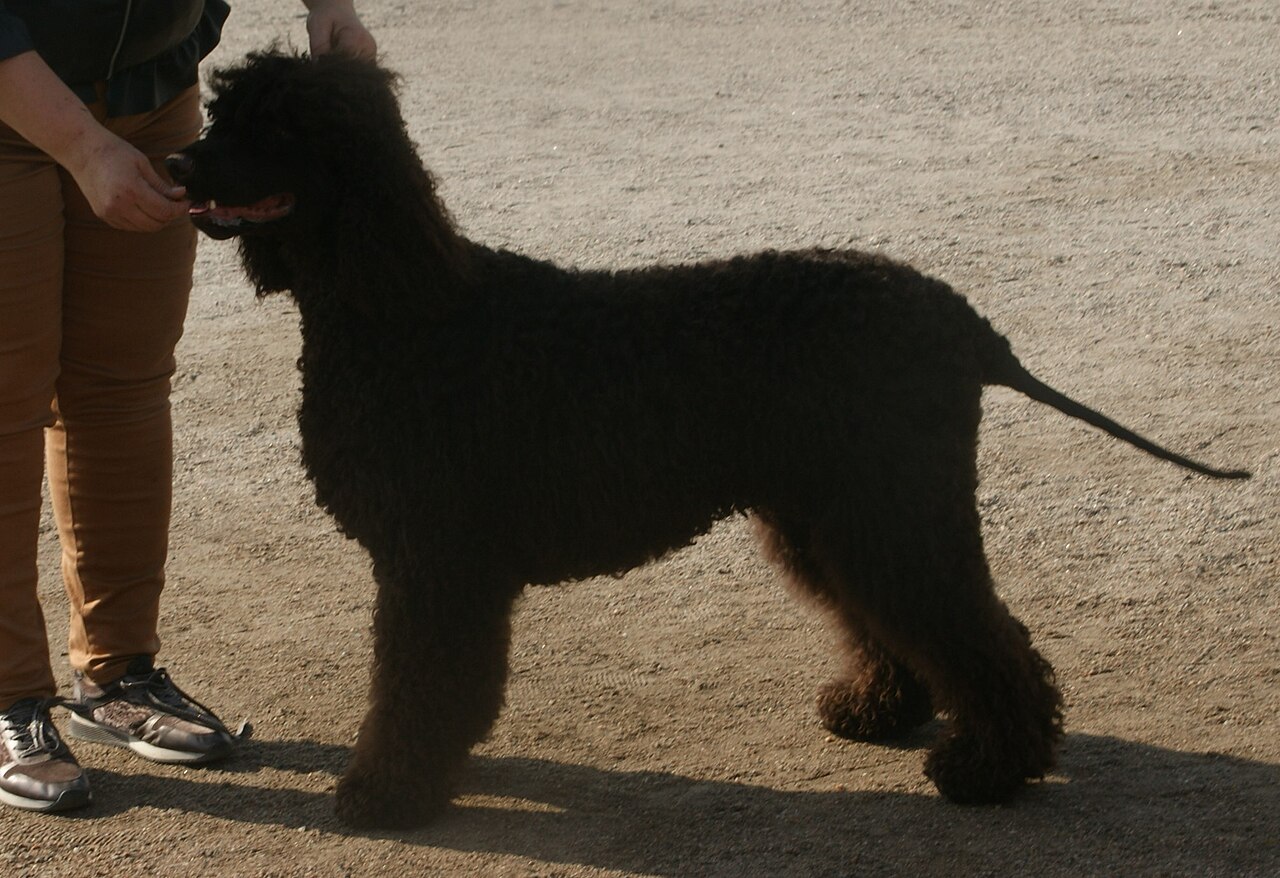
The AKC calls the Irish Water Spaniel the tallest of its spaniels, instantly recognizable by a crisply curled, liver-colored coat and a tapering rat tail. A topknot of long loose curls crowns the head. Champion swimmers, these dogs stand 21 to 24 inches tall, weigh 55 to 65 pounds, and are hardworking in the field and playfully affectionate at home.
The modern breed took shape in the 1830s, when sportsman Justin McCarthy set the type with his famous dog Boatswain. The waterproof coat calls for gentle brushing at least weekly and trimming about every two months. Starting grooming in puppyhood makes it a pleasant routine.
6. Lagotto Romagnolo: Italy’s truffle-hunting teddy bear
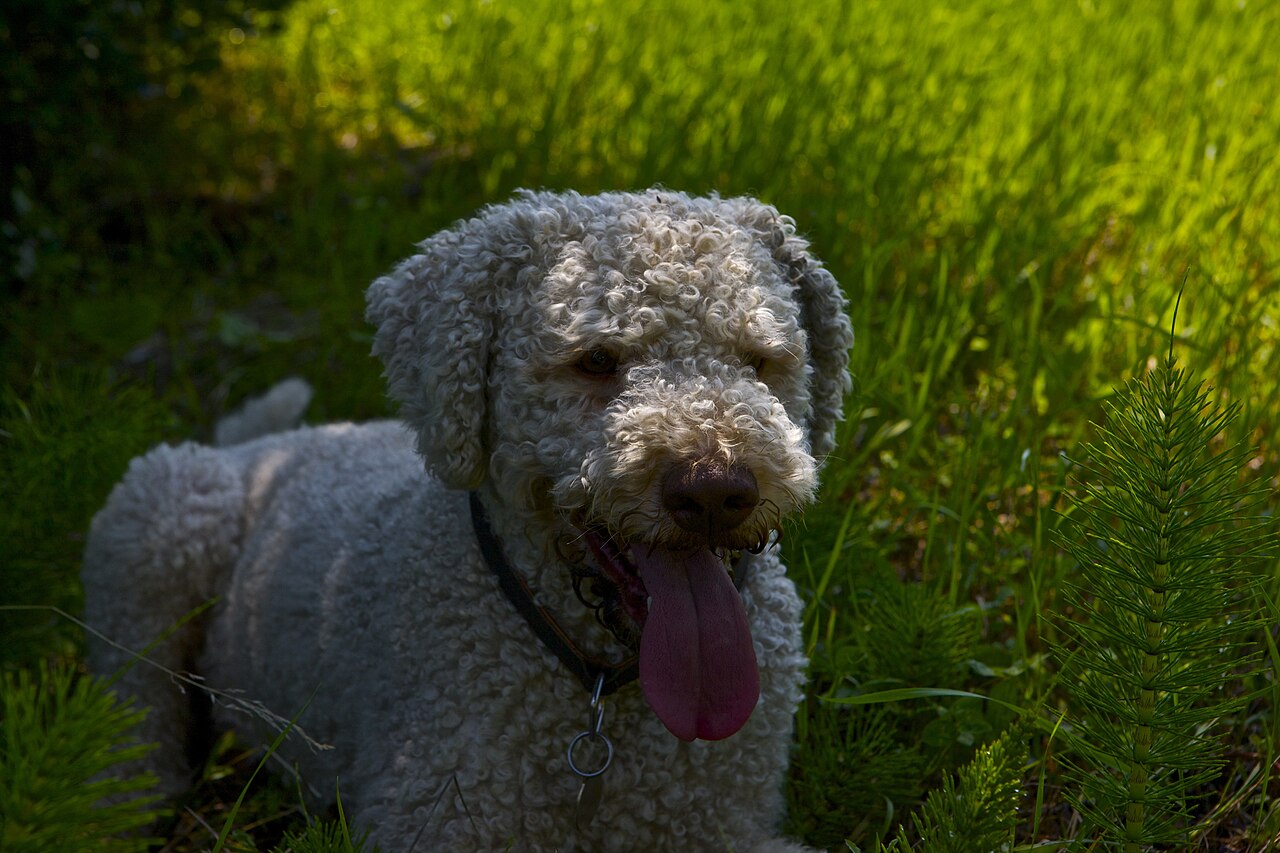
The AKC calls the Lagotto Romagnolo Italy’s adorable truffle dog, with a curly coat and lavish facial furnishings. Bred as a waterfowl retriever in the marshes of Ravenna, it is generally considered the world’s finest truffle dog. It weighs no more than thirty-five pounds.
Behind the teddy-bear looks is a rugged, very active worker. The trademark curls behave like human hair, forming a waterproof double coat that sheds only minimally. The coat needs regular trimming, and some Lagotti mat more than others, so steady grooming matters.
7. Xoloitzcuintli: The Mexican hairless dog with an ancient name
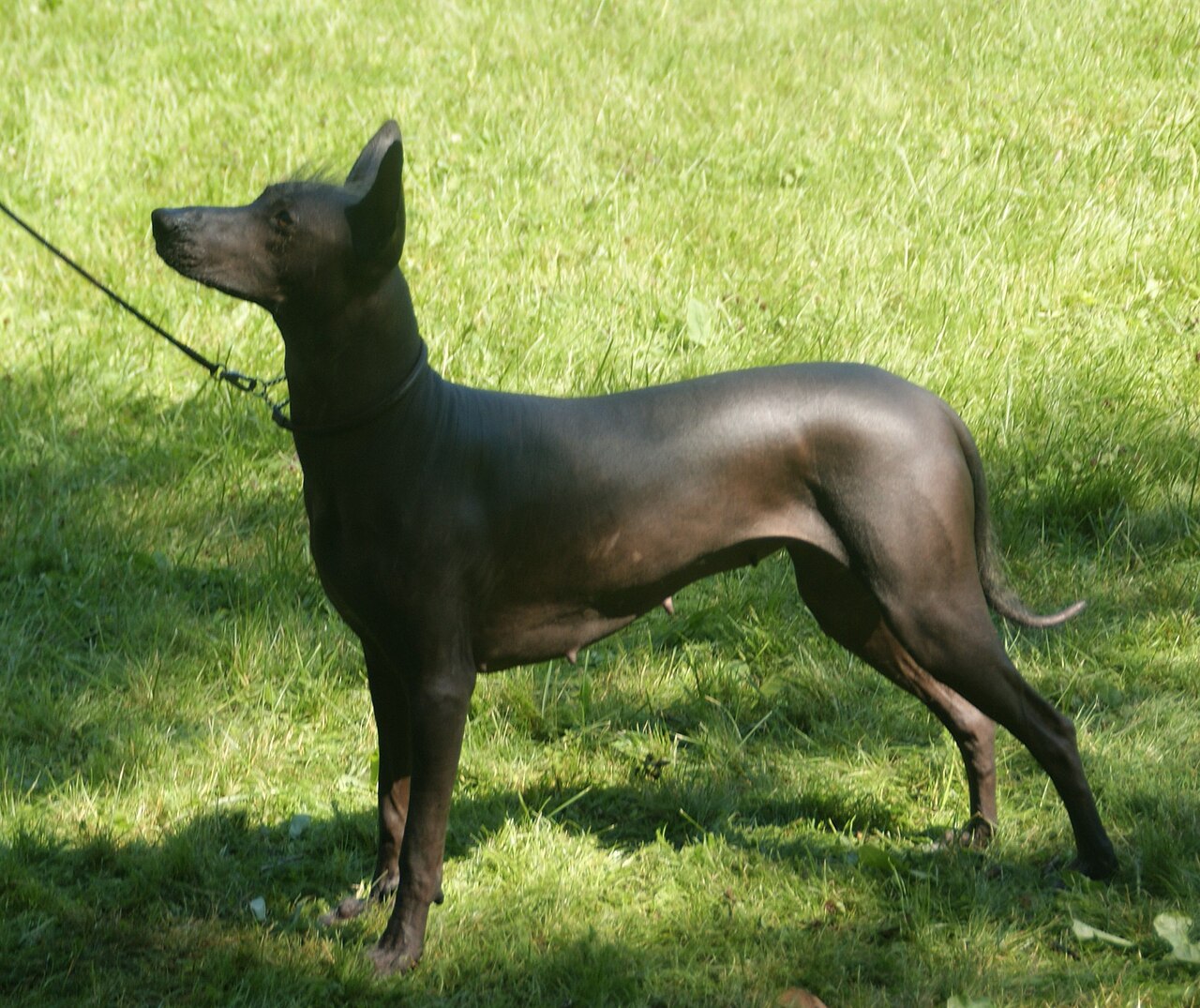
The Xoloitzcuintli, or Xolo, is one of several hairless dog breeds. Wikipedia notes that it comes in standard, intermediate and miniature sizes, and in both hairless and coated types, which can even be born in the same litter. The hairless variety is known as the Mexican hairless dog, or perro pelon mexicano.
With no coat to shed, the hairless Xolo leaves little fur behind, and the breed is described as having a calm and attentive temperament. Skin care takes the place of brushing: regular bathing, light grooming and basic skin care are needed, because neglect can lead to acne or other skin problems.
8. Chinese Crested: A spotted-pink, spiky-crested charmer
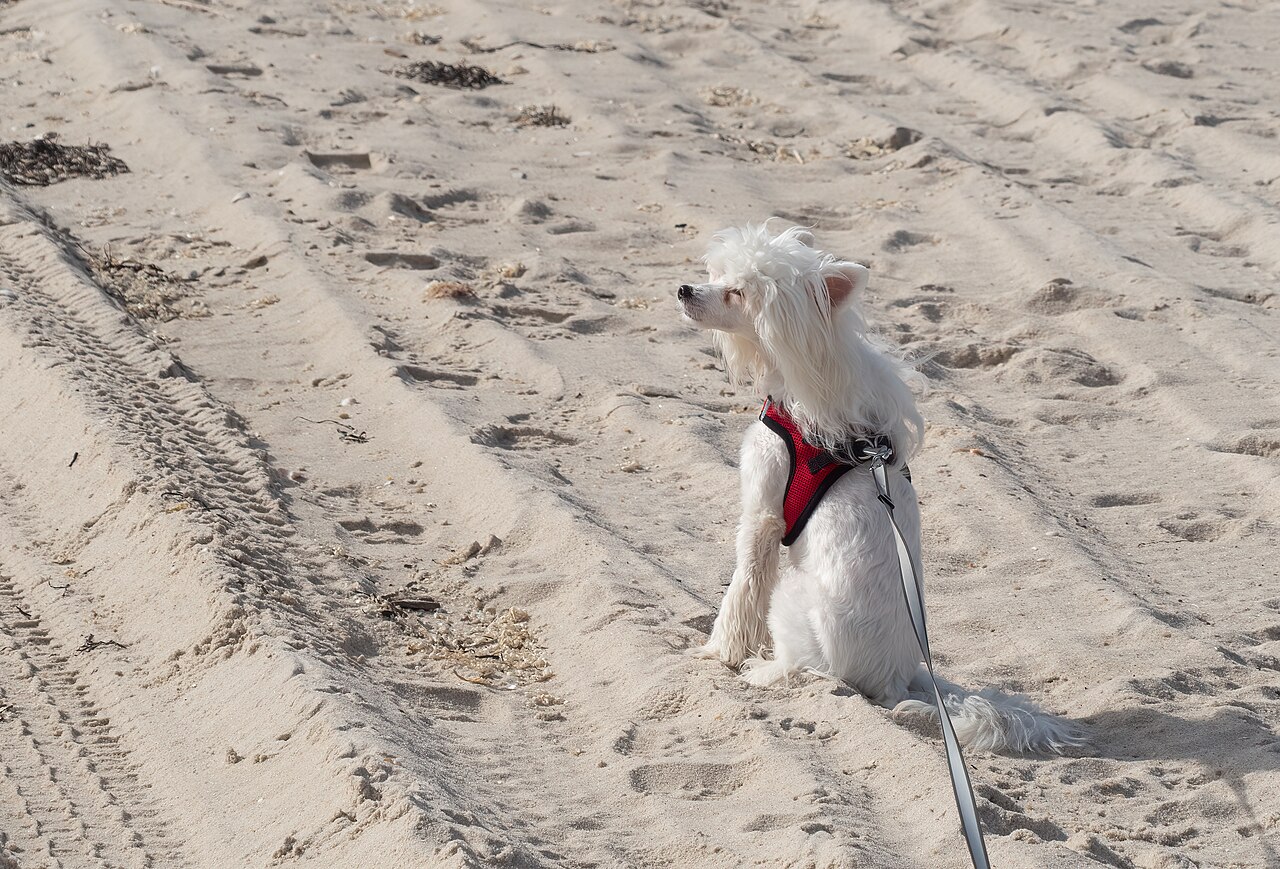
The AKC says the sweet and slender Chinese Crested cannot be mistaken for any other breed, with spotted pink skin, a spiky crest, furry socks and a feathery tail. The toy breed can be hairless or coated and is described as alert, loyal and calm. Its ancestors were shipboard rat catchers.
The hairless variety has smooth skin and tufts only on the head, tail and ankles, but exposed skin is prone to irritation and sunburn. The coated Powderpuff has a soft, silky coat that should be brushed daily.
9. Kerry Blue Terrier: A soft slate-blue coat that does not shed
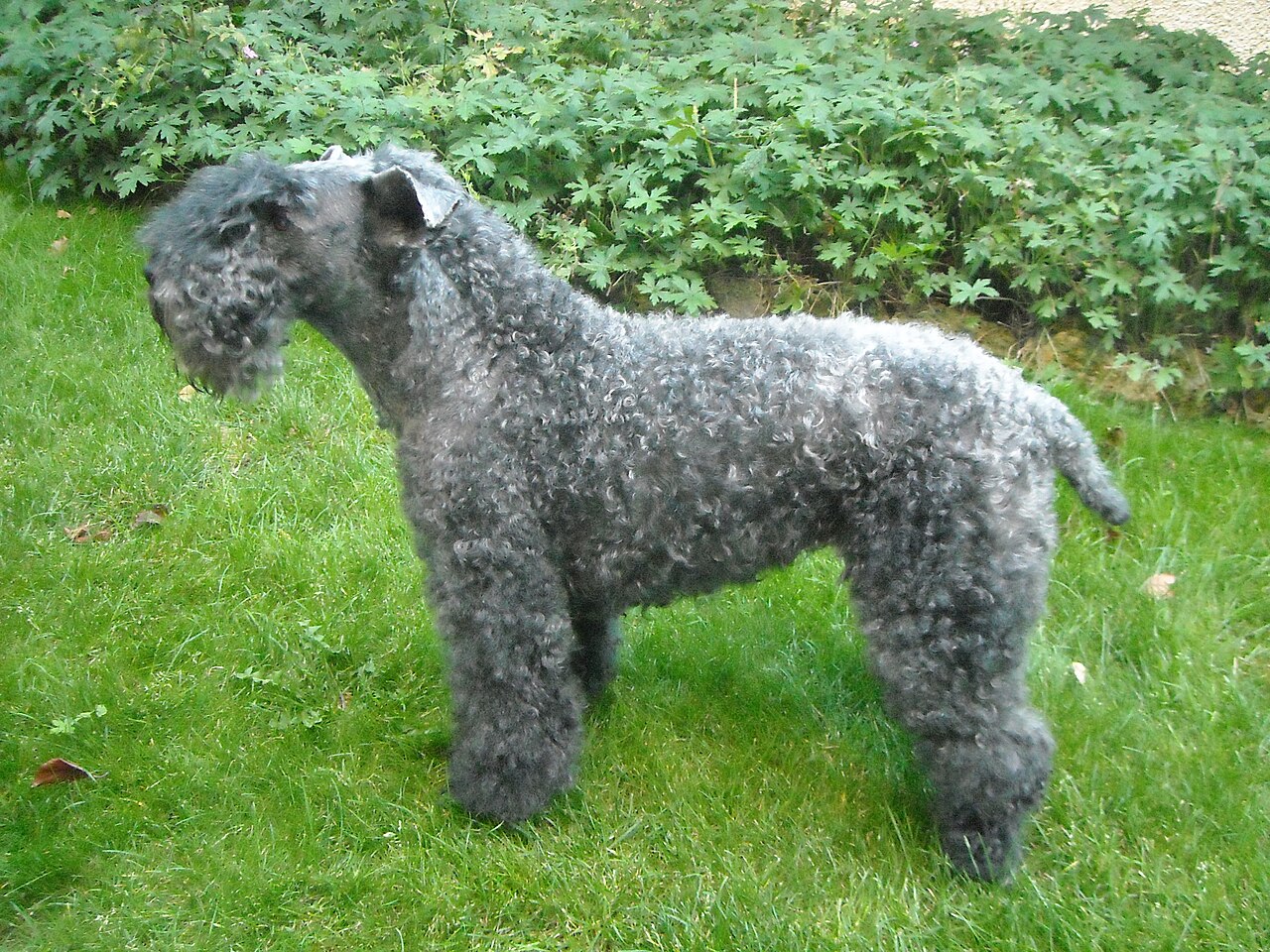
The AKC says the Kerry Blue Terrier is famous for a show-stopping blue coat, in shades from deep slate to light blue-gray. Named for County Kerry in Ireland, this large terrier weighs up to forty pounds and is described as bold, dashing and tenderhearted.
Kerries do not shed, so the coat must be thoroughly brushed and combed once a week to avoid matting, with a full grooming every six to eight weeks. Clippers handle the head, neck, ears and belly, while scissors shape the rest.
10. Bedlington Terrier: The lamb-like terrier from a Northumberland mining town
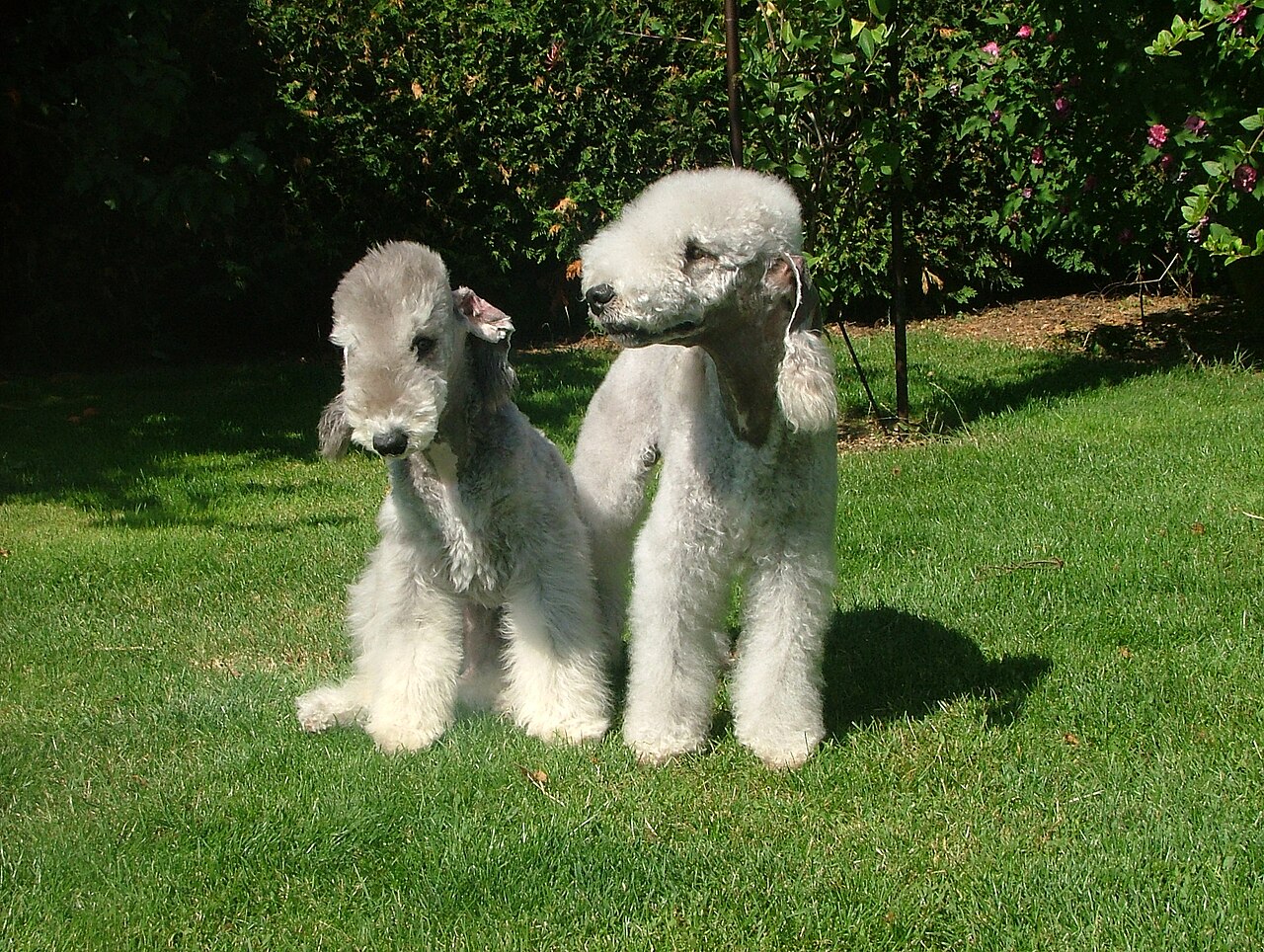
The Bedlington Terrier is named for the mining town of Bedlington in Northumberland, England. Wikipedia says it was bred to hunt and later became a companion dog. The breed is described as nonshedding with minimal odor, and it is closely related to the Whippet and the Otterhound.
The coat needs weekly grooming to remove dead hair, and a show clip is difficult to keep up even for professionals. Most pet Bedlingtons wear a lower-maintenance pet groom. They are also strong swimmers, with skills compared to those of water dogs like the Newfoundland.
11. Giant Schnauzer: One of the few large breeds with a non-shed coat
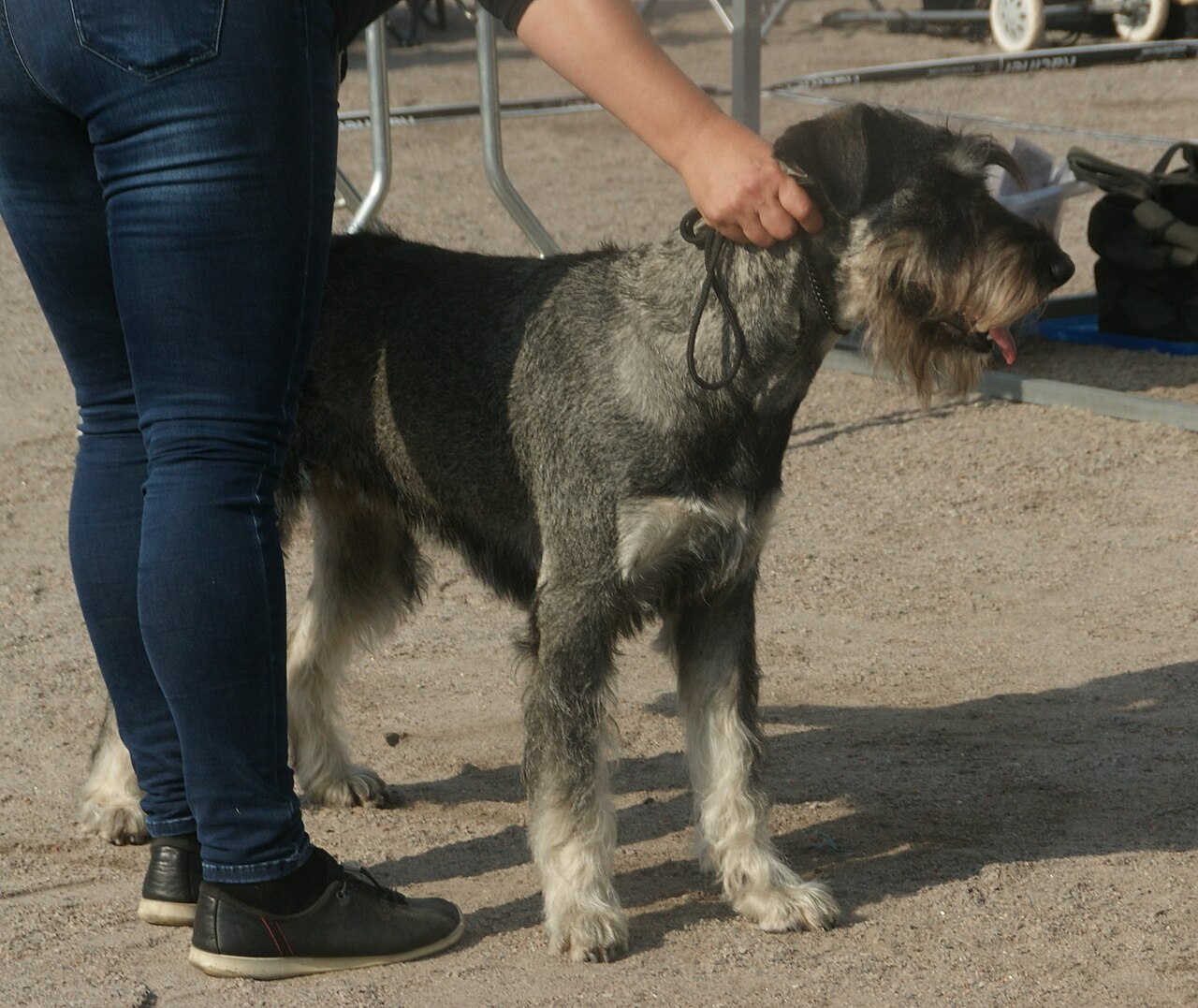
According to DogBreedInfo.com, the Giant Schnauzer is a large, powerful and compact dog, a bigger version of the Standard Schnauzer, and one of the very few large breeds with a non-shed coat. Males weigh 60 to 105 pounds.
The wiry coat is reasonably easy to look after, but the dense undercoat will mat unless it is brushed weekly with a short wire brush. Pet dogs are generally clipped at least four times a year. The same source warns that Giants need firm, consistent leadership and are more prone to cancer than most breeds.
12. Coton de Tulear: The royal lapdog of Madagascar
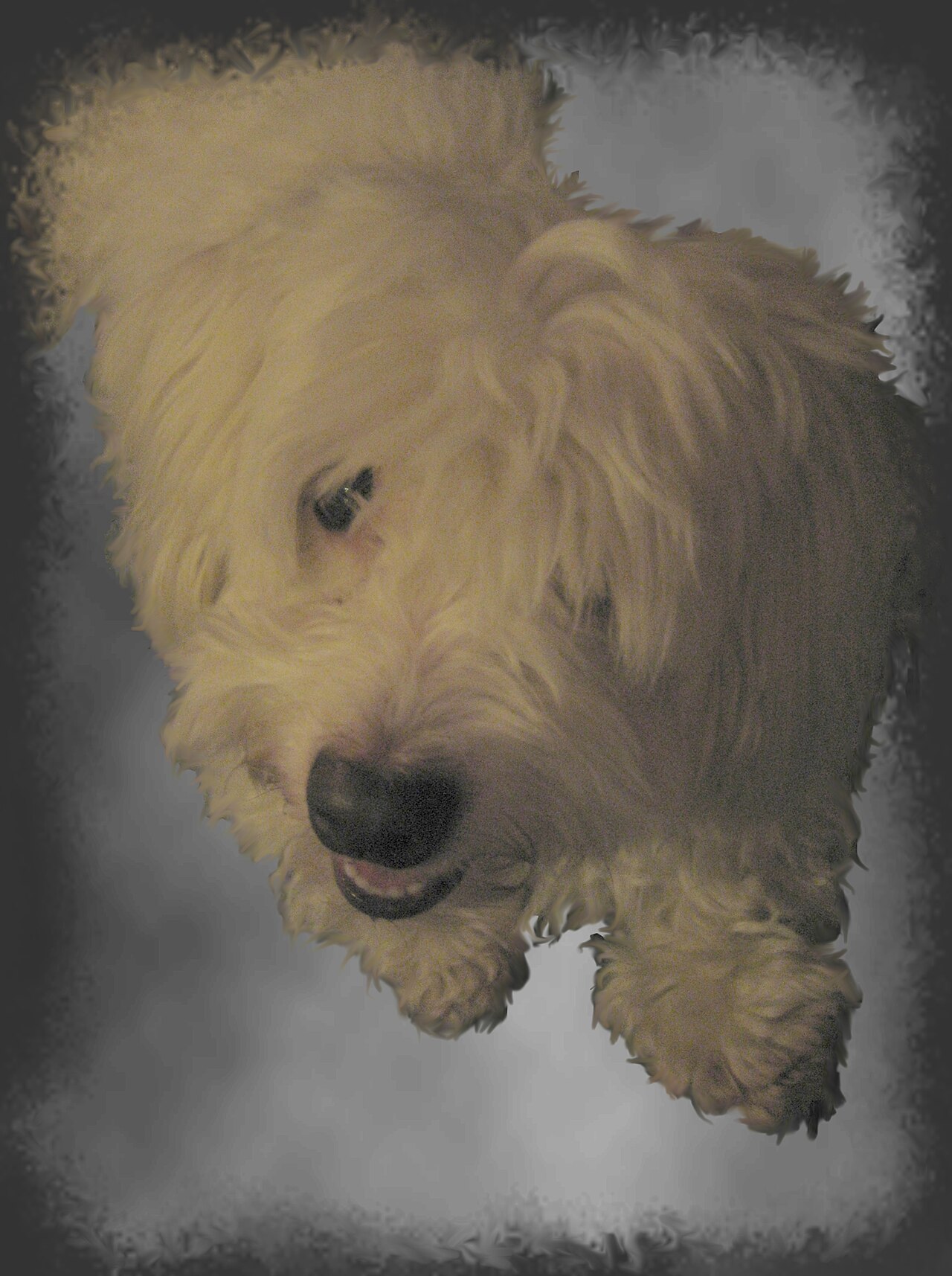
The AKC calls the Coton de Tulear the Royal Dog of Madagascar, a bright, happy-go-lucky companion that loves clowning and following a special person around the house. Named for the seaport of Tulear, the breed was once the preferred lapdog of Madagascar’s nobles. It weighs 8 to 13 pounds.
The profuse white coat is as soft as cotton, which is what coton means in French. Adults kept in full coat need a great deal of brushing, and the comb must reach all the way to the skin each day, or the hair next to the skin will mat. A short puppy clip makes care easier.
Get stories like this by email. Sign up for Crafting Your Home.
This article was produced with AI assistance and edited for accuracy against the sources linked above.


