Back-to-school shopping can feel like a yearly tradition that gets bigger every August. Parents walk into stores with long supply lists, colorful displays, and promise that their child needs the latest notebook, gadget, or classroom accessory to start the year successfully.
But teachers say some of those purchases may be unnecessary.
Many educators spend their days seeing which supplies help students learn, and which ones end up forgotten, unused, or becoming classroom distractions. While every school and teacher has different expectations, experienced educators often encourage families to focus on practical items that students will actually use.
The National Retail Federation’s annual back-to-school survey has shown that families spend billions of dollars preparing children for school each year, making it one of the biggest shopping seasons in the United States.
Before filling your cart with every trendy item, here are some supplies teachers often say parents can skip or reconsider.
Expensive designer supplies that students will barely use
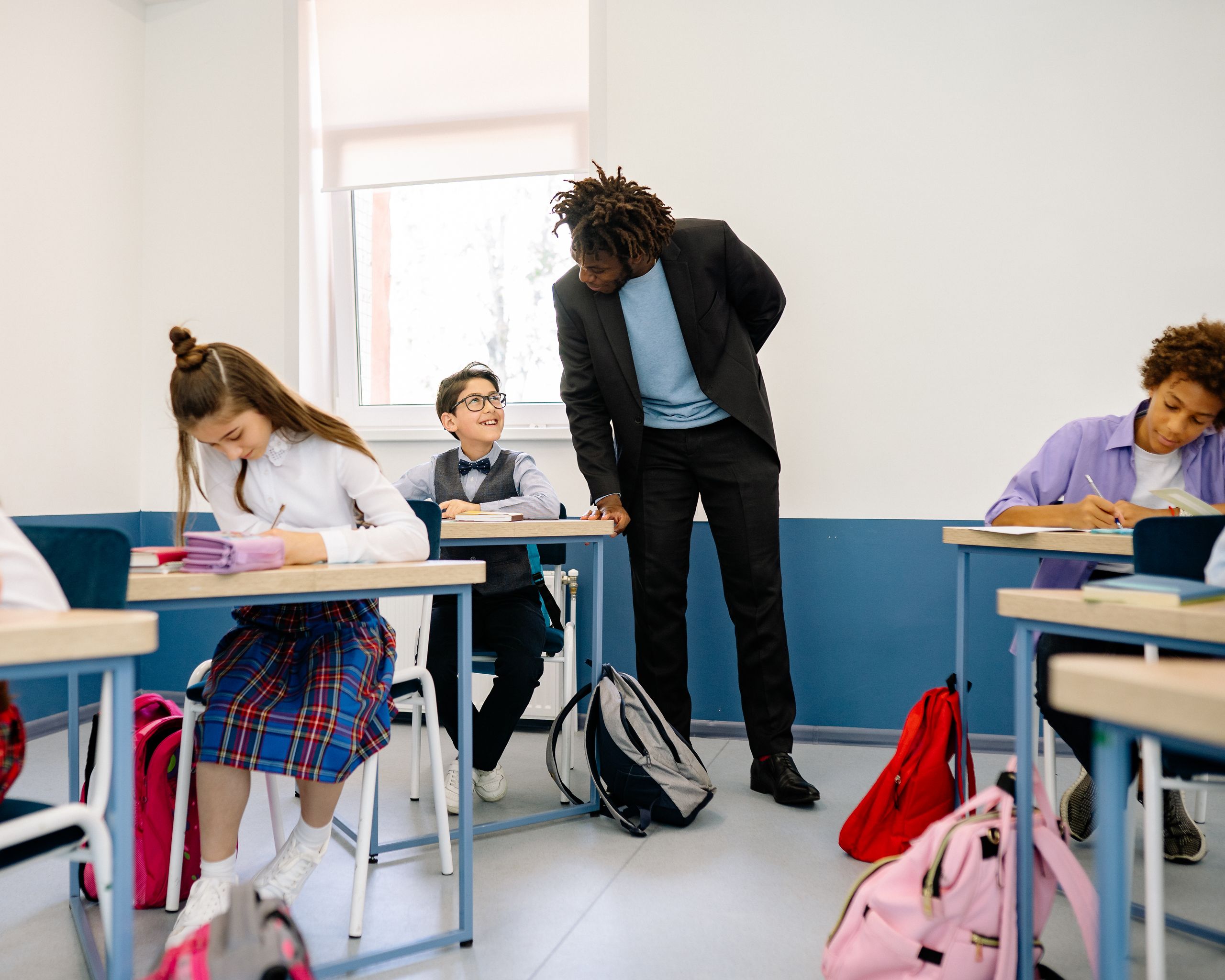
Walking through a school supply aisle can feel like entering a fashion store for pencils, folders, and backpacks. Many products now feature popular characters, luxury designs, and premium prices.
Teachers often say the brand name on a notebook or pencil case does not improve a student’s learning experience. A simple folder that costs a dollar can usually do the same job as a much more expensive version.
The biggest issue with expensive supplies is that children may lose them, damage them, or trade them with classmates. Spending extra money on items that disappear within weeks can quickly frustrate families.
A practical approach is choosing supplies that are durable, affordable, and easy to replace.
Huge packs of unnecessary pencils
A giant box of pencils may seem like a smart purchase, but teachers often see students arrive with more pencils than they can realistically use.
Many classrooms already have shared supplies available for students who need them. Buying several hundred pencils may create unnecessary clutters at home.
Teachers usually recommend having enough pencils for regular schoolwork, plus a few extras, instead of buying large quantities simply because they are on sale.
The goal is not to build a pencil warehouse. It is to make sure students have reliable tools when they need them.
Fancy notebooks with complicated designs
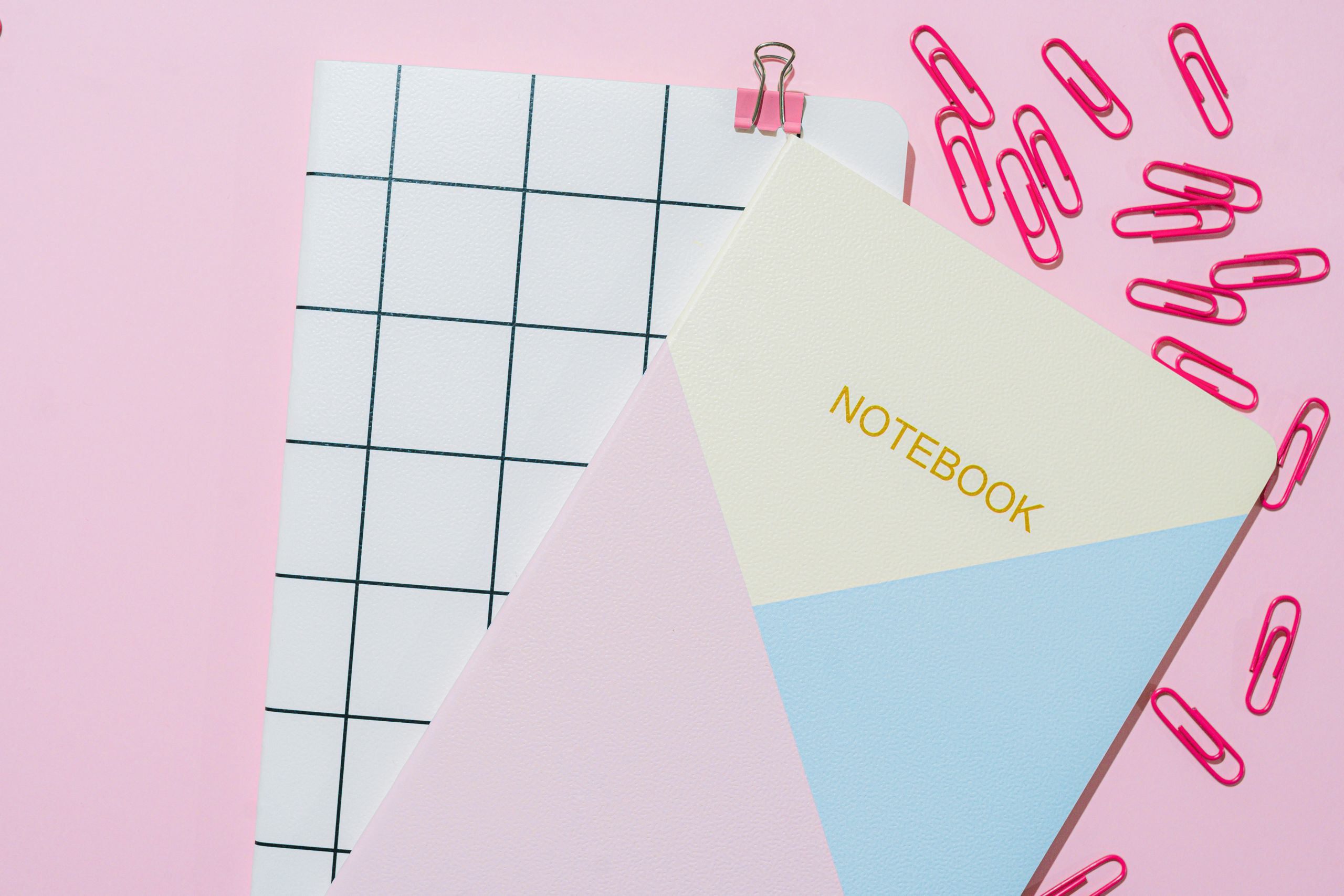
Special notebooks with unusual layouts, decorative pages, or built-in features can look exciting, but they are not always useful.
Teachers often prefer simple notebooks because students can easily organize notes without distractions. A basic lined notebook is usually enough for writing assignments, math problems, science notes, or daily work.
According to the U.S. Department of Education, effective learning environments depend more on teaching practices, engagement, and support than on having expensive classroom materials.
A notebook does not need to be trendy to help a student learn.
Too many folders and binders
Organization matters but buying too many organizational tools can create the opposite problem.
Students may struggle when they have several folders, binders, dividers, and storage systems that are difficult to maintain.
Teachers often recommend keeping organization simple. A few clearly labeled folders can be more effective than a complicated system that students forget to use.
The best organizational method is the one a student can realistically follow throughout the school year.
Related: 15 Everyday Items That Are Worth More Than You Think
Expensive calculators when they are not required
Some parents buy advanced calculators because they assume more technology means better preparation.
However, many schools specify exactly which calculator’s students need for certain classes. Buying an expensive model before checking the requirements can lead to unnecessary spending.
Teachers recommend waiting until the school provides instructions or confirms what students need.
Technology is useful when it supports learning, but extra features are not always necessary.
Large amounts of art supplies

Crayons, markers, colored pencils, and craft materials are fun to buy, but some families purchase far more than their children will use.
Many elementary classrooms already have shared art supplies or specific requirements.
Buying multiple sets can leave unused materials sitting in drawers at home.
A smaller, quality set is often enough for most school projects.
Personal classroom gadgets
Small electronic gadgets marketed for students can be tempting. Parents may see timers, digital organizers, mini printers, or other devices and believe they will help their child stay ahead.
Teachers often say these items can become distractions unless they are specifically required.
Schools typically have their own technology guidelines, and students usually benefit more from learning how to use approved tools effectively.
The Federal Trade Commission has also warned consumers to be cautious about marketing claims for products that promise educational benefits without strong evidence.
A gadget is not automatically a learning tool.
Oversized backpacks
A backpack is necessary, but bigger is not always better.
Large backpacks can encourage students to carry unnecessary items, which adds weight and clutter.
The American Academy of Pediatrics warns that heavy backpacks can contribute to discomfort and strain in children. Teachers often suggest choosing a backpack that fits the student properly and is large enough for actual school needs.
Too many lunch accessories
Reusable lunch containers, special water bottles, and themed lunch bags can be appealing, but buying multiple versions may not be practical.
Students often lose containers, forget bottles, or stop using items after a few weeks.
A reliable lunch setup that is easy to clean and replace usually works better than collecting many options.
Related: 6 Genius tiny-living hacks that will transform your apartment
Trendy stationery collections
Social media has turned school supplies into a yearly trend. Videos showing perfectly organized pencil cases and colorful stationery collections often encourage parents and students to buy more.
However, teachers say presentation matters far less than functionality.
A student does not need a perfectly coordinated desk setup to succeed.
Sometimes the simplest supplies are the ones used most.
Supplies students refuse to use
Every parent knows the struggle of buying something their child insisted they wanted, only to see it abandoned shortly afterward.
Teachers see this happen frequently with certain colors, designs, or styles that students quickly lose interest in.
Before buying large quantities, ask whether the item will actually be used throughout the year.
Buying everything before checking the teacher’s list

One of the biggest mistakes parents make is shopping too early without checking updated requirements.
School supply lists can vary by grade, teacher, and school district. Some items may already be provided, while others may be required later.
Waiting for accurate information can prevent unnecessary purchases.
Final thoughts
Back-to-school shopping does not have to mean buying the biggest cart full of supplies. Teachers often remind families that successful students need reliable tools, support, and good habits more than expensive products.
The best school supplies are not always the newest or most colorful. They are the ones that help students stay organized, focused, and ready to learn.
A thoughtful shopping list can save money, reduce clutter, and make the start of the school year less stressful for everyone.
Other Post You Might Like
- 17 Rapid Growth Shrubs to Transform Your Yard into a Lush, Private Oasis
- 14 Unassuming Apps That Could Leak Your Family’s Location
- What Boomers Afforded Easily That’s Out of Reach Today
- 10 Best Plants for Rain Gardens to Combat Runoff and Erosion
The Post 12 Back-to-School Supplies Teachers Say Parents Are Wasting Money On first appeared in Crafting Your Home
If you like what you just read, then subscribe to our newsletter and follow us on social media.

