Flowers are a traditional way to express sympathy, and they can be beautiful. But when a family is grieving, practical support can sometimes mean even more.
In the days after a loss, people are often overwhelmed by phone calls, visitors, arrangements, paperwork, meals, and exhaustion. Even simple everyday tasks can feel difficult.
That is why thoughtful gifts that provide comfort, save time, or meet an immediate need can be especially meaningful.
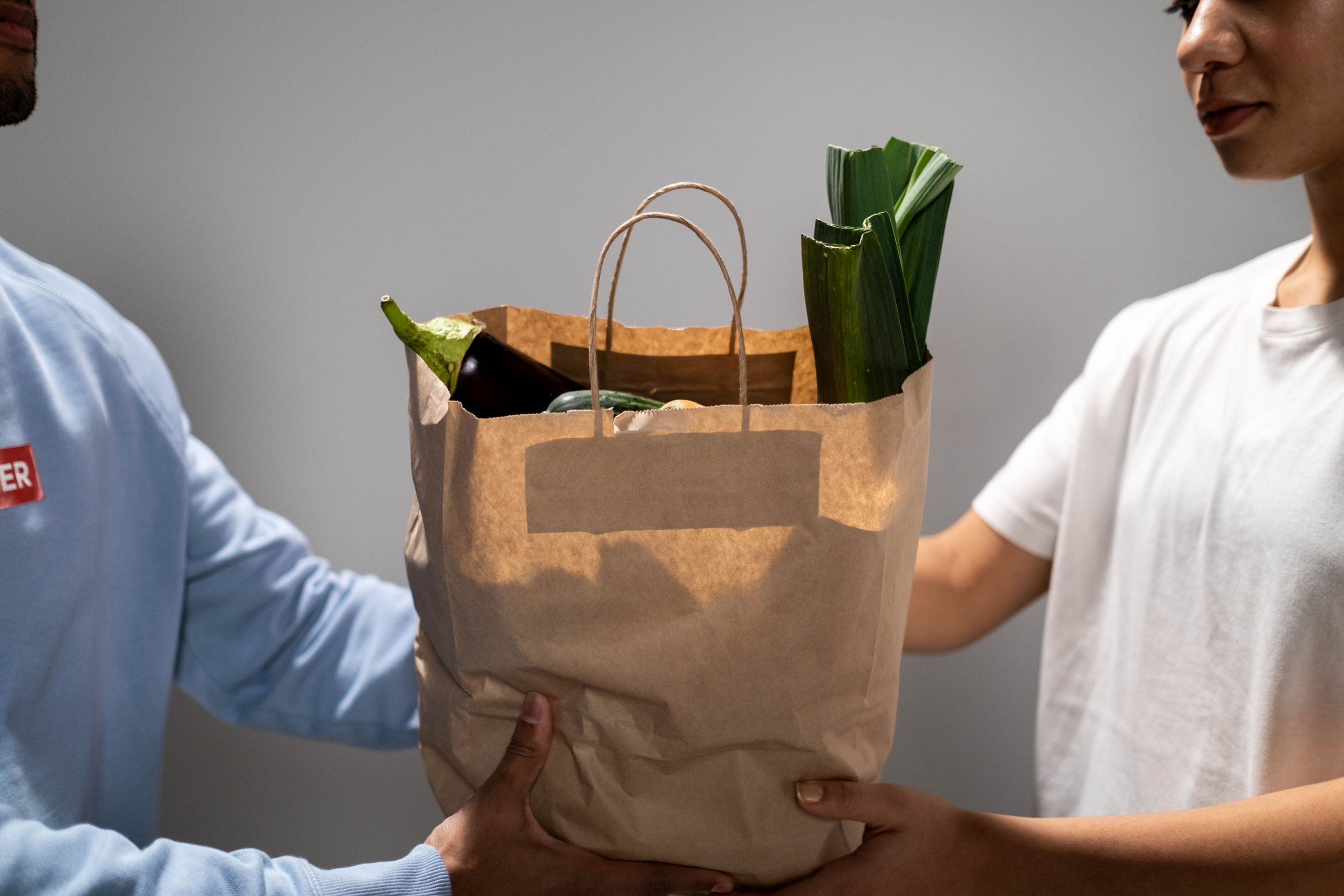
Here are 11 things you can bring a grieving family instead of flowers.
A Ready-to-Eat Meal
Image credit: Julia M Cameron/pexels
One of the most helpful gifts is often the simplest: food that requires little or no preparation.
A casserole, soup, pasta dish, or tray of sandwiches can take one less thing off the family’s plate.
Choose something that reheats easily and, if possible, put it in a container they don’t need to return.
It is also wise to ask about allergies, dietary restrictions, or religious food customs before bringing anything.
A Grocery Gift Card
Grieving families may receive several meals in the first few days, but support often fades quickly.
A grocery gift card gives them flexibility to buy exactly what they need when they need it.
It can also help with essentials such as milk, bread, snacks, toiletries, and household supplies.
Unlike a prepared meal, there is no pressure to eat or store it immediately.
Breakfast Foods
Image credit: Mizuno K/pexels
Dinner is usually the first meal people think about when supporting a grieving family, but breakfast can be just as helpful.
When mornings feel especially difficult, having food already available can make the start of the day a little easier.
Paper Plates and Disposable Supplies
This may not sound sentimental, but practical gifts can be incredibly useful.
Paper plates, cups, napkins, tissues, trash bags, and disposable utensils reduce cleanup when a household is receiving visitors or hosting family members.
The grieving family may not have the energy to wash dishes repeatedly.
Removing even one small chore can be a meaningful act of kindness.
A Comfort Basket
A simple comfort basket can provide small moments of relief.
You might include tea, coffee, crackers, chocolate, tissues, hand lotion, a soft blanket, or other soothing items.
Keep it simple rather than elaborate.
The goal isn’t to impress the family, but to offer something they can quietly reach for during difficult moments.
A Memory Book or Journal
Image credit: cottonbro studio/pexels
A blank journal, memory book, or keepsake notebook can become a meaningful place to collect stories about the person who died.
Family members can write down memories, favorite sayings, important dates, or stories they do not want to forget.
Visitors can also contribute a few words.
Over time, these written memories may become especially precious.
A Framed Photograph
If you have a meaningful photograph of the person who died, consider having it printed and placed in a simple frame.
Choose an image that reflects a happy or significant memory.
This kind of gift can feel deeply personal because it celebrates the person’s life rather than focusing only on their death.
Be thoughtful about timing, however, as some families may prefer to receive photographs after the immediate shock has passed.
A Meal Delivery Gift Card
Image credit:cottonbro studio/pexels
Sometimes the most helpful gift is the ability to choose.
A gift card for a local restaurant or food delivery service allows the family to order a meal when cooking feels impossible.
It can be especially useful several weeks after the funeral, when the initial wave of support has slowed down.
Grief doesn’t end when visitors stop arriving, so later support can be especially meaningful.
Childcare or Pet-Care Help
If the family has young children or pets, practical help may be more valuable than any physical gift.
Offer to walk the dog, take the children to school, babysit for a few hours, or help with an afternoon activity.
Instead of saying, “Let me know if you need anything,” make a specific offer.
People who are grieving may not have the energy to figure out what to ask for.
Help With Everyday Errands
Image credit: Kampus Production/pexels
Small tasks can feel enormous during grief.
Picking up groceries, collecting prescriptions, dropping off dry cleaning, mowing the lawn, or taking out the trash may make a real difference.
Again, specific offers are often easier to accept.
Saying, “I’m going to the grocery store this afternoon. Can I pick up anything for you?” eases the burden of asking for help.
Your Time and Presence
Image credit: Monstera Production/pexels
Sometimes the most valuable thing you can bring is yourself.
You don’t need the perfect words.
Sit with them. Listen if they want to talk. Share a memory if it feels appropriate. Help with a small task. Or be comfortable with silence.
Grieving people are often surrounded by others immediately after a loss, then left surprisingly alone in the weeks that follow.
Continuing to check in can be one of the kindest things you do.
Thoughtfulness Matters More Than the Gift
No gift is perfect for grief.
What comforts one family may not suit another. The most meaningful gestures usually come from paying attention to what the family actually needs.
Flowers can still be lovely, but practical help, nourishing food, remembered stories, and continued companionship often last far beyond the bouquet.
In the end, the best gift quietly says, “You do not have to carry everything alone.”