
The post 11 Things to Take From Your Parents’ House Before It’s Sold first appeared on Crafting Your Home.
Before the boxes leave, look beyond the furniture. A handwritten recipe, an unmarked photograph, or a familiar mixing bowl deserves a moment of consideration alongside the larger belongings.
Preservation guidance from the National Archives, Library of Congress, and Smithsonian offers a practical starting point: identify meaningful materials, document what you know, and plan how to keep them accessible.
For families preparing a home for sale, this is a checklist to discuss together. Ask permission before removing anything, agree on where selected belongings will go, and leave room for different preferences. You can preserve a family connection without taking every object home.
Family photographs, albums, and negatives
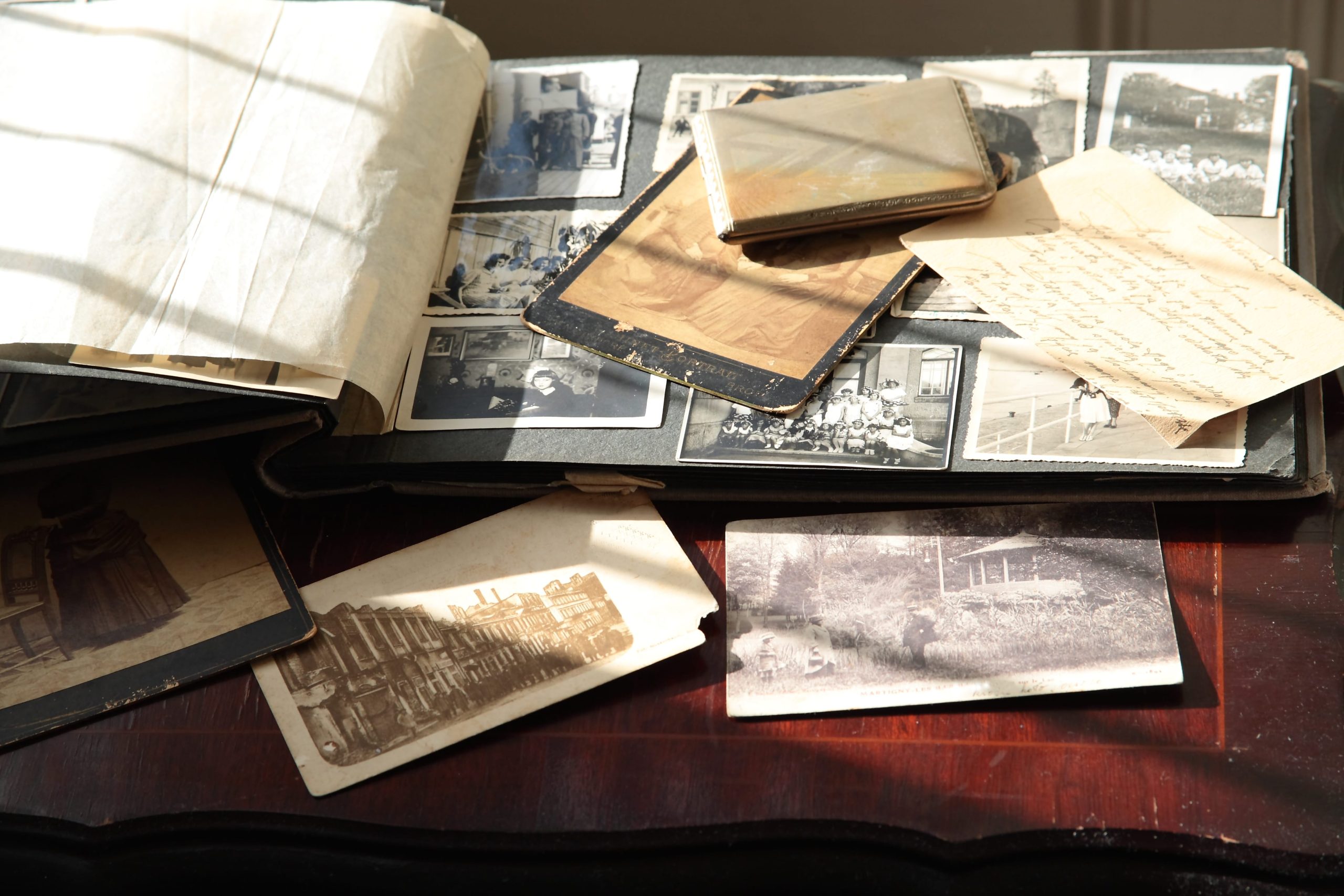
Set aside photographic collections for review before deciding what to keep or share. Ask relatives to identify unfamiliar faces, locations, and occasions, then record those details alongside digital copies.
The National Archives recommends retaining originals after digitizing them because digital files have preservation risks too. A scan makes sharing possible, but it should not automatically become a reason to discard the original photograph.
Handwritten letters and diaries
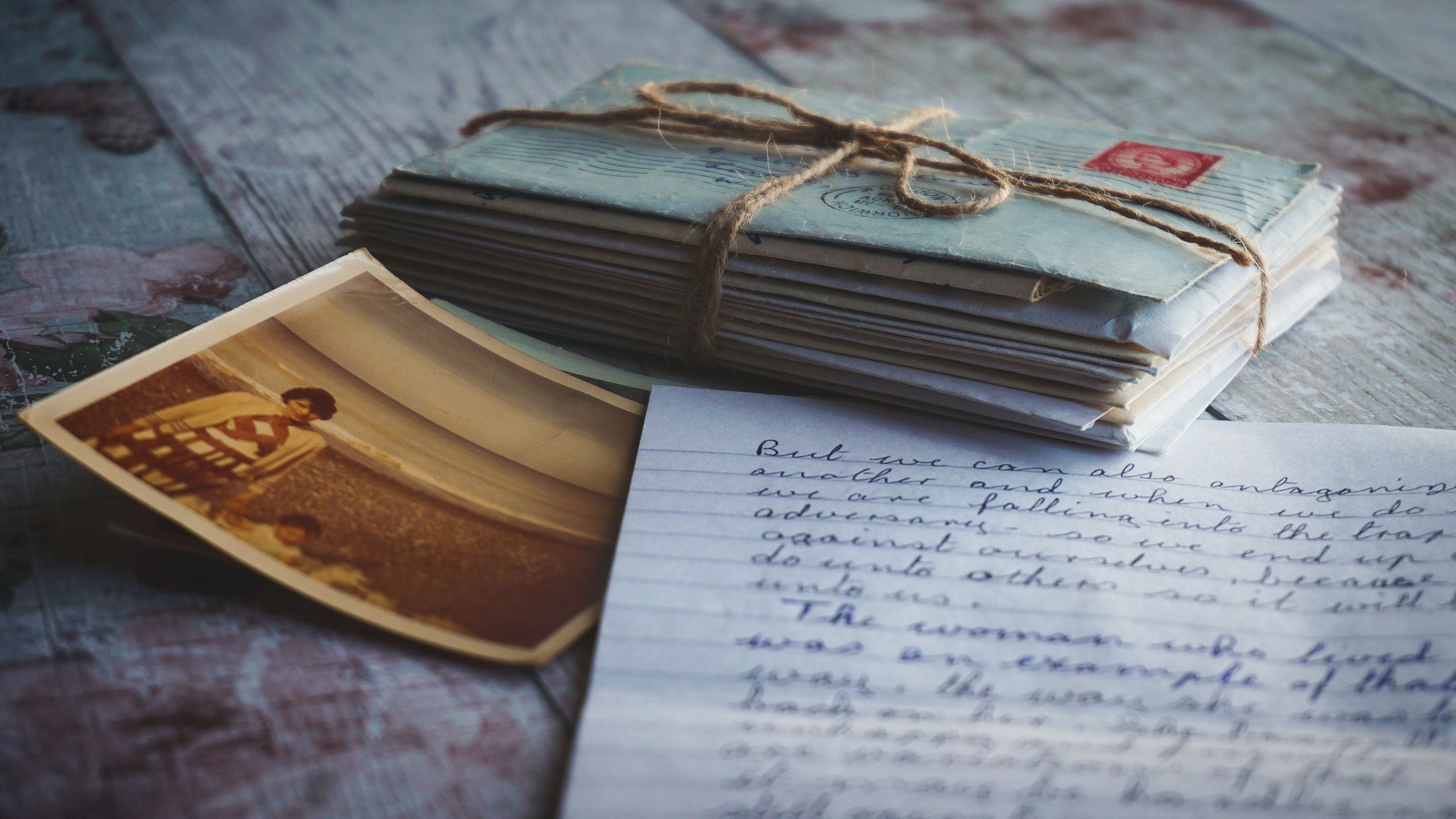
Give boxes of correspondence a separate review rather than sorting them only by appearance or condition.
Author Linda Gartz describes discovering her parents’ letters and diaries while clearing the family home after her mother died in 1994. The collection included a diary her mother began in 1927.
Not every family will make a comparable discovery. Still, her experience provides a reason to check what a box contains. Discuss privacy before circulating personal letters or diary entries.
Recipe cards and annotated cookbooks
Look for the version your family actually used. That might mean a handwritten card, a clipped recipe, or a cookbook page with changes written beside the ingredients.
In the National Archives’ Prologue, conservator Mary Lynn Ritzenthaler recommends storing recipe papers flat where possible and scanning them for sharing. She also advises gentle handling of cookbook bindings.
Photograph notes without forcing an old book flat. Keep the original collection with an agreed family custodian.
Related Post: 9 Things That Will Disappear With The Baby Boomer Generation
Important personal documents
Create a separate review pile for official papers. Birth certificates, marriage records, military records, and other sensitive documents need a different decision process from decorative keepsakes.
The federal Military Consumer website identifies these among important records to retain securely. Arrange for the appropriate person to take custody of them.
If you are unsure about a document, flag it for review instead of treating it as disposable paper. Keep private information out of photographs intended for public sharing.
Home movies and family audio recordings
Check for film reels, home-video tapes, and recorded family conversations. Keep their labels and packaging together so any information about the contents stays attached.
The Library of Congress explains that playback equipment becomes obsolete and that preservation includes transferring recordings into accessible formats.
It also advises against playing damaged tape or film. If a recording appears damaged, seek format-specific preservation help rather than testing it in an available machine.
Digital photographs and family files
Remember the files that do not occupy a shelf. With the owner’s permission, review family-owned computers and storage devices for photographs, documents, and other material worth preserving.
The Library of Congress recommends at least two copies of selected digital photographs and personal digital documents. Taking the device alone does not complete that task.
Agree on who will organize the files and share copies. Keep this review separate from collecting printed albums.
Books with a personal connection
Before choosing books by title alone, look for inscriptions and known family connections. Consider whether a particular volume matters because of who owned it or how your family remembers it.
Smithsonian Institution Archives includes books among collections whose history can be photographed and documented.
Write down that connection while someone can explain it. Avoid assuming a book has monetary value simply because it is old; personal significance is a separate reason to consider keeping it.
Quilts, clothing, and handmade textiles
Consider a handmade quilt or meaningful garment as an individual item, rather than committing to an entire wardrobe or linen collection.
The Smithsonian’s National Museum of African American History and Culture provides preservation resources covering clothing, quilts, and other textiles.
Record the maker or wearer when known, and ask what the family remembers about the piece. Consult material-specific guidance before storing it, rather than assuming every textile should be packed the same way.
Related Post: 9 Gifts Grandchildren Say They Treasured Most From Their Grandparents
Jewelry and military medals
Photograph selected pieces and record the family account associated with them. If the story is uncertain, preserve that uncertainty rather than filling in missing details.
The Smithsonian museum includes jewelry and military medals among the family objects addressed in its preservation programming.
Agree on where each piece will go before packing it. Keep sentimental meaning separate from claims about materials, authenticity, age, or financial value that have not been established.
A small, familiar household object
Choose an object you specifically want to remember: perhaps a mixing bowl, ornament, or candlestick. These are possibilities to discuss, not a requirement to save something from every room.
Smithsonian Institution Archives recommends recording an object’s origins, previous owners, and materials as part of an inventory.
Add a photograph and a short explanation of why your family selected it. That record gives the next person more context than the object’s appearance alone.
Photographs of the house itself
Take pictures before packing changes the rooms. Consider a room-by-room record, including the spaces and arrangements you personally want to remember.
An August 2026 Washington Post feature described families commissioning photographs of relatives’ homes before belongings were packed away.
You can make your own photographic record as part of the family’s preparations. This keepsake involves taking images, with permission, rather than removing a fixture or part of the building.
Before the final clear-out, agree on what to save, document its story, and give each selected item a clear destination.
Other Posts You May Like
If you like what you just read, then subscribe to our newsletter and follow us on social media.