

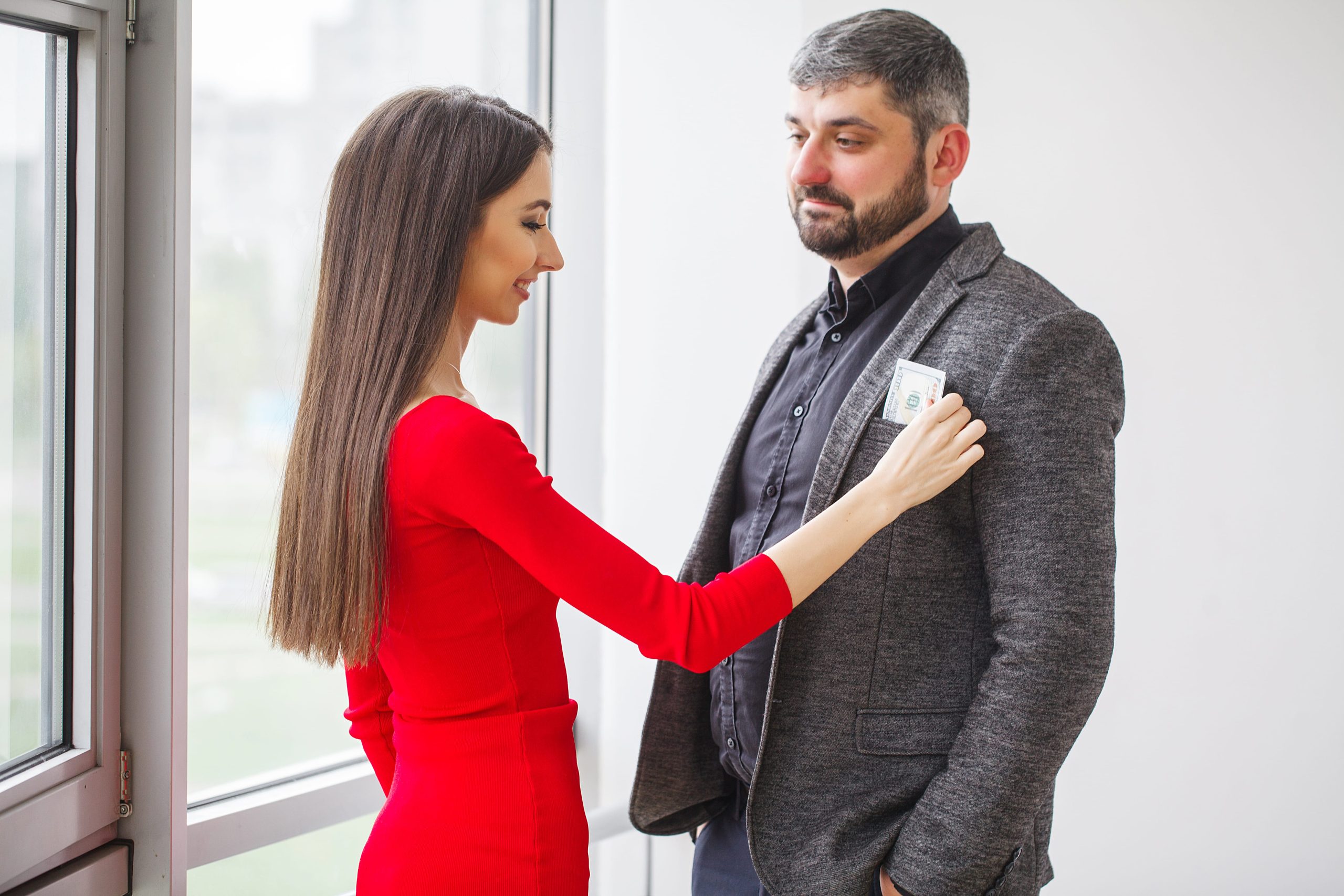
Commitment can feel daunting at any age, but for older men, the hesitation often stems from a complex interplay of life experience, personal priorities, and emotional history. Unlike younger adults, older men frequently weigh decades of routines, past heartbreaks, and responsibilities when considering long-term partnerships.
Understanding these factors provides insight into modern dating dynamics and the psychology behind delayed or avoided commitment.
Fear of Losing Independence

Many older men have spent years cultivating routines and autonomy. Commitment can feel like a disruption, requiring compromise on personal schedules, habits, and decision-making.
Maintaining independence is often perceived as essential to preserving identity, leading some men to postpone or avoid entering serious relationships.
Financial Concerns
Managing finances independently for decades can create anxiety around blending resources.
Concerns about shared expenses, inheritance, prenuptial agreements, or previous financial obligations, such as child support or alimony, can make a commitment seem financially risky.
Desire for Freedom
After years of responsibilities and a structured life, older men often value autonomy highly.
Commitment may be perceived as a threat to personal freedom, leisure time, or the ability to pursue individual goals without compromise.
Social Perception and Stigma
Focus on Personal Goals
Retirement, travel, hobbies, or personal development often take precedence over new romantic commitments.
Many older men prioritize individual fulfillment, viewing commitment as a potential distraction.
Health-Related Insecurities

Age-related physical and mental health concerns often influence relationship decisions
Older men may worry about being a burden to a partner or about facing judgment about their health status, which can foster reluctance to enter into a long-term commitment.
Past Relationship Trauma
Repeated exposure to failed or toxic relationships reinforces self protective behavior.
The fear of being betrayed or emotionally hurt again can make casual or short-term engagements appear safer and more manageable than full commitment.
Skepticism About Love
Experiences with heartbreak or the observation of failed relationships can foster doubt about the sustainability of romantic love.
Older men may question whether the emotional investment is worth potential disappointment or instability.
Compatibility Concerns
