



The post 11 Classic Movie Heroes Who Were Actually the Villains first appeared on Crafting Your Home.
Box Office Mojo historical tracking shows that major studio blockbusters featuring morally ambiguous leads generated billions in domestic box office receipts over the past four decades.
Audience perception studies show that viewers often forgive unethical behavior when a protagonist has strong narrative charisma. Re-examining classic American films through rigorous narrative analysis reveals that many revered heroes were the primary source of harm within their own stories.
Daniel LaRusso
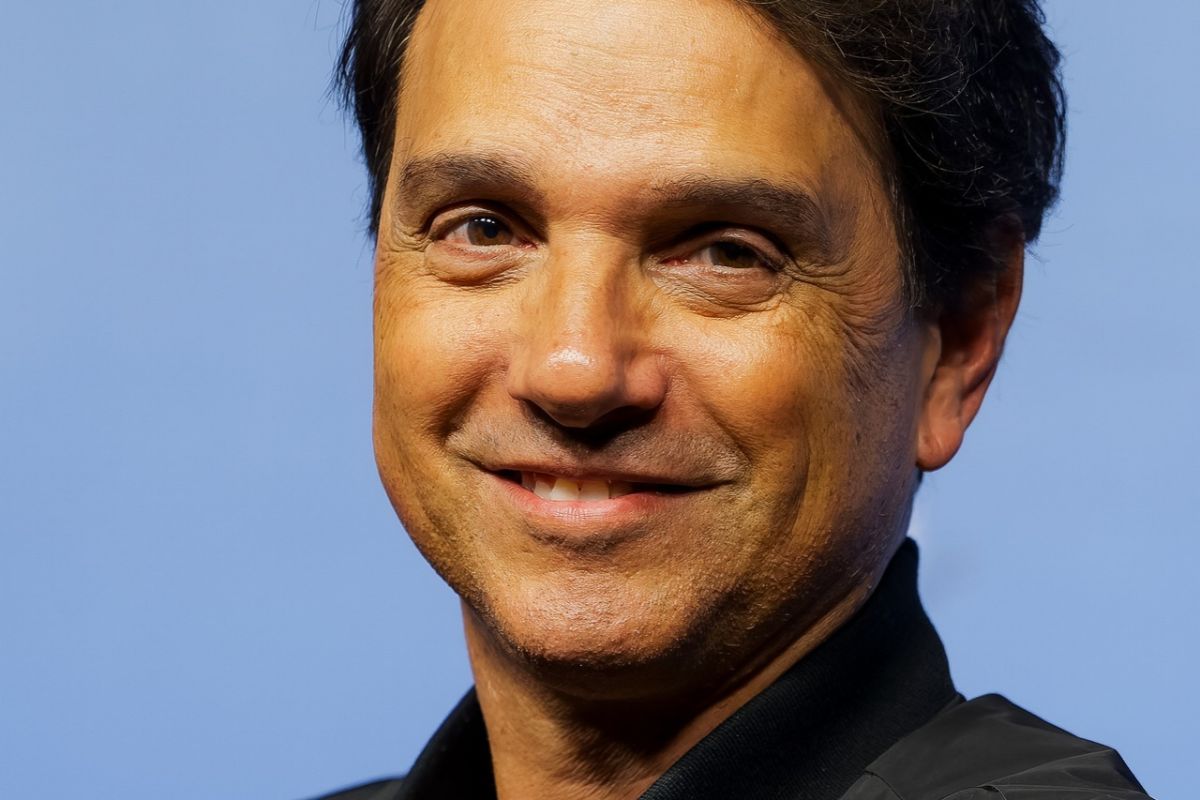
The 1984 martial arts hit grossed over $100 million at the domestic box office while framing Daniel LaRusso as an innocent underdog. Detailed scene analysis popularized by film essayists and later canonized in the television series Cobra Kai proves that LaRusso repeatedly escalated conflicts with Johnny Lawrence. LaRusso initiated physical aggression during their initial beach meeting and later doused Lawrence with water over a bathroom stall during a school dance.
The final tournament victory involved LaRusso landing a kick directly to the face, violating established Under-18 Karate Tournament rules documented in the film production notes. LaRusso drove the narrative forward through unnecessary provocation rather than defense.
Ferris Bueller
John Hughes directed the 1986 comedy, which earned $70.1 million domestically against a $5.8 million budget. Ferris Bueller operates through systemic coercion, pressuring his deeply traumatized friend Cameron Frye to steal a pristine 1961 Ferrari 250 GT California Spyder that ultimately ends up destroyed. Bueller routinely hacks school attendance databases, deceives his parents, and drives Dean Ed Rooney into career collapse.
Ferris Bueller’s character is frequently analyzed through a clinical lens, but film theorists and psychologists often debate whether his actions stem from antisocial tendencies or merely heightened adolescent rebellion. His fun day off was achieved at the severe emotional expense of those around him.
Scott Pilgrim

Edgar Wright’s 2010 comic adaptation grossed $49.3 million globally while building a dedicated fan base across American pop culture. Scott Pilgrim begins the film dating high school student Knives Chau while secretly pursuing Ramona Flowers, deceiving both women simultaneously. Pilgrim frames his romantic relationships as video game achievements, treating female partners as trophies awarded after physical battles.
Critics and fans regularly point out that Scott pathologically views himself as a victim of his circumstances and past breakups. At the same time, he treats his social circle poorly, strings along characters like Knives Chow, and inflicts emotional distress on those around him.
Peter Venkman
The 1984 fantasy comedy Ghostbusters grossed $295 million worldwide, making it the second-highest-grossing film of that year. Dr. Peter Venkman misuses Columbia University grant funding to administer painful electric shocks to male students while pursuing female undergraduates. Venkman then uses his paranormal investigation role to stalk classical musician Dana Barrett at her apartment and during orchestra rehearsals.
Legal and workplace safety retrospectives note that Venkman operates an unlicensed nuclear accelerator beneath Manhattan without regulatory clearance. He routinely breaks municipal safety codes while using his professional cover to pursue personal romantic interests.
Ethan Edwards
The National Film Registry added John Ford’s 1956 Western in 1989 for its enduring cultural significance. Civil War veteran Ethan Edwards spends five years tracking his abducted niece, driven primarily by intense racial prejudice rather than familial affection. Edwards intends to execute his niece upon finding her because she lived among Comanche captors, viewing her cultural integration as an unpardonable offense.
Edwards represents the brutal, destructive hatred that fueled westward expansion. His obsessive pursuit leaves a path of devastation across the Southwest.
Tom Hansen
The 2009 romantic film grossed over $60 million globally and generated widespread discussion among young moviegoers. Tom Hansen begins a relationship with Summer Finn shortly after she explicitly says she doesn’t want a serious romantic commitment. Hansen ignores her boundary, projects an idealized fantasy onto her, and grows hostile when her real feelings diverge from his expectations.
Lead actor Joseph Gordon-Levitt said in retrospective commentary that Hansen acts out of self-absorption, reducing Summer to a fantasy object instead of listening to her words.
Indiana Jones
Steven Spielberg’s 1981 classic Raiders of the Lost Ark grossed $389 million worldwide and established Indiana Jones as an iconic adventurer. Jones operates under the motto “It belongs in a museum,” justifying the removal of sacred cultural treasures from indigenous populations. The character also had a romantic relationship with Marion Ravenwood when she was a minor in Nepal, as production backstories detail.
Jones is a destructive looter whose aggressive methods ruin invaluable historic sites.
Related Post: 10 Movies That Feel Morally Wrong to Watch
Grandpa Joe
The 1971 fantasy film Willy Wonka & the Chocolate Factory became a staple of American family entertainment following its theatrical release. Grandpa Joe claims total bedridden paralysis for twenty consecutive years while his family lives in extreme poverty on cabbage soup. Joe instantly leaps up and dances upon learning that Charlie won a Golden Ticket.
Sociological evaluations of the story note that Joe encourages Charlie to break safety rules by stealing Fizzy Lifting Drinks, nearly forfeiting Charlie’s life-changing award. His sudden physical recovery exposes decades of avoidable neglect toward his struggling family.
Bruce Wayne
Christopher Nolan’s 2008 blockbuster The Dark Knight earned over $1 billion worldwide and reshaped modern superhero cinema.
Bruce Wayne constructs an invasive sonar surveillance machine that taps into millions of Gotham City mobile phones without warrants or oversight. Wayne routinely assaults suspects in police custody and bypasses democratic institutions to enforce his personal will.
Wayne’s actions mirror authoritarian oversight practices that undermine basic civil liberties.
Ariel
Disney’s 1989 animated feature The Little Mermaid grossed $211 million globally and initiated the studio’s Renaissance era. Sixteen-year-old Ariel neglects royal responsibilities, defies marine conservation laws, and surrenders her voice to a sea witch to pursue a human prince she has never spoken to.
Her rash contract with Ursula causes a severe political crisis that strips King Triton of his throne.
Ariel jeopardizes the security of an entire ocean civilization for an unverified romantic pursuit.
Related Post: 10 Children’s Movies That Are Far Darker Than You Remember
Rick Blaine
The 1942 classic Casablanca won three Academy Awards and remains a high point of American filmmaking. Rick Blaine manages a cynical gambling venue in North Africa, profiting directly from vulnerable refugees fleeing wartime violence in Europe. Blaine maintains strict political neutrality as European fascism rises, refusing to help resistance fighters until personal romantic motives emerge.
Blaine’s early refusal to take a stand reflects isolationist attitudes that delayed international intervention during a global crisis.
Other Posts You May Like
- 11 Movies That Were Banned in Other Countries — and Why
- 11 Beloved Sitcom Characters Who Were Actually Terrible People
If you like what you just read, then subscribe to our newsletter and follow us on social media.


