11 Challenges You Never Realized Little People Have To Deal With
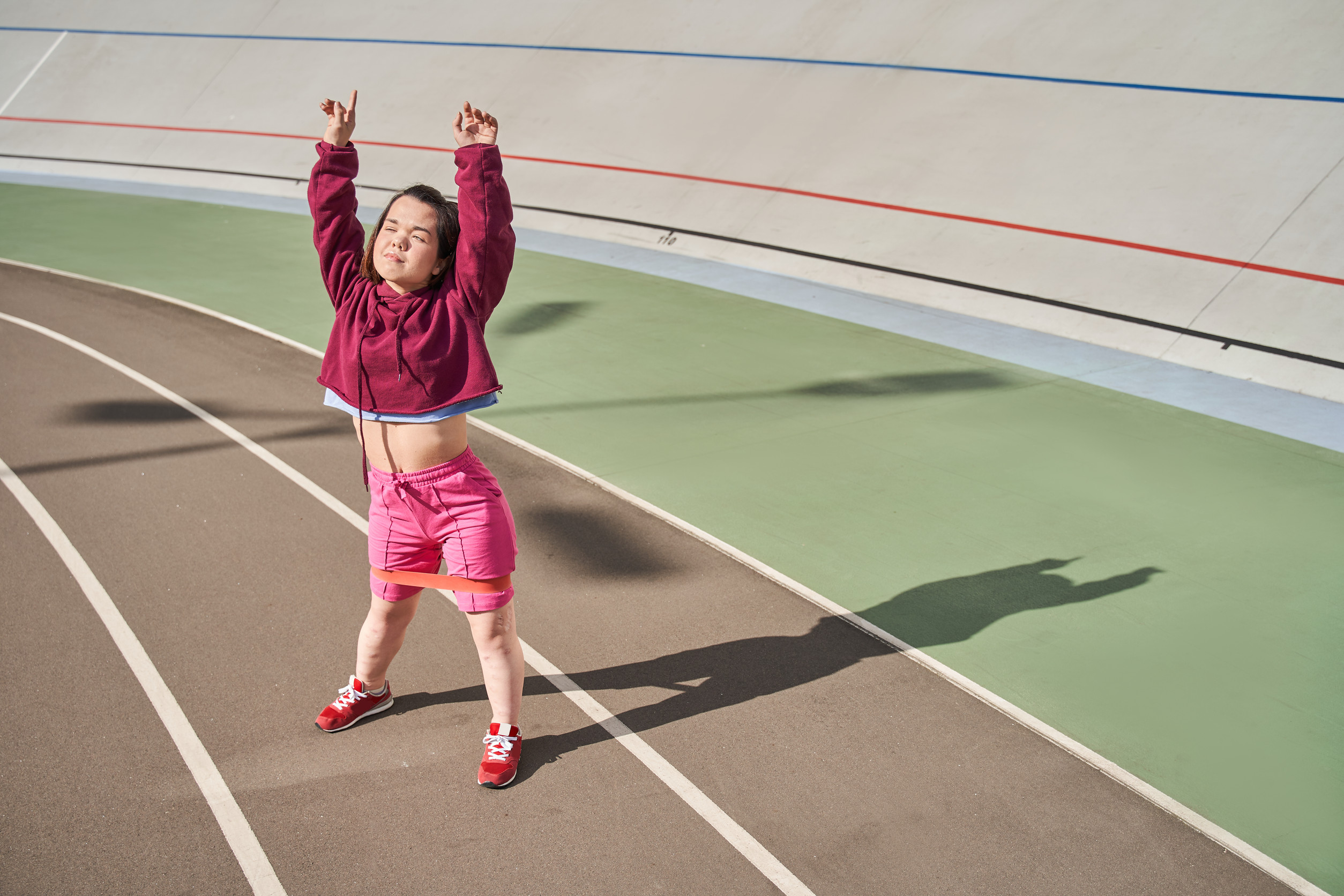
Living as a little person in a world that isn’t built for them comes with unique challenges that are often overlooked by the majority. These everyday struggles may seem invisible to those of average height, but they shape the lives and experiences of those who are living with dwarfism. From the moment they step out of their homes, little people must constantly navigate a world that’s just not designed with them in mind.
Here’s a look at some of the things little people navigate that most others simply don’t notice.
Reaching Items

Imagine trying to reach for a glass in a cupboard that’s just too high. For little people, this is a daily reality. From shelves and cabinets to the top of the refrigerator, the constant need to stretch or reach for tools like step stools becomes part of life.
Things as simple as retrieving a book off a shelf or using a bathroom sink can require extra effort and ingenuity. The world is built for people who are much taller, and often, those extra few feet can make all the difference.
Accessibility in Public Spaces
Elevators and public transportation can be a maze of obstacles for little people. In cities, buses and trains may not offer the necessary accommodations, like lowered seats or handrails at accessible heights. While we may think about accessibility for those in wheelchairs, little people often don’t have the luxury of reaching for the same support or stability in a crowded space.
They may need to adjust their positioning or even ask for help simply to get from point A to point B.
Automobile Adjustments
For someone of average height, getting in and out of a car is a routine, simple task. But for little people, finding a vehicle that is the right fit is a major consideration. Car seats may be too high, seat belts may be too long, and the steering wheel may be too far away.
Modifications, such as custom seat adjustments or even vehicles with extra space, become necessary for comfort and safety. But these adjustments often go unnoticed by those who don’t face the same issues.
Social Perceptions and Expectations

One of the most significant hurdles that little people face is the way they are perceived by others. Society often places an invisible barrier on how little people are expected to act or succeed, often assuming limitations based on their size. There’s the expectation of “overcoming” their size in ways that may not even be necessary.
Society’s standards of success or beauty are often skewed, and little people constantly find themselves navigating spaces that don’t always make room for their unique experiences. In social settings, they may be dismissed or talked over, with people making assumptions about their abilities or roles based purely on appearance.
Physical Strain

Living in a world built for taller individuals also means that little people experience physical strain that most people take for granted. The constant need to stretch or twist in ways that might be uncomfortable takes a toll on their muscles and joints. For example, standing in a crowd can be tiring because they often can’t see over people’s heads, and sitting in a regular chair may put undue strain on their back or legs.
This physical strain becomes part of their daily lives, and while it may be unseen by others, it is constantly felt.
Furniture and Design
Furniture, kitchen appliances, and even household items are designed for the average person. Little people often have to adapt by using stools or ladders to reach the counter or sink, adjusting their environment to make it work. This can mean finding custom furniture, lower tables, or altered bathroom features.
Even something as simple as a light switch or doorknob can pose a challenge. The architecture and design of most buildings are simply not optimized for shorter individuals, which can make every day a bit more labor-intensive.
Attire and Shopping
Clothing stores and shopping experiences also present challenges. Standard sizing is designed for average-height individuals, making it harder for little people to find clothes that fit properly without major alterations. Shopping for shoes can also be a complicated task.
Specialty stores or online shopping may offer solutions, but the process is often more tedious than it is for others. Furthermore, there’s the added issue of fashion expectations, as people often have preconceived notions about what a little person “should” wear, which can result in uncomfortable or unsatisfactory clothing choices.
Health and Medical Care
Medical equipment, ranging from blood pressure cuffs to exam tables, is designed with the assumption of an average body type and size. For little people, these standard tools and practices often need to be adjusted. In the doctor’s office, exam tables may be too high or uncomfortable, and diagnostic tools may be harder to use effectively.
Access to proper healthcare services tailored to their specific needs may be difficult to find, and when they do find the right care, there is sometimes the added challenge of ensuring that medical professionals are well-versed in the unique health considerations associated with dwarfism.
Dealing with Stairs
While most people take stairs for granted, for little people, they are often an obstacle course. Whether it’s at home, work, or in public spaces, navigating stairs without handrails at the correct height, or stairs that are simply too steep or too shallow, can be a dangerous and exhausting experience. It’s not just a matter of convenience but of safety.
The risk of falling or struggling on stairs is much higher for little people, who have to plan their steps carefully each time.
Tight Spaces and Crowded Areas
Navigating tight spaces or crowded areas is another challenge. Whether it’s squeezing through a doorway or maneuvering in a busy shopping mall, little people are constantly working to avoid being knocked into, overlooked, or physically pushed out of the way. In crowded public spaces, they often have to take extra caution just to make sure they don’t get hurt or jostled.
This constant hyper-awareness of their surroundings can be mentally and physically taxing.
The Emotional Toll
Beyond the physical and practical challenges, there is an emotional toll that comes with being a little person in a world that isn’t built for you. The stares, comments, and assumptions can add up to create a sense of isolation or frustration. Little people may have to constantly explain themselves or deal with microaggressions that others don’t even realize they’re committing.
The emotional labor of navigating these experiences can wear a person down, and it’s often invisible to those around them.
Conclusion
For little people, the world around them is filled with challenges that most of us will never have to think twice about. From reaching for items on high shelves to simply navigating a crowded space without being jostled, their daily lives require resilience, creativity, and patience. Though many of these challenges go unnoticed, they shape the experiences of little people every day, making them experts in navigating a world that often feels out of reach.
And while the challenges are real, so too is the strength and creativity that little people demonstrate in overcoming them.
Read the original Crafting Your Home