10 Weirdest Wedding Traditions and Superstitions Around the World
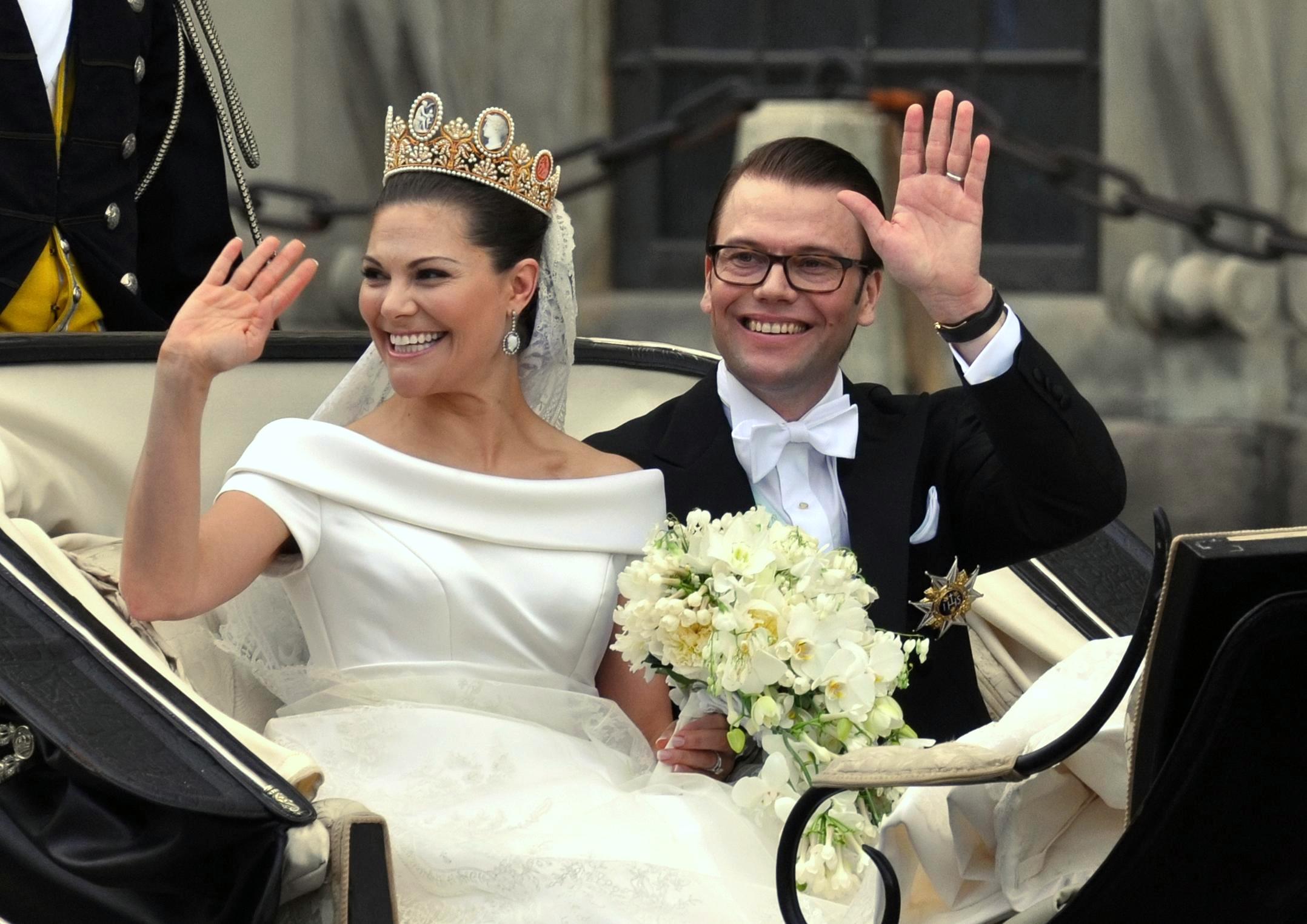
Weddings are a time of celebration, joy, and union, but the rituals that accompany these milestones often reflect the unique cultural beliefs and practices of different societies. While some traditions may seem perfectly normal within their own context, they can appear bizarre or downright strange to outsiders. From ancient superstitions to elaborate customs, here are some of the weirdest wedding traditions and superstitions around the world.
Let’s explore these intriguing, colorful practices, where love and superstition go hand in hand!
Kidnapping the Bride
In Romania, there’s an age-old tradition that may seem like something out of a romantic thriller. In certain regions, the bride is “kidnapped” by her friends and family during the wedding celebrations. Her groom, who has to rescue her, embarks on a fun, spirited quest to find her.
This playful custom is seen as a symbol of the bride’s transition from her family home to her new married life. It also represents the groom’s commitment to chasing after her, no matter what obstacles arise.
Spitting on the Bride
In Greece, one of the most unusual wedding superstitions is that of spitting on the bride. But don’t be alarmed! It’s not a malicious act. Instead, it’s a way for well-wishers to ward off evil spirits and bad luck. The belief is that the act of spitting three times on the bride’s face will protect her from misfortune and envy.
While it may seem strange to outsiders, it’s all in the name of ensuring a happy, prosperous marriage.
Breaking Dishes

In Germany, it’s common for guests to participate in a “Polterabend” before the wedding, which involves the breaking of dishes. The couple, together with their friends, will smash plates, glasses, and other crockery in a ceremonial display of chaos. The belief behind this tradition is that breaking things brings good luck and, more importantly, helps to scare off any bad spirits.
After the smashing is done, the couple is tasked with cleaning up the mess together, symbolizing their ability to handle challenges as a team.
Blackening the Bride
In Scotland, some couples embrace a tradition known as“blackening the bride.” Before the wedding, the bride is “captured” by her friends and family, then covered in a combination of unpleasant substances such as mud, syrup, feathers, and sometimes even baked beans!
This event is meant to be a humorous and messy bonding experience that “prepares” the bride for any hardships she may face in her marriage. It’s also thought to help the bride shed any “bad energy” before embarking on her new life.
The Bride’s Hairpins
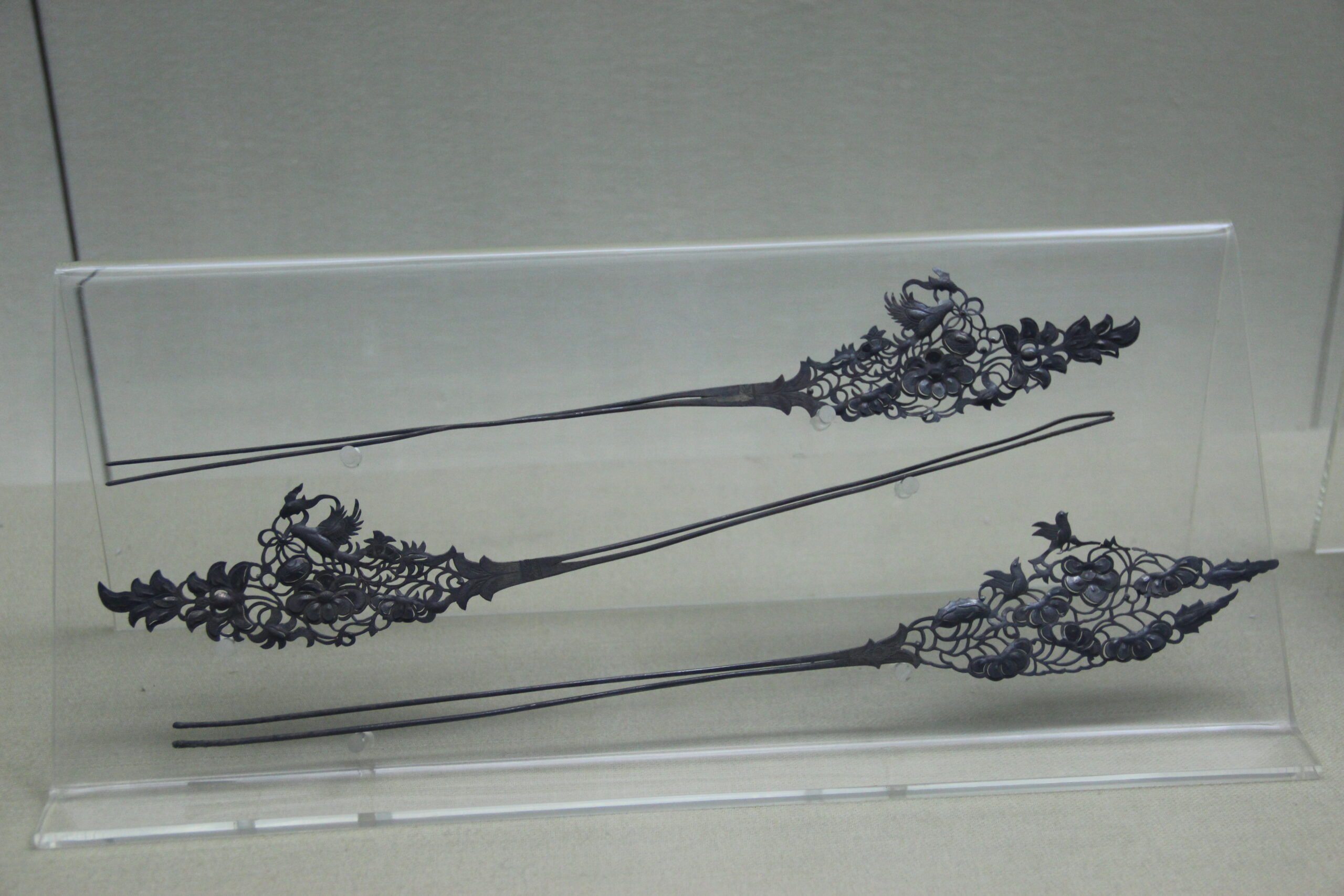
In ancient Chinese weddings, the bride’s hairpins carried special significance. A single hairpin was worn on the bride’s wedding day, which was traditionally removed by her new husband after the ceremony. The belief was that this represented the uniting of two individuals into one life.
However, more unusual customs exist in certain regions of China, where multiple hairpins are worn and then strategically removed by both families in a symbolic “cutting off” of the bride’s ties to her childhood home, enabling her to enter her marriage completely.
Marrying a Tree
In some parts of India, it’s not uncommon for a woman to marry a tree before she can marry her partner. This bizarre tradition is known as “Vata Savitri.” Women born under certain astrological signs are believed to be “manglik,” which is an inauspicious condition that could cause marital difficulties.
To counteract this, the woman is married to a tree (often a banyan or peepal tree) to “neutralize” the negative energy before marrying her human partner. After the tree ceremony, the woman can marry her true love.
Jumping the Broom

The tradition of “jumping the broom” has roots in African American culture and dates back to the days of slavery. During that time, enslaved couples were not allowed to marry legally, so they would “jump the broom” as a sign of their union and commitment. Today, it is still practiced in many African American weddings, symbolizing the couple’s commitment to one another and their new journey together.
The act of jumping over the broom is said to bring good luck and happiness to the couple’s marriage.
Fasting Before the Wedding
In Turkey, it’s customary for brides and grooms to fast before their wedding ceremony. The belief is that fasting helps purify the couple before they enter into a new life together. By refraining from food, they are thought to demonstrate their commitment to their union.
The fast is usually observed for a day or two before the wedding, allowing both parties to focus on the importance of the upcoming celebration and the sacredness of the vows they will exchange.
Whisking the Bride Away
In Latvia, it’s common for the bride to be “kidnapped” and hidden away in a secret location, where the groom must come to her rescue. This tradition is part of a larger series of playful, pre-marriage games meant to test the groom’s determination, strength, and resourcefulness.
It’s believed that if the groom can find and “rescue” his bride, they’ll be blessed with good fortune and happiness in their marriage.
Money Tying
In Russia, it’s customary for guests to tie ribbons or scarves around the bride and groom’s wrists after they are married. These ribbons are often attached to small amounts of money, representing prosperity and good fortune. This symbolic act is meant to bind the couple in love and financial stability.
Afterward, the couple is said to be “tied together” for life, not only through their emotional bond but also through their shared wealth and future.
Final Thoughts
While some of these wedding traditions and superstitions may seem unusual, they provide fascinating insights into the unique cultures and histories of the countries where they are practiced. Whether they are meant to bring good fortune, ward off evil spirits, or simply entertain, these strange and quirky customs add a layer of charm and mystery to the timeless celebration of love.
Every wedding, no matter how strange or traditional, is a testament to the diversity of human culture and the shared desire to celebrate life’s most significant moments.
Read the original Crafting Your Home