10 Vegetables You Should Think Twice About Eating

Vegetables are often heralded as the cornerstone of a healthy diet, as they are packed with vitamins, minerals, and antioxidants that support overall well-being.
But let’s face it, some vegetables just don’t make the cut. Whether it’s their bitter taste, unpleasant texture, or overpowering scent, certain veggies have gained a reputation for being difficult to love. In this article, we will take a deep dive into some of the most disliked vegetables and examine what makes them so unpopular.
Why Do Some Vegetables Become So Unpopular?
Vegetables are undeniably essential for health, but not all are as easy to digest, both literally and figuratively, as others. Many vegetables, despite their health benefits, remain on the “I’ll skip it” list for countless individuals. This may stem from personal taste preferences or even cultural influences. For instance, while some might find broccoli a nutritious staple, others may associate its bitterness with an unpleasant eating experience.
But why do certain vegetables, like Brussels sprouts, become almost universally disliked? It’s not just a matter of taste. The texture plays a significant role. Bitter or mushy vegetables can be off-putting. In contrast, crisp or naturally sweet veggies tend to be more popular. But don’t worry, we’ll dive deeper into these aspects, exploring the reasons behind some of the most hated vegetables out there.
Broccoli

Broccoli is often labeled as a superfood, packed with vitamins C and K, fiber, and cancer-fighting properties. But despite these health benefits, it’s one of the vegetables that frequently lands on people’s “least favorite” lists. What is it about broccoli that makes it so divisive?
For many, broccoli’s bitter taste can be overwhelming, especially when it’s overcooked. The thick stalks and dense florets also contribute to a tough texture that some find unappealing. Additionally, when over-steamed, broccoli can develop a sulfuric smell, which only amplifies its unpopularity.
However, it’s worth noting that when cooked correctly, whether roasted, sautéed, or lightly steamed, broccoli can be quite delicious. Still, the battle of the taste buds rages on, and for some, the fight is just not worth it.
Cauliflower
Much like broccoli, cauliflower is often heralded for its health benefits. It’s low in calories, high in fiber, and a great substitute for grains in many dishes. However, cauliflower often falls victim to one major criticism: it’s bland. Without strong seasoning, it can feel like chewing through a mouthful of nothing. This makes it less appealing to those who crave bold flavors.
Another issue with cauliflower is its texture. Though it can be used as a low-carb substitute for mashed potatoes or rice, many people find its crumbly consistency difficult to enjoy. Raw cauliflower also has a strong, somewhat pungent odor that turns many away before they even consider tasting it.
Though cauliflower is a versatile vegetable, its lack of distinctive flavor and texture often leaves it off many people’s plates.
Brussels Sprouts
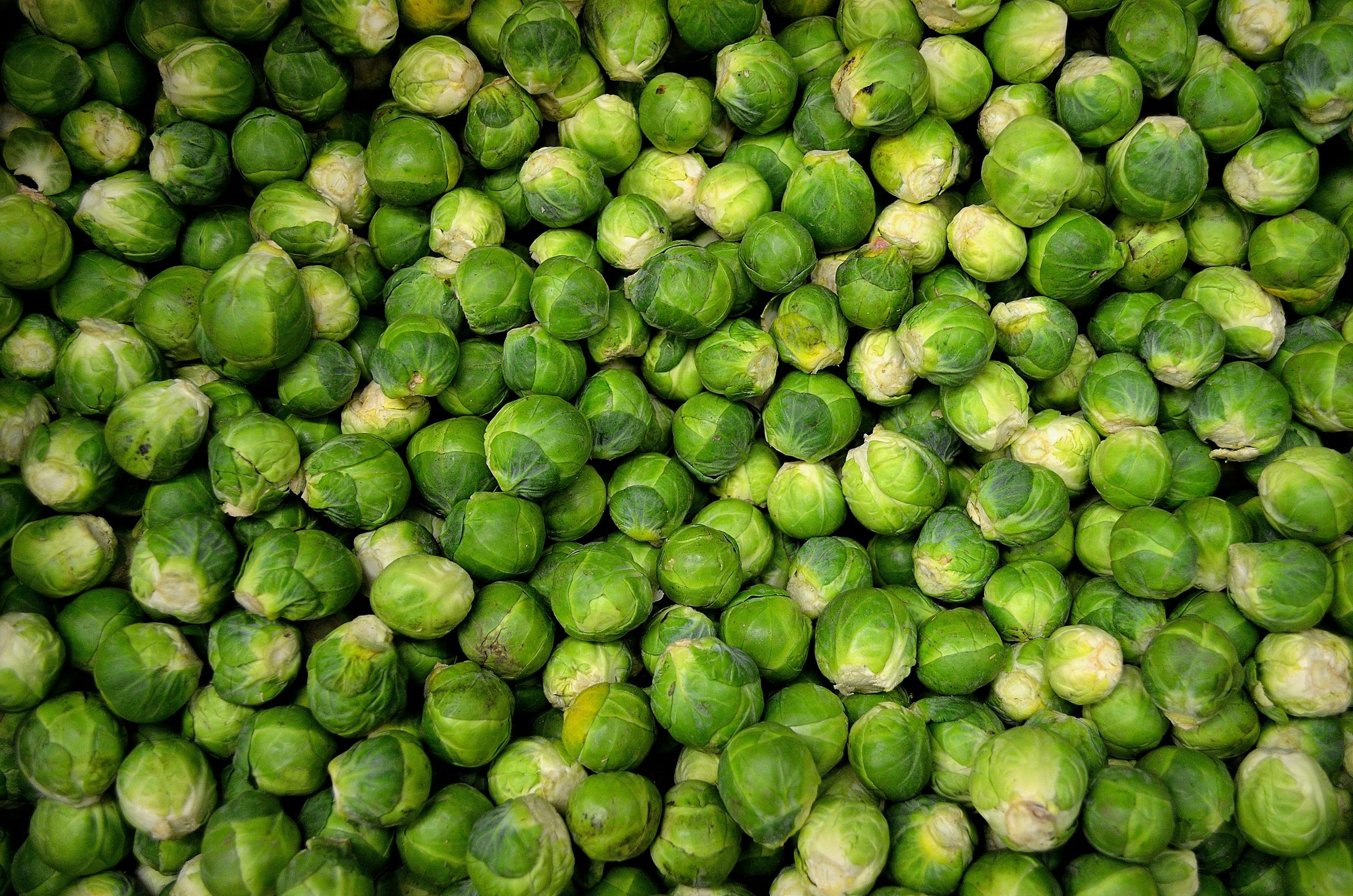
Brussels sprouts are notorious for being the vegetable most people avoid at all costs. They are often overcooked, which can turn them mushy and unappetizing. Even when properly prepared, their bitter flavor and sometimes sulfuric aftertaste make them a tough sell.
Brussels sprouts are part of the cruciferous family of vegetables (like broccoli and cauliflower), which is known for producing a distinctive sulfuric smell when cooked. This, combined with their dense, compact texture, makes them a challenge for some to enjoy.
However, there are those who stand by Brussels sprouts, arguing that when roasted or sautéed with the right seasonings (think bacon or balsamic vinegar), they can be transformed into a delightful dish. For most, though, these tiny cabbages remain a vegetable to be avoided.
Eggplant
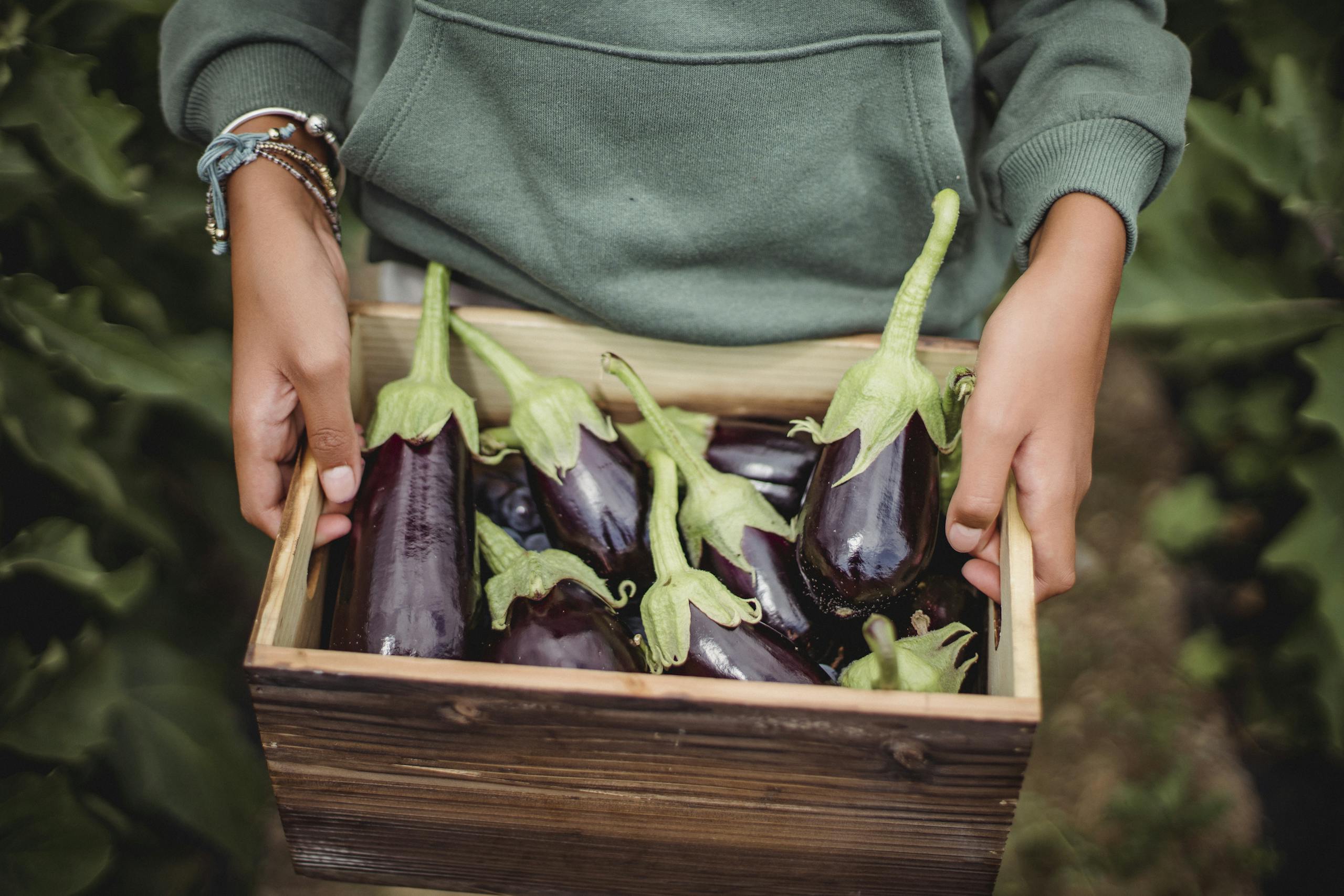
Eggplant is one of those vegetables that people either love or hate. Its spongy, soft texture can easily turn off, especially when cooked improperly. When fried or grilled, eggplant can soak up oil like a sponge, resulting in a greasy, unappealing texture.
Eggplant’s somewhat bitter flavor can also be a barrier to enjoyment. While it absorbs the flavors of whatever it’s cooked with, its own taste is often described as bland or slightly bitter. This lack of pronounced flavor, combined with its mushy consistency, has led many to avoid it altogether.
While eggplant can be transformed into delicious dishes like eggplant parmesan or baba ganoush, its texture and flavor profile often lead people to pass on it during mealtime.
Beets

Beets are one of those vegetables that people either love for their earthy sweetness or can’t stand for their overpowering, earthy flavor. The strong, sometimes earthy taste of beets can easily be described as too much for some palates. Additionally, their deep red color can bleed into other foods, making them an unwelcome addition to salads and dishes alike.
Beets’ texture is also a point of contention. While some enjoy the tender, slightly crunchy bite of roasted beets, others find it to be too dense or rubbery. The distinct flavor and texture profile of beets make them polarizing, and they frequently end up on the “vegetables I’ll never eat” list.
Okra
Okra, a vegetable popular in Southern cooking, is often hated for one major reason: its slime. When cooked, okra releases a viscous substance that can make it unpleasant to eat for those who dislike slimy textures. While this slime is what gives okra its unique thickening properties in dishes like gumbo, it’s also what repels many people from even trying it.
In addition to the sliminess, okra’s flavor is mild but slightly grassy, which can also be unappealing to some. Though okra can be roasted, grilled, or fried to reduce its sliminess, it’s still a vegetable many people choose to skip.
Cabbage
Cabbage is often used in stews, soups, and slaws, but its bitter taste and tough texture can make it difficult to love. Whether it’s raw in coleslaw or boiled in a hearty soup, cabbage tends to have a strong, slightly bitter flavor that makes it unpopular with many.
The fibrous texture of cabbage also doesn’t help its case. When cooked, it can become limp and unappealing. Cabbage’s ability to absorb flavors is limited, making it less versatile than other leafy greens. And while it’s an excellent source of fiber and nutrients, its bitterness often outweighs its health benefits for those who dislike it.
Conclusion
The world of vegetables is vast and varied, and while some are more universally loved than others, each one offers unique flavors and nutritional benefits. The vegetables that land on the “most disliked” list often have characteristics that make them polarizing, such as bitter flavors and unpleasant textures. However, this doesn’t mean that they are undeserving of a spot on your plate. With the right preparation and seasonings, even the most unpopular vegetables can be transformed into culinary delights.
So next time you find yourself facing a plate of Brussels sprouts or cauliflower, consider giving them another chance. It may take a little creativity, but you just might discover that even the most divisive vegetables have a place in your diet.
Read the original article on crafting your home