10 Unexpected Kitchen Hazards You Should Be Aware Of
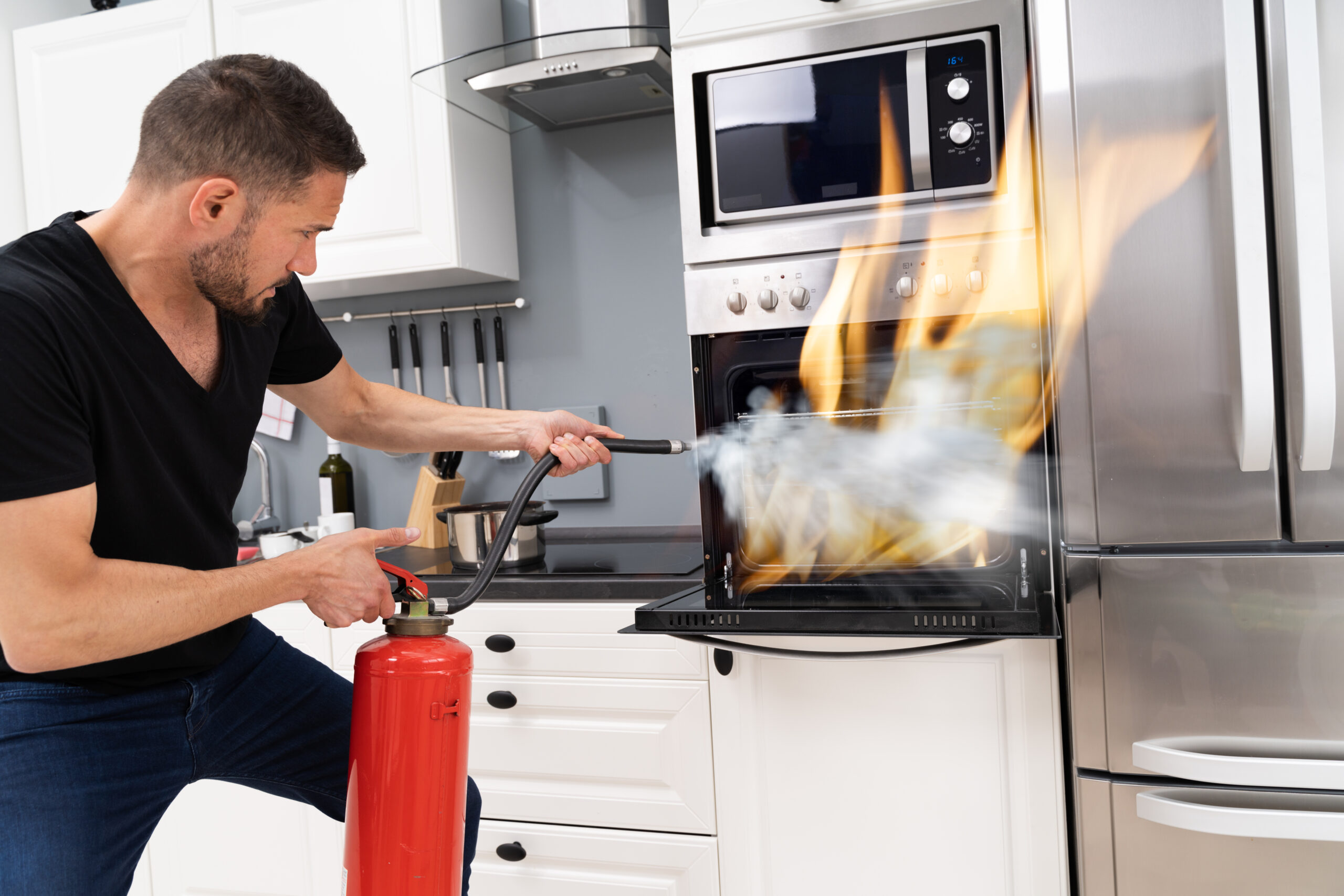
The kitchen is often considered the heart of the home. It’s where we prepare nourishing meals, gather with family and friends, and express our culinary creativity.
However, despite its welcoming atmosphere, the kitchen can also harbor dangers that may surprise you. From scalding liquids to hidden germs, many everyday kitchen activities pose risks that can harm.
In this article, we will delve into the top 10 kitchen hazards that could pose a threat to your safety and offer insights on how to avoid them.
Hot Surfaces and Burns
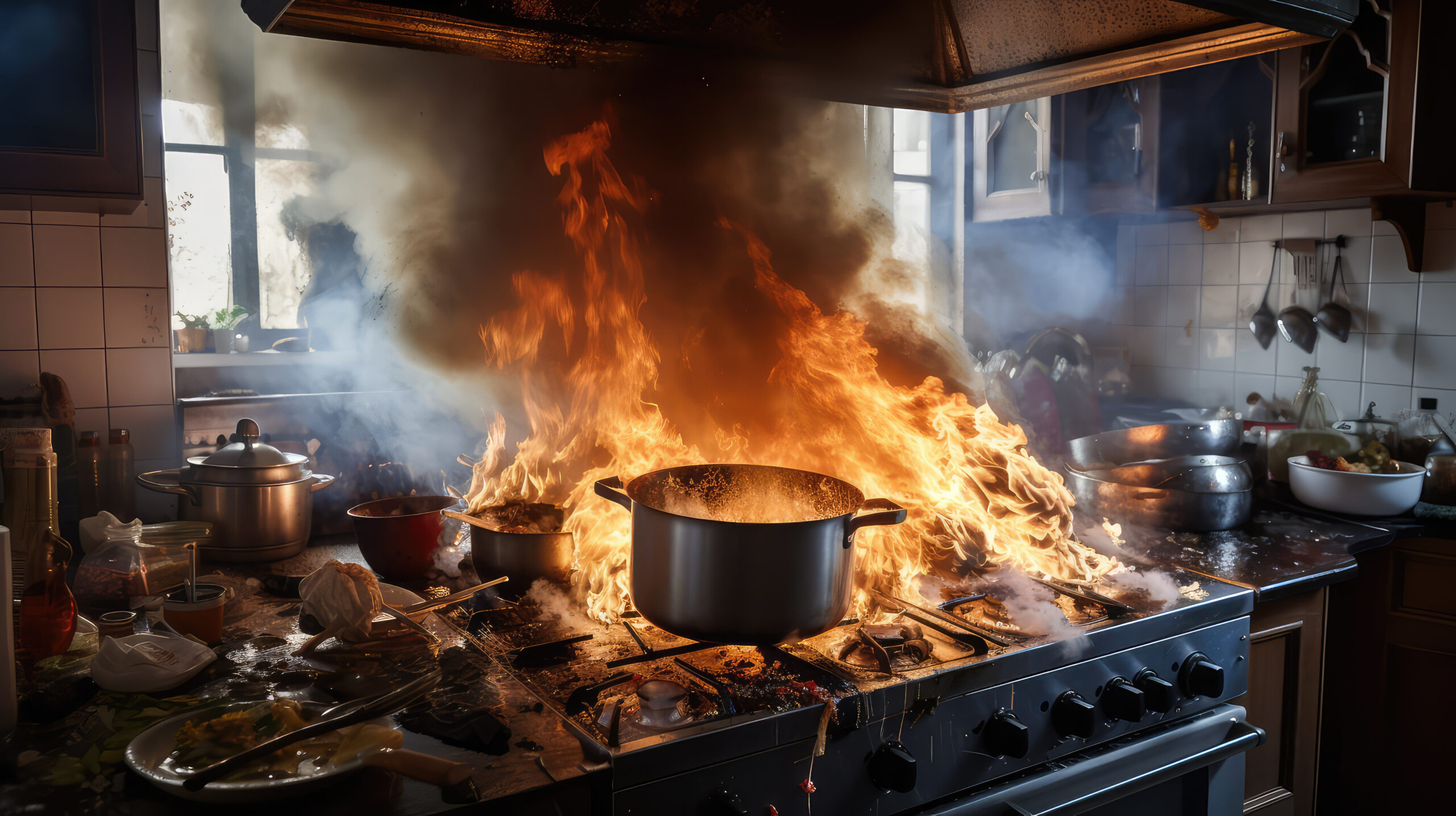
The kitchen is filled with hot surfaces, stovetops, ovens, grills, and even pots and pans. These everyday items can cause severe burns if not handled with care.
When cooking, the risk of burns is higher, especially with distractions or when using high heat for prolonged periods.
It’s crucial to be mindful of your surroundings, to use proper protective gear, such as oven mitts, and to avoid leaving hot objects unattended.
- Always use oven mitts or pot holders when handling hot cookware.
- Place pot handles inward to avoid knocking them off the stove.
- Be mindful of where hot surfaces are placed, especially if you have young children or pets around.
Sharp Knives
Sharp knives are among the most dangerous tools in the kitchen. When improperly used, they can cause deep cuts that require medical attention.
However, sharp knives are less dangerous than dull ones. A dull knife often requires more force to cut through food, increasing the likelihood of slippage and injury.
- Always use knives with a sharp, well-maintained edge.
- When not in use, store knives securely away from countertop edges.
- Never attempt to catch a falling knife or reach across a cutting board without checking your hand placement.
Slippery Floors
Spills happen in kitchens; it’s part of the cooking process. But when liquids such as oil, water, or sauce are left unattended, they can create a slippery surface, leading to dangerous falls.
A sudden slip can result in anything from a sprained ankle to a severe fracture, especially on hard floors like tile or hardwood.
- Clean spills immediately to prevent slipping.
- Use slip-resistant rugs or mats near sinks, stoves, and dishwashers.
- Consider wearing non-slip shoes in the kitchen.
Toxic Chemicals
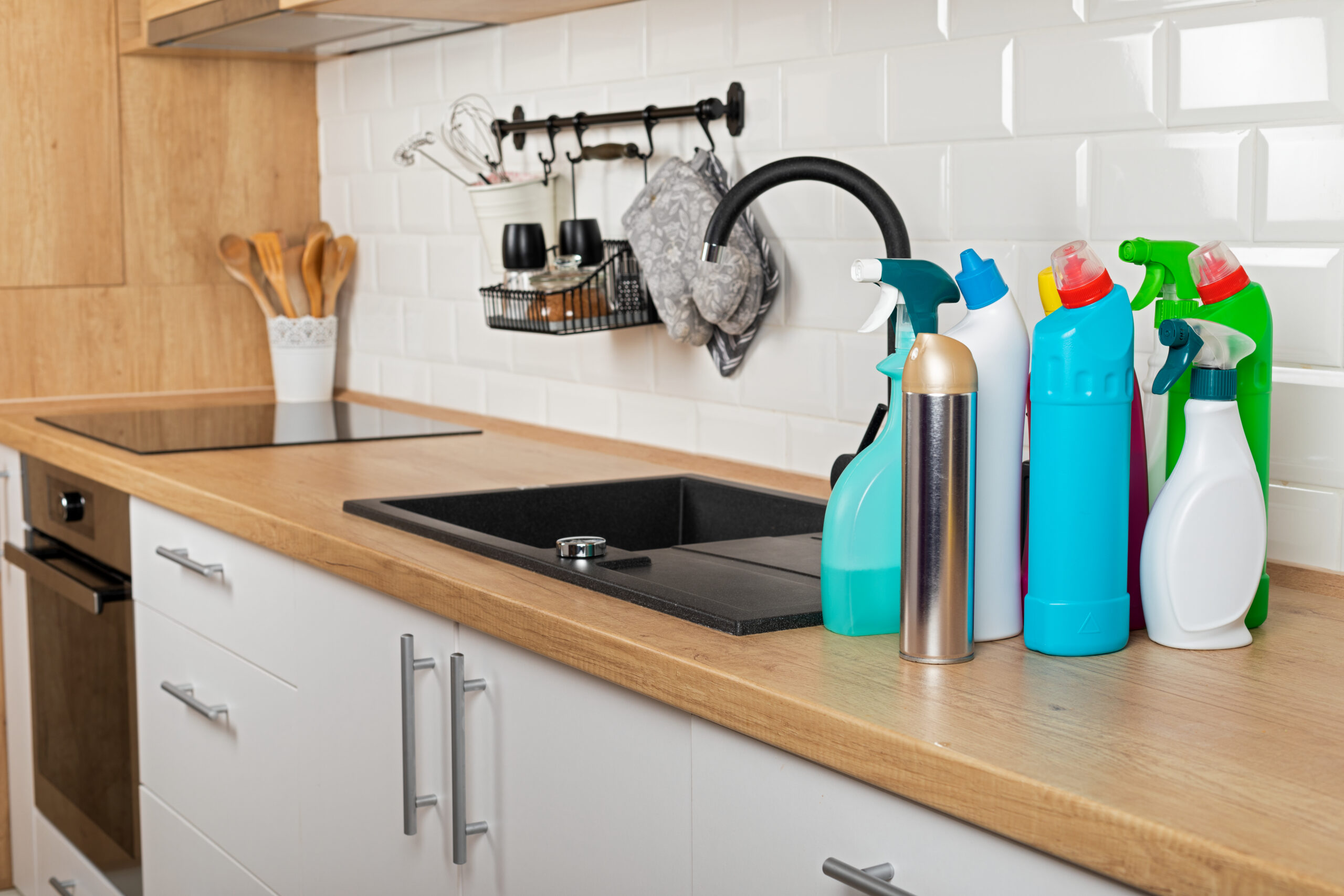
Kitchen cleaning products, though essential, can pose significant risks if not handled properly. Many products contain harsh chemicals that can be toxic if ingested, inhaled, or improperly mixed.
For instance, mixing bleach with ammonia can create toxic gases that are hazardous to your respiratory health.
- Always read labels and use cleaning products in well-ventilated areas.
- Keep cleaning chemicals out of reach of children and pets.
- Never mix different cleaning agents unless the manufacturer specifies otherwise.
Foodborne Illness
Cross-contamination is a significant risk factor for foodborne illnesses in the kitchen. This occurs when bacteria from raw food, such as poultry or meat, spread to other foods through contact with utensils, cutting boards, or countertops.
Consuming contaminated food can lead to stomach illnesses, food poisoning, or even more severe conditions.
- Use separate cutting boards for raw meats and ready-to-eat foods.
- Always wash your hands before and after handling raw ingredients.
- Ensure food is cooked to the appropriate temperature to kill harmful bacteria.
Overheated Oils
Cooking with oil is common, but if the oil gets too hot, it can quickly reach its flash point and catch fire. An oil fire is one of the most dangerous types of kitchen fires because it spreads quickly and is difficult to control.
- Never leave oil heating on the stove unattended.
- Use a thermometer to ensure the oil does not exceed its smoke point.
- Keep a fire extinguisher nearby and never attempt to put out an oil fire with water.
Electrical Hazards
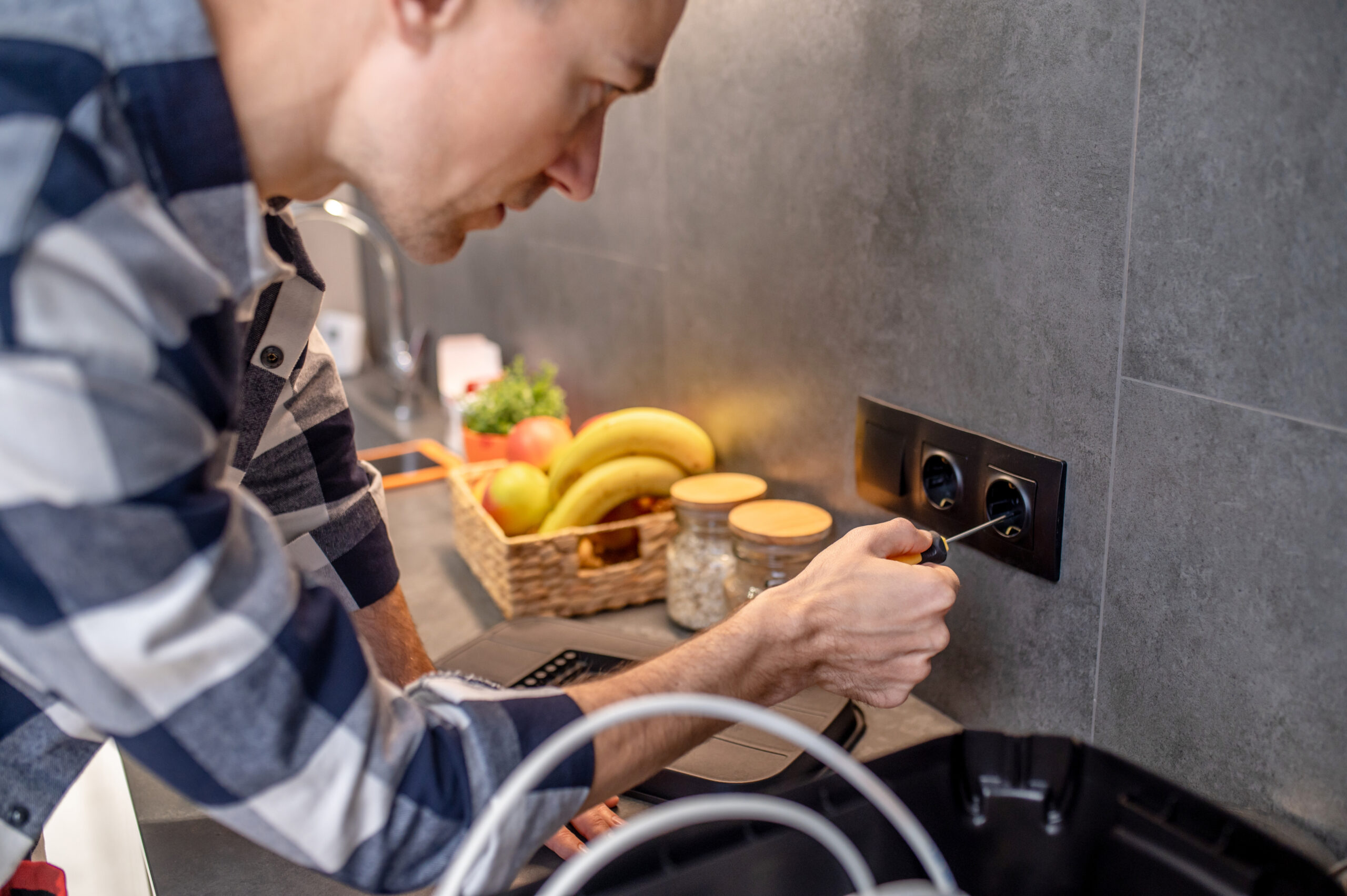
The kitchen is home to several electrical appliances: blenders, toasters, microwaves, coffee makers, and more. When these appliances come into contact with water, the risk of electric shock increases exponentially. Electrical hazards can cause severe injuries or even death if safety protocols are ignored.
- Always dry your hands before using electrical appliances.
- Keep electrical appliances away from sinks and water sources.
- Regularly inspect cords for frays or exposed wires and replace damaged items.
The Microwave Dangers
While microwaves are convenient, they can pose unique dangers when food is heated improperly. Microwaving food in containers that aren’t microwave-safe can cause the container to explode, and certain foods, like eggs or sealed jars, can explode when heated due to pressure buildup.
- Always use microwave-safe containers.
- Pierce food items that could trap steam (e.g., eggs or potatoes) before microwaving.
- Never microwave sealed jars or cans.
Gas Leaks
Gas stoves are popular in many kitchens, but a gas leak can pose a significant threat to your health and safety. Undetected leaks can lead to explosions, fires, or carbon monoxide poisoning. Even a small crack in the gas line can create a potentially deadly hazard.
- Regularly inspect gas lines and connections for leaks.
- Install a gas leak detector to alert you to any problems.
- If you smell gas, evacuate the area immediately and call the gas company.
Improperly Stored Food
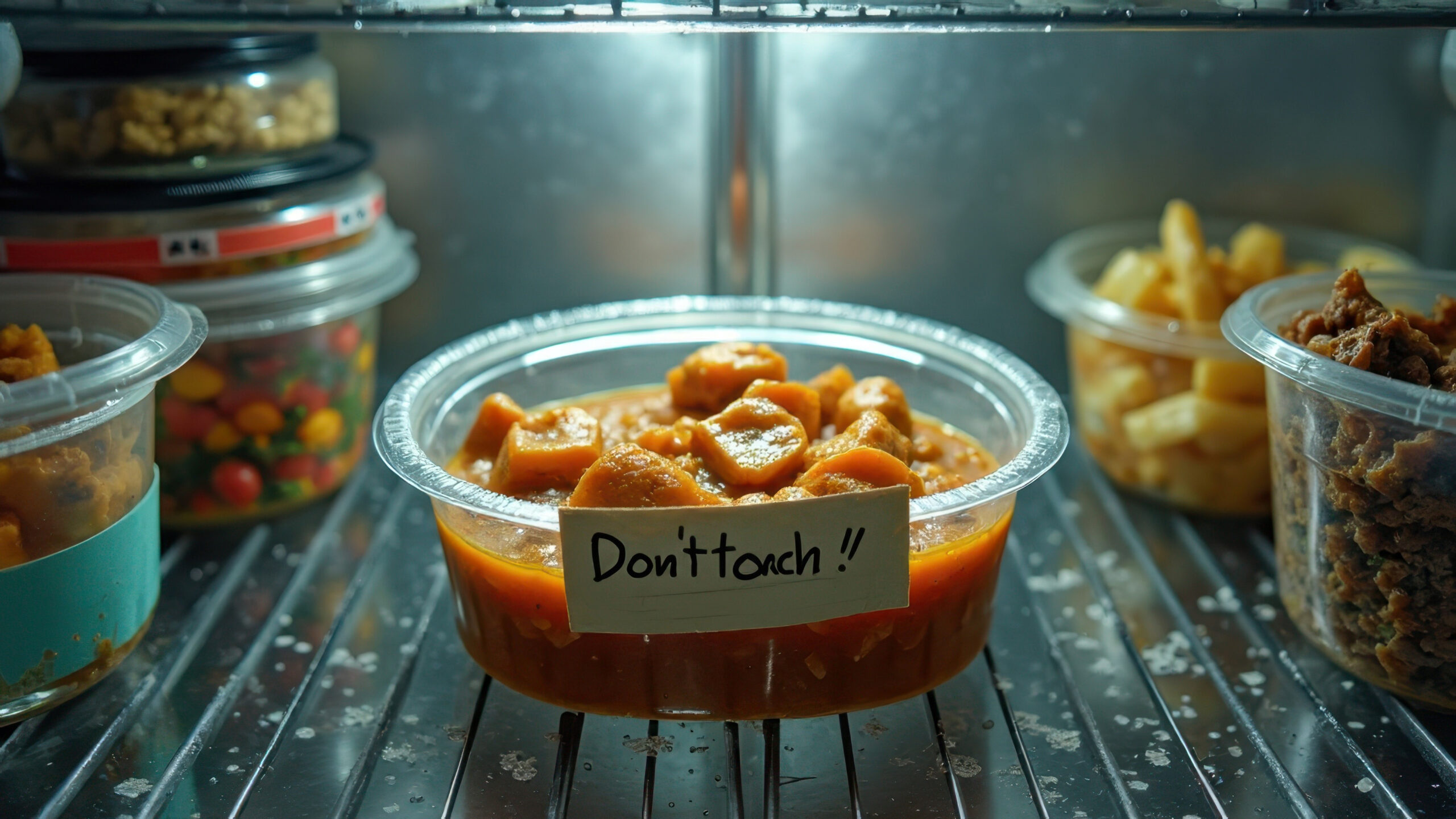
Improperly stored food can promote bacterial growth, increasing the risk of foodborne illness. Not following proper storage guidelines for perishable items like dairy, meat, and poultry can result in spoiled food that is harmful to consume.
- Always store perishable items in the fridge or freezer at the correct temperature.
- Follow expiration dates and discard old food.
- Be aware of the proper storage techniques for different types of food, such as keeping raw meat on the lowest shelf of the fridge.
Conclusion
The kitchen is full of hidden hazards that can result in serious injury or illness. By remaining vigilant and following proper safety protocols, we can protect ourselves and our loved ones from the risks present in this space.
From the simple act of using a knife to managing high-heat oil, small changes in our approach can make a world of difference. Stay safe, stay informed, and ensure your kitchen is a safe place to work, cook, and enjoy the heart of your home.