10 Ultimate Guides to Achieving a Healthy, Sustainable Diet
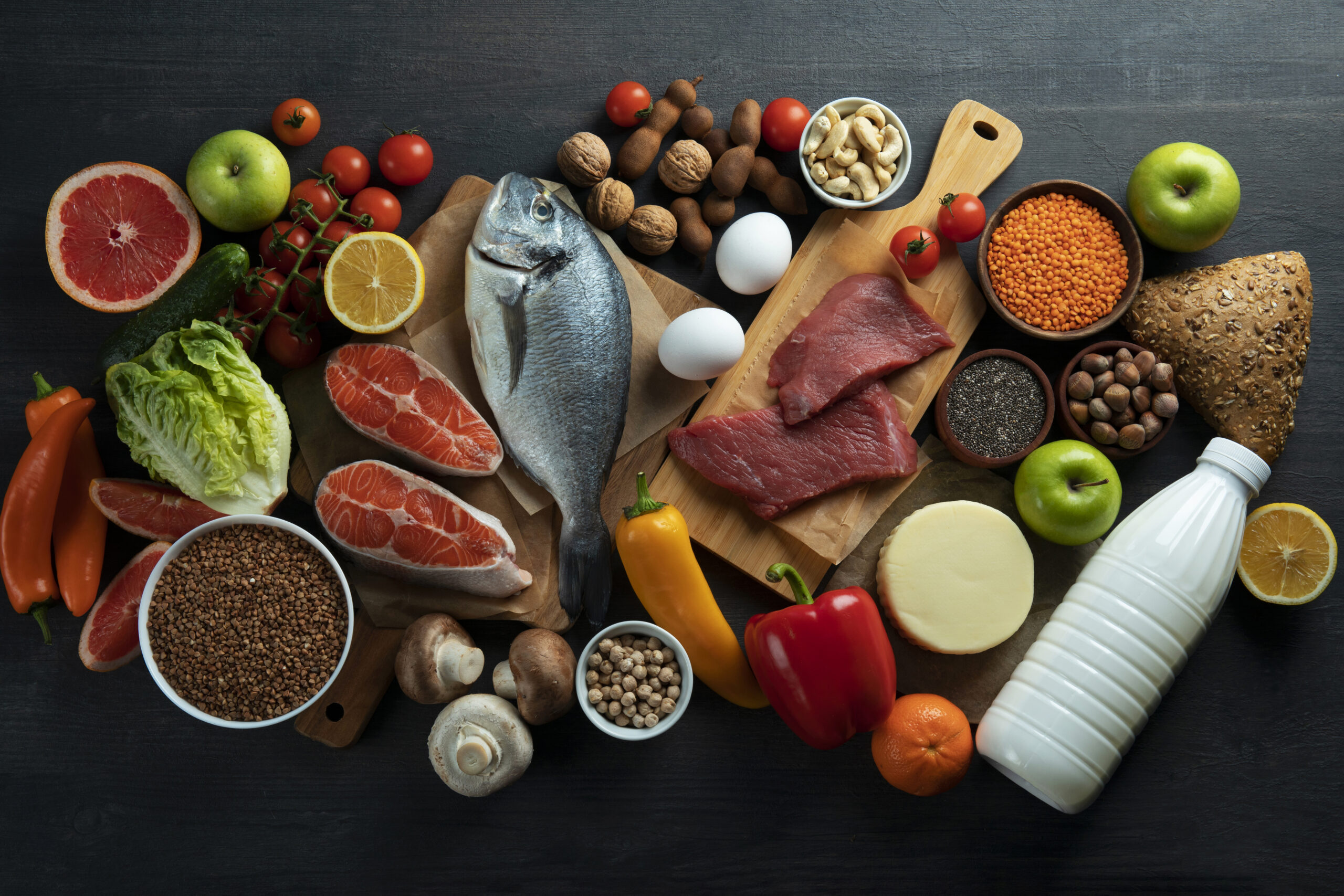
When it comes to diet and nutrition, we all seek the perfect balance, an approach that doesn’t just help us lose weight but also promotes overall well-being. However, the key to a healthy diet is not found in trendy diets or quick fixes.
Instead, it lies in adopting long-term, sustainable habits that nurture both the body and mind.
In this comprehensive guide, we’ll explore the core principles that can guide anyone towards the ultimate, balanced lifestyle without the need for extreme diets or unrealistic restrictions.
Why the Perfect Diet Isn’t a ‘Diet’ at All
The concept of a “perfect diet” has been widely misunderstood. For decades, fad diets like keto, paleo, and veganism have been promoted as the golden ticket to health. However, they fail to consider that true well-being is about balance, not extremes.
What works for one person might not work for another, and some of these diets may lead to nutrient imbalances, setting us up for failure in the long run. The idea that a single “perfect” diet exists is a myth.
Rather than following strict diets, we should focus on creating a sustainable lifestyle that accommodates variety, balance, and mindfulness in food choices.
Focus on Nutrient-Dense, Whole Foods

The foundation of any healthy diet is nutrient-dense, whole foods. These are minimally processed foods packed with essential nutrients our bodies need to function optimally.
Fresh Vegetables and Fruits
Vegetables and fruits are powerhouses of nutrition. Not only do they provide a variety of vitamins and minerals, but they also supply dietary fiber, which aids digestion and promotes a sense of fullness.
Incorporating a wide range of colorful fruits and vegetables into your meals ensures you’re getting a rich mix of antioxidants, vitamins, and fiber to fuel your body and fight off disease.
- Tip: Aim to fill half of your plate with vegetables and fruits at every meal.
Lean Proteins
Proteins are the building blocks of life. They help with muscle repair, immune function, and overall cellular health.
Including lean protein sources such as chicken, turkey, and fish, as well as plant-based options like lentils and beans, is crucial for muscle maintenance and overall health.
- Tip: Prioritize protein at every meal to help you feel satisfied and prevent overeating later.
Healthy Fats
Fats are often misunderstood, but they are an essential part of any diet. Healthy fats, such as those found in avocados, nuts, seeds, and fatty fish like salmon, support brain function, hormone production, and the absorption of fat-soluble vitamins (A, D, E, and K).
- Tip: Opt for unsaturated fats over trans fats or refined oils found in processed foods.
Practice Mindful Eating
Mindful eating is an approach that encourages you to pay attention to your food and your body’s signals while eating. This practice helps you enjoy your meals, recognize hunger and fullness cues, and prevent overeating.
Eating without distractions like smartphones or TV allows you to savor each bite and genuinely appreciate the nourishment food provides.
- Tip: Put down your fork between bites and focus on the flavors and textures of your food. This simple act can help improve digestion and prevent overeating.
Eat Three Balanced Meals a Day
The idea of eating numerous small meals throughout the day is a relatively new trend, but it’s not essential for health. In fact, eating three balanced meals a day is often more effective for controlling hunger and maintaining energy levels.
Skipping meals can lead to overeating later, while overeating small meals throughout the day can contribute to digestive discomfort.
Meal Structure
Each of your three meals should ideally contain a balance of protein, healthy fats, and fiber-rich carbohydrates.
This balance not only helps keep you satisfied but also prevents blood sugar spikes and crashes, which can lead to energy dips and cravings.
- Tip: Focus on whole grains like quinoa, oats, and brown rice for a steady source of energy throughout the day.
Portion Control
The key to maintaining a healthy weight and avoiding overeating is portion control. Instead of obsessing over the number of calories in each meal, focus on eating until you’re satisfied…not stuffed.
By using smaller plates and listening to your body’s hunger signals, you can naturally reduce your intake and prevent mindless overeating.
- Tip: Serve your meals on smaller plates to naturally reduce portion sizes and avoid overeating.
Stay Hydrated

Drinking enough water is an often-overlooked aspect of a healthy diet. Staying properly hydrated helps regulate body temperature, improve digestion, and maintain energy levels throughout the day.
Water also aids in detoxification and can help curb unnecessary snacking when consumed before meals.
- Tip: Aim to drink at least 8 cups (2 liters) of water per day, more if you are physically active.
Avoid Processed and Refined Foods
One of the quickest ways to sabotage your health is by consuming processed and refined foods. These foods are typically high in unhealthy fats, sugars, and empty calories, providing little to no nutritional value.
Items like fast food, sugary snacks, and refined grains can contribute to weight gain, energy crashes, and chronic diseases such as diabetes and heart disease.
- Tip: If it comes in a box, bag, or can, it’s likely processed. Stick to whole foods as much as possible.
Regular Physical Activity
Exercise plays a vital role in overall health, but it doesn’t have to involve grueling gym sessions or intense cardio. The key is to find activities that you enjoy and can sustain over time.
Whether it’s walking, swimming, dancing, or yoga, regular physical activity helps improve cardiovascular health, builds muscle, and support a healthy metabolism.
- Tip: Incorporate movement into your daily routine, such as taking the stairs instead of the elevator or walking after meals.
Get Enough Sleep
Adequate sleep is an essential part of maintaining a healthy diet. Lack of sleep disrupts hormonal balance, increasing hunger hormones while decreasing satiety hormones, which can lead to overeating.
Additionally, poor sleep can negatively affect metabolism and the body’s ability to process food efficiently.
- Tip: Aim for 7-9 hours of quality sleep per night to support your diet and overall health.
Minimize Sugar Intake
Sugar is one of the most damaging substances in our diet. It not only contributes to weight gain and energy crashes, but it can also lead to chronic conditions like obesity, type 2 diabetes, and heart disease.
Reducing sugar intake, particularly added sugars found in processed foods and sugary drinks, is essential for maintaining health.
- Tip: Opt for naturally sweetened foods, such as fruits, to satisfy your sweet tooth.
Embrace Flexibility

While consistency is important, it’s also essential to allow for flexibility in your diet. The perfect diet isn’t about rigid rules or total deprivation; it’s about creating a lifestyle that is enjoyable and sustainable.
Occasional indulgences are a part of life and can help prevent feelings of restriction, which can lead to unhealthy food obsessions.
- Tip: It’s okay to enjoy a treat now and then, just be sure to get back on track with your healthy habits after.
Conclusion
Achieving and maintaining a healthy diet is about more than following specific rules or quick fixes. It’s about embracing balanced, sustainable habits that nourish both your body and mind.
By focusing on whole, nutrient-dense foods, practicing mindful eating, and incorporating regular physical activity, you can create a diet that works for you. Remember, the key to success is consistency and flexibility, not perfection.
By following these principles, you’ll be on your way to a sustainable, enjoyable approach to nutrition that supports a long