


The post 10 TV Shows That Premiered in 1966 and Turn 60 This Year first appeared on Crafting Your Home.
Before streaming franchises, cinematic universes, and viral fandoms, 1966 delivered a remarkable run of television premieres that changed what audiences expected from the small screen. In a single year, viewers met a pop-art superhero, a future-focused space crew, a fictional spy organization and a group of musicians who moved from television characters into real-world pop stars.
These series arrived as television expanded its creative boundaries. Some brought comic books to life with bold colors and exaggerated style. Others used science fiction, adventure, and music to explore new possibilities. Six decades later, these shows remain recognizable because they introduced characters, ideas, and formats that continued far beyond their original broadcasts.
Here are 10 television series that premiered in 1966 and celebrate their 60th anniversaries in 2026.
Daktari January 11, 1966, CBS
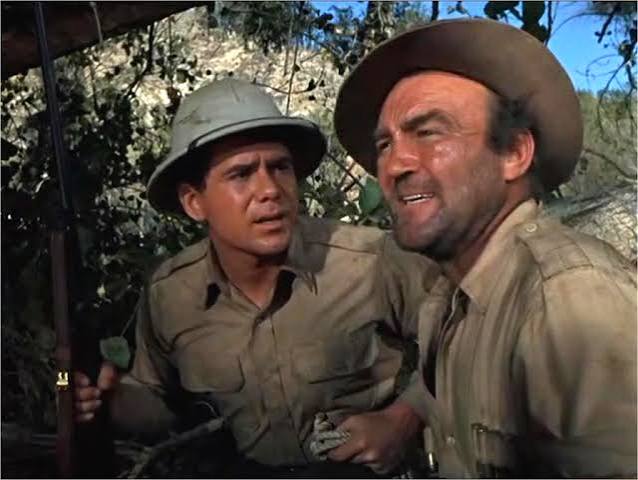
Premiering with the episode “The Elephant Thieves,” Daktari brought wildlife adventure into family television. The series followed veterinarian Dr. Marsh Tracy, played by Marshall Thompson, at a fictional African animal study center.
The show combined animal stories, family-friendly drama and adventure, creating a distinctive place among mid-century television programs. Its appeal came from blending the excitement of exploration with the caring mission of protecting animals, making it a memorable viewing experience for families.
Batman January 12, 1966, ABC
When Batman arrived on ABC, the Caped Crusader looked unlike any superhero television had seen before. Adam West’s Batman and Burt Ward’s Robin entered a world of vivid colors, theatrical villains, dramatic cliffhangers, and the now-famous on-screen fight captions.
The series transformed comic-book storytelling into pop-art television. Rather than simply adapting a hero from the page, it created a unique style of its own, one filled with humor, visual energy, and unforgettable characters. Its influence remains closely tied to the way audiences remember 1960s superhero entertainment.
That Girl September 8, 1966, ABC
That Girl introduced viewers to Ann Marie, an aspiring actress played by Marlo Thomas, as she built an independent life in New York City.
The sitcom stood out because its central character had ambitions and a life beyond the era’s traditional expectations for female television characters. Running until 1971, the series became part of the broader conversation around changing portrayals of women on television during the 1960s.
Star Trek, September 8, 1966, NBC
Few television premieres have created a legacy like Star Trek. Gene Roddenberry’s science-fiction series introduced Captain Kirk, Spock, the USS Enterprise, and a vision of exploration that would grow into one of entertainment’s most enduring franchises.
The original series used futuristic stories to examine subjects including racism, sexism, war, peace, and authoritarianism. Its multicultural cast and ambitious themes set it apart, proving that science fiction could explore serious ideas about humanity and society.
Tarzan September 8, 1966, NBC

NBC’s Tarzan brought Edgar Rice Burroughs’ famous jungle hero back to television with Ron Ely in the title role.
The series updated the character through an hour-long adventure format, introducing Tarzan to a new generation of viewers. Its premiere was part of a larger 1966 television trend: familiar characters reimagined for changing audiences and new storytelling styles.
The Green Hornet, September 9, 1966, ABC
The Green Hornet arrived as a masked-crimefighter drama starring Van Williams as Britt Reid. Although the series lasted only one season, it earned its place in television history by introducing American audiences to Bruce Lee as Kato.
The role helped give Lee a much wider U.S. audience before he became an international martial-arts film icon. Decades later, the series remains remembered as an important early chapter in his career.
The Time Tunnel September 9, 1966, ABC
Irwin Allen’s The Time Tunnel embraced science fiction’s possibilities by sending two scientists through history. Each adventure placed them in a different famous moment, from the Titanic disaster to World War II.
The series reflected television’s growing interest in ambitious, high-concept storytelling. It turned history into a weekly adventure and showed how imaginative technology could open the door to countless narratives.
The New Adventures of Superman, September 10, 1966, CBS
Filmation’s animated The New Adventures of Superman extended the Man of Steel’s television presence with Saturday-morning adventures.
For younger viewers, the series offered a chance to experience Superman stories in animated form at a time when superhero films had not yet become major blockbuster events. It helped continue the character’s long-running connection with television audiences.
The Monkees September 12, 1966, NBC
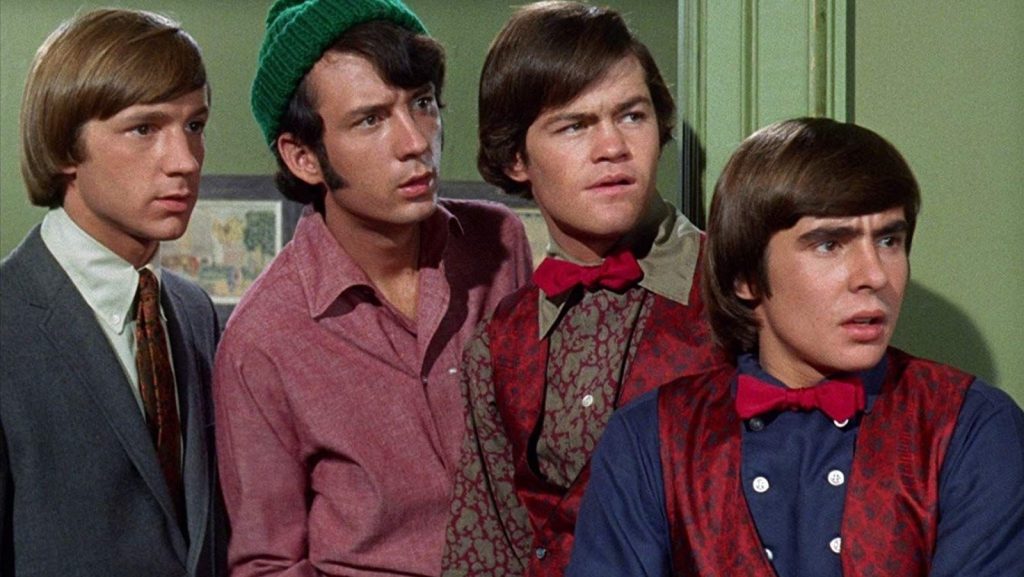
What began as a television comedy about four young musicians quickly became something much bigger. The Monkees followed Micky Dolenz, Davy Jones, Michael Nesmith and Peter Tork as fictional performers but the group became a genuine recording act outside the show.
Their music, personalities, and dedicated fan following outlasted the series’ two-season run. The show became an unusual example of television creating a cultural phenomenon that continued through hit records, reruns and later reunion tours.
Mission: Impossible September 17, 1966, CBS
Before the modern movie franchise, Mission: Impossible built its identity around carefully planned operations, disguises, gadgets and impossible assignments.
The original CBS series introduced audiences to the Impossible Missions Force and a style of suspense built around strategy rather than simple action. Its central concept became the foundation for a long-running film franchise, proving the staying power of its original idea.
A Year That Changed Television
The 1966 television premieres represented a remarkable mix of genres and ideas. Superheroes, science fiction, adventure, comedy, animation, music, and espionage all found new expressions on the small screen.
Sixty years later, these shows remain part of television’s shared memory because they did more than fill airtime; they introduced worlds that audiences continued exploring long after their first broadcasts. The year 1966 was not just a strong season for television premieres; it was a turning point that helped define what television could become.
Other Posts You Might Like:
If you like what you just read, then subscribe to our newsletter and follow us on social media.


