10 Toxic Creatures and Plants That Are Surprisingly Beneficial to Human Health
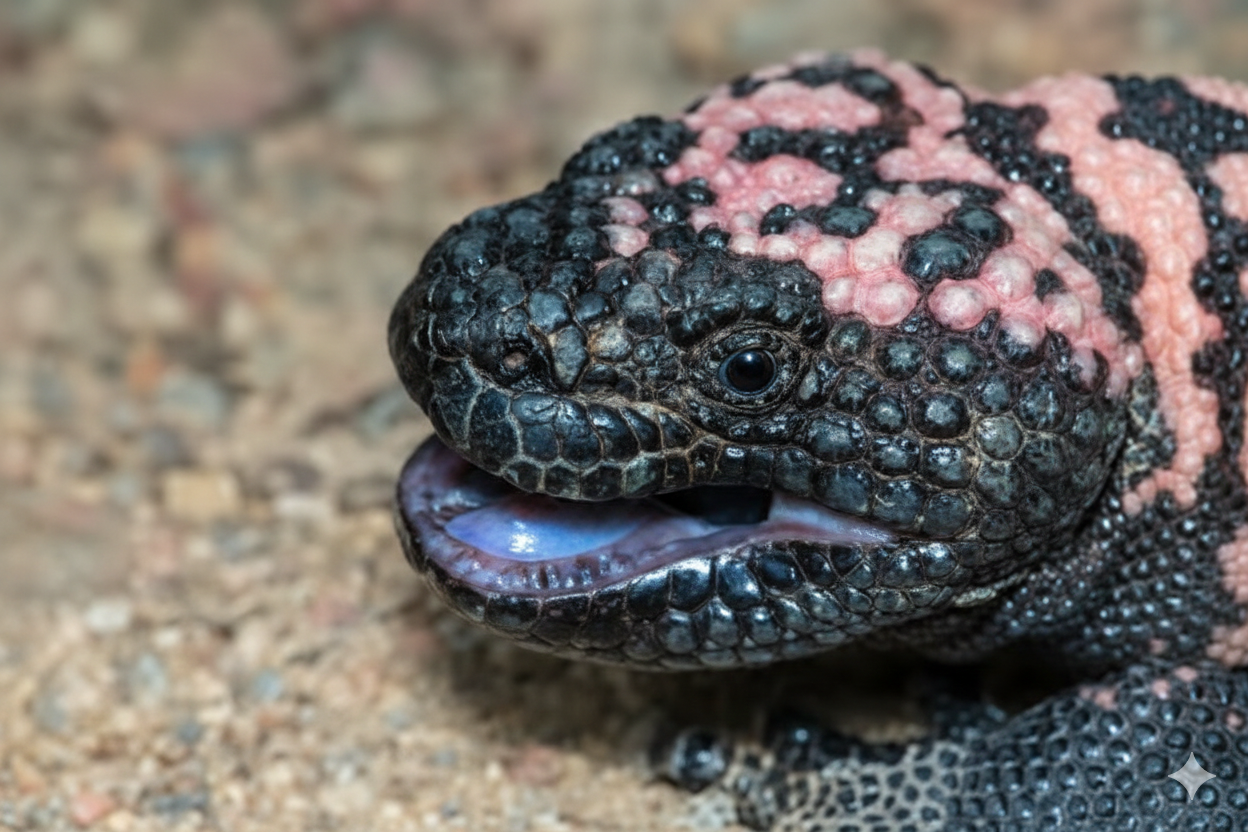
The natural world is full of creatures and plants that have developed potent toxins as part of their evolutionary strategies. These toxins are primarily designed to protect them from predators or to help them catch prey.
Yet, in a surprising twist of fate, these same toxins are now being harnessed for therapeutic purposes, offering potential solutions for a range of medical conditions. From cancer treatments to pain relief, the lethal properties of certain animals and plants are becoming unlikely heroes in modern medicine.
Pufferfish
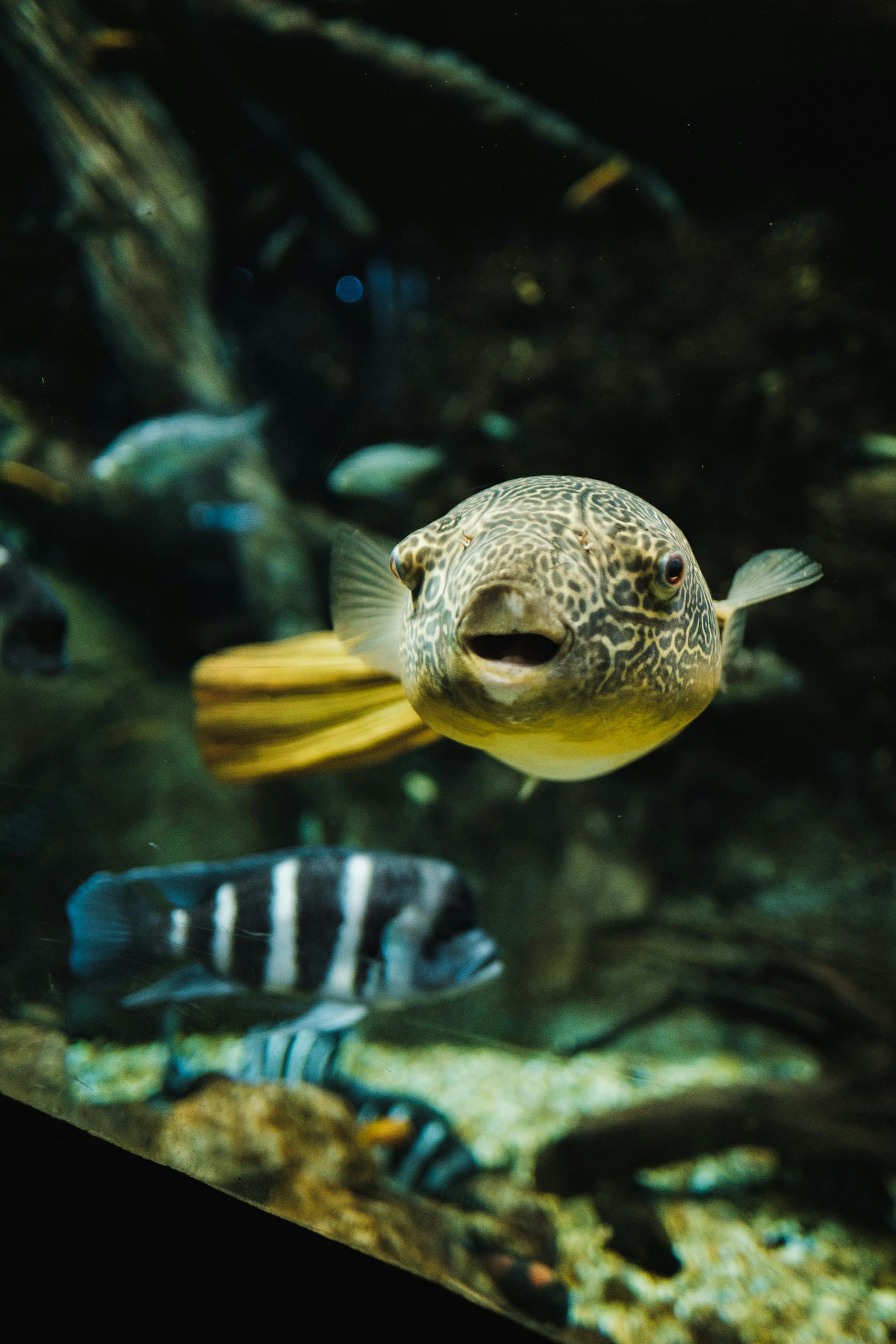
Pufferfish, notorious for their deadly poison, tetrodotoxin, have long been feared by ocean-goers. This neurotoxin, which can cause paralysis and death in a matter of hours, blocks the transmission of nerve signals, effectively causing the body to shut down. However, scientists have discovered that, when administered in controlled doses, tetrodotoxin can serve as a powerful painkiller.
Ticks
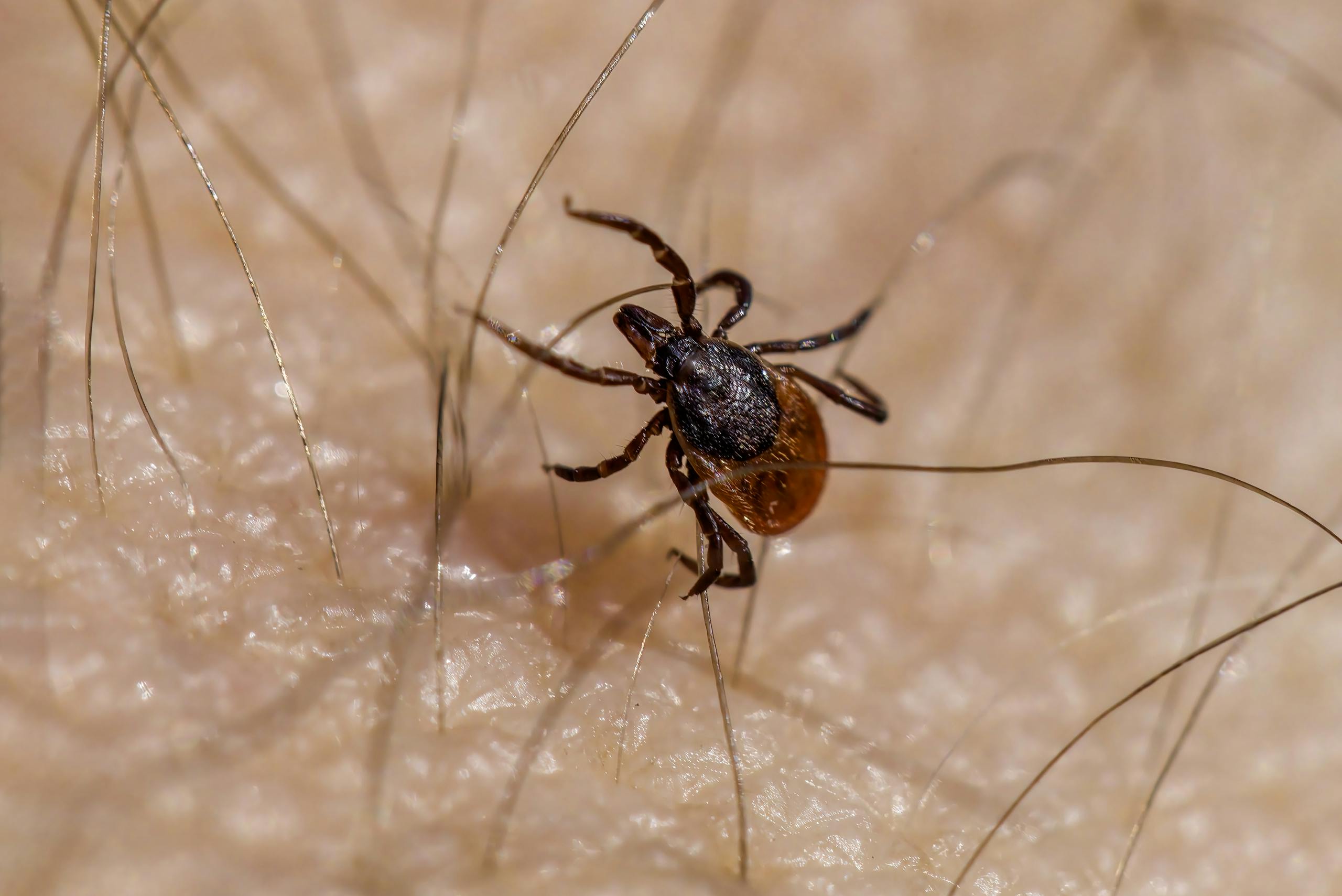
Ticks, often viewed as pests due to their bloodsucking nature, have a surprising medical application. Their saliva contains compounds that help them latch onto their hosts by suppressing the immune system and easing blood flow. While this might seem disgusting to most, researchers are studying tick saliva for its potential to treat various diseases.
Sea Anemones
Sea anemones may look like harmless, colorful underwater flowers, but their toxins are potent and deadly. For small fish, their stinging cells paralyze and immobilize prey, but these same toxins are now being investigated for their therapeutic potential. Sea anemone venom has shown promise in the treatment of autoimmune diseases like multiple sclerosis and rheumatoid arthritis.
Fire-Bellied Toads
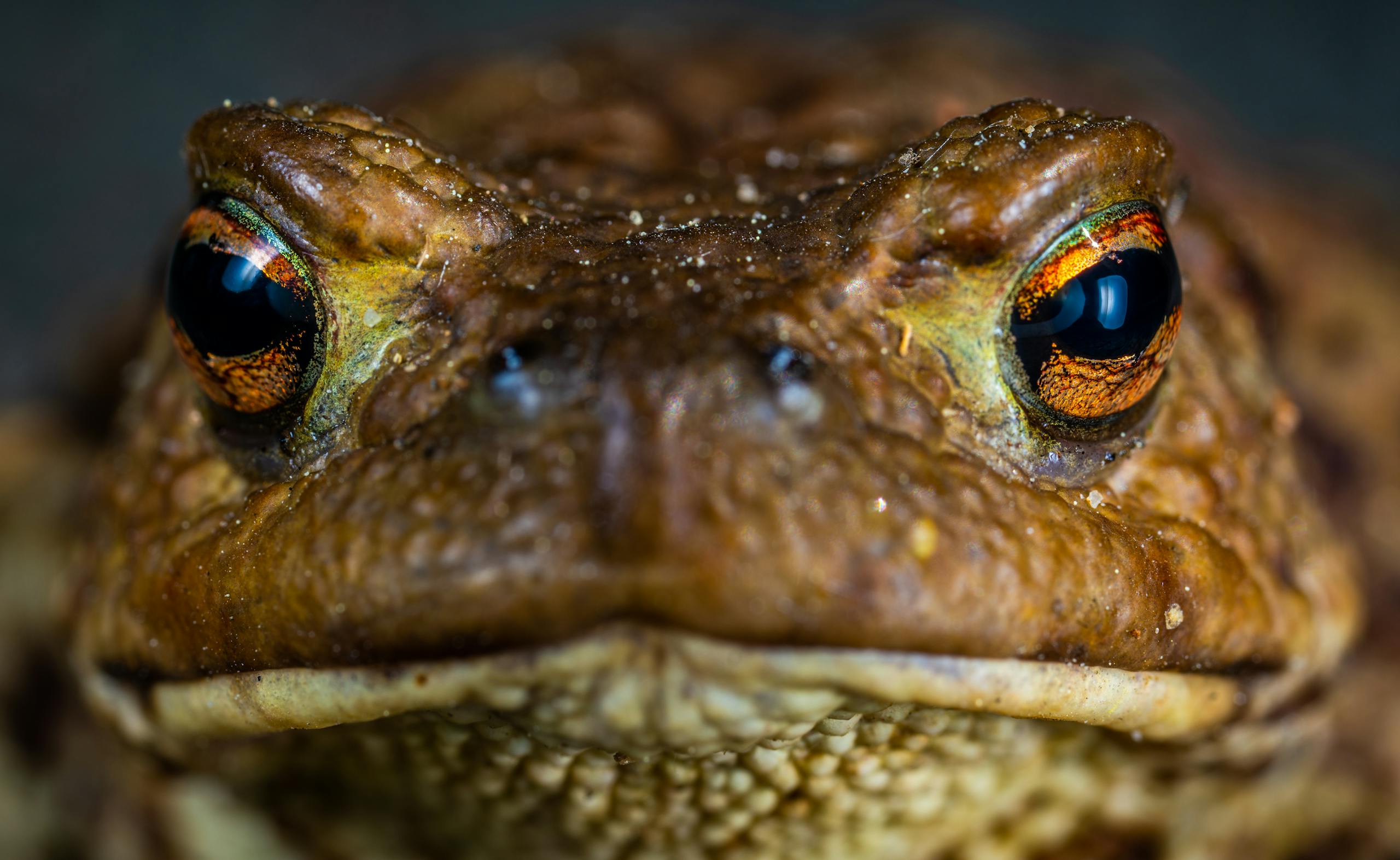
Fire-bellied toads, with their bright, striking skin, are well-known for their toxic secretions. These toxins, while harmful to humans, have been found to have an unexpected benefit: they can inhibit the growth of certain tumors. The poison, known as bombesin, binds to specific receptors on tumor cells, effectively slowing or stopping their growth.
The Yew Tree
The yew tree has a dark reputation due to the toxicity of its leaves, which can cause severe poisoning if consumed. However, this same poison has been harnessed to create one of the most important cancer treatments of our time. The chemical compound found in the yew tree, paclitaxel, has been used to develop chemotherapy drugs that help treat a variety of cancers, including breast, ovarian, and lung cancer.
Bees
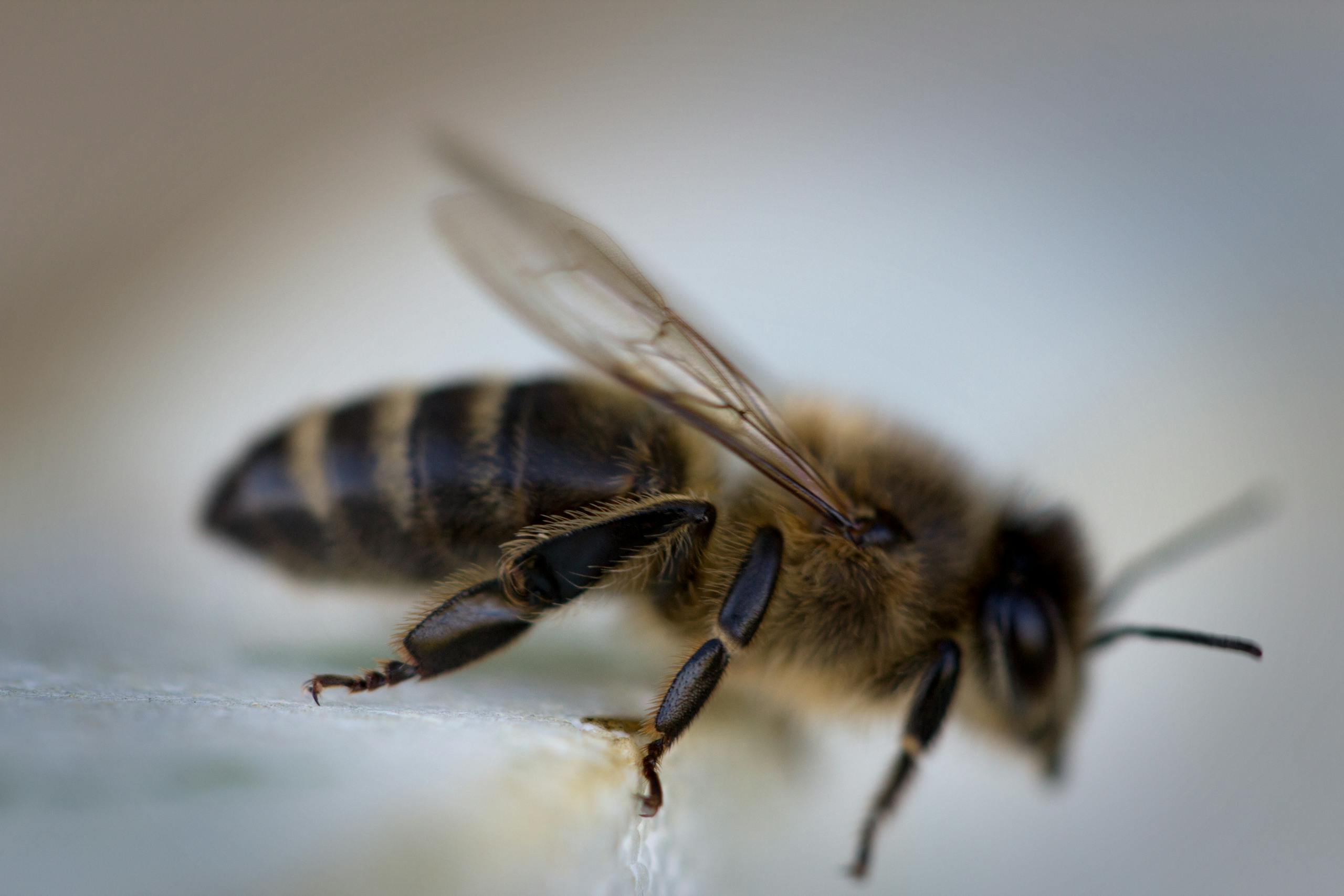
Bee venom, though painful, has been found to have medicinal properties that can help treat a variety of health conditions. The venom contains compounds like melittin and apamin, which have anti-inflammatory effects and can help relieve pain. Bee venom therapy, also known as apitherapy, is being studied for its potential to treat conditions like arthritis, sciatica, and even Lyme disease.
Autumn Crocus
The autumn crocus, while beautiful, contains colchicine, a compound that can cause severe poisoning if ingested. Symptoms include nausea, vomiting, and even kidney failure. However, when used in controlled doses, colchicine has powerful medicinal properties. It is primarily used to treat gout, a form of arthritis that causes painful inflammation in the joints.
Sweet Clover
Sweet clover, while harmless in its fresh form, becomes toxic when mold grows on it, transforming its coumarin content into dicoumarol, a potent anticoagulant. While sweet clover itself can be deadly to animals when moldy, the anticoagulant properties of dicoumarol have been used to develop warfarin, a drug that helps prevent blood clots.
Lionfish
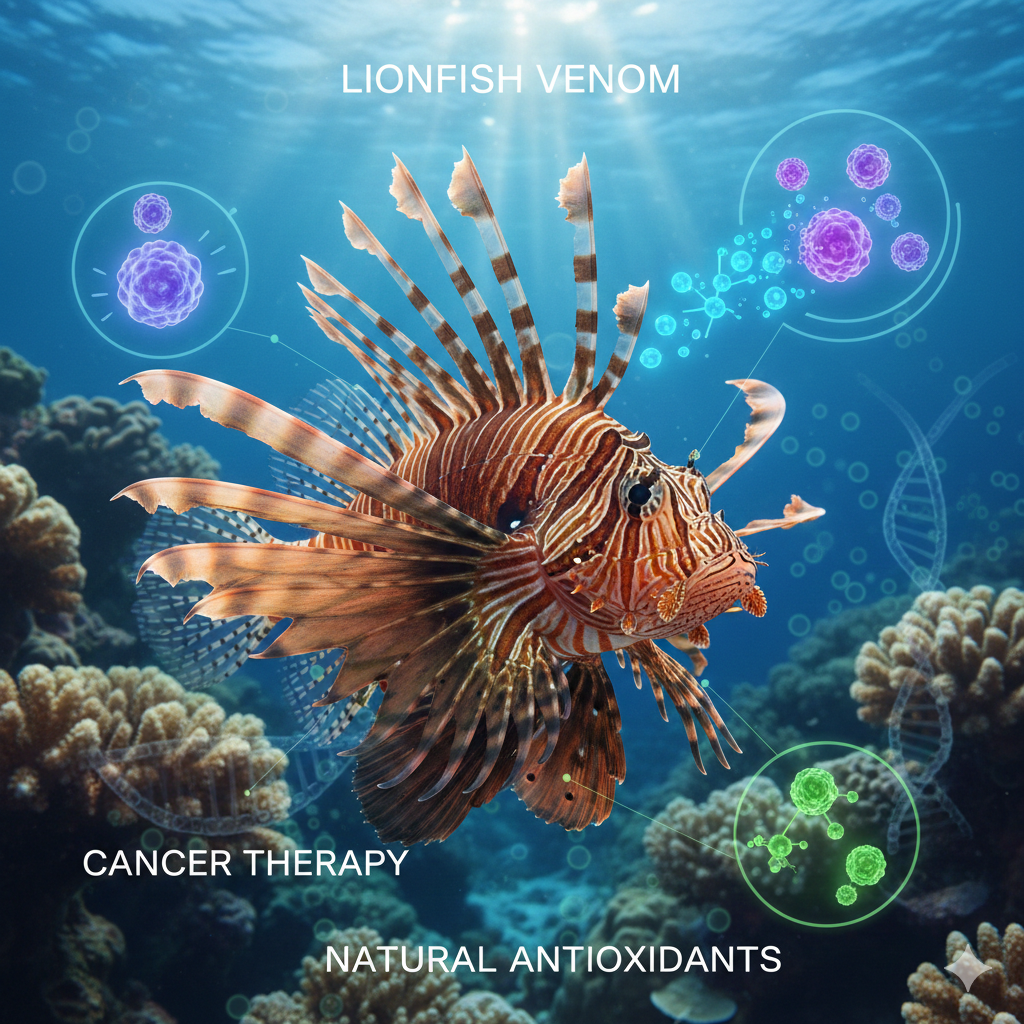
Lionfish, with their striking appearance and venomous spines, are invasive species in many parts of the world. While their venom can cause severe pain, swelling, and paralysis, researchers are investigating the potential of lionfish venom in cancer treatment. The venom contains compounds that have shown promise in targeting and killing cancer cells.
Fire Ants
Fire ants are infamous for their painful stings, which can cause swelling, itching, and even anaphylaxis in allergic individuals. However, the venom from fire ants has been found to have anti-inflammatory properties. Research suggests that fire ant venom could be used in the treatment of psoriasis, an autoimmune disorder that causes skin cells to multiply rapidly, resulting in scaly, inflamed patches.
Conclusion
Nature’s most dangerous creatures and plants have a hidden potential that can save lives and improve human health. From the deadly pufferfish to the venomous fire ants, toxins that once inspired fear are now being studied for their therapeutic properties. These compounds are revolutionizing medical treatments, offering hope for patients with conditions like cancer, arthritis, autoimmune disorders, and chronic pain.
Read the Original Article on Crafting Your Home