


The post 10 Things That Were Once Normal in America but Are Disappearing first appeared on Crafting Your Home
Remember when every house had a landline, Saturday meant a trip to the video rental store, and paying bills involved writing checks? Not so long ago, these were ordinary parts of American life. Nobody thought twice about them because almost everyone did the same things.
Fast-forward to 2026, and many familiar routines look surprisingly old-fashioned. Smartphones have replaced household telephones, streaming services have transformed movie nights, and shopping no longer requires leaving the couch.
Some changes have made life easier, while others have left people feeling nostalgic for simpler times. Here are 10 once-familiar American habits and traditions that are becoming less common, along with what the numbers reveal.
Related: 20 Odd American Traditions That Confuse the Rest of the World
Having a Landline Telephone in Every Home
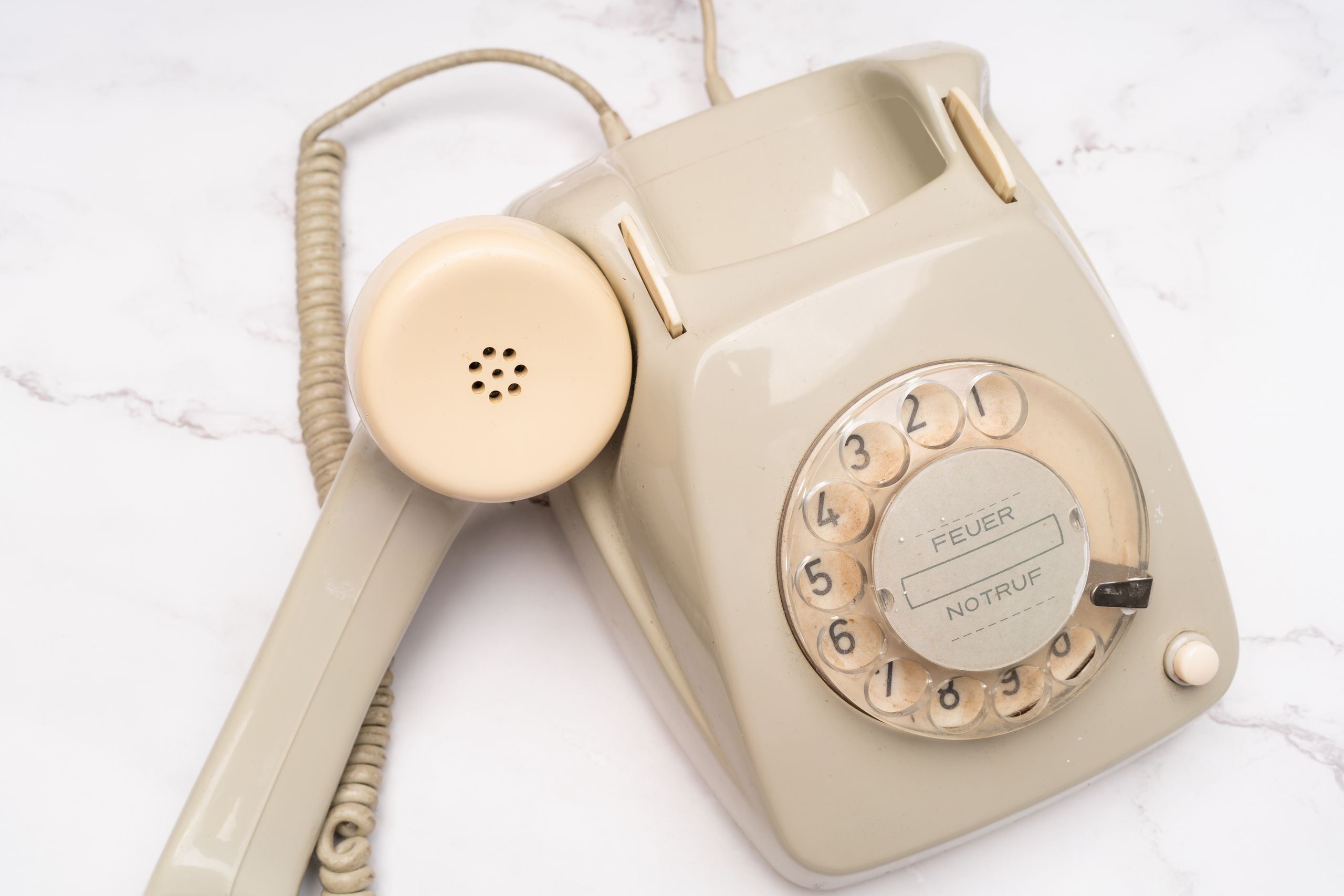
Once, calling someone’s house meant you might speak to their entire family. You might reach their mother, father, or sibling before finally getting the person you wanted.
Today, that familiar experience is becoming increasingly rare.
According to the Centers for Disease Control and Prevention, approximately 78.7% of American adults lived in households with wireless phones but no landline during the second half of 2024.
Mobile phones have made personal communication more convenient, eliminating the need to share a single household telephone.
Writing Personal Letters and Sending Them Through the Mail
Before text messages and social media, receiving a handwritten letter could brighten someone’s entire afternoon. People mailed birthday wishes, holiday greetings, and personal updates. Some saved their favorite letters in boxes for years.
A 2024 report from the U.S. Postal Service Office of Inspector General found that First-Class Mail volume declined by 50% between fiscal years 2008 and 2023, falling from approximately 92 billion pieces to 46 billion.
The report identified electronic communication as a major reason for the decline.
Paying Bills With a Checkbook
Remember sitting at the kitchen table with a stack of bills, a pen, and a checkbook? For many Americans, paying the electric bill or sending money to a business once involved writing a check, recording the amount, and mailing an envelope.
The Federal Reserve’s payment research documents a long-term decline in check usage. Its 2025 consumer payment survey found that 33% of consumers had made a check payment in the previous 30 days, down from 35% in 2024.
Carrying Cash for Everyday Purchases

A wallet full of dollar bills used to be essential for almost everything, from lunch to groceries. Today, many people can get through an entire shopping trip without touching physical money.
Credit cards, debit cards, and mobile payment systems now handle a much larger share of transactions.
Cash hasn’t vanished, though. Federal Reserve research shows that many Americans still use it regularly, particularly older adults and people living in rural areas.
Reading a Printed Newspaper With Morning Coffee
For generations, the morning newspaper was part of the daily routine in American homes.
Today, that experience faces growing competition from phones, computers, and digital news platforms.
Northwestern University’s 2025 State of Local News report found that print newspaper circulation had fallen by an estimated 70% since 2005. The report also noted that fewer than one in five U.S. daily newspapers were still printed and delivered seven days a week.
Printed newspapers continue to serve readers, but their place in the American morning routine has changed dramatically. For longtime subscribers, unfolding a fresh newspaper is hard to replicate on a screen.
Renting Movies From a Video Store
Trips to Blockbuster or a neighborhood video store meant wandering aisles of VHS tapes and DVDs, reading descriptions, and hoping the latest release was available.
According to the Oregon Encyclopedia, Blockbuster had more than 9,000 locations in the United States at its 2004 peak. By 2018, only one remained, in Bend, Oregon.
Streaming may be convenient, but scrolling through endless options doesn’t quite recreate the excitement of discovering a movie on a crowded rental shelf.
Related: 14 Boomer Habits That Are Making a Comeback
Planning Your Evening Around a Television Schedule

Missing an episode could mean waiting for a rerun.
Streaming and on-demand viewing have changed that arrangement.
In May 2025, Nielsen reported that streaming accounted for 44.8% of television viewing, surpassing the combined share of traditional broadcast and cable television for the first time.
Scheduled television hasn’t disappeared, especially for live sports and major events. However, viewers increasingly have the freedom to watch entertainment whenever they choose.
Going to Stores for Almost Every Purchase
Shopping used to mean getting dressed, driving to the store, finding parking, and searching the shelves.
Online shopping has gradually changed those expectations.
U.S. Census Bureau figures show that e-commerce accounted for approximately 0.8% of retail sales in early 2000. By the second quarter of 2026, its share had grown substantially. Physical stores still account for most retail spending, so traditional shopping is far from disappearing.
What has changed is the assumption that buying something requires leaving home. For many purchases, a few taps can replace an entire afternoon of errands.
Spending More Time Socializing in Person
People still enjoy these activities, but national time-use data suggest Americans spend less time socializing and communicating than they once did.
Figures derived from the Bureau of Labor Statistics’ American Time Use Survey show that people age 15 and older averaged about 47 minutes per day socializing and communicating in 2003, compared with approximately 35 minutes in 2025.
These figures cover a broad category of social activities, not specifically neighborly visits or porch conversations. Still, the overall decline offers an interesting glimpse into changing routines.
Digital communication makes it easier to stay connected across distances, but it doesn’t always replace spending an afternoon together.
Related: 8 Little Rituals From the ’80s and ’90s That Disappeared Without Much Notice
The Traditional Married-Couple Household Being the Default

That family structure still matters to millions, but it no longer represents most households.
According to U.S. Census Bureau estimates released in December 2025, married couples accounted for 47% of American households in 2025, compared with 66% in 1975.
These figures reflect changing living arrangements, not the disappearance of marriage or family life.
Americans continue to build families and households in many different ways, making the traditional married-couple household one familiar arrangement among several increasingly common alternatives.
Other post you might like:
- 5 Reasons Americans Are No Longer Inviting Guests into Their Homes
- 8 Social Rules Americans Follow Without Even Realizing It
- 10 Things That Were Considered Normal 60 Years Ago but Feel Strange Today
If you like what you just read, then subscribe to our newsletter and follow us on social media


