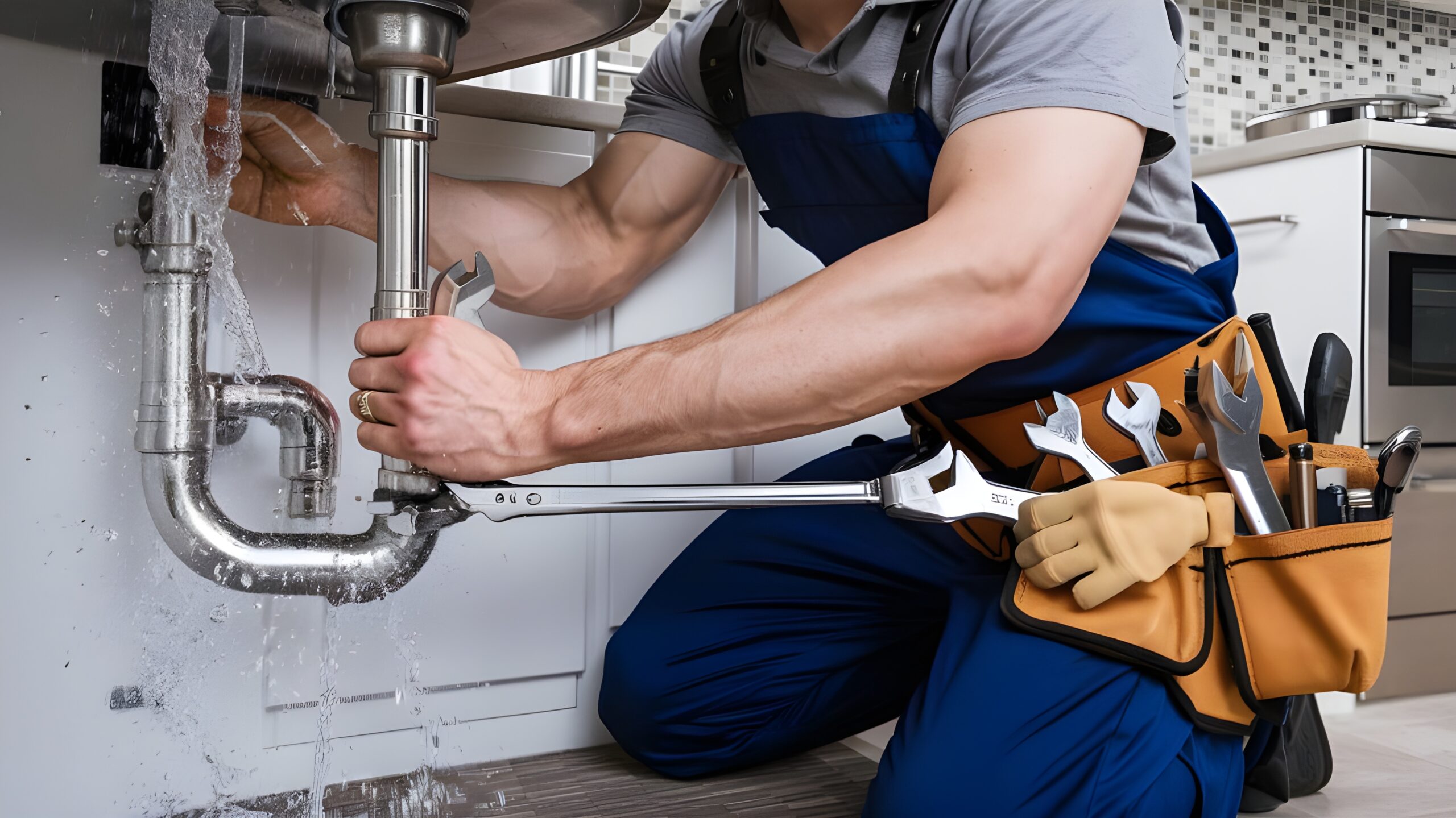
The post 10 Things Every Man Over 50 Should Know How to Do Around the House first appeared on Crafting Your Home.
A running toilet can cost an average of $271 to repair professionally, while hiring an electrician costs around $351 on average in 2026. An emergency plumber can charge anywhere from $100 to $500 an hour, depending on the job and when you call.
For men over 50, those figures raise an uncomfortable question: How much money are you spending on problems you could safely handle yourself?
Nobody expects a homeowner to rewire a house or repair a pressurized garage door, but knowing how to stop a minor leak, reset a tripped breaker, or recognize a failing toilet component can save money and help prevent larger problems. After decades of managing a household, these are practical skills worth having.
Find and operate the main water shutoff valve
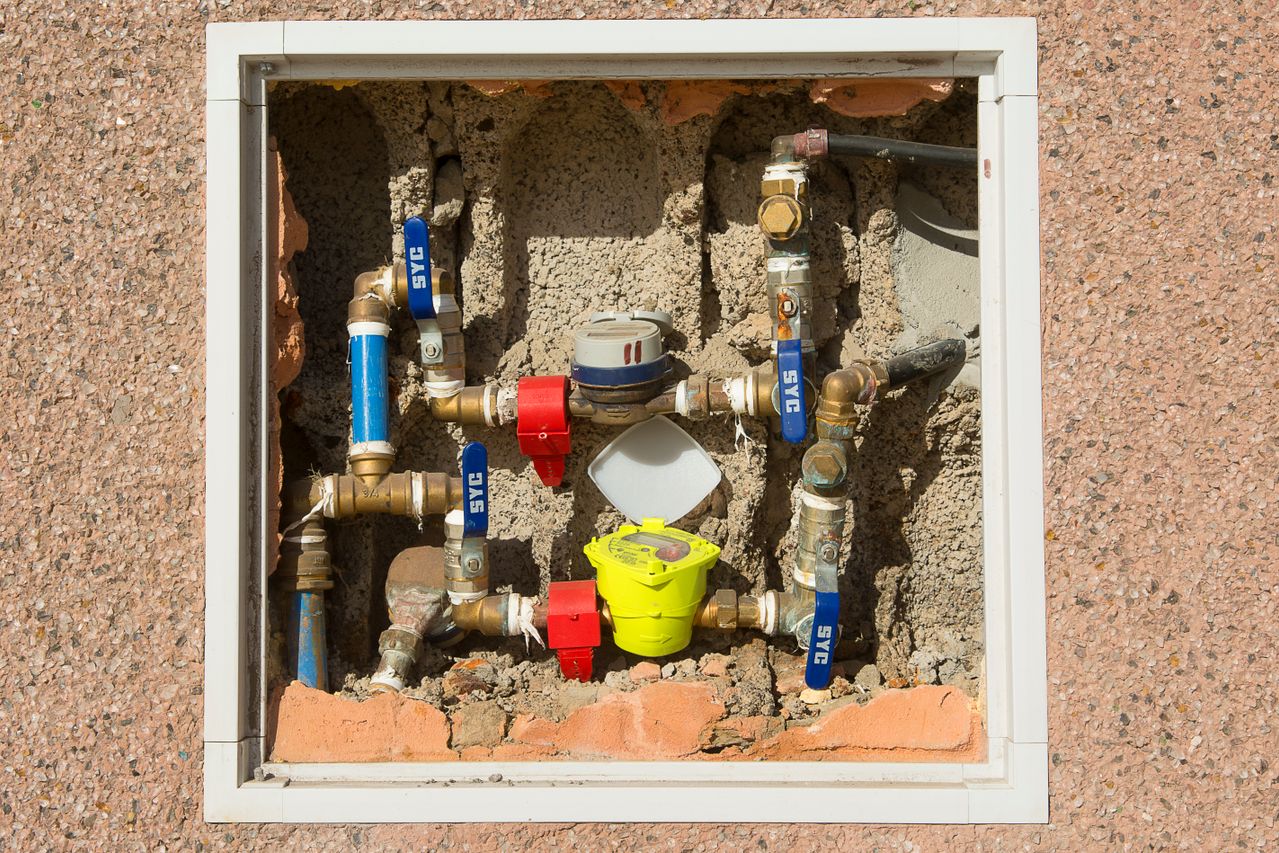
The U.S. government’s Ready.gov emergency guidance recommends that household members learn where the main water valve is located and know how to operate it. The valve is commonly found where the main supply line enters the home, although its location varies by property. A homeowner should identify it before an emergency and check whether it actually closes.
A man who has lived in the same house for 20 years should be able to show another household member how to shut off the water. If the valve is seized, damaged, or inaccessible, arranging a repair is more useful than discovering the problem during a plumbing emergency.
Knowing how to replace a worn faucet washer or recognize a failing toilet flapper also helps. The U.S. Environmental Protection Agency estimates that household leaks can waste more than 9,300 gallons of water annually on average. A persistent drip may look insignificant, but a running toilet or hidden leak can quietly inflate utility bills.
Understand the electrical breaker panel
A breaker may trip when a circuit becomes overloaded or develops a fault. Knowing how to reset an appropriate breaker can restore power without an unnecessary service call.
The important distinction is knowing when to stop. A breaker that repeatedly trips, a burning smell, scorch marks, buzzing from the panel, or a warm outlet deserves attention from a qualified electrician. Repeatedly resetting a breaker without identifying the problem can leave a dangerous electrical fault unresolved.
Men who grew up believing they should handle every repair themselves may be particularly tempted to open a panel and investigate.
A competent homeowner should also know which outlets serve refrigerators, sump pumps, and other important equipment. During an outage or electrical fault, that information helps narrow down the problem without turning a small inconvenience into an improvised electrical project.
Test smoke and carbon monoxide alarms
The U.S. Fire Administration recommends installing smoke alarms inside every bedroom, outside separate sleeping areas, and on every level of a home, including the basement. It also recommends testing alarms monthly and replacing them 10 years after their manufacture date. Hardwired alarms may require separate attention to their backup batteries.
Carbon monoxide alarms deserve the same attention. The U.S. Fire Administration reports that more than 150 people in the United States die annually from accidental, nonfire-related carbon monoxide poisoning. The gas is colorless and odorless, making a working alarm essential for detecting a dangerous buildup.
Men who maintain cars, operate fuel-burning equipment, or keep a portable generator for storm-related outages should understand the risks. The Consumer Product Safety Commission warns that generators must never operate inside a house or garage, even with doors and windows open. They should be operated outdoors, at least 20 feet from the home, with exhaust directed away from openings.
Testing alarms takes little time. Replacing an expired unit or correcting an unsafe generator setup requires more effort, but neither task should be postponed until a problem appears.
Stop a running toilet and recognize common plumbing problems
A homeowner should know how to turn off the toilet’s local water supply before attempting maintenance. He should also recognize when the job goes beyond a basic repair, such as when a toilet leaks around its base, a pipe connection corrodes, or several drains back up at once.
The EPA’s WaterSense program identifies worn toilet flappers and dripping faucets among common household leaks. Fixing a minor fault promptly can reduce waste and prevent a small maintenance issue from becoming a recurring expense.
A household can lose money through a series of minor failures that nobody bothers to investigate. Knowing how to diagnose a running toilet will not make someone a plumber, but it can help him distinguish a simple repair from a problem that needs professional attention.
Use a ladder safely and know when to hire help

The U.S. Consumer Product Safety Commission’s 2024 report on injuries associated with consumer products estimated an annual average of 53,100 emergency department-treated ladder-fall injuries among older adults. The report includes people aged 65 and older, so the figure is not specific to men over 50. It nevertheless illustrates the consequences of treating ladder work casually as people age.
A homeowner should inspect a ladder for damage, place it on stable ground, follow its instructions, and avoid leaning too far to reach a distant spot. Carrying tools while climbing or attempting a roof repair alone can make an already difficult job more dangerous.
There is no prize in climbing onto a roof when a qualified professional can do the work with the right equipment. Knowing when not to climb is part of competent home maintenance.
Related Post: Falls Are the #1 Cause of Injury for 65 Plus Adults: 7 Reasons That Fear Isn’t Irrational
Know how to maintain the garage door
The U.S. Consumer Product Safety Commission recommends testing automatic garage door openers per the manufacturer’s instructions to confirm their reversing features work.
The safety sensors should prevent the door from closing when an obstruction interrupts their beam. The door’s reversing mechanism must also function correctly. If either feature fails, the opener should be taken out of service until the problem is addressed according to the manufacturer’s guidance.
Spring and cable repairs are a different category of work. Those components can remain under substantial tension, making amateur repairs dangerous. A homeowner who understands the system can identify trouble early and explain the symptoms to a technician without attempting a hazardous repair himself.
Understand the home’s heating and cooling system
A man over 50 should be able to locate the thermostat, identify the home’s heating and cooling equipment, and understand the maintenance requirements listed in the owner’s manual. He should also know where the air filter is and how often it needs attention for that system.
The U.S. Department of Energy recommends annual professional maintenance for furnaces and heat pumps. Regular servicing lets technicians inspect equipment, identify problems, and address maintenance needs before a breakdown occurs.
Homeowners should also know the difference between a dirty filter, an incorrect thermostat setting, and a mechanical fault. Replacing an accessible filter may be straightforward. Repeated system shutdowns, unusual burning smells, damaged wiring, or suspected fuel leaks require more careful handling.
Water heaters deserve attention as well. The Department of Energy says 120 degrees Fahrenheit is an appropriate setting for most residential applications, although household circumstances and equipment requirements can affect the right choice. The owner should understand the manufacturer’s instructions and avoid adjusting unfamiliar equipment without considering scalding and other safety risks.
A heating or cooling system is expensive household equipment. Ignoring its maintenance requirements while expecting it to operate reliably for years is poor stewardship of the property.
Related Post: Questionable DIY Fixes: A Deep Dive Into 8 Risky Home Repairs and the Dangers They Pose
Patch small holes and handle basic wall repairs
He should know how to use a stud finder and select suitable anchors when hanging a shelf or another household fixture.
The challenge is recognizing when a cosmetic defect signals a bigger problem. A spreading crack, recurring damp patch, soft drywall, or stain that returns after painting may indicate moisture intrusion or another underlying issue. Covering it with fresh paint can conceal the evidence while the damage continues.
Basic wall repairs also require patience. Joint compound needs to dry, surfaces need appropriate preparation, and paint rarely disappears into an older wall as neatly as people expect. Rushing often leaves a visible patch that looks worse than the original hole.
The skill is modest, but the payoff is tangible: fewer minor defects left unattended and a better understanding of the home’s condition.
Inspect the property before small problems become expensive repairs
Water deserves particular attention. Damp basement corners, deteriorating caulk, peeling paint near windows, and water stains on ceilings can signal that something needs investigation.
The inspection should also include checking for blocked drainage paths and debris around exterior vents. In colder parts of the United States, seasonal preparation may involve protecting vulnerable pipes from freezing and checking weatherstripping before winter. Homes in hurricane-prone regions have different priorities, including inspecting storm shutters and securing outdoor equipment.
A visual inspection cannot replace a professional home inspection or establish the condition of concealed components. It can help a homeowner notice a developing problem before it becomes impossible to ignore.
Hire a contractor without getting fleeced
The Federal Trade Commission warns consumers about home improvement scams involving contractors who pressure homeowners into immediate decisions, demand full payment upfront, or promise work they never complete. Some scammers also use repair projects to push homeowners into unfavorable financing arrangements.
The FTC recommends checking licensing and insurance where applicable, obtaining multiple written estimates, reviewing contracts carefully, and avoiding full payment before the agreed work is completed. Requirements vary by state and locality, so homeowners should check the rules that apply to the specific project.
Dont confuse masculinity with never admitting ignorance. That attitude can make a homeowner vulnerable to preventable mistakes, whether he attempts a repair beyond his abilities or trusts a contractor without checking the details. Good judgment means recognizing what can be handled safely, what requires training, and what deserves a second estimate.
Other Posts You May Like
- That Fall Tarp on Your Outdoor AC Unit May Be Causing Rust, According to Lennox and Carrier
- 8 Home Repairs You Legally Cannot Do Yourself
If you like what you just read, then subscribe to our newsletter and follow us on social media.