10 Surprising Things the Brain Does Without You Realizing

The human brain is an extraordinary organ, often regarded as the command center of the body. It drives all our thoughts, emotions, movements, and memories. Yet, there’s much about our brain’s daily operations that we never consciously notice.
We go about our day-to-day lives unaware of the intricate processes constantly at play beneath the surface.
In this exploration, we’ll talk about ten amazing things our brain does without us even thinking about it, from regulating our temperature to making us laugh in the most unexpected situations.
The Brain’s Incredible Ability to Filter Information
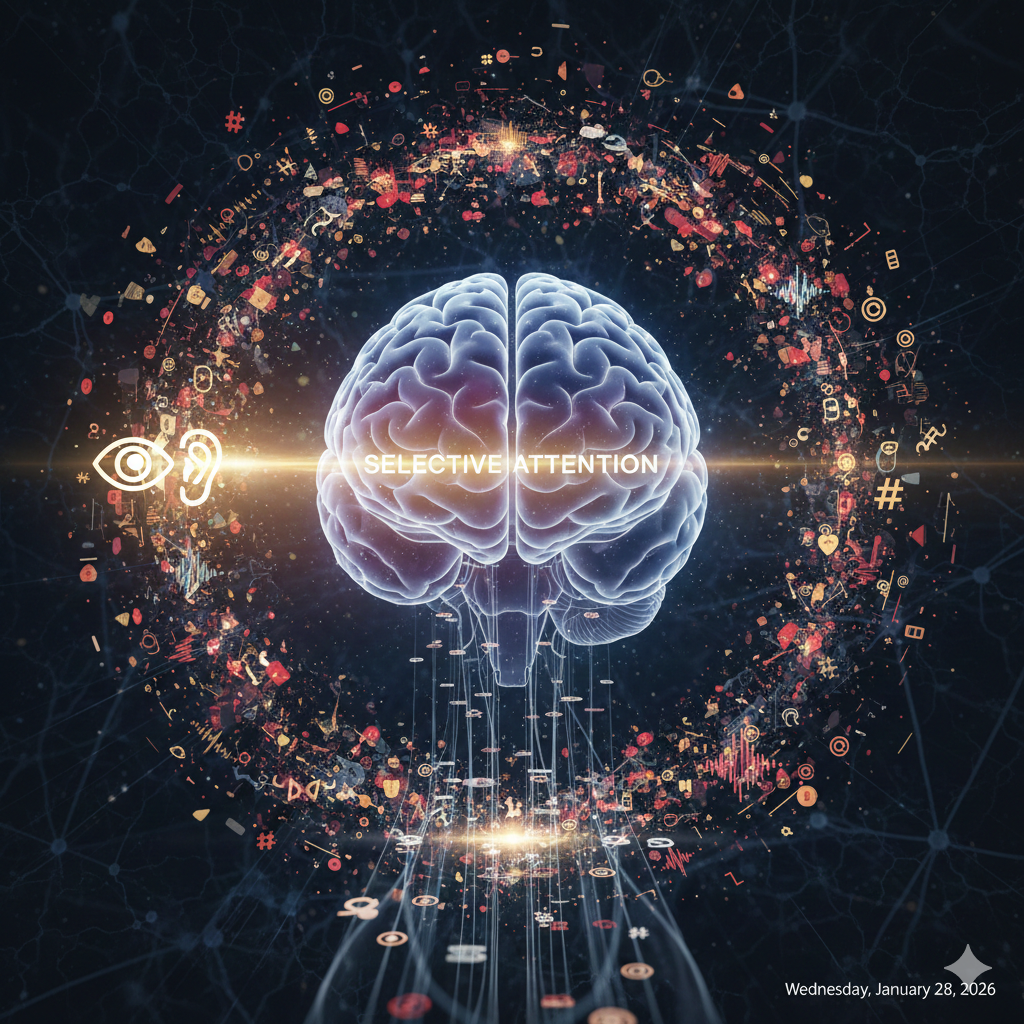
Every second of our lives, we are bombarded with a staggering amount of sensory information. From the faint hum of a distant engine to the warmth of sunlight on our skin, countless stimuli reach our brain at once.
But how do we manage to focus on what truly matters? This is where the brain’s remarkable filtering system comes in. The brain uses a process called selective attention, which essentially filters out irrelevant information, allowing us to focus on what’s important.
Consider this: when you’re watching a soccer match, do you notice the noise from the crowd? Or perhaps the person sitting next to you eating popcorn? Most likely, you’re oblivious to these details because your brain is focused on the match itself.
However, if someone shouts your name across the stadium, your attention is immediately drawn to that sound. This ability to block out distractions allows us to navigate daily life without being overwhelmed by constant stimuli.
Blinking
One of the most fascinating processes that happens without our conscious input is blinking. Most of us blink without even thinking about it.
But why do we blink so frequently, and how does our brain manage this repetitive action? Blinking occurs automatically as part of a protective reflex. It helps keep the eye moisturized, clear of debris, and free from infection.
Every time we blink, a thin layer of tears is spread across the surface of the eye, washing away dust and maintaining moisture. Our eyelids also act as shields, preventing harmful particles from reaching the eye.
Interestingly, we blink about 15-20 times per minute, and this is something our brain controls without our input. If we consciously try to stop blinking, the brain will eventually force us to do so, ensuring our eyes remain protected.
The Brain’s Incredible Ability to Filter Information
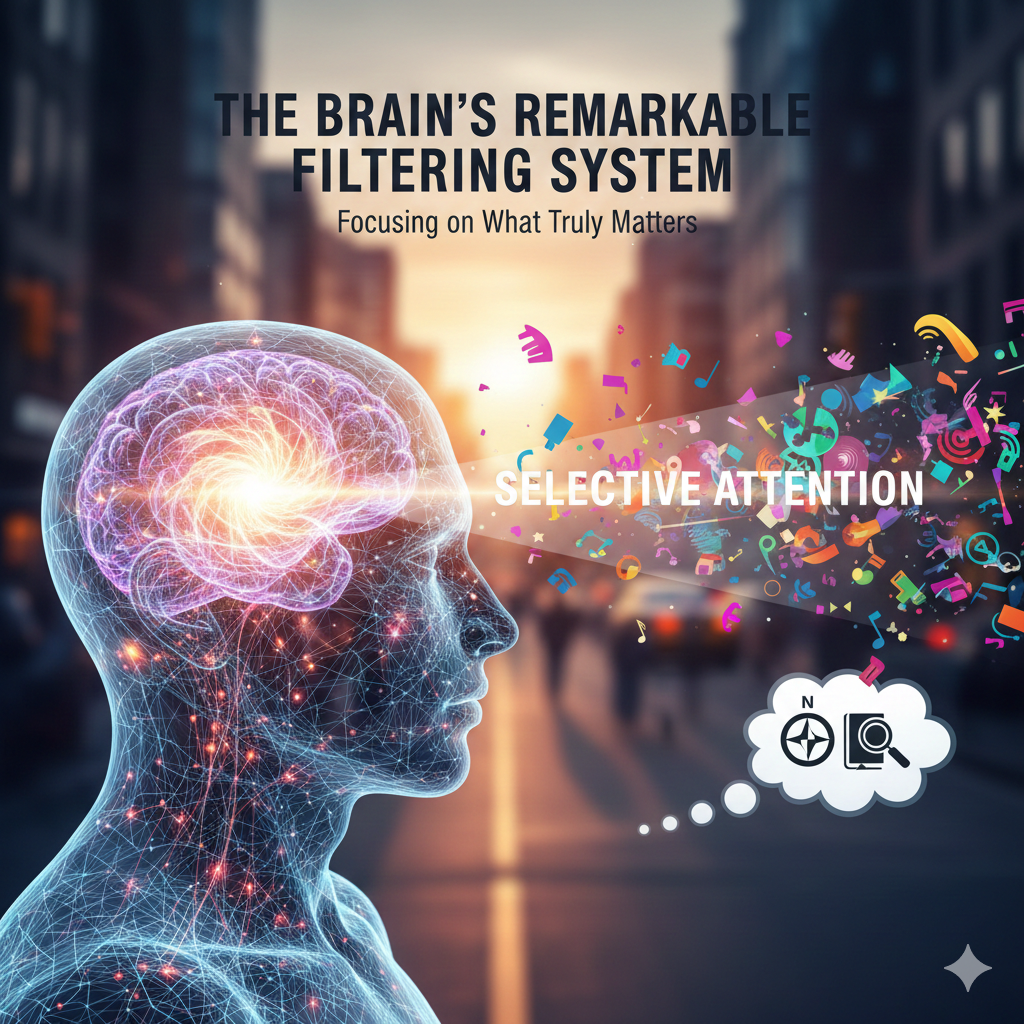
Every second of our lives, we are bombarded with a staggering amount of sensory information. From the faint hum of a distant engine to the warmth of sunlight on our skin, countless stimuli reach our brain at once.
But how do we manage to focus on what truly matters? This is where the brain’s remarkable filtering system comes in. The brain uses a process called selective attention, which essentially filters out irrelevant information, allowing us to focus on what’s important.
Whether it’s creating the ‘t’ sound or the ‘sh’ sound, the brain works silently to execute these movements without us ever consciously thinking about them.
This ability frees up our cognitive resources, allowing us to focus entirely on the content of our speech rather than the mechanics of producing it.
The Brain’s Role in Deceptive Self-Perception
We often think of ourselves as objective judges of our abilities and actions, but our brain has a tendency to deceive us into thinking we are better than we really are.
This phenomenon is known as the “better-than-average effect,” and it plays a significant role in shaping our self-esteem.
For example, when we receive positive feedback, whether genuine or not, our brain interprets it as validation of our competence. Over time, this can cause us to overestimate our abilities.
A psychological study even showed that people who had cheated on a test but believed they performed well in the first round were more confident in their abilities during the second round, despite their performance not improving.
This self-deception helps maintain our sense of confidence but can sometimes lead to overconfidence and misjudgments.
How the Brain Keeps Us at the Right Temperature
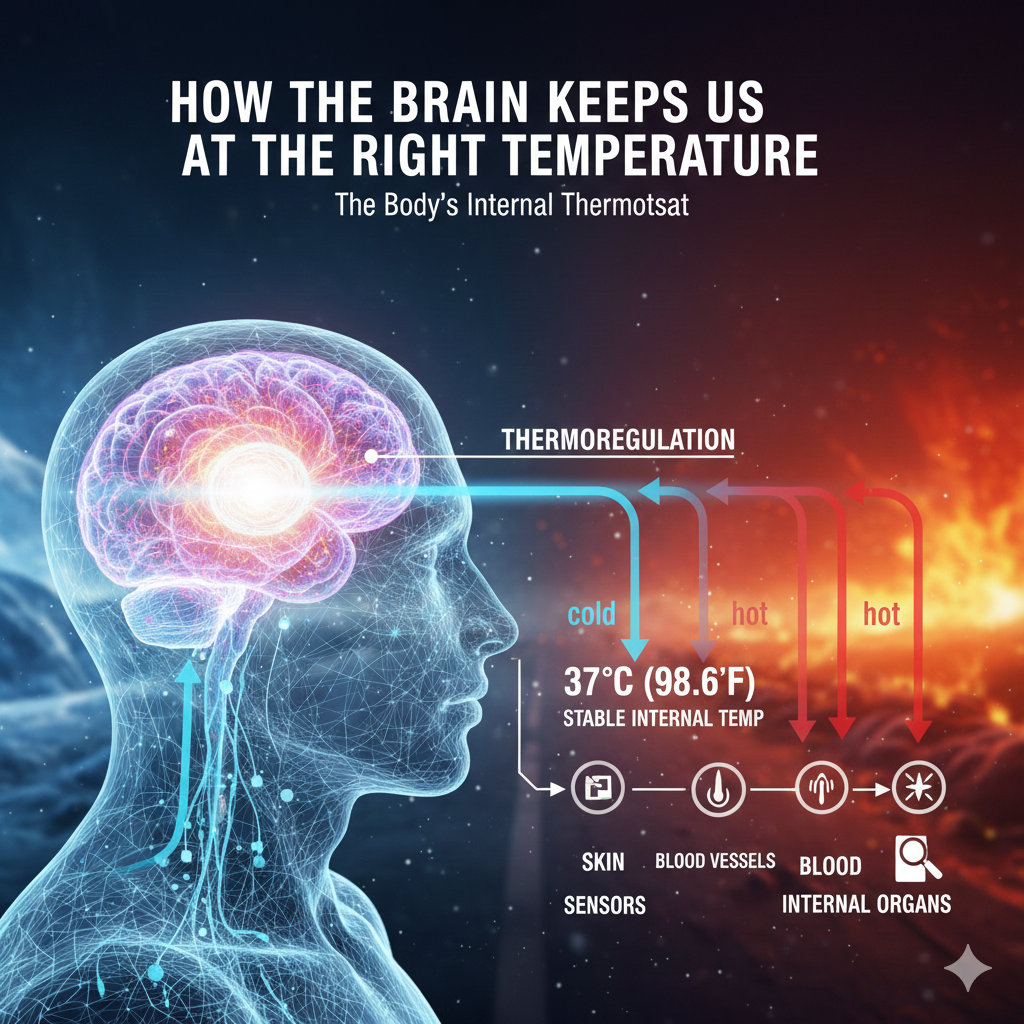
The brain also performs vital functions that keep us alive without us having to think about them. One such function is regulating body temperature.
Maintaining a stable internal temperature is essential for the proper functioning of our enzymes and organs. The brain does this through a process called thermoregulation.
When external temperatures fluctuate, our body relies on the brain to maintain a constant temperature of around 37°C (98.6°F). The brain receives signals from sensors in the skin, blood vessels, and internal organs to detect temperature changes.
If it’s too cold, the brain signals the muscles to shiver, producing heat. On the other hand, if it’s too hot, the brain prompts the sweat glands to release sweat, which cools the body as it evaporates.
This process allows our body to stay within the optimal temperature range without any conscious effort on our part.
The Surprising Fluidity of Memory
Our memories are not as reliable as we might think. Many people believe that once an event occurs, our brain records it as a permanent, unchangeable memory.
However, research has shown that our memories are malleable, and our brain can alter them over time. A famous study by Elizabeth Loftus demonstrated how the way we phrase questions can change the way we remember an event.
In an experiment, participants watched a video of a car crash and were later asked questions about the speed of the vehicles involved. Depending on the wording of the question, the participants’ memories of the event were altered.
Those asked about the car “smashing” the other vehicle were more likely to recall seeing broken glass, even though there was none. This illustrates the brain’s ability to reshape memories based on external influences, leading to the formation of false memories.
Balance
Most of us take balance for granted. Walking, running, and standing all require a fine-tuned system of coordination between the brain and the body. This system involves signals from the eyes, muscles, joints, and even the inner ear.
The vestibular system in the inner ear plays a critical role in maintaining our sense of balance by detecting changes in our head’s position relative to gravity.
When we walk, the brain constantly adjusts our body’s posture to maintain stability. If we tilt too far forward, the muscles in our legs automatically compensate to bring us back to an upright position.
This process occurs without any conscious thought. It’s the brain’s intricate network of sensory inputs and motor outputs that ensures we stay balanced as we move throughout the day.
Sneezing
Sneezing is another automatic function controlled by the brain that catches us by surprise when it happens. Sneezes are often triggered by irritation in the nose, such as dust, pollen, or a viral infection.
When these irritants come into contact with the nasal passages, they stimulate nerve endings that send signals to the brain.
The brain responds by activating a reflex that causes the muscles in the chest, throat, and diaphragm to contract, expelling air from the lungs. The rapid expulsion of air helps clear the irritant from the nose.
Sneezing is an essential defense mechanism, but the brain controls it so seamlessly that we often don’t even notice the warning signs before we’re already sneezing.
Shivering

When the body gets too cold, we experience shivering, another automatic response governed by the brain. Shivering occurs as a result of the brain’s reaction to cold temperatures.
When our sensory receptors detect a drop in temperature, they send signals to the hypothalamus, which triggers rapid muscle contractions.
These contractions help generate heat, raising the body’s temperature. Despite our best efforts to stop shivering, the brain continues to force the muscles to contract until the body reaches a more comfortable temperature. It’s an involuntary action that serves to protect us from the dangers of extreme cold.
The Uncontrollable Urge to Laugh
Have you ever found yourself laughing at an inappropriate moment? Whether it’s during a serious conversation or at a somber event, laughing at the wrong time can be a social faux pas. But the urge to laugh often comes from nowhere, and it’s all thanks to the brain’s complex processes.
Laughter is controlled by a small region in the brain called the superior frontal gyrus. This area is responsible for regulating emotions and impulses, including the spontaneous urge to laugh. Studies have shown that stimulation of this brain area can trigger laughter even in situations where it’s least expected.
This spontaneous laughter is often a response to a situation that the brain deems humorous, but sometimes, it can occur without any real trigger.
Conclusion
The human brain is a marvel of nature, constantly performing complex functions without us ever being aware of them. From regulating our body temperature to controlling involuntary reflexes like sneezing and shivering, the brain works tirelessly behind the scenes to keep us functioning.
As we continue to study the brain, we uncover even more fascinating details about how it shapes our perceptions, memories, and behaviors.
Whether it’s the way we process information or the automatic movements that help us communicate, the brain is always working, and we’re just along for the ride.
Understanding these processes helps us appreciate the intricate workings of our own minds, and reminds us of the remarkable power our brains hold in shaping our daily experiences.
Read the Original Article on Crafting Your Home