10 Superstitions That Might Ruin Your Chances at Love

In every culture, love is often seen as the ultimate connection between two people, an emotional bond that transcends time and space.
While love is universally celebrated, many individuals unknowingly make decisions based on superstitions that can unknowingly lead to heartache. In this article, we explore ten superstitions from around the world that could jeopardize your romantic relationships, shedding light on how these beliefs influence our love lives.
Facial Hair

Throughout history, facial hair has been symbolic of masculinity and virility, but did you know that in some cultures, having a beard can actually hinder your romantic prospects? In certain regions, facial hair is associated with lower social status, and it’s considered unlucky for men seeking love.
It was once thought that men who kept facial hair were less refined, which made them less attractive to potential partners. Despite the modern-day trend of grooming, this superstition persists in some parts of the world, suggesting that a clean-shaven look may be more favorable for finding love.
Why It Matters
In relationships, first impressions often matter the most. Cultures that associate facial hair with bad luck may be more judgmental about someone’s appearance, leading to missed romantic opportunities.
The Number of Flowers
Gifting flowers is a universal gesture of affection, but when it comes to giving flowers in certain cultures, the number of blooms you present can make or break your relationship.
In Russia, for instance, giving an even number of flowers is considered an omen of bad luck. This superstition stems from the idea that even numbers are associated with funerals, symbolizing the end of life rather than love and new beginnings.
What You Should Know
If you are planning to gift flowers, ensure the number is odd. Giving an odd number of flowers is considered a blessing, symbolizing the continuous cycle of life and love.
The Power of Number Eight
In some parts of India, the number eight is considered an ill omen for romantic relationships. Weddings scheduled on dates with the number 8, such as the 8th, are considered to bring misfortune to the couple.
The number eight is often linked with the planet Saturn, which is believed to influence negativity and bad luck. Although 08.08.08 was considered lucky due to the repetition of the number, for most, eight remains a number to avoid when planning major events, particularly weddings.
The Impact on Relationships
Choosing an inauspicious date for your wedding could bring bad fortune and unhappiness to your marriage. Superstitions about numbers can influence how people view your commitment to each other, potentially causing tensions even before the vows are exchanged.
No Coins in Shoes
In Sweden, a traditional superstition surrounding weddings and love involves placing coins in the bride’s shoes.
A gold coin in her right shoe and a silver coin in her left shoe are believed to ensure she will never face financial hardship in her marriage. The belief is that money plays a major role in sustaining relationships, and ensuring financial stability is vital for the long-term health of a marriage.
Why It’s Important
Money problems can often strain relationships, and in some cultures, this superstition is an attempt to protect against future financial turmoil.
While not all marriages are based on wealth, the significance of prosperity cannot be underestimated in the sustainability of love.
Henna Tattoos
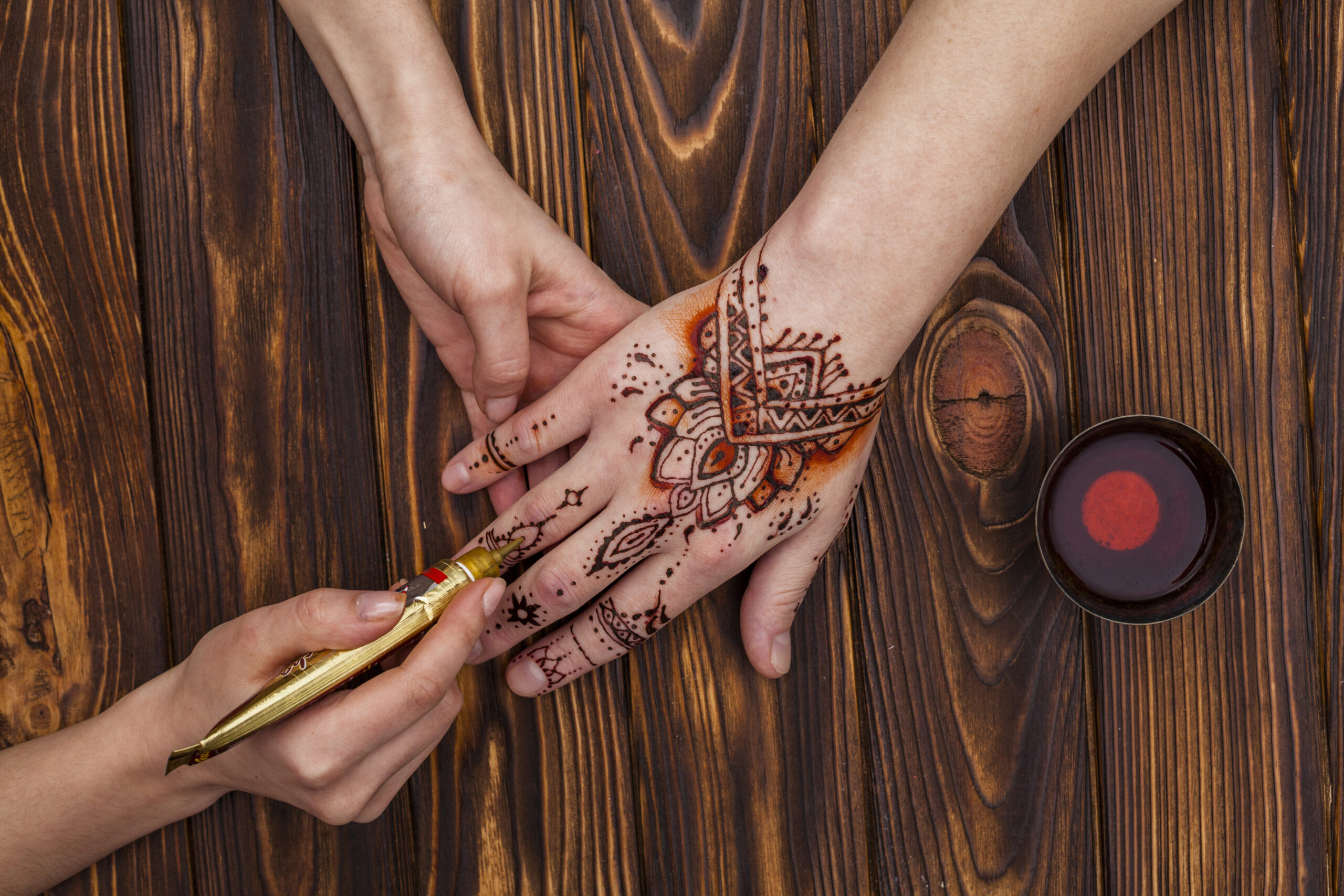
Henna tattoos are an integral part of many South Asian weddings, often applied to the bride’s hands and feet.
One ancient superstition associated with these tattoos involves a game called Mendhi, in which the groom is tasked with finding his name written in henna on the bride’s body. If the groom cannot find it, the superstition suggests that the bride will hold dominance in the relationship.
The Cultural Significance
While this may seem like a playful tradition, it can imply a serious undertone: the superstition reflects a belief that the balance of power in a marriage may be influenced by such symbolic rituals. Failing the Mendhi game could lead to imbalanced power dynamics in the relationship.
Shared Towels
Though it may seem harmless, using the same towel as your partner could bring trouble to your relationship.
In Russia, the belief that sharing a towel symbolizes upcoming conflicts and disagreements is deeply ingrained. The superstition suggests that sharing a towel could cause tension between partners, leading to future arguments or disagreements.
How It Affects Relationships
While this belief is not widely held outside Russia, the idea that something as trivial as a towel can affect a romantic relationship speaks volumes about how seemingly minor actions can influence love and harmony between partners.
Scissors: A Tool for Cutting Ties
In parts of Northern Africa and Egypt, it is believed that using scissors in a non-productive manner, such as opening them without cutting anything, can harm your relationship.
The superstition holds that scissors symbolize cutting, and when used incorrectly, they can “cut” a bond between lovers. Moreover, it’s considered bad luck to drop scissors, as it is thought to invite infidelity.
Why You Should Care
The idea behind this superstition is that scissors symbolize the severing of connections, which could represent emotional separation. Keeping scissors closed and using them only for their intended purpose is believed to safeguard against bad luck in relationships.
Timepieces
Giving a clock or watch as a gift, particularly in Chinese culture, is considered a sign of bad luck.
This is because the word for “clock” in Cantonese sounds similar to the phrase for “attending a funeral,” making it an undesirable gift for a romantic partner. The idea is that gifting timepieces is linked to the concept of death and finality, making it an ill-fated gesture for new love.
The Significance of Time in Relationships
While clocks are often given as thoughtful gifts, in some cultures, they represent the end rather than the beginning. This superstition highlights how certain symbols or gestures can be misinterpreted, creating distance in a relationship.
Pregnant Women at Weddings
In certain Chinese traditions, it is believed that having a pregnant woman present at a wedding will bring bad luck.
This superstition stems from the idea that the energies of a wedding, which should be focused on love and new beginnings, will clash with the energies surrounding pregnancy. As a result, the couple’s good fortune will be disrupted, and misfortune may follow.
Impact on Wedding Traditions
While modern couples may not follow this superstition, it can still influence how weddings are planned in certain cultures. By avoiding these superstitions, couples can help ensure that their marriage begins under the most auspicious conditions.
Yellow Roses

While red roses are universally recognized as a symbol of love, yellow roses are a different story. In many cultures, yellow roses are associated with jealousy and the decline of love.
Gifting yellow roses to a romantic partner may send the wrong message, signaling that jealousy and infidelity could enter the relationship.
The Symbolism Behind Flowers
To avoid misunderstandings in your relationship, stick to classic red roses or other flowers that symbolize love, joy, and passion. Yellow roses should be reserved for friendships or occasions unrelated to romantic love.
Conclusion
Superstitions, whether based on cultural beliefs, traditions, or old wives’ tales, play a significant role in shaping our love lives. While not all superstitions can affect relationships, being aware of these customs can help you navigate your love life with sensitivity and understanding. Whether it’s a harmless tradition or a more deeply ingrained belief, respecting cultural practices can prevent misunderstandings and help you build stronger, healthier relationships.
By being mindful of these common superstitions, we can avoid unknowingly sabotaging our chances of finding love or maintaining a healthy relationship. Always approach love with sincerity, understanding, and respect for the beliefs that may influence those around you.
Read the Original Article on Crafting Your Home