
10 Simple Ways to Help Your House-Plants Survive Winter

As the winter season sets in, your indoor plants may face significant challenges. While these plants may reside indoors, they are still subject to seasonal changes, including drier air, cooler temperatures, and shorter daylight hours.
During this time, many plants also enter a natural dormancy phase, making it essential to adjust their care to help them survive the colder months.
Here’s a detailed guide on how to best care for your houseplants during the winter to ensure they thrive in the harsh conditions.
Adjust Your Watering Routine
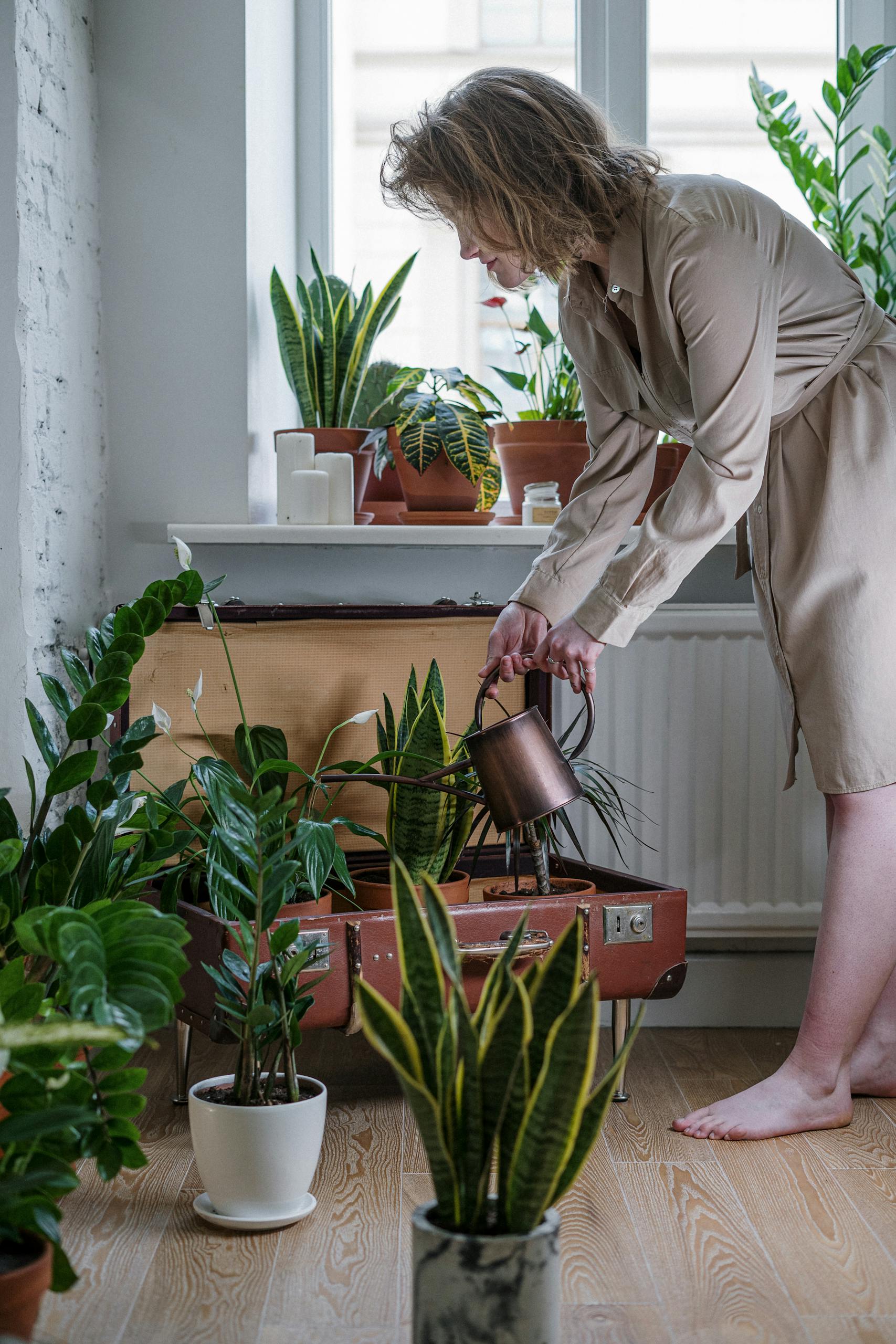
During the winter months, your plants’ growth slows down, reducing their need for water. Overwatering can lead to root rot and other health problems, so it’s crucial to adapt your watering schedule.
Key Tips:
- Check the soil moisture before watering. Insert your finger about 1 inch deep into the soil. If it feels dry, it’s time to water.
- Avoid keeping the soil consistently soggy. Most houseplants need only light watering during winter.
- Use lukewarm water instead of cold water, as cold water can shock the roots.
- Reduce the frequency of watering, as plants are dormant and not actively growing.
Ensure Proper Light Conditions
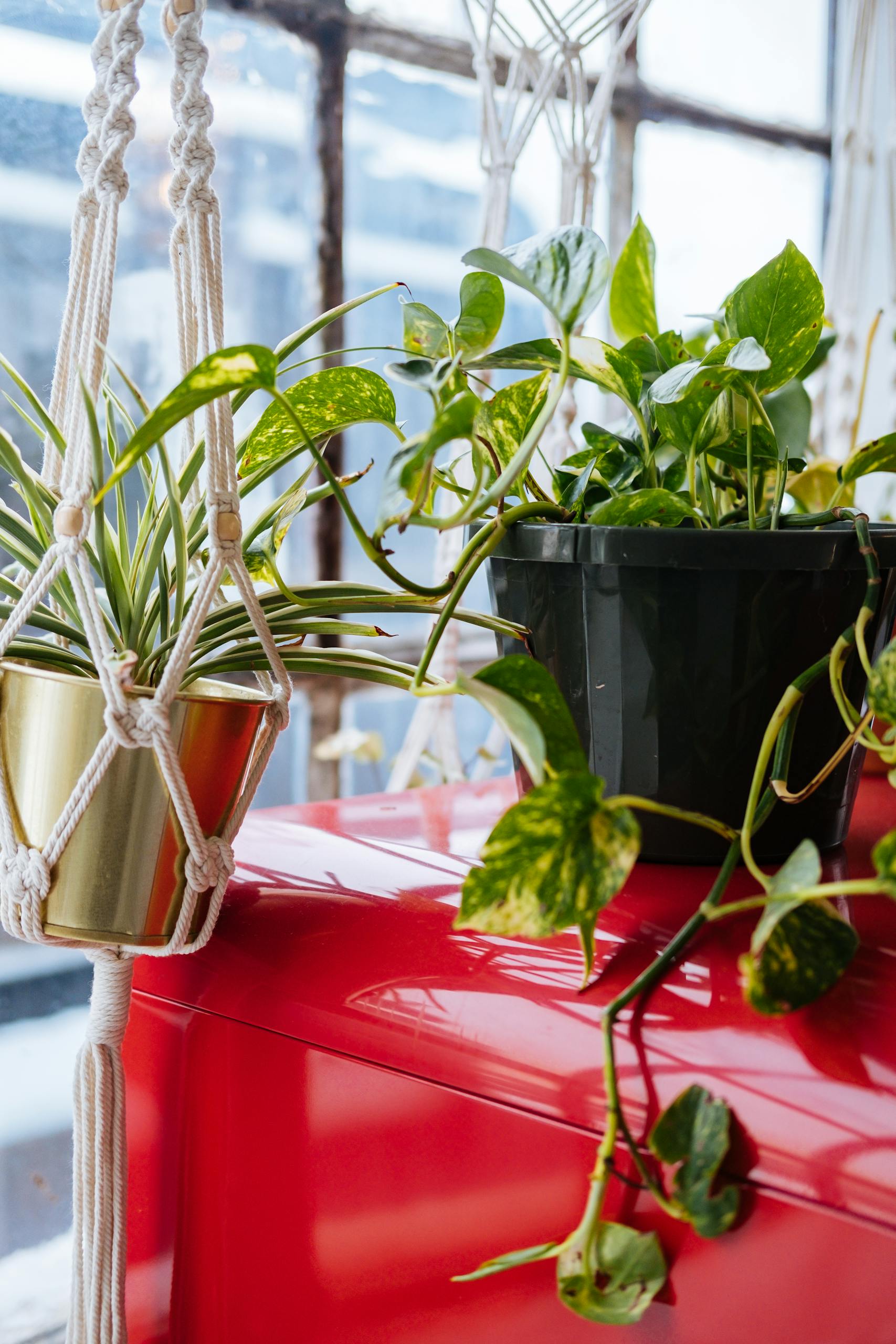
Winter brings a change in sunlight intensity and duration, so it’s essential to move your plants to spots where they can still get adequate light. As the angle of the sun shifts during winter, it’s important to adjust the placement of your plants.
Key Tips:
- Place your plants near windows with good natural light, but be cautious of cold drafts.
- Clean your windows inside and out to ensure maximum light transmission.
- Rotate your plants occasionally to ensure even exposure to light on all sides.
- If you notice your plants are stretching or becoming leggy, it could be a sign that they’re not getting enough light. Consider using supplemental grow lights for additional brightness.
Pause Fertilization
During winter, most houseplants go into dormancy, and they do not require additional nutrients. Fertilizing them during this period can lead to overstimulation and weak growth.
Key Tips:
- Withhold fertilizer until spring, when the plant’s growth resumes.
- Use a balanced, slow-release fertilizer when the growing season begins to help plants boost new growth.
- Avoid high-nitrogen fertilizers, as they can encourage excessive, weak growth.
Maintain Humidity Levels
Dry indoor air is one of the most challenging factors for houseplants during the winter. The use of indoor heating systems can lower humidity levels to as low as 10-20%, which is detrimental to tropical plants and other humidity-loving species.
Key Tips:
- Increase humidity by misting your plants regularly with a fine spray of water.
- Place plants on trays filled with pebbles and water to increase local humidity around the plant.
- Consider using a humidifier in dry rooms to maintain moisture in the air.
- Group plants together to create a microenvironment with higher humidity.
Control Indoor Temperature
Temperature fluctuations can be damaging to houseplants. While most indoor plants are tolerant of typical indoor temperatures, sudden changes in temperature can stress them out, making them more susceptible to diseases and pests.
Key Tips:
- Keep your plants in a room with a consistent temperature, ideally between 65°F and 75°F during the day, and cooler temperatures at night (around 55°F to 60°F).
- Avoid placing plants near heat sources like radiators, fireplaces, or heating vents.
- Keep plants away from cold windows or drafty areas where temperatures drop dramatically at night.
Clean Your Plants’ Leaves

Dust can accumulate on plant leaves, blocking the light needed for photosynthesis and leading to poor plant health. Cleaning your plants’ leaves regularly helps them absorb light and nutrients effectively.
Key Tips:
- For small plants, take them to the sink and rinse off the leaves with lukewarm water.
- For larger plants, use a damp cloth to gently wipe down the leaves.
- Use a soft brush (like a makeup brush or paintbrush) for plants with fuzzy leaves, such as African violets, to remove dust without damaging them.
- Cleaning the leaves also helps to remove pests that may be hiding on the plant.
Prune and Pinch Dead Growth
Pruning is an essential part of plant care that keeps your houseplants looking neat and healthy. While pruning is generally a good practice year-round, it’s particularly important during the winter months when plants are not growing vigorously.
Key Tips:
- Pinch off dead or damaged leaves and flowers to encourage new growth in the spring.
- Use clean, sharp scissors or pruning shears to cut away any stems or branches that are beyond repair.
- For soft-stemmed plants, simply pinch off damaged leaves with your fingers.
Monitor for Pests and Diseases
Though pests are not typically more common in winter, stressed plants may become more susceptible to infestations. Indoor plants can attract pests that thrive in the warmer, more consistent environment of your home.
Key Tips:
- Inspect your plants regularly for signs of pests, such as tiny holes in leaves, webs, or sticky residue.
- Isolate new plants or plants that have been outdoors for a period of time before introducing them to your home to avoid the spread of pests.
- Treat pests promptly with organic insecticidal soap or neem oil.
- Make sure your plants have adequate space for air circulation, as overcrowding can create a hospitable environment for pests.
Prevent Fungal Issues and Root Rot
Winter is a prime time for fungal infections, particularly due to overwatering. Cold, wet soil creates the ideal environment for fungi and mold to thrive.
Key Tips:
- Use well-draining soil and pots with drainage holes to prevent water from accumulating at the bottom.
- Avoid watering until the top 1 to 2 inches of soil are dry to the touch.
- If you notice any yellowing or wilting, it may indicate a fungal infection or root rot.
- If root rot occurs, remove the plant from the pot, trim away rotting roots, and allow the plant to dry out before repotting in fresh soil.
Give Your Plants Time to Rest

One of the most important things to remember during the winter months is to let your houseplants rest. Just like humans hibernate in winter, houseplants also need time to conserve energy and recover from the growing season.
Key Tips:
- Resist the urge to repot your plants during the winter. Repotting can shock the plant’s system and hinder its natural dormancy cycle.
- Avoid making drastic changes to the plant’s environment, including moving them too frequently.
- Let your plants settle into a consistent care routine, and allow them to rest during the winter months.
Conclusion
Caring for houseplants during the winter months may seem challenging, but with a few thoughtful adjustments to your routine, you can help your plants not only survive but thrive through the cold season.
By managing watering schedules, ensuring proper lighting, maintaining humidity levels, and protecting your plants from pests and fungal issues, you’ll set them up for a healthy winter rest.
Remember, winter is a time for your plants to conserve energy, so patience and minimal intervention are key. By the time spring arrives, your houseplants will be well-rested and ready to grow again.
With these tips, you can keep your indoor garden looking vibrant, ensuring a successful and healthy transition into the new season.
Read the original article in Crafting Your Home.


