



The post 10 Shoe Mistakes That Can Make a Woman Over 60 Look Dated, According to Stylists first appeared on Crafting Your Home.
For women over 60, footwear can present an interesting styling challenge. Years of wearing the same silhouettes can make familiar shoes feel indispensable, even as the rest of the wardrobe evolves. Comfort also becomes a key consideration for many women, especially as foot shape and support needs change.
Fashion editor and personal shopper Lois Joy Johnson has explored this dilemma in her footwear advice for AARP, highlighting the importance of choosing shoes that work with the clothes women actually wear. Her approach recognizes that versatility matters as much as appearance.
The goal is to make footwear look intentional. From choosing sneakers that complement tailored clothes to recognizing when a beloved pair of sandals has seen better days, these 10 shoe mistakes offer opportunities to refresh a wardrobe without abandoning comfort or personal style.
Relying On Bulky Walking Sneakers For Every Occasion
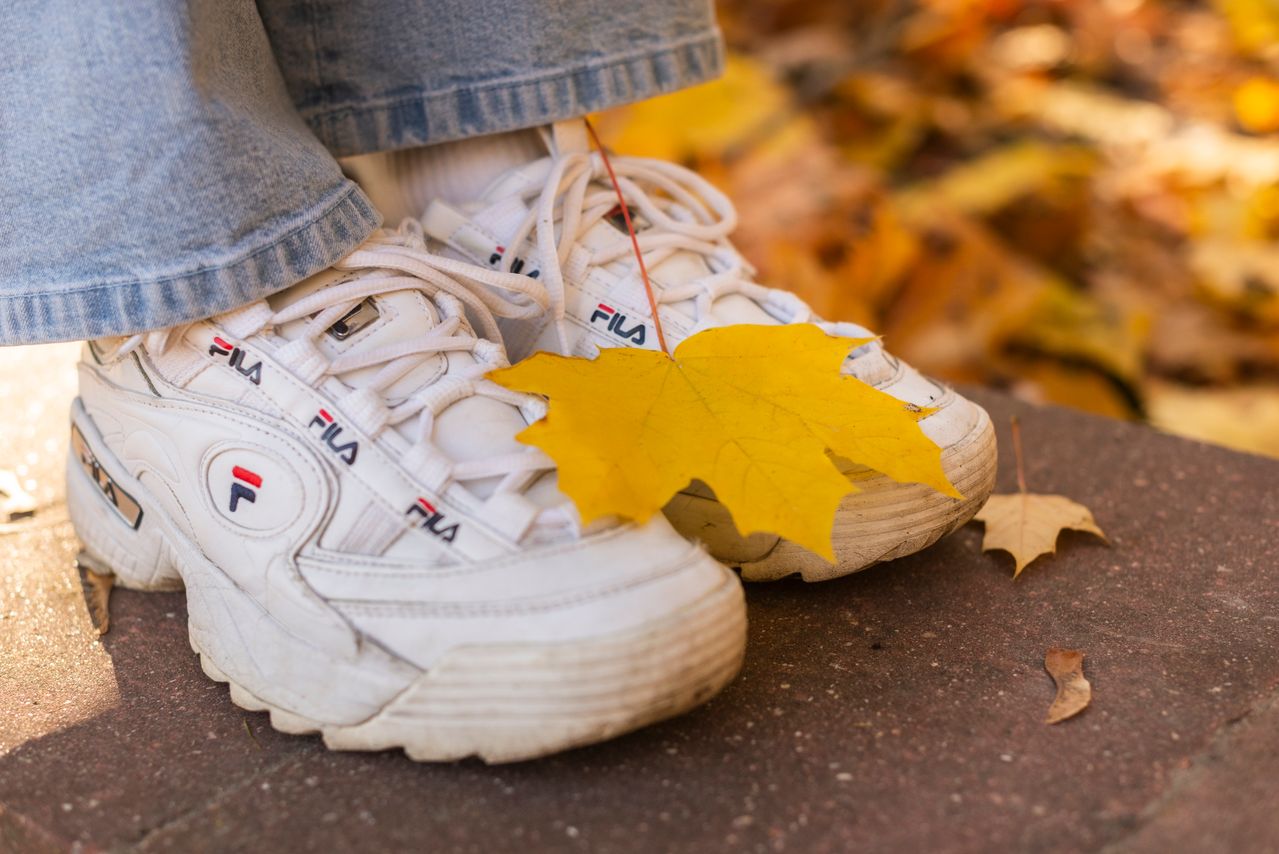
A supportive walking sneaker can be worth its weight in gold. The trouble begins when an oversized pair with thick foam, conspicuous mesh panels, and pronounced athletic detailing becomes the automatic choice for every outfit.
A beautifully tailored pair of trousers, a crisp button-down shirt, and a jacket with clean lines. Add a bulky, brightly colored running shoe with an exaggerated sole, and the footwear may become the entire conversation. That contrast can be intentional, but it can also make the outfit feel as though its individual pieces were assembled without much thought.
AARP’s February 2026 footwear guide for women over 50 identified slim-profile sneakers, sophisticated neutral colors, and streamlined slip-ons as contemporary alternatives to chunkier athletic styles. These options give women more flexibility when dressing for lunch, shopping, travel, or casual social occasions.
There is no reason to discard an orthopedic shoe or a podiatrist-recommended sneaker to follow a fashion trend. Instead, consider whether a supportive leather trainer, a lower-profile walking shoe, or a neutral sneaker compatible with prescribed orthotics would work better with the rest of the wardrobe. The same practical benefits can come in a more considered silhouette.
Buying Ballet Flats That Feel Miserable On The Feet
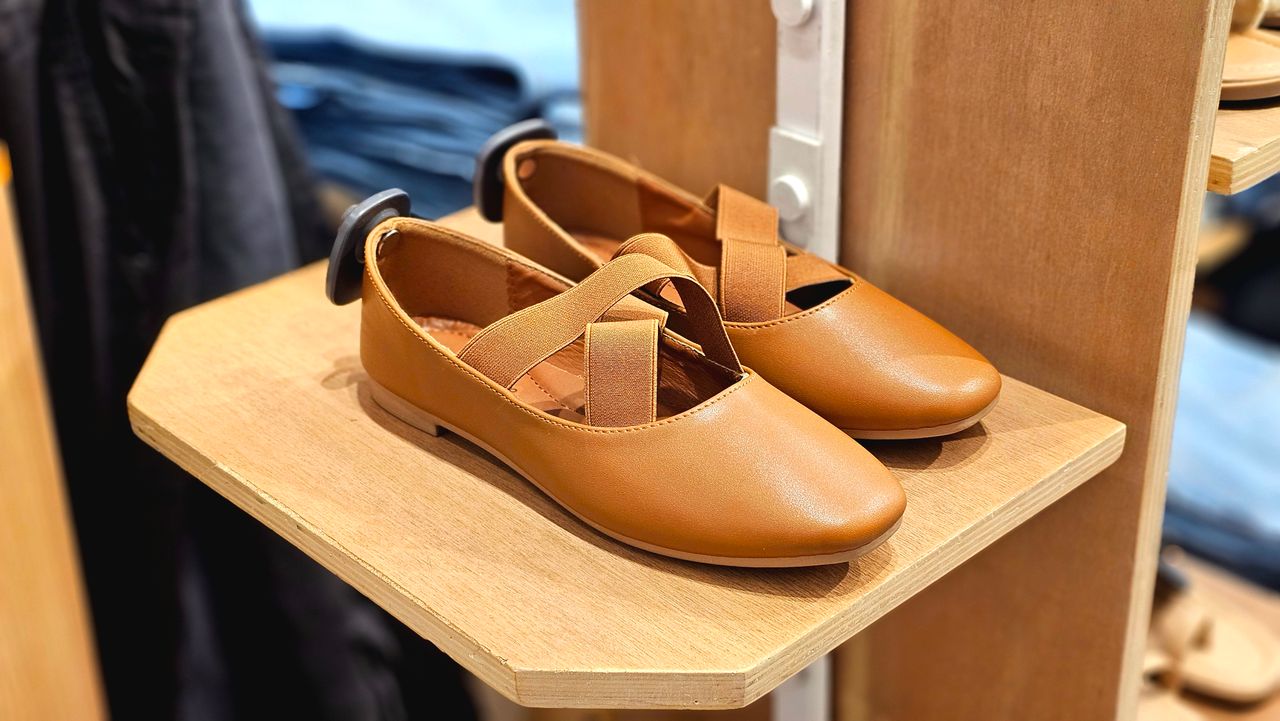
Ballet flats have earned their place in women’s wardrobes. Their simple shape works with straight-leg jeans, ankle-length trousers, midi skirts, and dresses. The problem comes when the shoe is so flimsy that it offers little cushioning or when its narrow toe box leaves the toes visibly cramped.
A pretty flat can become an expensive disappointment after a few hours of walking. Some women may also notice pressure around their bunions or irritation where the shoe rubs against prominent joints.
The American Academy of Orthopaedic Surgeons explains that tight shoes and insufficient room around the toes can contribute to problems such as corns and bunion-related discomfort. Its guidance emphasizes choosing shoes that accommodate the foot’s natural shape.
Look for a deep enough toe box, a secure fit, and a footbed that suits your needs. A softly squared or rounded toe can offer more room than an extremely narrow design, depending on the shoe’s construction.
Loafers, Mary Janes, and structured flats also deserve consideration. They keep the ease of flats while letting you experiment with buckles, interesting leather finishes, and contemporary shapes. Women who need substantial arch support should check the shoe’s construction rather than assume that every flat will provide it.
Related Post: The 10 Fashion Items That Never Go Out of Style
Persisting With Narrow-Toed Stilettos That Make Walking Uncomfortable
Elegant heels can transform an outfit. They can also become an unnecessary struggle when the toe box squeezes the forefoot or the heel height makes walking uncomfortable.
The effects of heel height on foot pressure have been examined in published research. A 1999 study tested 35 women wearing sneakers and shoes with two-inch and three-inch heels. The researchers found that forefoot pressure increased significantly as heel height increased, with pressure shifting toward the first metatarsal and big toe.
Because the study measured pressure, it does not mean every woman who wears stilettos will develop foot problems. It does, however, provide a practical reason to reconsider particularly high heels, especially when combined with a narrow toe box.
There is also a styling consideration. A pump that pinches the toes, makes walking difficult, or appears uncomfortable can undermine the confidence an elegant outfit is meant to convey.
Block heels, lower kitten heels, and sculpted mid-height pumps offer alternatives for women who enjoy a dressier shoe. A slightly wider toe box can help, too. Women who love their stilettos can keep them for occasions that suit them, choosing pairs that fit properly and limiting wear when discomfort develops.
Choosing Cork Wedge Sandals With Heavy, Outdated Details
Cork wedges have a long fashion history, so dismissing the entire category as outdated is inaccurate. In a 2022 Vogue article, fashion writer Liana Satenstein revisited an exuberant early-2000s Just Cavalli pair and, with its return, discussed the appeal of the cork wedge and its ties to earlier fashion eras. The article celebrated the style’s nostalgic character and its continuing place in fashion.
A simple cork wedge with well-proportioned straps can look summery and contemporary. A heavily decorated version with a thick platform, conspicuous white contrast stitching, distressed straps, and oversized metallic logos may communicate a more specific fashion moment.
The latter combination becomes difficult to style when every detail competes with the others. A bold wedge can look especially out of place alongside an otherwise delicate outfit if its proportions and finish feel disconnected from the clothing.
For a more versatile option, consider a leather-wrapped wedge, tonal stitching, or a simpler sandal with a moderate platform. A natural cork finish can still look attractive, particularly with linen trousers, denim, or a relaxed summer dress.
Women who prefer substantial soles should consider the shoe’s overall weight, fit, and stability. A fashionable design is useful only when it is practical enough to wear comfortably.
Assuming Pale Beige Slip-Ons Will Automatically Blend Into An Outfit
The idea behind flesh-toned footwear is straightforward: a shoe close to the wearer’s skin tone can create visual continuity with the leg. The problem starts when the fashion industry’s narrow interpretation of nude becomes everyone’s default.
A 2014 Guardian fashion feature examining skin-tone-matched heels explored how the term nude had often been used for pale beige shades, raising questions about whom the supposedly universal color was intended to represent. The article also traced the growing recognition of footwear designed to complement a wider range of skin tones.
The same consideration applies when shopping for comfortable slip-ons. A pale beige elastic shoe does not automatically disappear into an outfit. Depending on its color, material, and construction, it may stand out more than expected. Shiny elastic panels, visible rubber sections, and a shapeless upper can also make an otherwise polished shoe look distinctly utilitarian.
The solution starts with the design, not a rigid rule about color. Some women may prefer warm taupe, cognac, or chocolate brown. Others may enjoy olive, navy, metallic finishes, or a shade that closely matches their skin.
Elastic uppers and easy-on designs can help women who experience swelling or have difficulty bending down to fasten their shoes. There is no need to sacrifice those practical features for appearance. Look for considered proportions, a well-finished upper, and a color that works with the wardrobe rather than relying on beige to perform all the styling work.
Treating Technical Running Shoes As The Answer To Every Casual Outfit
Running shoes have become a fixture of everyday fashion, and their popularity makes sense. They offer cushioning, traction, and designs that can work beyond the gym. Still, an outfit can look unfinished when a technical running shoe appears to have been selected without considering the clothes around it.
Bright neon mesh, contrasting support structures, pronounced heel elevations, and elaborate foam midsoles can command attention. With leggings and casual separates, those features may feel perfectly natural. With tailored trousers, a sophisticated coat, or a dress for an informal evening event, they require more thought.
The footwear market helps explain why this category remains prominent. Circana reported that U.S. performance-footwear sales grew 6% in dollar terms in the first half of 2026, while running shoes grew 13% in both dollar sales and units sold.
For everyday outfits, consider the role the sneaker should play. A streamlined court sneaker can complement straight-leg jeans, a blazer, and a simple top. A technical running shoe can also work with tailored pieces when its colors or proportions connect with the rest of the outfit.
Women who need specialized footwear for walking should prioritize their physical needs. A useful wardrobe can accommodate separate shoes for exercise, extended walks, and occasions when a less athletic appearance feels more appropriate.
Wearing Boot Shafts That Collapse In The Wrong Places
Boots can transform an outfit’s proportions, especially with skirts, dresses, and cropped trousers. Trouble arises when a shaft stretches, folds unpredictably, or bunches around the calf, making the whole ensemble look neglected.
However, slouchy boots should not be dismissed as a dated style. British Vogue identified soft, slouchy boots as a significant autumn and winter 2025 trend, noting their appearance in collections from designers including Ralph Lauren and Zimmermann. Its styling recommendations also emphasized the relationship between the boot’s shape, the trouser cut, and the surrounding silhouette.
The difference is between a deliberate design and a boot that has simply lost its shape. Controlled folds, relaxed suede, and a slouchy shaft can look contemporary. Stretched leather, damaged material, or a shaft that falls awkwardly over the ankle can make an otherwise good outfit look tired.
A structured knee-high boot remains a useful alternative for women who prefer a cleaner line. Those with wider calves can look for stretch panels, adjustable closures, or styles specifically cut for a roomier fit.
When choosing boots, consider what will sit over or alongside the shaft. A midi skirt, for example, creates a different visual effect from straight-leg jeans tucked into a boot. The most successful combination is one where the shoe’s shape and the clothing work together.
Wearing Basic Foam Flip-Flops For Long Days On Pavement
Foam flip-flops are convenient, easy to clean, and useful around swimming pools, beaches, and other casual settings. Their familiar shape becomes less practical when a long day involves a lot of walking on hard surfaces.
Consider the duration and demands of the activity. A basic pair of beach flip-flops may be perfectly adequate for a short trip across the sand. Extended walking on pavement can call for footwear with better cushioning, a secure fit, and a sole suited to the surface.
Appearance also matters. A worn thong strap, flattened foam, and a sole that has lost its shape can make footwear look neglected. A clean walking sandal, an adjustable sandal with a heel strap, or a well-finished slide may work better for everyday errands and casual lunches.
Women should choose footwear based on their comfort and support needs. Anyone with persistent foot pain or difficulty maintaining balance should seek advice about suitable options rather than assuming that every sandal offers the same level of support.
Related Post: The Worst Fashion Mistakes of All Time
Letting Rhinestones And Oversized Hardware Compete For Attention
Statement shoes can be wonderful. A metallic finish, sculptural buckle, unusual texture, or embellished heel can add personality to a simple outfit. The styling problem begins when several attention-grabbing details compete for space on the same shoe.
Fashion has hardly abandoned expressive footwear. A recent Vogue report on the growing appetite for distinctive shoes highlighted bold designs presented for the Spring/Summer 2027 collections, including jeweled slingbacks, striking pumps, and other deliberately theatrical styles. The report also described growing interest in shoes that offer a distinctive fashion statement.
Embellishment alone cannot determine whether a shoe looks dated. A polished loafer with restrained metallic hardware can look classic, while a rhinestone-covered pair may be exactly right for someone whose style leans toward maximalism.
The risk comes from a lack of visual direction. Oversized plastic chains, large imitation gems, contrasting metallic finishes, and worn leather can make a shoe appear cluttered when all those elements demand attention at once.
A useful approach is to decide which detail should stand out. Choose one prominent feature and let the other elements support it. If a pair of loafers already has dramatic hardware, cleaner leather and a more restrained finish can help the design feel intentional.
Women who enjoy bold shoes should keep wearing them. The goal is to choose distinctive footwear that expresses personal taste, rather than buying every trend and hoping the details somehow work together.
Assuming Your Shoe Size Has Stayed The Same For Decades
A woman who has worn the same shoe size since her thirties may understandably reach for that familiar number whenever she shops. Over time, however, foot shape can change, and the size printed on a shoe is only a starting point.
A study published in the journal Footwear Science examined foot shape in 168 women aged 20 to over 80 and found age-related differences in several foot measurements. After adjusting for body mass index, the researchers reported increases of approximately 3.1 to 4.0 millimeters per decade in ball width.
However, foot length was not associated with age in their analysis. The findings suggest that forefoot widening can be important, even when a woman’s measured length has changed little.
This helps explain why a familiar shoe may begin pinching at the sides or pressing against the toes. Buying a longer size doesn’t necessarily solve a width problem, and forcing a foot into a narrow shoe can worsen discomfort.
Other Posts You May Like
- 6 Fashion Rules You Couldn’t Break in the 1950s
- 7 Trendy Women’s Online Fashion Boutiques in America
If you like what you just read, then subscribe to our newsletter and follow us on social media.


