10 Shocking and Unbelievable Materials People Actually Used to Build Homes

In a world where construction norms are often rigid and predictable, some people have dared to push the boundaries of what’s possible, using materials that might make you cringe.
From recycled trash to ancient earth, the ingenuity and audacity behind these unconventional homes will leave you questioning the very definition of shelter.
These 10 bizarre building materials are far from traditional, and, for better or worse, they’ve shaped the homes that defy expectation.
Earth and Mud
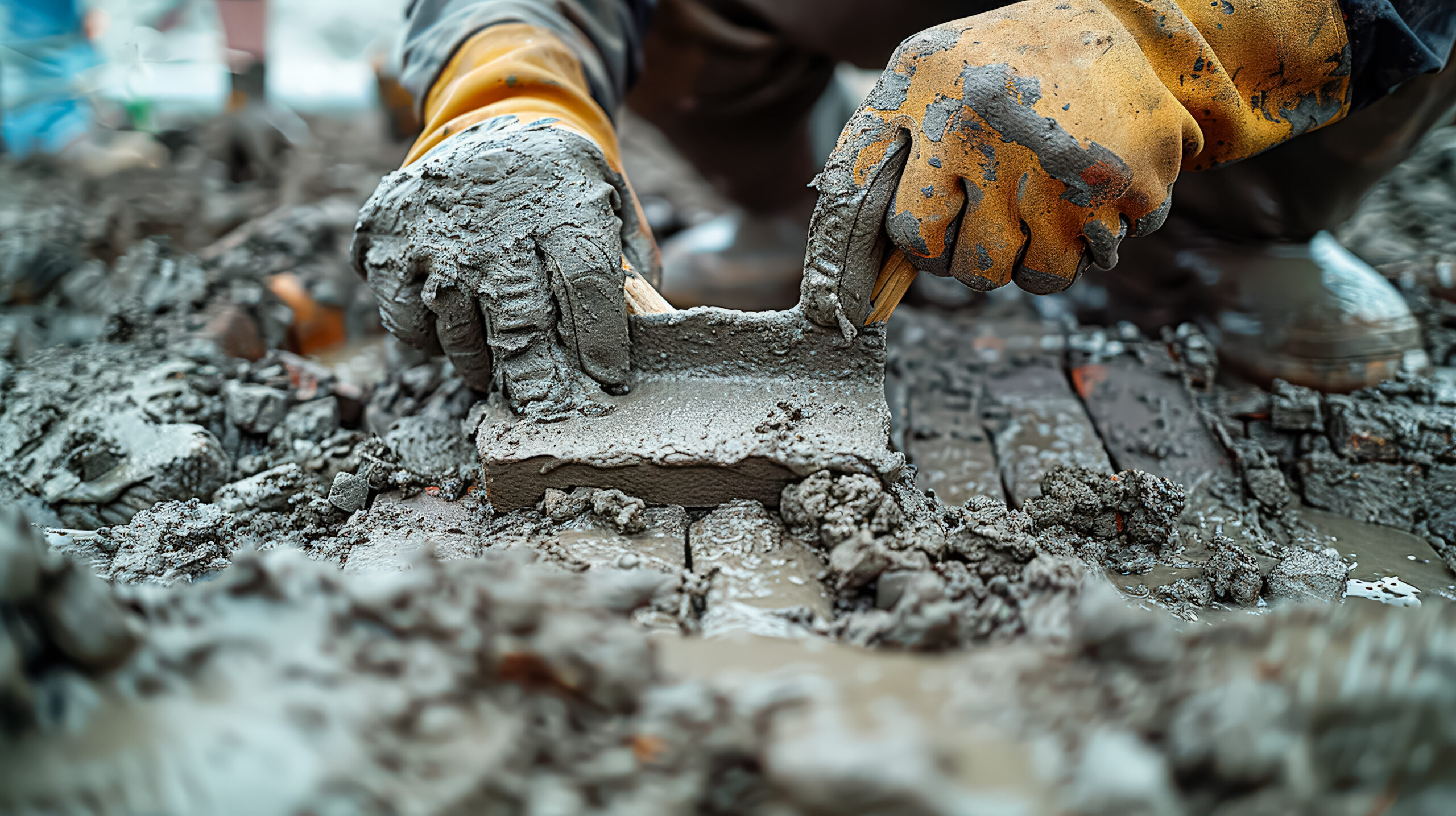
Mud has been one of the most prominent building materials used throughout history. Known for its availability, low cost, and thermal properties, earth and mud were fundamental in the construction of ancient homes across the globe.
- Adobe: A type of sun-dried brick made from mud, straw, and water, adobe has been used for centuries in arid climates such as the southwestern United States and parts of Africa. Adobe homes have excellent insulation, keeping them cool in hot weather and warm on cold nights.
- Cob: This ancient building method uses a mix of clay, sand, straw, and water to create walls. Cob structures are known for their natural aesthetic and energy efficiency, providing warmth in winter and cooling in summer.
- Rammed Earth: Similar to cob, rammed earth construction involves compacting earth into forms to create solid walls. This method can be used for both residential homes and public buildings, providing a durable, earthquake-resistant option.
Recycled Glass
Recycled glass has gained popularity in modern homebuilding, offering an innovative solution to reduce waste while creating visually striking homes. Glass bottles, windows, and other discarded glass materials can be transformed into beautiful building components.
- Glass Block Walls: Recycled glass blocks are often used for room partitioning or privacy screens, allowing light to pass through. These blocks can be stacked and bonded with mortar to create stunning, modern facades.
- Glass Bottle Walls: In certain cultures, entire walls are constructed using old glass bottles. These colorful, eco-friendly walls not only add a unique aesthetic but also offer functional benefits, such as improved light diffusion and insulation.
Shipping Containers
The use of shipping containers as housing solutions has become increasingly popular in recent years. These robust, standardized steel boxes, once used for transporting goods across oceans, are now being reimagined as homes.
- Cost-Effective and Sustainable: Shipping container homes are affordable and sustainable, as they repurpose materials that would otherwise end up in landfills. With modifications, they can be easily transformed into compact, yet comfortable, living spaces.
- Modular Living: One of the most appealing aspects of shipping container homes is their modular nature. By stacking or combining containers, homeowners can create a variety of configurations to expand their living space as needed.
Old Tires

Used tires are often discarded, but creative builders have found ways to repurpose them into sustainable, durable homes. Known as earthships, these homes use tires as structural elements, packed with earth to create thick, insulated walls.
- Energy Efficiency: Earthships are designed to be energy-independent, utilizing natural resources such as solar power and rainwater harvesting. The tires provide excellent thermal mass, regulating indoor temperatures throughout the year.
- Durability and Resilience: Homes built from tires are incredibly sturdy, offering resistance to extreme weather. Their low environmental impact and self-sufficiency have made them a popular choice in off-grid living communities.
Bamboo
Bamboo, a highly renewable resource, has been used in construction for centuries, particularly in Asia. With its incredible strength-to-weight ratio and rapid growth rate, bamboo is an ideal material for building sustainable homes.
- Sustainability: Bamboo is one of the fastest-growing plants on Earth, reaching maturity in just three to five years. It requires minimal pesticides and water, making it an eco-friendly choice for building homes.
- Versatility: Bamboo can be used for structural elements such as beams, floors, and walls, as well as decorative features. Its natural beauty and flexibility enable architects to create innovative, aesthetically pleasing designs.
Plastic Bottles
Recycling plastic bottles into building materials offers a sustainable solution to one of the most pervasive environmental issues of our time. These discarded bottles can be repurposed into affordable, eco-friendly homes.
- Plastic Bottle Bricks: Plastic bottles can be filled with sand, dirt, or other materials to create bricks, which are then used to construct walls. These bricks are highly durable, insulating, and moisture-resistant.
- Insulation Properties: Homes built from plastic bottles are surprisingly insulated, offering protection from both heat and cold. The air trapped inside the bottles provides natural insulation, reducing the need for additional energy use.
Recycled Metal

Metal recycling has long been an essential part of the construction industry, with steel and aluminum being the most commonly repurposed metals. Using scrap metal to build homes offers both environmental and economic benefits.
- Steel Frame Homes: Steel is a durable, fire-resistant material that can be used to create strong, long-lasting home frames. Recycled steel is often cheaper than new steel, making it a cost-effective building material.
- Corrugated Metal: Corrugated metal sheets are often used for roofing and siding. They are lightweight, easy to work with, and weather-resistant, making them an ideal choice for modern homes.
Straw Bales
Straw bale construction involves using bales of straw, a byproduct of grain production, to form walls. This technique has been used for centuries, particularly in rural areas, due to its affordability and insulating properties.
- Energy Efficiency: Straw bale homes are highly energy-efficient due to the natural insulation properties of straw. These homes require less energy for heating and cooling, making them an environmentally friendly option.
- Fire Resistance: Contrary to popular belief, straw bale homes are fire-resistant when properly constructed. The dense material helps to slow the spread of fire, making it a safe and sustainable option.
Mudbricks and Stone
Mud bricks, also known as cob, and natural stone have been used as building materials for thousands of years. Their ability to withstand extreme weather conditions and provide insulation has made them a popular choice for both ancient and modern homes.
- Thermal Mass: Like rammed earth, mudbricks, and stone walls, providing thermal mass that keeps the home cool during hot days and warm at night. This makes them ideal for regions with extreme temperature fluctuations.
- Longevity: Homes built with mudbricks and stone are incredibly durable, often lasting for generations. These materials have stood the test of time, with many ancient structures still standing today.
Recycled Wood

Wood is a classic building material, but when recycled, it becomes an even more sustainable and eco-friendly choice. Reclaimed wood, often sourced from old barns, factories, or demolished buildings, can be repurposed into homes with unique character.
- Aesthetic Appeal: Reclaimed wood adds warmth and texture to a home’s interior, with each piece telling its own story. The natural patina of aged wood enhances the aesthetic appeal, creating a rustic, vintage feel.
- Sustainability: By reusing wood that would otherwise be discarded, homeowners help reduce deforestation and minimize waste. Reclaimed wood can be used for structural elements, flooring, and decorative features, making it a versatile and eco-conscious choice.
Conclusion
The use of unconventional materials in homebuilding not only showcases human ingenuity but also highlights the growing emphasis on sustainability and recycling in construction.
From ancient earthen homes to modern structures made from shipping containers and plastic bottles, people around the world continue to find creative ways to build houses with eco-friendly, cost-effective materials.
As the world moves toward more sustainable practices, these innovative building methods will become even more prevalent, changing how we think about homes of the future.