10 Ridiculously Common Things Our Ancestors Used to Revere
Throughout history, humans have held various beliefs, practices, and objects in high regard, many of which have shaped cultures and societies.
Some of these reverence practices may seem bizarre by today’s standards, but they played significant roles in our ancestors’ lives.
In this article, we will explore 10 incredibly common things that were once revered by our ancestors, shedding light on their significance and impact.
Animals and Animal Spirits
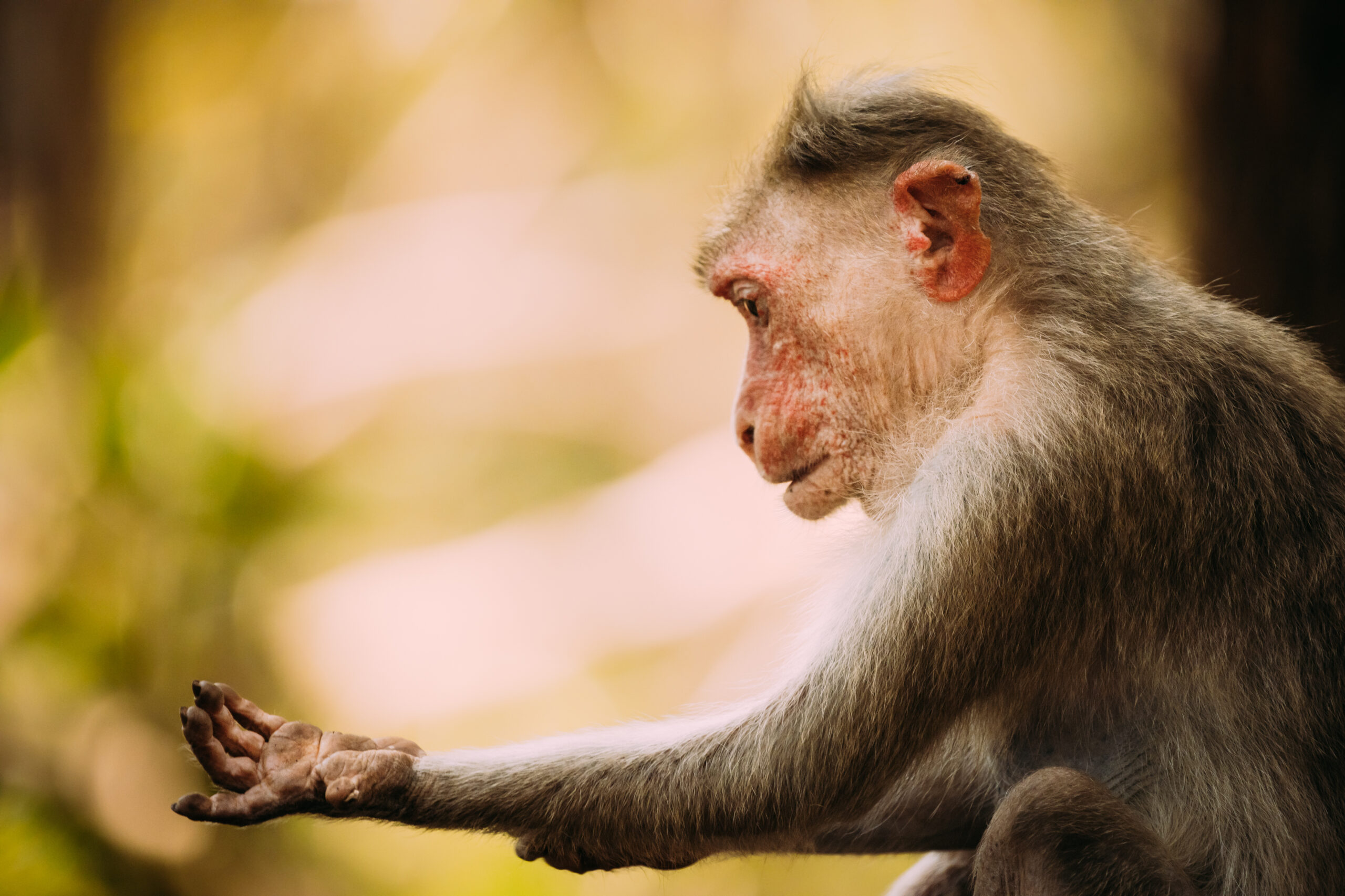
Reverence of the Lion in Ancient Egypt
The lion, revered as the king of beasts, held great symbolism in Egyptian mythology. The goddess Sekhmet, depicted as a lioness, was considered a powerful warrior goddess and protector.
Ancient Egyptians believed that the lion had divine strength and served as a symbol of royalty. Even today, lions are often associated with courage and majesty, a reverence passed down from ancient times.
The Role of Eagles in Native American Culture
In Native American traditions, the eagle was seen as a spiritual messenger between humans and the divine.
With its impressive wingspan and ability to soar high above the earth, the eagle represented power, freedom, and a connection to the supernatural world.
Many tribes incorporated eagle feathers into sacred rituals and regarded the bird as a symbol of wisdom and strength.
Trees as Sacred Entities
The Yggdrasil of Norse Mythology
In Norse mythology, the World Tree, Yggdrasil, was revered as the axis connecting the nine worlds.
The enormous ash tree stood at the center of existence, and it was believed that its roots extended into various realms, influencing the balance of the cosmos. The tree symbolized strength, wisdom, and the interconnectedness of all life.
Sacred Grove of the Druids
The Sun and the Moon
Ra, the Sun God of Egypt
Ra, the sun god, was one of the most powerful deities in ancient Egyptian religion. Revered as the creator of all life, Ra was believed to travel across the sky in a boat, bringing light and warmth to the world.
The ancient Egyptians built monumental temples to honor Ra, and the sun’s movement was central to their calendar and agricultural practices.
The Moon Goddess in Various Cultures
Across many cultures, the moon was associated with femininity, fertility, and cyclical change.
In Greek mythology, the moon goddess Selene drove her chariot across the night sky, while in Chinese culture, the moon goddess Chang’e is celebrated during the Mid-Autumn Festival. The moon was revered for its role in marking time and guiding people through darkness.
Fire and Sacred Flames
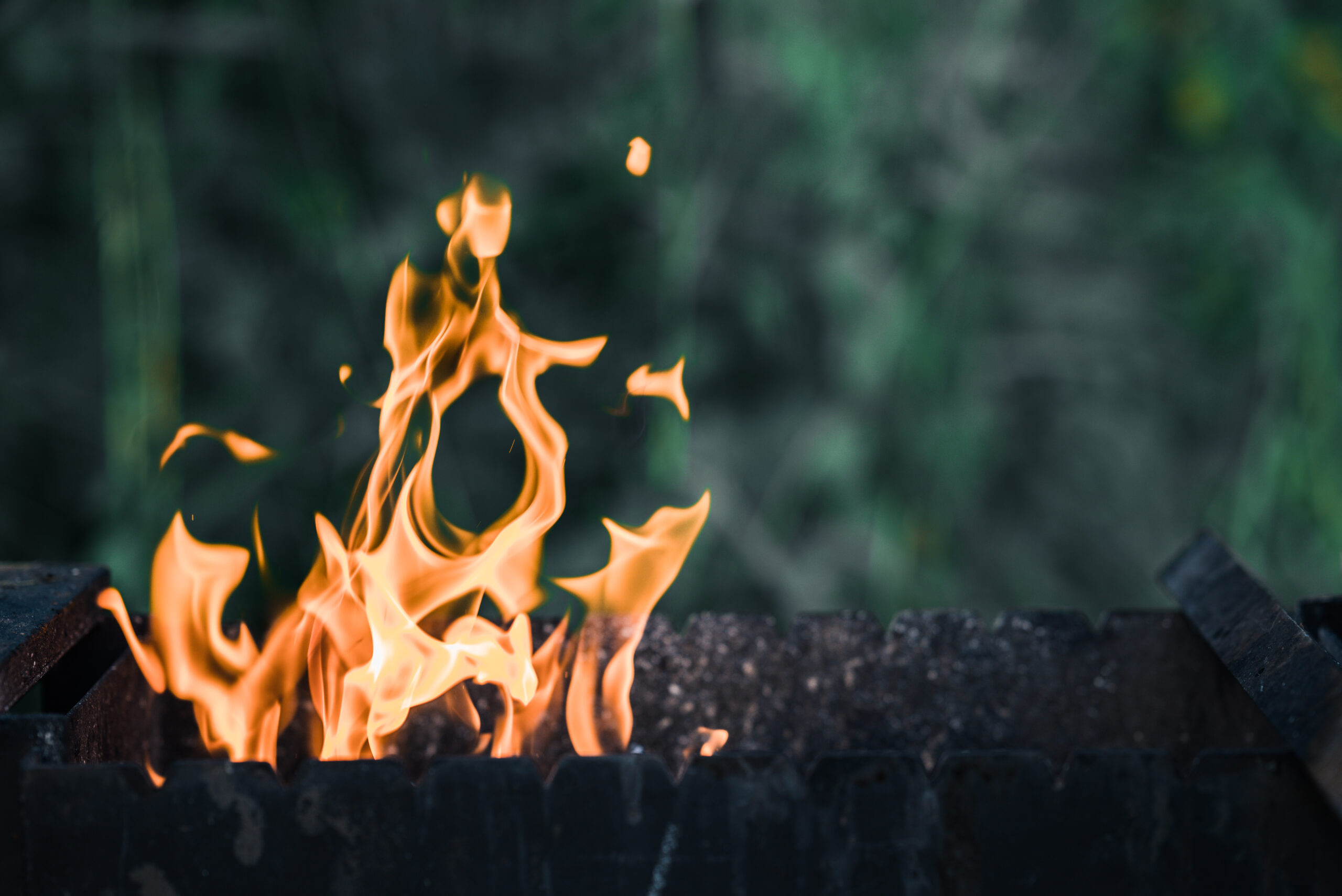
The Eternal Flame of Vesta in Ancient Rome
In Roman religion, the Vestal Virgins tended the sacred flame of the goddess Vesta. This eternal flame symbolized the continuity of the Roman state and was kept burning at all times.
The Romans believed that if the flame ever went out, it would signal the end of Rome’s power. The reverence of fire in this context reflected its importance as a life-giving force.
Zoroastrian Fire Temples
The Zoroastrian religion, one of the world’s oldest monotheistic faiths, placed great importance on fire as a symbol of purity and the divine.
In Zoroastrian temples, sacred fires were kept burning to honor the god Ahura Mazda. Fire was seen as a means of spiritual purification and was integral to Zoroastrian rituals.
Stones and Sacred Rocks
The Stonehenge of the Ancient Celts
Stonehenge, an ancient stone circle in England, is one of the most iconic examples of stone reverence. Built between 3000 and 2000 BCE, the massive stones were carefully arranged to align with the sun and the stars.
It is believed that Stonehenge served as a site for rituals and ceremonies related to the cycles of life, death, and the seasons.
The Black Stone of Mecca
Water and Sacred Springs

The Ganges River in Hinduism
The Fountain of Youth
The Fountain of Youth, a legendary spring that grants eternal life, has captivated the imagination for centuries. Ponce de León, the Spanish explorer, famously searched for this mystical fountain in the early 1500s.
While the fountain remains a myth, the reverence for water for its life-giving properties is a recurring theme in cultures worldwide.
Food as Sacred Offerings
The Offering of Bread in Ancient Greece
In Ancient Greece, bread was a significant offering to the gods. The Greeks would present loaves of bread, often decorated with symbols, during religious ceremonies.
Bread, symbolizing the harvest and sustenance, was considered a sacred gift to the gods, ensuring prosperity and favor.
The Role of Sacrificial Feasts in Ancient Cultures
In many ancient cultures, including those of the Maya and Aztecs, sacrificial feasts were held to honor the gods and ensure good harvests.
These feasts often involved offerings of meat, grains, and fruits. Food was believed to hold spiritual power, and the consumption of sacred offerings was thought to bring divine blessings.
The Power of Music and Instruments
The Lyre of Apollo in Ancient Greece
In Ancient Greece, the lyre was a sacred instrument associated with the god Apollo. The lyre symbolized harmony, music, and divine order.
Apollo was often depicted playing the lyre, and it was believed that his music could bring about peace and tranquility. The reverence of the lyre transcended Greece and influenced the musical traditions of other cultures.
The Didgeridoo in Aboriginal Australia
The didgeridoo, a traditional wind instrument of the Indigenous Australians, is considered a spiritual instrument. It is used in ceremonies and rituals to connect with ancestral spirits and the land.
The didgeridoo is believed to have healing and ceremonial powers, and it holds deep cultural and spiritual significance for Aboriginal people.
Weapons and Tools of Power
The Sword of King Arthur
The Samurai Sword in Japan
In Japan, the katana, or samurai sword, was much more than a weapon; it was a symbol of honor, discipline, and the warrior’s soul.
The sword was treated with great respect and was often passed down through generations as a family heirloom. Samurai considered their swords sacred and carefully crafted them using traditional techniques that took years to master.
The Dead and Ancestors
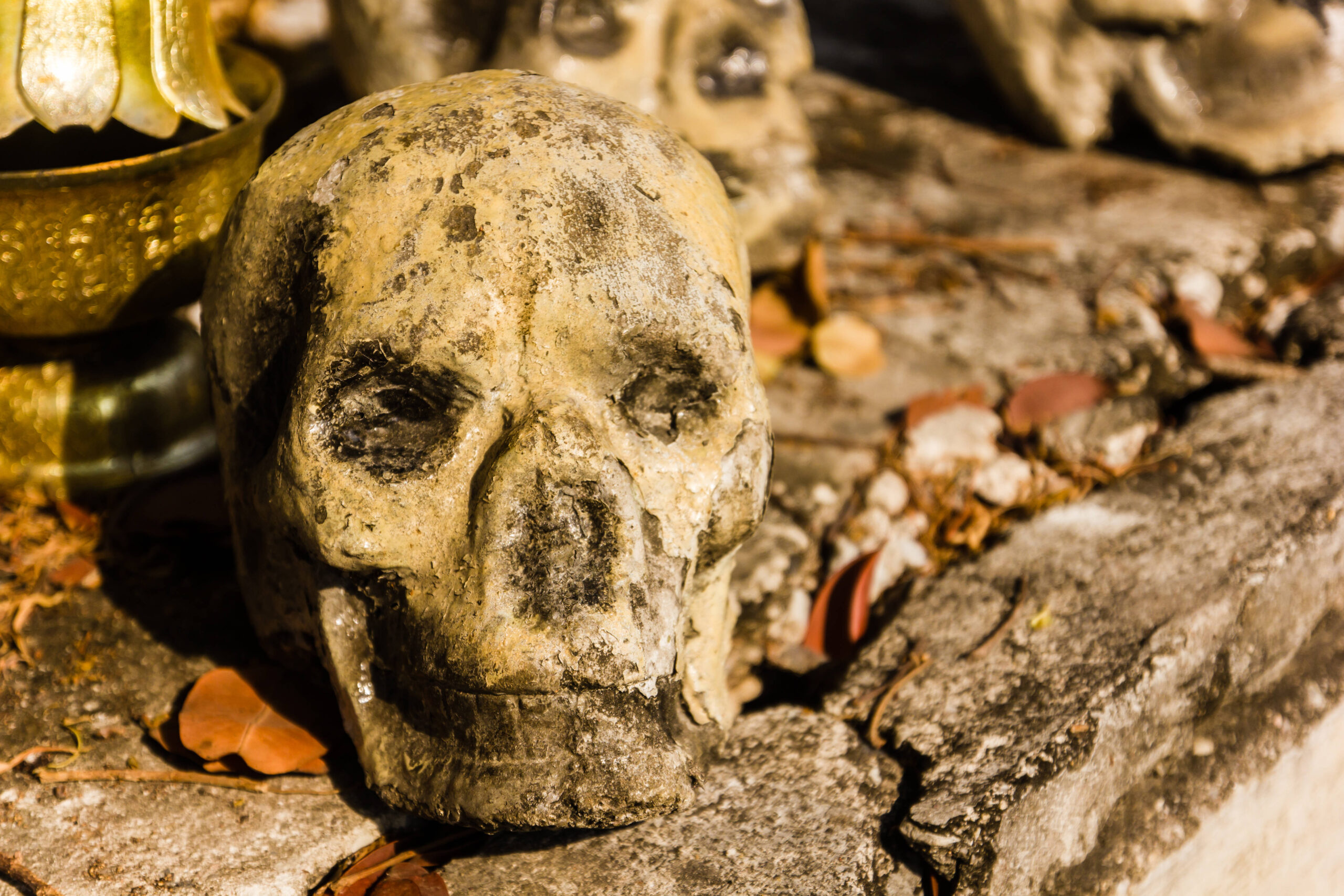
The Ancestor Worship of Ancient China
In Ancient China, ancestor worship was a central part of religious and cultural life. Families would honor their ancestors by offering food, incense, and prayers.
It was believed that the spirits of ancestors had the power to protect the living, and maintaining their favor was essential to the family’s prosperity.
The Mummification Practices of Ancient Egypt
The ancient Egyptians believed in an afterlife, and the preservation of the body was crucial for the soul’s journey to the next world.
Mummification was a sacred ritual that involved embalming and preserving the body of the deceased. The reverence of the dead in this context was tied to the belief in immortality and the importance of securing a peaceful afterlife.
Conclusion
From animals to the dead, ancient peoples revered a wide array of objects and practices, each imbued with deep cultural and spiritual significance.
While many of these beliefs may seem peculiar today, they provide valuable insights into how early civilizations viewed the world and their place within it.
These objects, rituals, and practices helped to define ancient societies and continue to influence modern culture in subtle ways.