


This post 10 Ridiculous U.S. City Laws That Sound Too Absurd to Be Real first appeared on Crafting Your Home.
America’s strangest laws are often shared online as jokes, but the truth is usually more interesting than the rumor. Many so-called “crazy laws” are not random attempts to control everyday life; they are old or highly specific rules created to deal with traffic, public spaces, food vending, safety concerns, or local business regulations.
From ice-cream trucks with safety requirements to skateboard restrictions on a famous tourist street, these laws reveal something surprising: behind every unusual rule is usually a very ordinary problem someone wanted to solve.
Key West, Florida
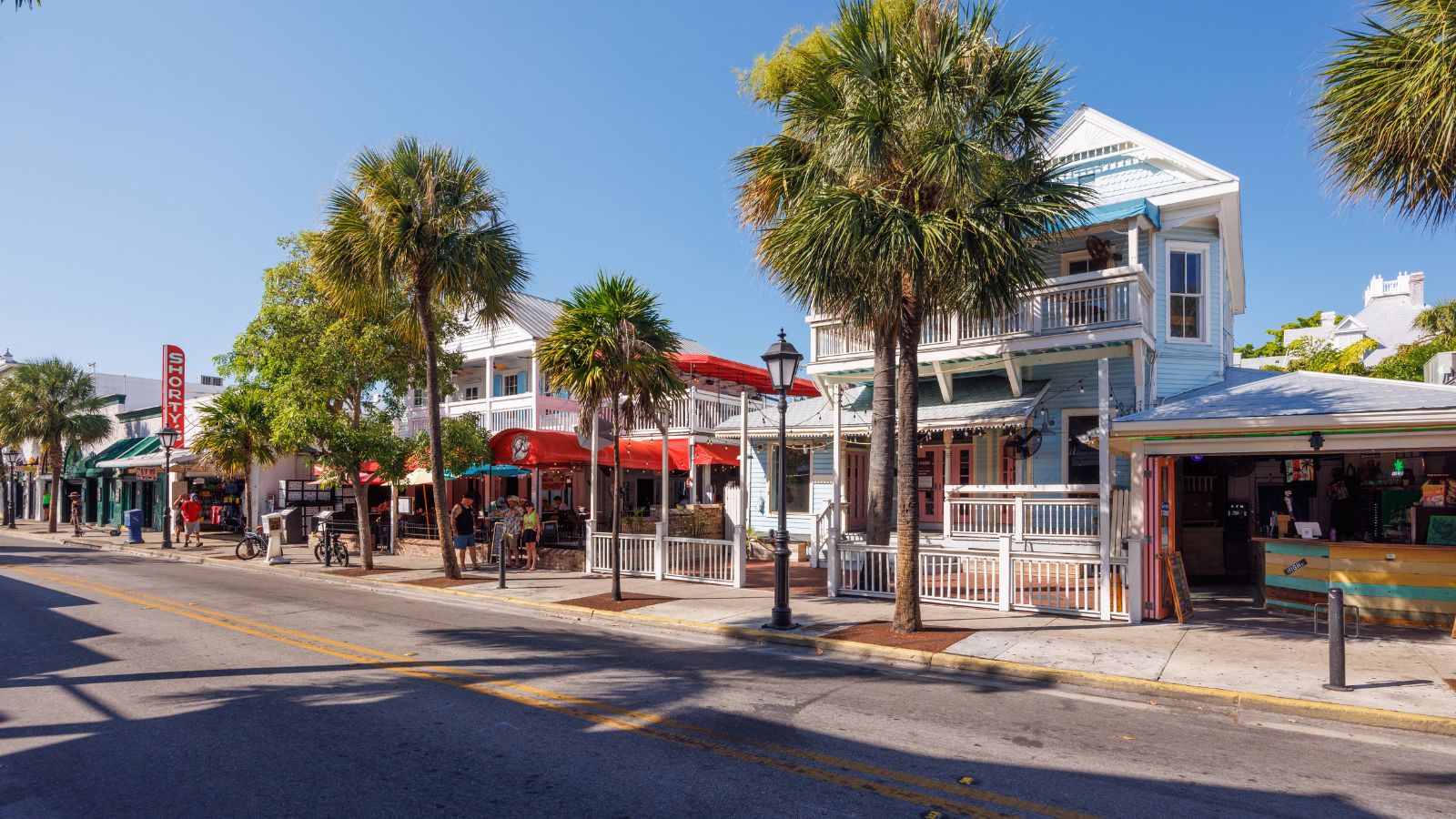
Key West is famous for its lively streets and heavy tourist traffic, but one popular activity has limits in certain areas. The city prohibits roller skating, skateboarding, and inline skating within the defined Duval Street corridor.
The rule is less about banning fun and more about managing crowded sidewalks, narrow spaces, and busy pedestrian areas. A skateboard may seem harmless, but in a packed tourist zone, the city decided that keeping foot traffic moving was the priority.
Wichita, Kansas
Wichita did not ban ice-cream trucks, despite what some internet posts suggest. Instead, the city has specific safety requirements for mobile ice-cream vendors, including “Caution—Children” signs and flashing amber warning lights.
The rules also address practical concerns, such as avoiding traffic obstruction and limiting how long an ice-cream vehicle can remain in one location. The verdict? It sounds funny until you remember that excited children running toward a frozen treat can create a real street-safety challenge.
Murfreesboro, Tennessee
Murfreesboro has a rule that prohibits placing fruit, vegetables, or other food items on sidewalks in front of buildings, although certain permitted food-service situations are exceptions.
At first glance, the rule sounds like a strange argument against sidewalk produce stands. In reality, it deals with keeping public walkways clear and regulating how food-related activities use shared spaces.
New Orleans, Louisiana

New Orleans is known worldwide for its food culture, but even a city famous for great snacks has rules about where certain foods can be sold. Vendors cannot sell items such as candy, ice cream, sandwiches, drinks, fruits, or vegetables on city streets within two blocks of schools while classes are in session.
The rule may sound unusual, but it focuses on controlling street vending around school areas. It connects a funny headline with familiar concerns like sidewalk congestion and business regulation.
Newport News, Virginia
Another ice-cream-related law appears in Newport News, where vendors cannot dispense ice cream on public streets without a valid food-handler card.
The surprising part is that the law is not about the ice cream itself; it is about the person selling it. What sounds like an unusual restriction is actually a requirement connected to food vending regulations.
Memphis, Tennessee
Memphis also has rules around selling food, including frozen desserts. The city generally requires permission for selling food from streets, vacant lots, or temporary stands, with frozen dessert sales requiring health department approval.
The headline may make it sound like Memphis is fighting ice cream, but the real story is about permits, business oversight, and making sure vendors follow local requirements.
Related: 6 American Cities to Avoid at All Costs This Summer
San Fernando, California
In San Fernando, selling frozen products from a vehicle on streets or public rights-of-way requires an annual city permit.
It may sound like a major restriction on a classic summer tradition, but the rule is focused on licensing, business oversight, parking, and public safety. The ice-cream truck is welcome; it just needs to follow the city’s process.
Sandy Springs, Georgia
Sandy Springs has a specific rule connected to mobile ice-cream vending. Ice-cream units must remain stationary for no more than 15 minutes and operate on streets that meet certain speed-limit conditions.
The law creates a funny image of a city putting a timer on a neighborhood ice-cream stop, but the reasoning comes back to the same theme found in many unusual ordinances: balancing convenience with traffic safety.
Related: 8 American Products That Exist Because of Strange Laws and Regulations
Fort Lauderdale, Florida
Fort Lauderdale regulates hitchhiking by prohibiting people from standing near roadways to solicit rides and restricting drivers from stopping to pick them up, with certain exceptions.
It may sound like a rule from another era, but many roadway regulations exist because cities try to reduce unpredictable situations near moving traffic.
Carmel-by-the-Sea, California
Carmel-by-the-Sea is often mentioned in lists of unusual laws because of a rule involving high heels. The widely shared claim says footwear with heels higher than two inches and a very small base may require a permit, partly connected to uneven sidewalks and possible city liability concerns.
However, this is one example where internet versions can become exaggerated, so the current wording and enforcement status should always be verified before treating it as an active everyday restriction.
Conclusion
The funniest local laws are often not funny because cities created ridiculous rules. They are funny because ordinary solutions to ordinary problems can look strange years later. A safety measure for children near ice-cream trucks, a sidewalk regulation, or a tourist-area traffic rule can eventually become an internet punchline once the original context disappears.
The next time you see a headline claiming a city banned something bizarre, it is worth checking the details. The truth is usually more interesting than the myth, and sometimes much stranger.
Other Post You Might Like:
If you like what you just read, then subscribe to our newsletter and follow us on social media.


