10 Remarkable Indicator Species That Provide Critical Environmental Insights

In the natural world, certain species serve as invaluable early-warning systems, alerting us to potential environmental crises before they manifest visibly.
These “indicator species” are highly sensitive to changes in their surroundings, from air and water pollution to soil contamination.
By studying these organisms, scientists can monitor ecological health, identify threats, and take proactive measures to prevent irreversible damage.
Oribatid Mites
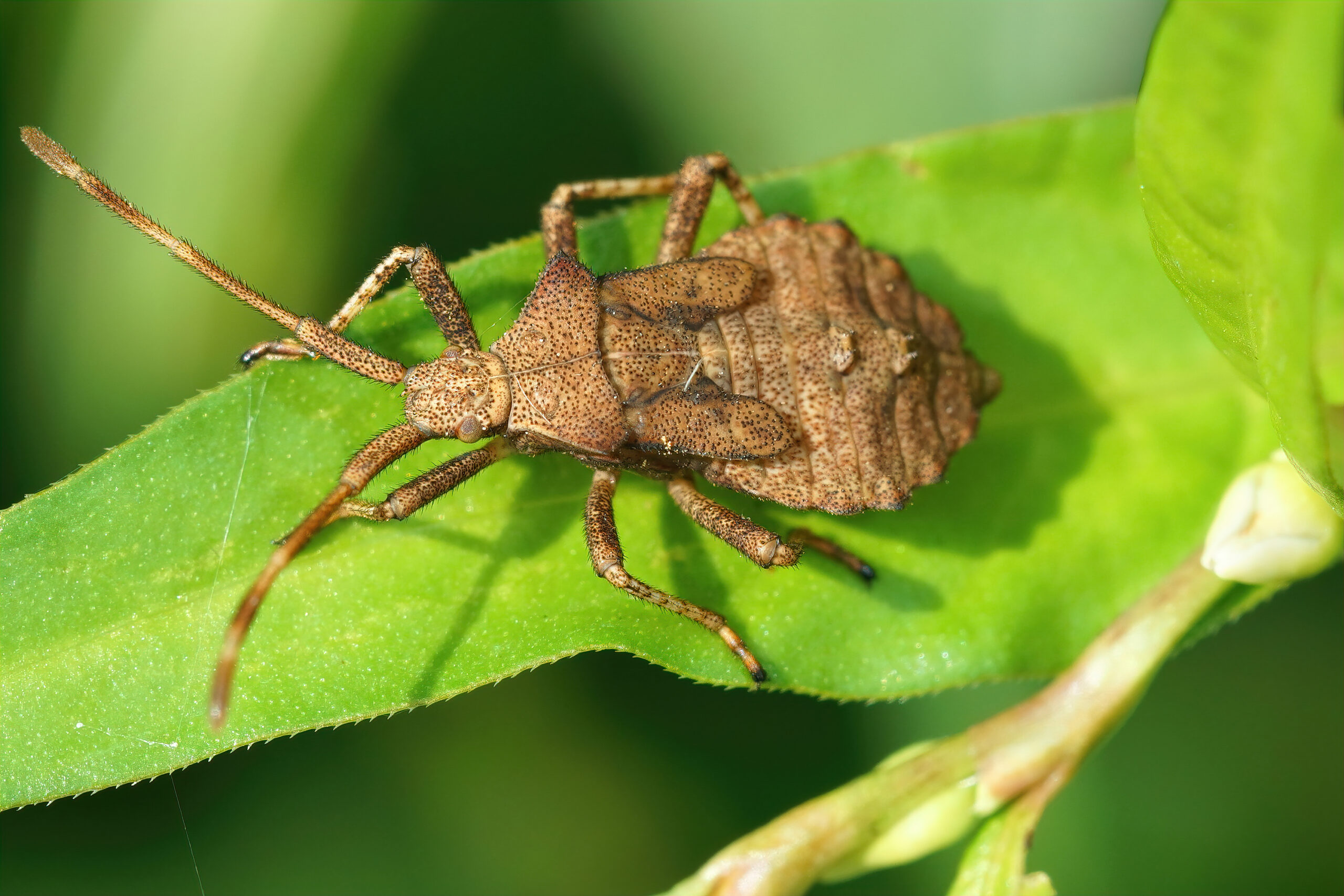
Oribatid mites, microscopic arthropods found in the soil, play a vital role in monitoring ecosystem health.
These tiny creatures are incredibly sensitive to fluctuations in soil chemistry, pollution levels, and habitat disturbances. Their limited mobility makes them particularly valuable as indicators, as they cannot simply move away from deteriorating conditions.
For instance, when a non-native species like crofton weed invades, oribatid mite populations may decrease significantly, signaling shifts in the ecosystem long before visible changes appear in the vegetation.
Freshwater Mussels
Freshwater mussels are powerful natural water filters, capable of processing gallons of water daily and removing harmful pollutants.
Due to their sensitivity to changes in water quality, sedimentation, and pollution, mussels are ideal bioindicators of aquatic health.
Over 70% of North American freshwater mussel species are currently at risk of extinction. As they live for decades, mussels also serve as living historical records of water conditions, with their shells capturing data about water quality over time.
A thriving mussel bed signals a healthy aquatic ecosystem, while a decline in mussel populations often signals a deteriorating waterway.
Lichens
Lichens are a symbiotic combination of fungi and algae that absorb nutrients directly from the air. This unique relationship makes them extremely sensitive to atmospheric pollutants, particularly nitrogen and sulfur compounds.
As bioindicators, lichens can signal air pollution long before other organisms show signs of distress. When nitrogen-tolerant lichen species become more prevalent and sensitive species decline, it is a clear warning of dangerous atmospheric changes.
Cave Crayfish
Cave crayfish, particularly the species found in the Greenbrier cave system, are highly sensitive to water contamination.
These eyeless crustaceans can detect even minor pollutants by altering their heartbeat patterns, which are measurable by new, non-invasive infrared technology.
Hellbender Salamanders
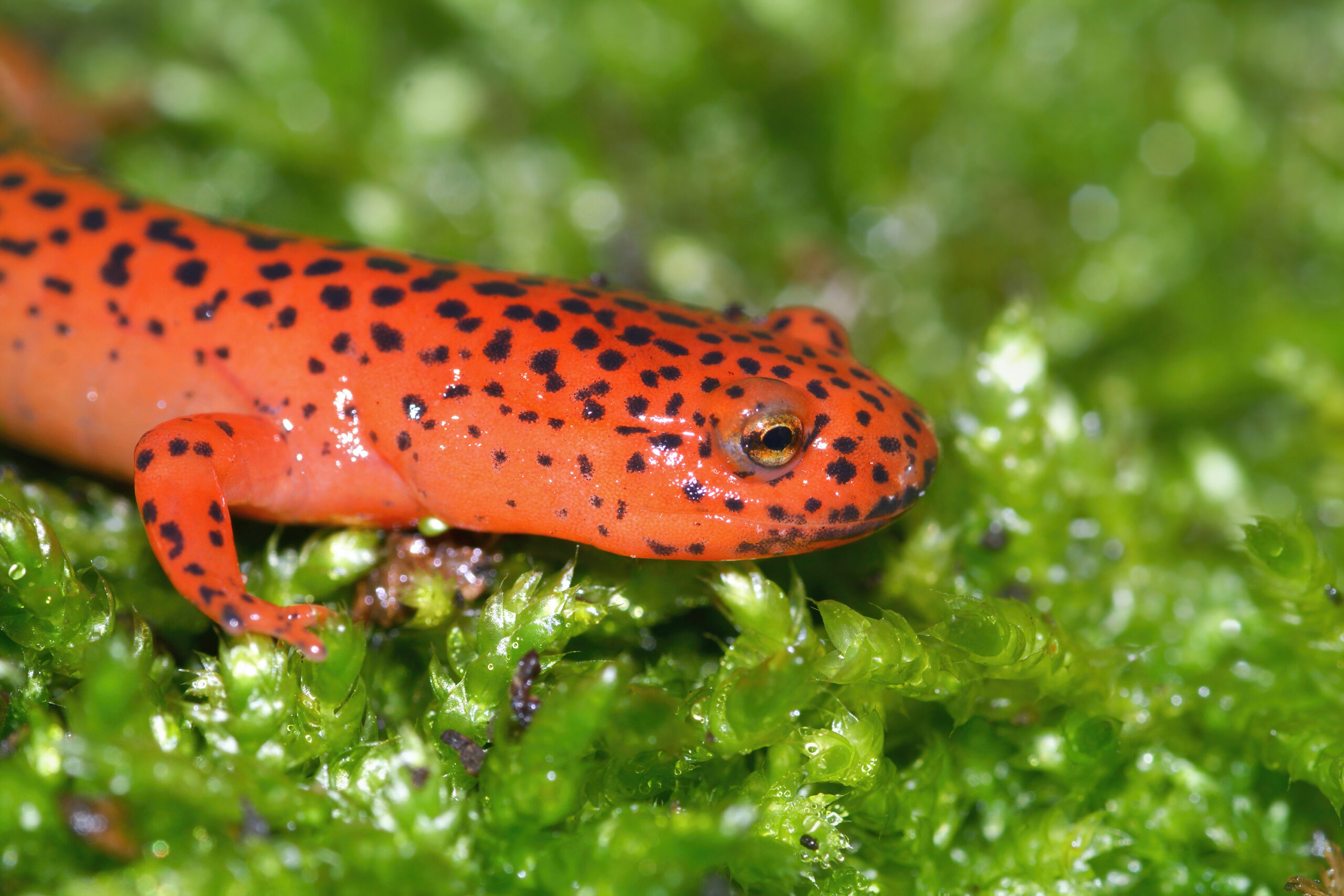
Hellbender salamanders are the largest amphibians in North America and are vital indicators of stream health. These aquatic creatures require clean, oxygen-rich water, which makes them highly sensitive to changes in water quality, temperature, and pollution.
Beluga Whales
Beluga whales are not only captivating marine mammals but also crucial environmental indicators in the Arctic. With over four decades of monitoring data, scientists track these whales to gauge the health of the Arctic ecosystem.
As these whales accumulate pollutants such as mercury in their tissues, they reveal broader contamination issues in Arctic waters.
Beluga migration patterns and feeding habits also provide insights into changing ocean conditions, such as the impacts of climate change, melting ice, and increased shipping activity.
Sandy Beach Tiger Beetles
Sandy beach tiger beetles are highly specialized creatures that inhabit coastal ecosystems, where they play a vital role in monitoring environmental health.
These beetles are sensitive to changes in beach conditions, such as sand texture, slope, and human disturbances.
Research has shown that these beetles disappear from beaches impacted by development, yet they thrive in more pristine areas.
American Dippers
American dippers are unique songbirds that dive underwater to hunt for aquatic insects. Their ability to survive only in clean, well-oxygenated waters makes them an ideal species for monitoring river health.
Dippers are sensitive to pollutants in their environment, including mercury, PCBs, and microplastics.
Glass Frogs
Glass frogs are unique amphibians known for their transparent skin, which reveals their internal organs. These frogs thrive in pristine tropical streams and are highly sensitive to environmental stressors, including temperature, humidity, and water quality.
Researchers study glass frogs’ behavior and reproductive patterns to track changes in their environment. For example, extended egg-guarding behaviors or increased egg hydration during dry periods serve as visible indicators of ecosystem stress.
Tardigrades
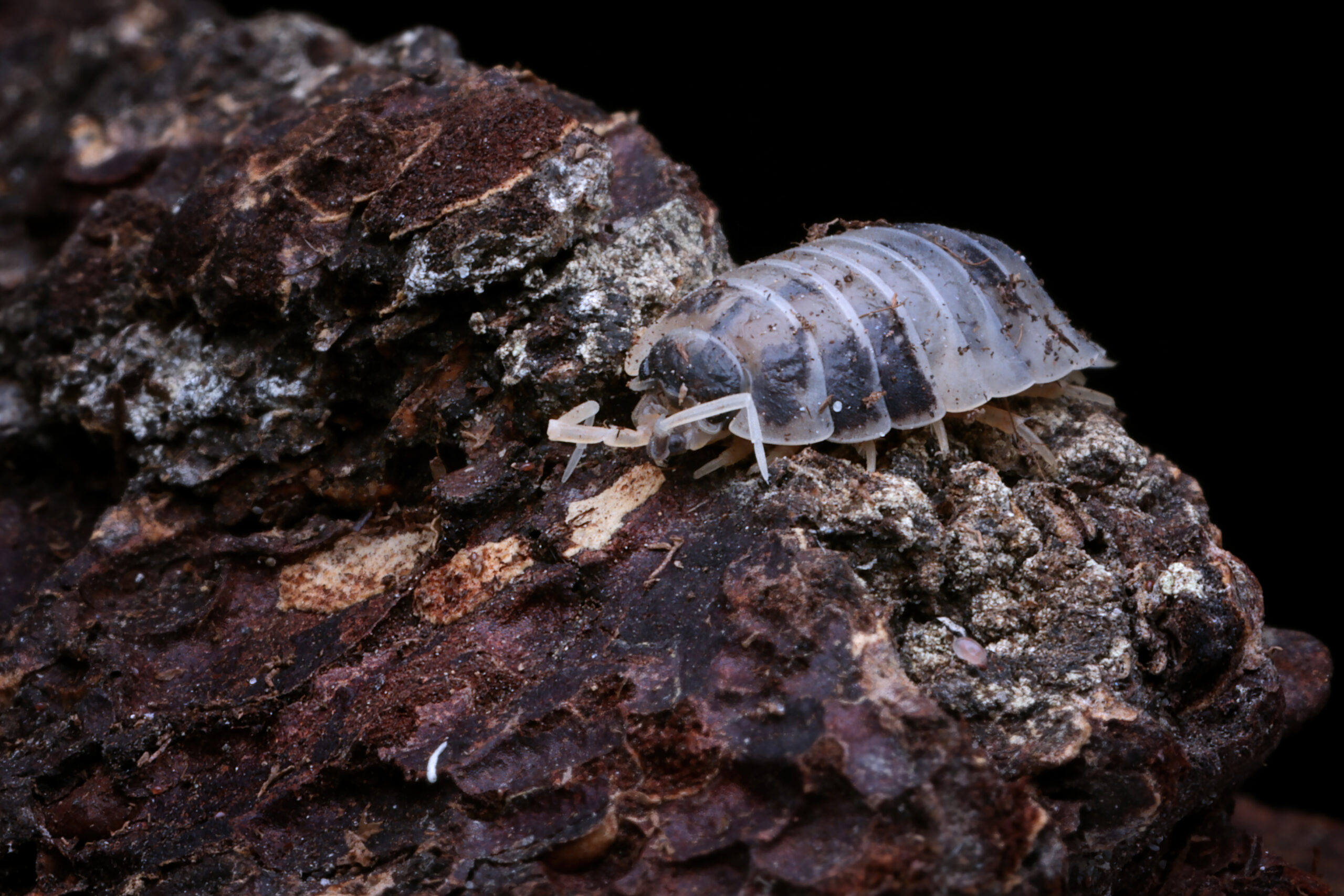
Tardigrades, or water bears, are microscopic creatures that can survive in extreme conditions, from the deepest ocean trenches to the harshest mountaintops. Their sensitivity to environmental pollutants makes them an excellent species for monitoring water quality.
Because their outer covering is semi-permeable, tardigrades respond directly to contaminants in their environment. Studies have shown that high concentrations of farm fertilizer runoff can cause population collapse, providing an early indication of water quality issues.
Conclusion
Indicator species are the ecological sentinels that provide crucial insights into environmental health.
By studying these remarkable organisms, scientists can detect early signs of environmental degradation, giving us a chance to take action before problems escalate.
From microscopic mites in the soil to massive whales in the Arctic, these species serve as essential tools for safeguarding our planet’s future.
By prioritizing the conservation of indicator species, we can ensure a healthier, more sustainable environment for generations to come.