10 Rare Genetic Features That You Probably Don’t Have
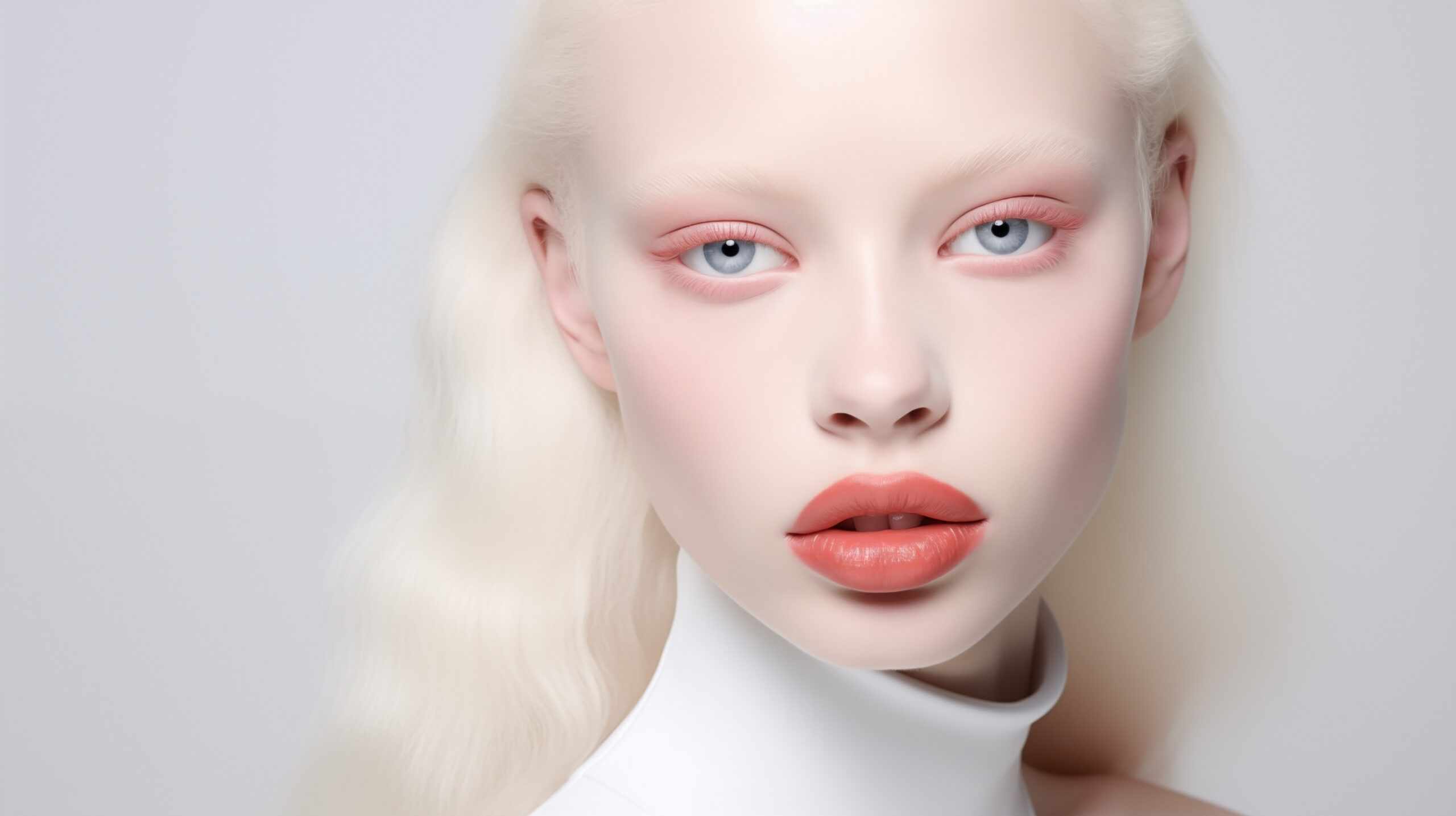
Our genetic makeup is a vast and intricate blueprint that shapes everything from the color of our eyes to our susceptibility to certain diseases. While most of us share common traits, there are a handful of rare genetic features that are so extraordinary, you’d likely be among the few in the world to possess them. These genetic anomalies are rare, fascinating, and sometimes, downright mind-blowing.
Here are a few of the most astonishing genetic features that you probably don’t have unless you’re one of the lucky few.
Naturally Red Hair and Blue Eyes
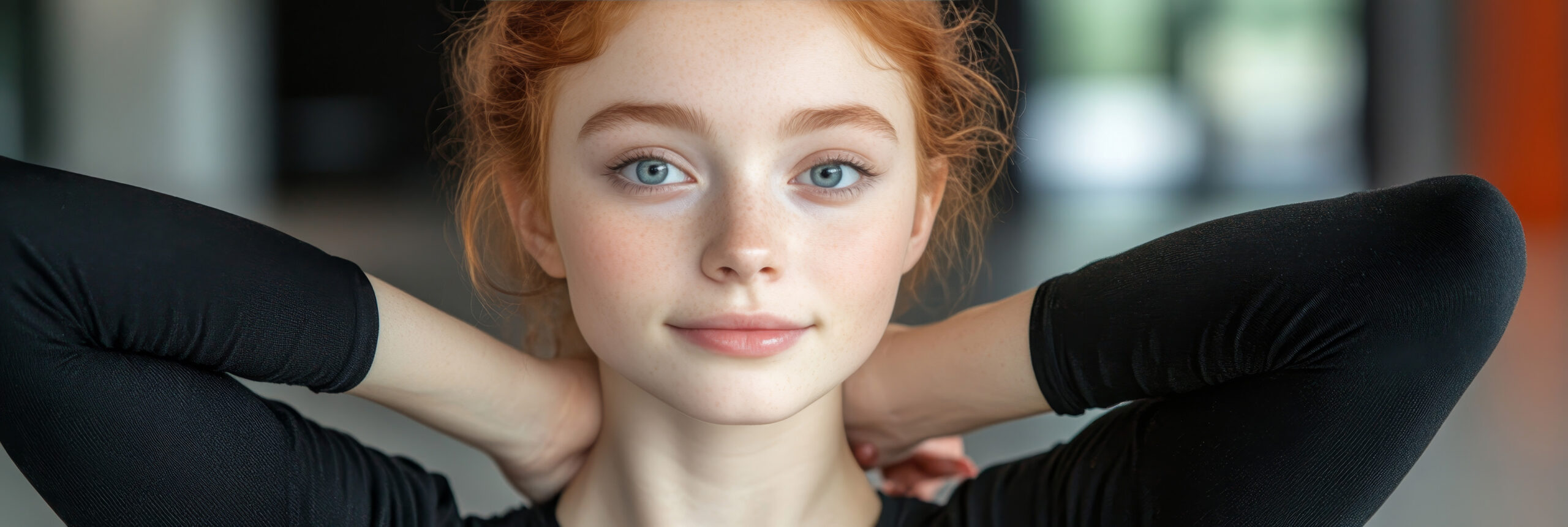
While each of these traits is rare on its own, having both red hair and blue eyes is an extremely rare genetic combination. This phenomenon occurs when both parents pass on specific mutations in the MC1R gene for red hair and the OCA2 gene for blue eyes. Together, these traits create a striking combination found in only about 1-2% of the global population.
Hyperthymesia
Imagine never forgetting a single detail of your life. People with hyperthymesia have an extraordinary ability to recall even the most minute details of their personal experiences. This rare condition allows individuals to remember dates, events, and emotions with perfect clarity, making them walking, talking memory banks.
Less than 100 people worldwide are known to have this ability, making it a remarkable and often overwhelming genetic trait.
Polydactylism
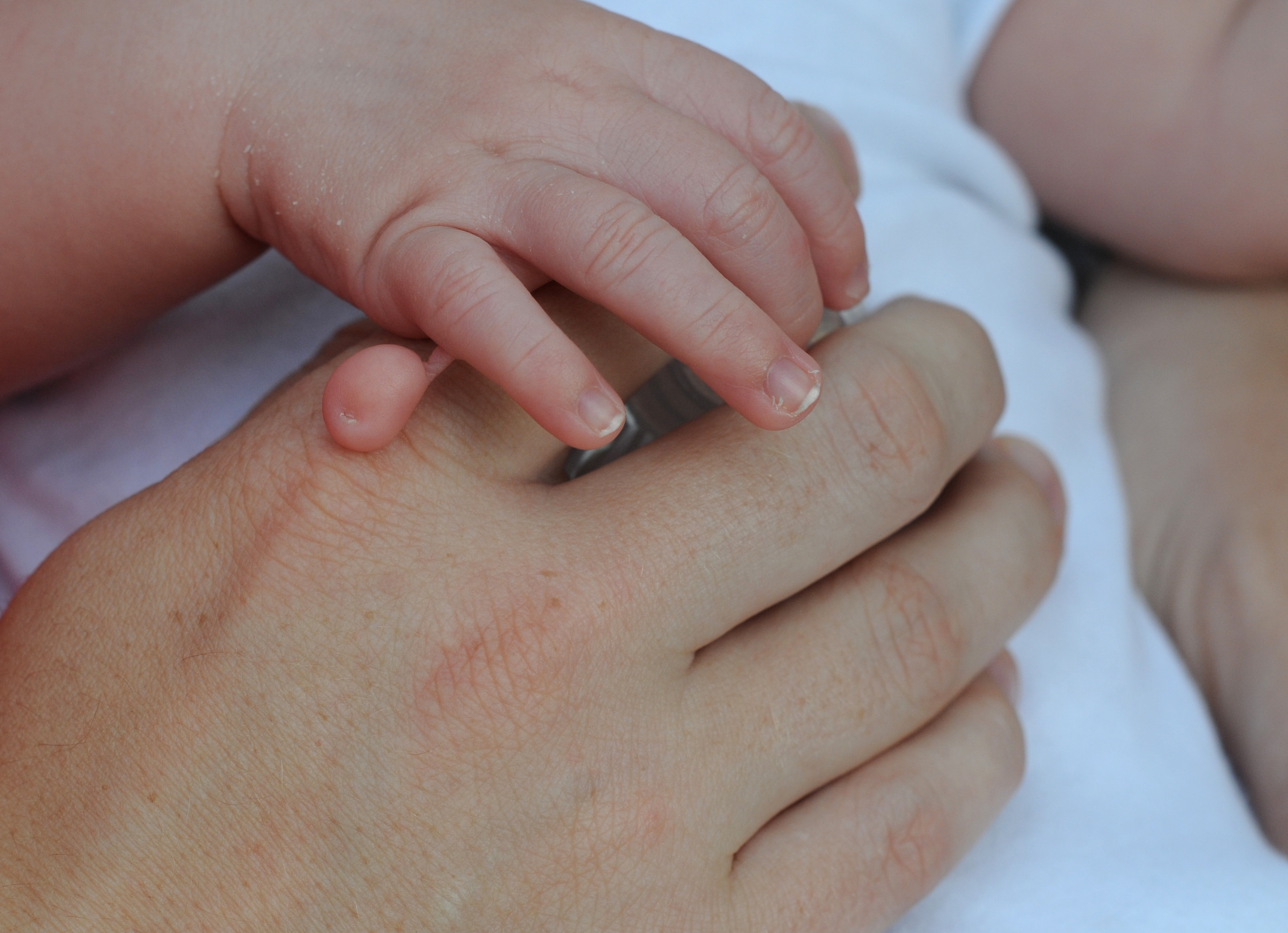
Polydactylism is the presence of extra fingers or toes, a genetic anomaly that occurs in about 1 in 500 to 1,000 live births. These additional digits are usually non-functional but can be fully formed and sometimes even operate as an extra finger. It’s an intriguing example of how our genes can create features that go beyond the ordinary.
Chimerism
Chimerism occurs when two embryos fuse together in the womb, resulting in a person with two distinct sets of DNA. This means that different parts of their body may have different genetic makeup. While rare, chimerism can manifest in various ways, including different eye colors in one person or even skin cells that are genetically different from blood cells.
The phenomenon of being genetically two people at once is as bizarre as it sounds, and it’s incredibly rare.
The Ability to Breathe Through Your Skin
While humans aren’t known to breathe through their skin, certain rare genetic mutations enable an extraordinary adaptation. Some people with a rare genetic disorder called cutaneous respiration can absorb oxygen through their skin, allowing them to survive in extreme environments for short periods. This ability is mostly seen in aquatic animals but is incredibly rare in humans.
The mutations that lead to this are so unusual that they create a near-impossible-to-replicate genetic trait.
Absence of Wisdom Teeth
Most of us can expect to have at least some wisdom teeth erupt at some point in our lives. But a small percentage of people are born without them, thanks to a genetic variation. This genetic quirk, known as agenesis of the third molar, means that these individuals never experience the pain, discomfort, or need for removal that most people do.
You’re a rare one indeed if you’ve managed to escape this common dental rite of passage entirely.
Piebaldism
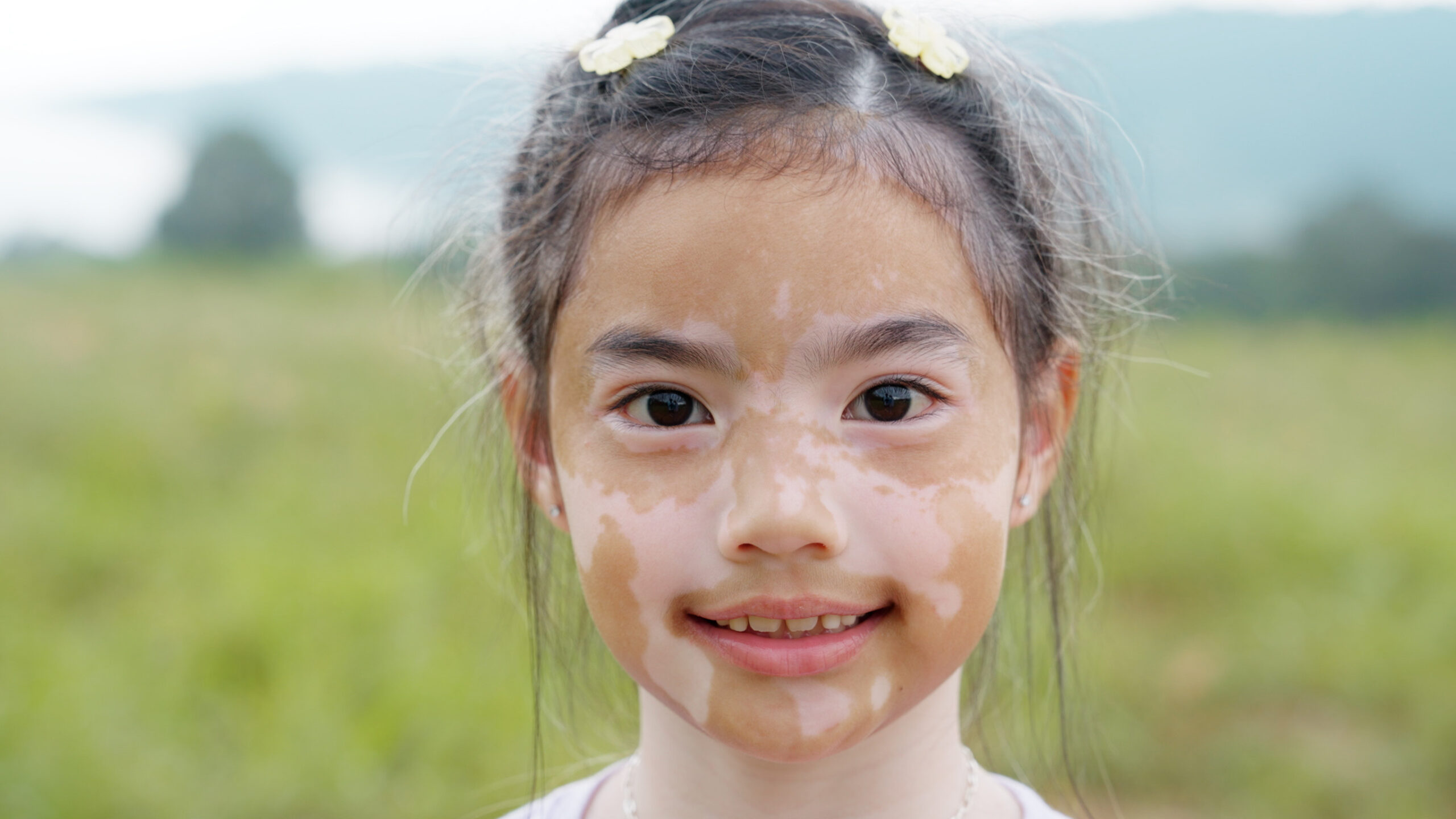
Piebaldism is a genetic condition that results in irregular patches of white skin and hair, often appearing in specific areas of the body, such as the forehead, chest, or hands. This condition occurs when a mutation in the KIT gene leads to a lack of melanin in specific patches of skin and hair. While some people with piebaldism only have a small spot of white hair or skin, others may have larger areas where pigmentation is completely absent.
The “Giant” Mutation
A rare genetic mutation known as acromegaly causes individuals to continue growing in height and bone size far beyond typical limits. In some cases, individuals may grow to be extraordinarily tall or have large hands, feet, or facial features. This genetic trait is associated with overproduction of growth hormone, and while rare, it gives rise to some of the world’s most exceptional physiques.
Blue or Green Sclera
The sclera, or the white part of your eye, is typically white in most people, but some individuals are born with a rare trait called “blue sclera.” This occurs when a person has a genetic mutation that causes the collagen in the eye to appear blue or greenish. It is often seen in conditions like osteogenesis imperfecta (brittle bone disease), but in its milder form, it can simply be a rare genetic quirk that results in strikingly unique eyes.
Fertility Resistance to Certain Genetic Diseases
Some rare genetic mutations make individuals resistant to conditions that are typically fatal, such as cystic fibrosis, while also making them extremely fertile. The best-known example of this is the genetic mutation that confers resistance to malaria, in which people with one copy of the gene are more likely to survive a malaria infection without symptoms, and sometimes experience greater reproductive success.
Conclusion
These rare genetic features are reminders of the unique and diverse nature of human genetics. From extraordinary memories to the ability to breathe through your skin, the human genome is full of surprises, some of which might just set you apart from the rest of the world. While you may not possess these genetic quirks, they are a fascinating glimpse into the incredible range of possibilities embedded in our DNA.