10 Most Bizarre and Unusual Buildings Around the World
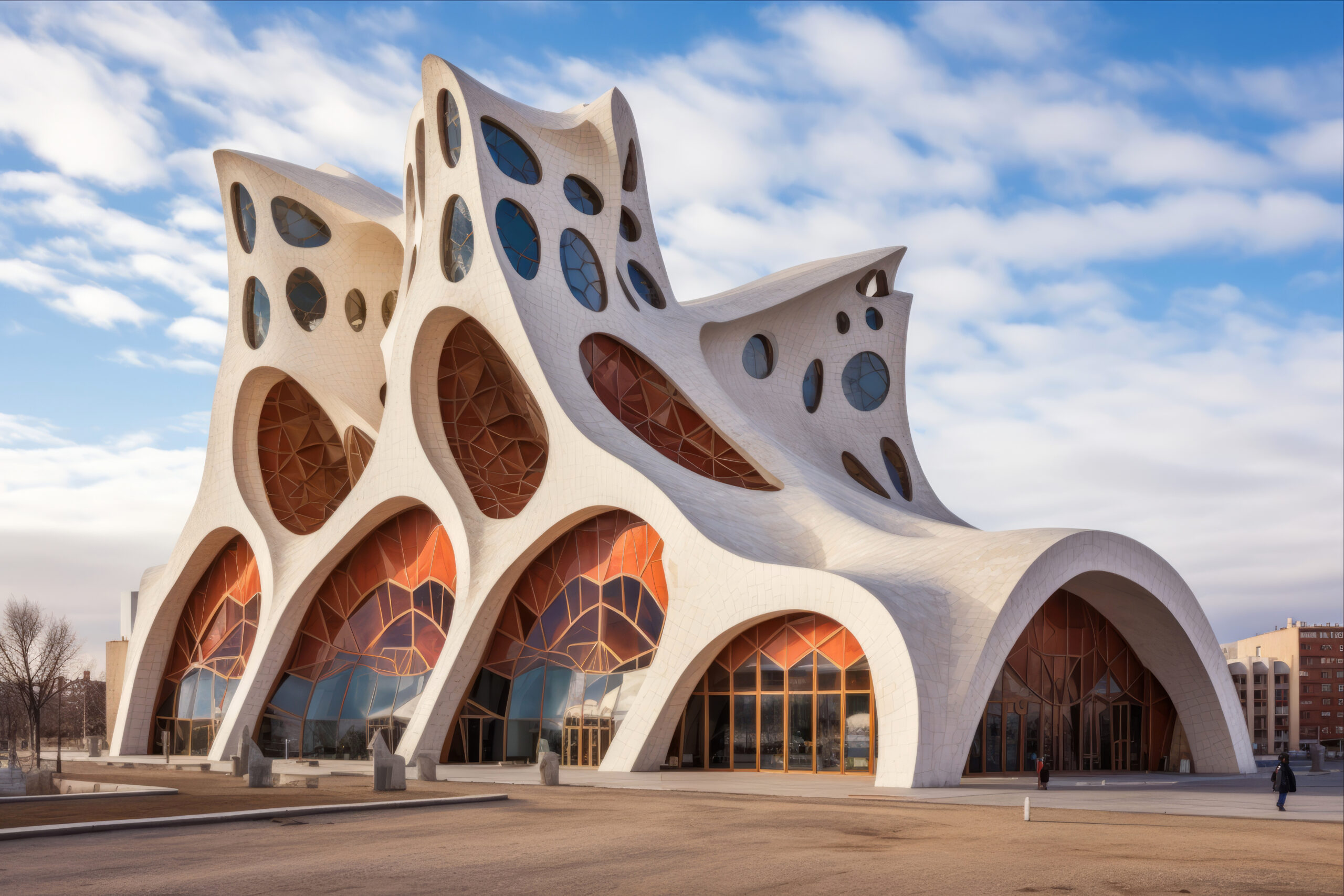
In every corner of the globe, architects and designers continue to push the boundaries of what’s possible in the world of architecture.
From buildings that seem to defy the laws of physics to structures that question the very nature of design, the world is home to some of the most bizarre and unusual buildings. These architectural wonders have become landmarks, often blurring the line between art and engineering.
In this article, we explore 25 of the most bizarre buildings from across the world, each with its own distinct story and aesthetic that makes it stand out from the rest.
The Dancing House – Prague, Czech Republic
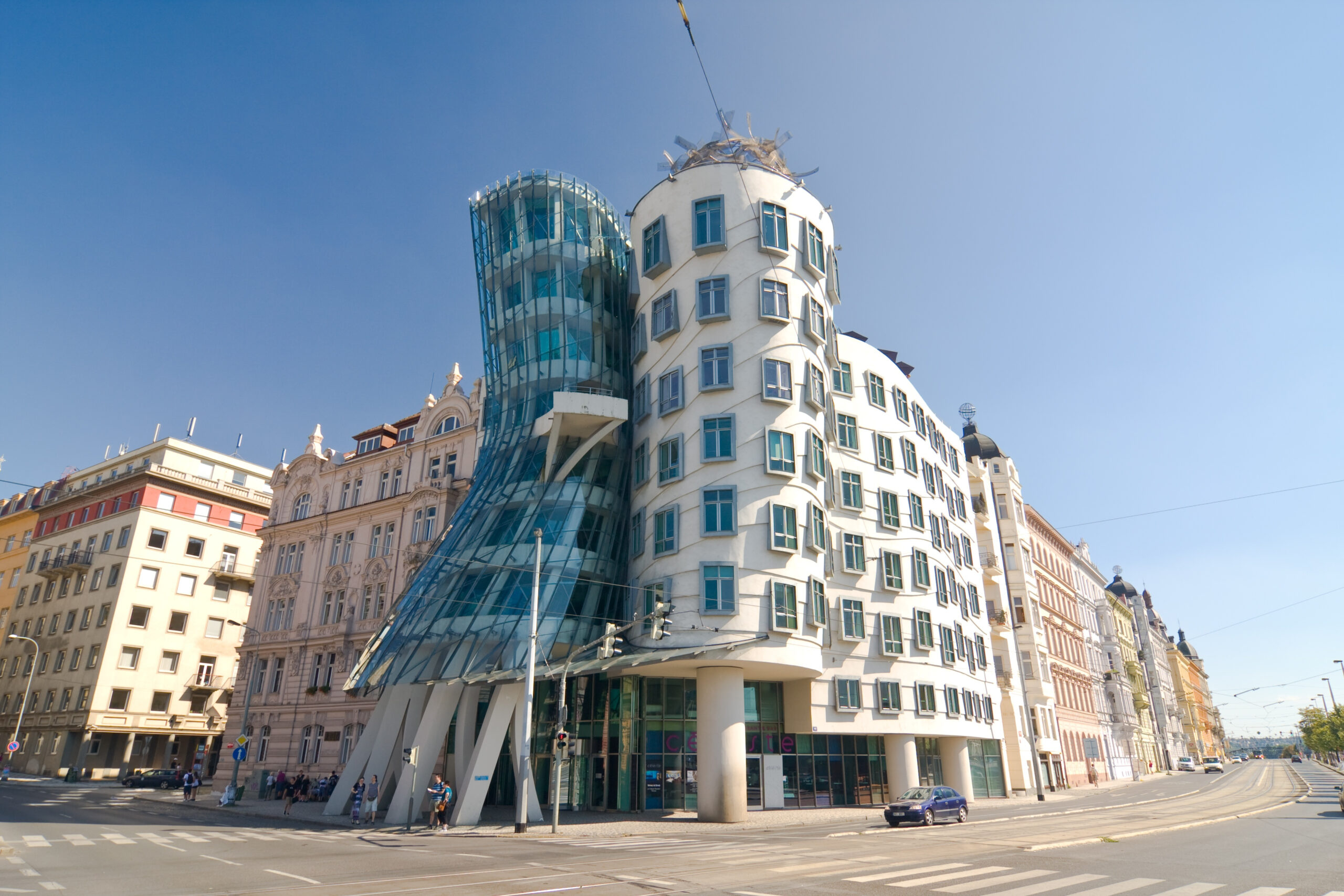
Located along the Vltava River in Prague, the Dancing House, also known as the Fred and Ginger building, is a striking example of deconstructivist architecture.
Designed by Frank Gehry and Vlado Milunić, this whimsical structure resembles two dancers in mid-motion. Its flowing, curvaceous design stands in stark contrast to the surrounding classical buildings, earning it the nickname “The Drunk House” among locals.
The Crooked House – Sopot, Poland
One of the most photographed buildings in Poland, the Crooked House in Sopot, is an architectural masterpiece designed by the architectural duo Szotyńscy & Zaleski.
The building’s distorted shape, with walls that appear to bend and curve, gives it the illusion of being a living entity. The Crooked House is part of a shopping center, and its odd appearance is intended to resemble the fairytale illustrations of Jan Marcin Szancer.
The Guggenheim Museum – Bilbao, Spain
Designed by Frank Gehry, the Guggenheim Museum in Bilbao is one of the most iconic buildings of the 20th century. The museum’s curvaceous titanium exterior and the fluid, organic design make it appear as if it’s a part of the landscape itself.
The structure’s unconventional forms are a testament to Gehry’s unique approach to architecture, which blurs the boundaries between art and design.
The Big Banana – Coffs Harbour, Australia
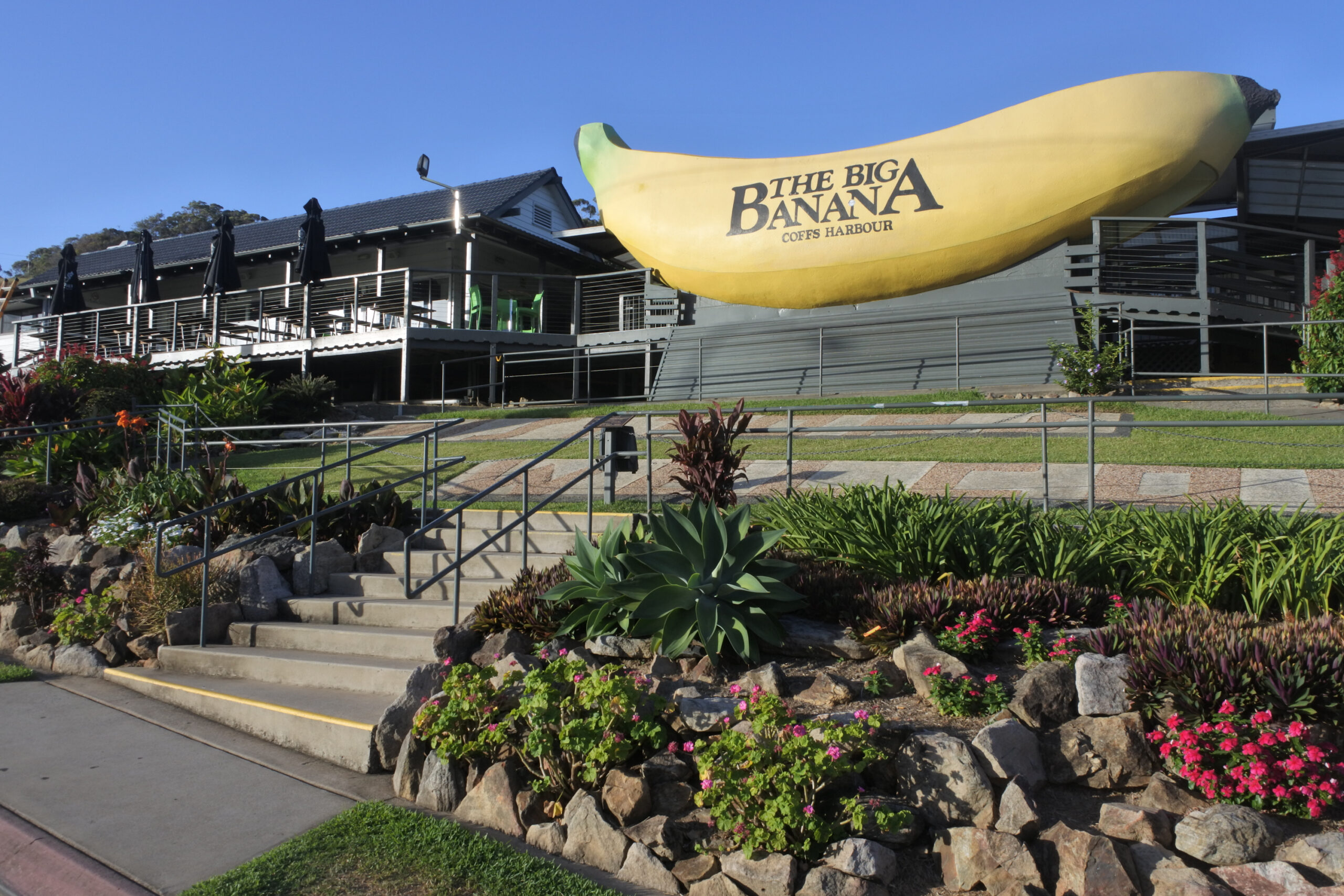
A massive, bright yellow banana marks the entrance to the Big Banana in Coffs Harbour, Australia. This building is both a tribute to the region’s banana industry and a popular tourist attraction.
Built in 1964, it is a classic example of Australian “roadside architecture” and a beloved icon, drawing visitors from around the world who want to see and photograph the gigantic fruit.
The Lotus Temple – Delhi, India
A remarkable example of contemporary religious architecture, the Lotus Temple in New Delhi is shaped like a giant lotus flower.
Completed in 1986, this Bahá’í House of Worship is constructed from 27 free-standing marble-clad “petals” arranged in clusters of three. It is not only known for its unique design but also for its peaceful ambiance, drawing millions of visitors each year.
The Cactus Tower – Copenhagen, Denmark
The Cactus Tower in Copenhagen stands as a unique architectural feat in the city’s skyline. With its three vertical columns resembling cactus plants, this residential tower rises with an organic form that mimics a cactus’s curvature.
The building’s unusual design symbolizes Copenhagen’s ongoing growth and innovation in urban architecture.
The Chapel of St. Basil – Houston, USA
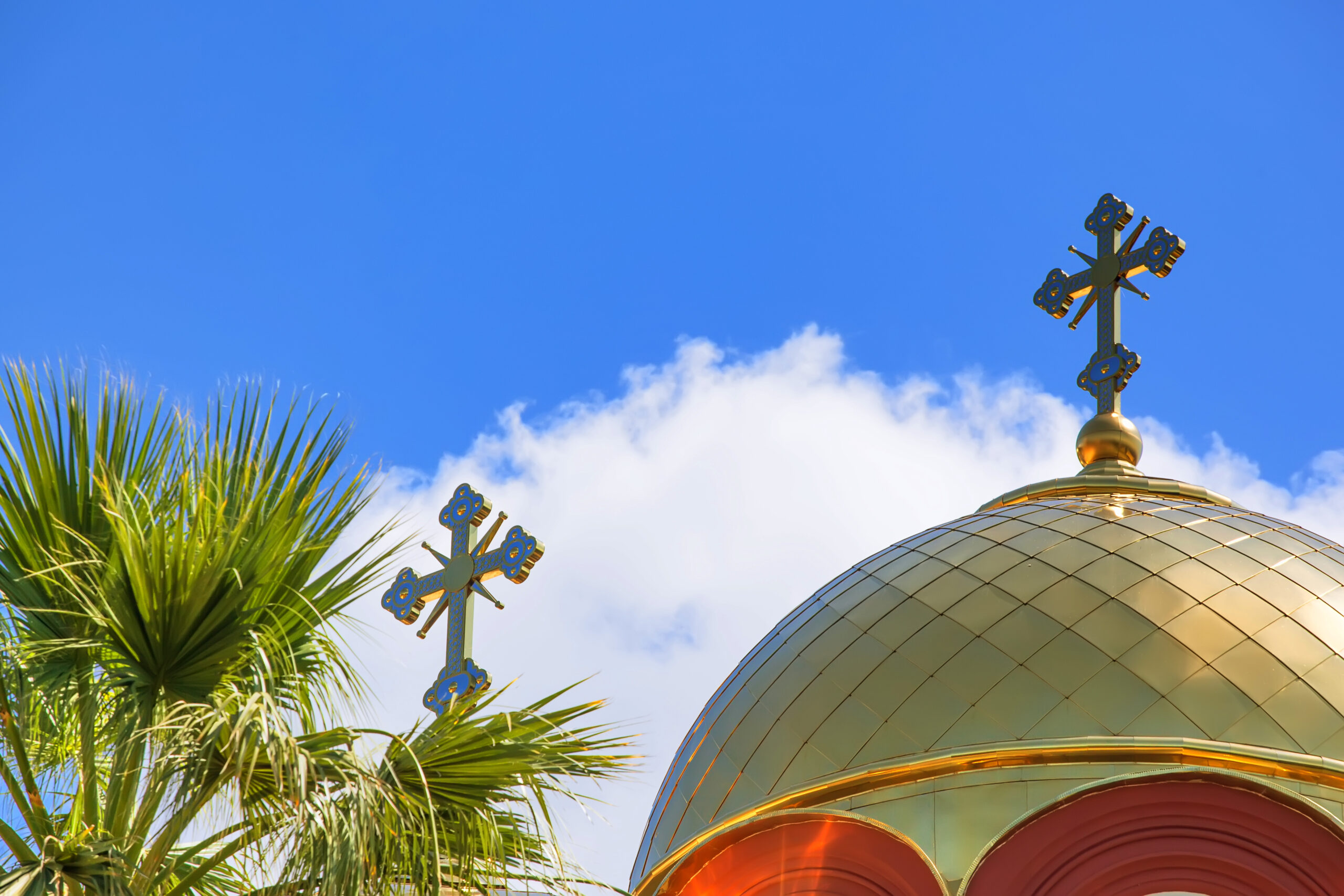
Known for its unconventional, abstract design, the Chapel of St. Basil on the University of St. Thomas campus in Houston, Texas, was designed by Philip Johnson.
The structure features colorful stained-glass windows, each symbolizing various spiritual and theological themes. Its jagged, polygonal structure makes it look as though it could be part of a modernist sculpture rather than a traditional place of worship.
The Upside Down House – Trassenheide, Germany
The Upside Down House, located in Trassenheide, Germany, is exactly as it sounds – a building turned upside down. From the exterior, the roof is at the bottom and the foundation at the top.
The house is a quirky tourist attraction, and its design is intended to challenge traditional perspectives on architecture and the built environment.
The Selfridges Building – Birmingham, UK
The Selfridges Building in Birmingham, UK, is an architectural marvel that stands out in the city’s skyline.
Designed by the architecture firm Future Systems, this building is famous for its sweeping curves and its shiny, futuristic facade made of over 15,000 aluminum discs. The design evokes a sense of fluidity and modernity, transforming the shopping experience into an architectural journey.
The Egg Building – Albany, USA
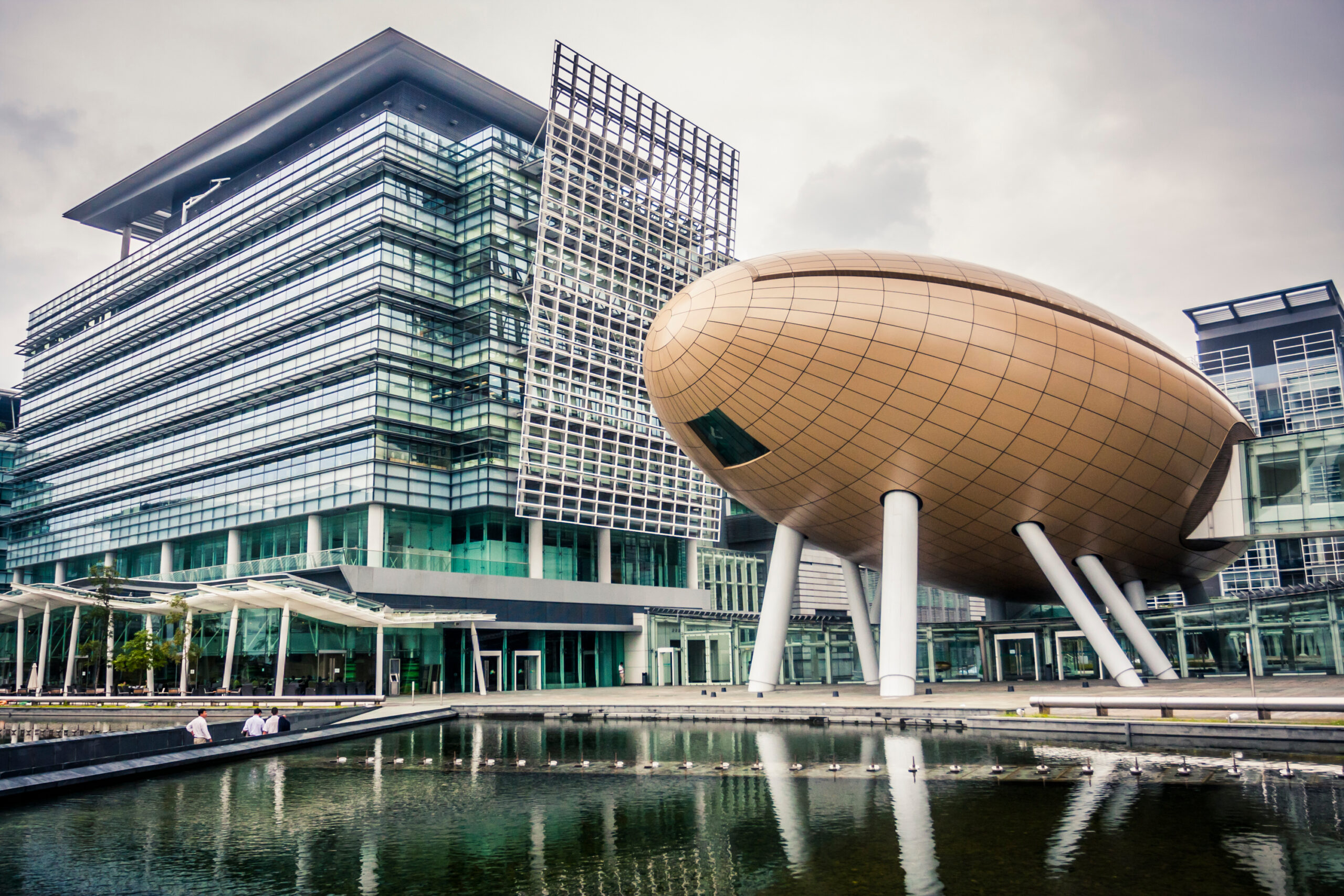
The Egg Building in Albany, New York, is a futuristic performing arts venue. Designed by architect Edward Durell Stone, the building’s egg-shaped design makes it one of the most distinctive structures in the city.
The smooth, curved exterior of the Egg is a stark contrast to the surrounding classical architecture, and its sleek, modernist design continues to inspire architects and designers worldwide.
Conclusion
The world’s most bizarre and unusual buildings not only represent the artistic ingenuity of their architects but also challenge our perception of what architecture can be.
Whether it’s a structure inspired by nature, a defiance of traditional design principles, or a monument to a city’s identity, these buildings serve as a reminder of the endless possibilities in architectural design.
They captivate the imagination, provoke conversation, and stand as testaments to the creative potential of humankind.